10 794 résultats
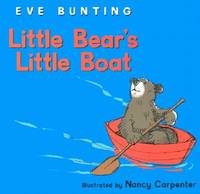
1999réf. 1-0152016562Harcourt Childrens Books 1999. SAL. New. 1st edition. 32 pages. 9.25x11.50x0.50 inches. Harcourt Childrens Books unknown
1999réf. Q-0152016562Harcourt Children's Books 1999-09-20. Hardcover. New. New. In shrink wrap. Looks like an interesting title! Harcourt Children's Books hardcover
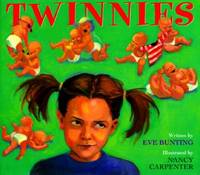
2004réf. Q-0152050655HMH Books for Young Readers 2004-09-01. Paperback. New. New. In shrink wrap. Looks like an interesting title! HMH Books for Young Readers paperback
2003réf. Q-0395974623Clarion Books 2003-05-19. Hardcover. New. New. In shrink wrap. Looks like an interesting title! Clarion Books hardcover
2012réf. Q-0547719035HMH Books for Young Readers 2012-03-06. Board book. New. New. In shrink wrap. Looks like an interesting title! HMH Books for Young Readers unknown
1997réf. Q-0152915923Harcourt Children's Books 1997-09-01. Hardcover. New. New. In shrink wrap. Looks like an interesting title! Harcourt Children's Books hardcover
1837réf. R320059171CHAMELOT. 1837. In-12. Relié demi-cuir. Etat d'usage, Couv. convenable, Dos satisfaisant, Intérieur frais. 186 pages - plats jaspés - Signet conservé - Auteur, titre et filets dorés.. . . . Classification Dewey : 809-Histoire, littérature
1837réf. R320059212CHAMEROT ET LAUWEREYNS. 1837. In-16. Relié demi-cuir. Etat d'usage, Couv. convenable, Dos satisfaisant, Quelques rousseurs. 136 pages - Contre-plats jaspés - Auteur, titre, filets s dorés - Dos en cuir marron.. . . . Classification Dewey : 809-Histoire, littérature
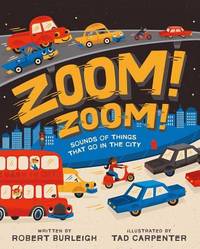
réf. Q-1442483156Simon & Schuster/Paula Wiseman Books 2014-02-04. Hardcover. New. In shrink wrap. Looks like an interesting title! Simon & Schuster/Paula Wiseman Books hardcover
1993réf. Q-0679847510Random House Books for Young Readers 1993-08-31. Paperback. New. New. In shrink wrap. Looks like an interesting title! Random House Books for Young Readers paperback
1808réf. 40181Washington City Washington D.C.: Westcott & Co 1808. 8vo. 3 volumes. 8 1/4 x 5 inches. Vol. I: 147 2 4-135 3. 284 pp. Title Deposit Notice Publisher's Note. Vol II: 465 1. 466 pp. Title Deposit Notice. Vol. III: 418 I i-l 4. 472 pp. Title Appendix Index. Previous owner's small stamp on front pastedowns. Contemporary full sheep expertly rebacked spines in six gilt-ruled compartments with red morocco lettering-pieces in second compartments and volume numbers in fourth First edition of all three volumes of "the rarest and best account of the trial" Eberstadt which made US legal history in its interpretations of treason and executive sovereignty. This elusive set almost always found without the third volume is Burr's own report and is crucial to understanding early democracy in America. Of especial relevance today as other high-profile American politicans face their own accusations of treason. "The most exciting trial held in this country during the first half of the nineteenth century." Graff Aaron Burr Jr. was an American politician businessman lawyer co-founder of the Bank of New York and Founding Father who served as Vice President during Jefferson's first term and more recently served as the foil in Lin-Manuel Miranda's musical Hamilton. How Burr came to be arrested in Alabama in 1807 is bizarre and byzantine but in brief: Burr was rejected by his own party the Democratic-Republicans for opposing Jefferson in the 1800 presidential election runoff in the House and then was shunned by the Federalists for killing Alexander Hamilton in a duel. Burr went West to seek better fortunes which included a rogue military adventure to seize lands belonging to Spain in Louisiana and Mexico with incentive given to the Western states to join his adventure. However Burr's longtime friend General James Wilkinson decided to abandon this dubious plan and inform the Feds instead. President Jefferson did not look kindly on his former Vice President's conspiracy to entice the Western states to leave the Union and join with him as he colonized new lands with the support of England. Jefferson alerted Congress and ordered Burr's arrest. Firm in his belief that Burr was a traitor Jefferson had him charged as such. Luckily for Burr Chief Justice John Marshall was Jefferson's longtime political foe and would preside at Burr's trial because he was also the federal judge for the US Circuit Court in Virginia. Burr was acquitted and fled for Europe. Cohen Bibliography of Early American Law 14091 14092. Eberstadt 134-68. Graff 506. Howes B1013. Sabin 9433. Tompkins Burr 18. Westcott & Co unknown
1808réf. 40182Washington City Washington D.C.: Westcott & Co 1808. 3 Volumes. 8vo. 9 x 5 1/4 inches. Vol. I: First edition. 147 pp. 135 pp. 1. Vol. II: Second issue of first edition: 465 pp. Vol. III: First edition. 418 50 4. Publisher's original grey paper boards. All volumes uncut; Volume II entirely unopened. Housed within a blue morocco clamshell box with gilt spine. "The rarest and best account of the trial" Eberstadt which made US legal history in its interpretations of treason and executive sovereignty. This elusive set almost always found without the third volume is Burr's own report and is crucial to understanding early democracy in America. Of especial relevance today as other high-profile American politicians face their own accusations of treason. "The most exciting trial held in this country during the first half of the nineteenth century." Graff Aaron Burr Jr. was an American politician businessman lawyer co-founder of the Bank of New York and Founding Father who served as Vice President during Jefferson's first term and more recently served as the foil in Lin-Manuel Miranda's musical Hamilton. How Burr came to be arrested in Alabama in 1807 is bizarre and byzantine but in brief: Burr was rejected by his own party the Democratic-Republicans for opposing Jefferson in the 1800 presidential election runoff in the House and then was shunned by the Federalists for killing Alexander Hamilton in a duel. Burr went West to seek better fortunes which included a rogue military adventure to seize lands belonging to Spain in Louisiana and Mexico with incentive given to the Western states to join his adventure. However Burr's longtime friend General James Wilkinson decided to abandon this dubious plan and inform the Feds instead. President Jefferson did not look kindly on his former Vice President's conspiracy to entice the Western states to leave the Union and join with him as he colonized new lands with the support of England. Jefferson alerted Congress and ordered Burr's arrest. Firm in his belief that Burr was a traitor Jefferson had him charged as such. Luckily for Burr Chief Justice John Marshall was Jefferson's longtime political foe and would preside at Burr's trial because he was also the federal judge for the US Circuit Court in Virginia. Burr was acquitted and fled for Europe. Cohen Bibliography of Early American Law 14091 14092. Eberstadt 134-68. Graff 506. Howes B1013. Sabin 9433. Tompkins Burr 18. Westcott & Co unknown
1807réf. 302495Washington: Westcott & Co 1807. hardcover. near fine. Taken in Short-hand by T. Carpenter. 147 135 1 pp. Scattered light foxing 1 page with a crease 8vo handsomely rebound in full brown polished calf blind stamping and red leather spine label. First edition. Howes B-1013. Two of three volumes bound in one. Vol. III was published in 1808. Westcott & Co unknown
1808réf. 40181Washington City Washington D.C.: Westcott & Co 1808. 8vo. 3 volumes. 8 1/4 x 5 inches. Vol. I: 147 2 4-135 3. 284 pp. Title Deposit Notice Publisher's Note. Vol II: 465 1. 466 pp. Title Deposit Notice. Vol. III: 418 I i-l 4. 472 pp. Title Appendix Index. Previous owner's small stamp on front pastedowns. Contemporary full sheep expertly rebacked spines in six gilt-ruled compartments with red morocco lettering-pieces in second compartments and volume numbers in fourth First edition of all three volumes of "the rarest and best account of the trial" Eberstadt which made US legal history in its interpretations of treason and executive sovereignty. This elusive set almost always found without the third volume is Burr's own report and is crucial to understanding early democracy in America. Of especial relevance today as other high-profile American politicans face their own accusations of treason. "The most exciting trial held in this country during the first half of the nineteenth century." Graff Aaron Burr Jr. was an American politician businessman lawyer co-founder of the Bank of New York and Founding Father who served as Vice President during Jefferson's first term and more recently served as the foil in Lin-Manuel Miranda's musical Hamilton. How Burr came to be arrested in Alabama in 1807 is bizarre and byzantine but in brief: Burr was rejected by his own party the Democratic-Republicans for opposing Jefferson in the 1800 presidential election runoff in the House and then was shunned by the Federalists for killing Alexander Hamilton in a duel. Burr went West to seek better fortunes which included a rogue military adventure to seize lands belonging to Spain in Louisiana and Mexico with incentive given to the Western states to join his adventure. However Burr's longtime friend General James Wilkinson decided to abandon this dubious plan and inform the Feds instead. President Jefferson did not look kindly on his former Vice President's conspiracy to entice the Western states to leave the Union and join with him as he colonized new lands with the support of England. Jefferson alerted Congress and ordered Burr's arrest. Firm in his belief that Burr was a traitor Jefferson had him charged as such. Luckily for Burr Chief Justice John Marshall was Jefferson's longtime political foe and would preside at Burr's trial because he was also the federal judge for the US Circuit Court in Virginia. Burr was acquitted and fled for Europe. Cohen Bibliography of Early American Law 14091 14092. Eberstadt 134-68. Graff 506. Howes B1013. Sabin 9433. Tompkins Burr 18. Westcott & Co unknown books
1808réf. 40182Washington City Washington D.C.: Westcott & Co 1808. 3 Volumes. 8vo. 9 x 5 1/4 inches. Vol. I: First edition. 147 pp. 135 pp. 1. Vol. II: Second issue of first edition: 465 pp. Vol. III: First edition. 418 50 4. Publisher's original grey paper boards. All volumes uncut; Volume II entirely unopened. Housed within a blue morocco clamshell box with gilt spine. "The rarest and best account of the trial" Eberstadt which made US legal history in its interpretations of treason and executive sovereignty. This elusive set almost always found without the third volume is Burr's own report and is crucial to understanding early democracy in America. Of especial relevance today as other high-profile American politicians face their own accusations of treason. "The most exciting trial held in this country during the first half of the nineteenth century." Graff Aaron Burr Jr. was an American politician businessman lawyer co-founder of the Bank of New York and Founding Father who served as Vice President during Jefferson's first term and more recently served as the foil in Lin-Manuel Miranda's musical Hamilton. How Burr came to be arrested in Alabama in 1807 is bizarre and byzantine but in brief: Burr was rejected by his own party the Democratic-Republicans for opposing Jefferson in the 1800 presidential election runoff in the House and then was shunned by the Federalists for killing Alexander Hamilton in a duel. Burr went West to seek better fortunes which included a rogue military adventure to seize lands belonging to Spain in Louisiana and Mexico with incentive given to the Western states to join his adventure. However Burr's longtime friend General James Wilkinson decided to abandon this dubious plan and inform the Feds instead. President Jefferson did not look kindly on his former Vice President's conspiracy to entice the Western states to leave the Union and join with him as he colonized new lands with the support of England. Jefferson alerted Congress and ordered Burr's arrest. Firm in his belief that Burr was a traitor Jefferson had him charged as such. Luckily for Burr Chief Justice John Marshall was Jefferson's longtime political foe and would preside at Burr's trial because he was also the federal judge for the US Circuit Court in Virginia. Burr was acquitted and fled for Europe. Cohen Bibliography of Early American Law 14091 14092. Eberstadt 134-68. Graff 506. Howes B1013. Sabin 9433. Tompkins Burr 18. Westcott & Co unknown books
1807réf. 302495Washington: Westcott & Co 1807. hardcover. near fine. Taken in Short-hand by T. Carpenter. 147 135 1 pp. Scattered light foxing 1 page with a crease 8vo handsomely rebound in full brown polished calf blind stamping and red leather spine label. First edition. Howes B-1013. Two of three volumes bound in one. Vol. III was published in 1808. Westcott & Co unknown books
réf. 20901679-nnew. unknown
réf. 20901679like new. unknown
réf. 19821208-nnew. unknown
réf. 19821208like new. unknown
1927réf. R320102684L'EN DEHORS. 1927. In-16. Broché. Bon état, Tâchée, Dos satisfaisant, Intérieur frais. 72 pages.. . . . Classification Dewey : 320-Science politique
1920réf. 8770Charpentier H. 1920 approx.
réf. 93927aafLeipzig, Reprint-Verlag, o. J., (1997), in-4to, VII + 704 S., illustr. mit 1056 Textfiguren, Original-Pappband, illustr.
réf. 0267991193.Ghardcover. Good. Access codes and supplements are not guaranteed with used items. May be an ex-library book. hardcover
réf. 1332492320.Gpaperback. Good. Access codes and supplements are not guaranteed with used items. May be an ex-library book. paperback