1 260 résultats
1975réf. Q-0684143127Scribner 1975-01-01. Paperback. New. New. In shrink wrap. Looks like an interesting title! Scribner paperback
réf. 33045Edition de 1956, pliures au dos, aspect jauni, intérieur propre.
réf. Z12390KBROCHE EN BON ETAT.
1952réf. KFZZQ100777DEAGOSTINI 1952. Soft Cover. Fine. KFZZQ100777 DEAGOSTINI paperback
réf. 4524N° 75 de 1983 - Broché
réf. 58443P., 1989, petit in 8° broché, 101 pages.
2000réf. 820292000 Saint-Etienne, Aubin Editeur, 2000, in 8° broché, 179 pages.
1974réf. 30094Bern, Stuttgart, Wien : Huber 1974. 239 S.; ; 24 cm, mit Schutzumschlag gebundene Ausgabe, Leinen, Exemplar in gutem Erhaltungszustand
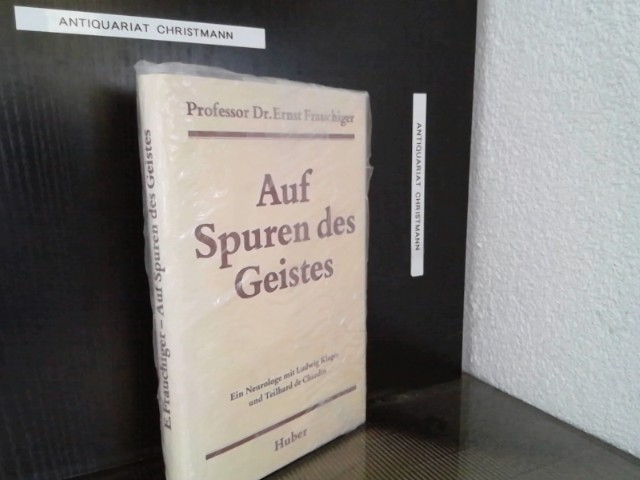
1974réf. 140455Huber Hans, 1974. 239 S. Gr.-8°, Leinen mit OU
réf. 12400Walter-Verlag, 1964. In-8* , reliure toile editeur.Bon etat ( exemplaire de bibliotheque ).
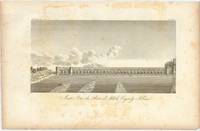
réf. 66186Paris: de l'Imprimerie de le Normant 1811. Original copper engraving on laid paper 51 x 33 cm. overall. The Allahverdi Khan Bridge popularly known as Si-o-se-pol is the largest of the eleven historical bridges on the Zayanderud the largest river of the Iranian Plateau in Isfahan. The bridge was built in the early 17th century to serve as both a bridge and a dam. In good condition some foxing to margins. Originally issued in the atlas volume of 'Voyages du Chevalier Chardin en Perse et autres lieux de l'Orient enrichis d'un grand nombre de belles figures en taille-douce représentant les Antiquités et les choses remarquables du pays. Nouvelle Édition.par L. Langlès.' [Paris: de l'Imprimerie de le Normant, 1811]. unknown
réf. 208563Paris, Champion, 1929 in-8, 211-[3] pp., portrait-frontispice, 3 cartes h.-t., demi-percaline brune, dos muet (rel. modeste de l'époque). Coupes et coins usés. Charnières internes ouvertes.
réf. SLIVCN-9782020485548POINTS
réf. Z117963MLWBroché bon état .Contenu propre . Page de garde abîmée . Pages non coupées . 1959.405 pages . PHOTOS SUR DEMANDE
réf. 9782203292895Casterman
1999réf. LFA-126739308Revue de 178 pages, format 220 x 285 mm, illustrée, brochée couverture couleurs, publiée en 1999, bon état
1963réf. LFA-126733324Un ouvrage de 686 pages, format 140 x 205 mm, broché, publiée en 1963, Editions du Seuil (avec référence de bibliothèque)
Paris, Editions du Seuil, 1963. Fort in-8, broché, 686 pp. Bel exemplaire.
réf. 28848Paris, Editions du Seuil, 1963. Fort in-8, broché, 686 pp.
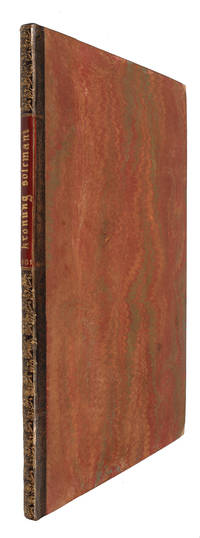
1681réf. 60953Genff Widerhold 1681. Folio 340 x 210 mm. Recently bound in a magnificent pastiche-binding of brown half calf with gilt red leather title-label to elaborately gilt spine. Vellum corners. Title-page with stains. A few marginal repairs not affecting text. 8 82 pp. Exceedingly rare first German translation of Chardin’s “Le Couronnement de Soleimaan troisieme” 1671 - his report on the coronation of the new Persian king and what happened during the first years of his reign. Returning to Persia on the way home to Europe Chardin witnessed the coronation of Suleiman III in 1669. Chardin’s works are considered some of the finest works of early Western scholarship on Iran and the Subcontinent in general and the present work offered Europe a rare glimpse into the customs of the Royal house of Persia. “Chardin details the ceremonies in the present work with a preface that laid out the parallels between the French and Persian monarchies. Chardin portrays a filial bond between the two monarchies. The Persian shah he declares calls “Your Majesty Louis XIV his brother” due to their shared grandeur. Chardin proclaims “The Kind of France is the greatest Emperor in Europe as he the shah is the most powerful Prince in Asia.” He emphasizes his admiration for Persia and its likeness to France: “Of all the vast Empires of the Orient … there is not one that should not yield to Persia for the temperature of the air for genius that is more reasonable than other places and is closest to our own and for all the excellent and rare things that are found there in abundance.” Mokhberi The Persian Mirror Born in Paris in a Hugenot Protestant family Jean Chardin 1643-1713 undertook his travels to Persia because of his father's position as a jeweler and shareholder in the French East India Company. Chardin set out in 1664 traveling through Turkey the Black Sea Georgia and Armenia. Soon after his arrival in Persia he received a commission to create jewelry for Shah Abbas II who died in 1666 and was succeeded by Shah Safi. After witnessing the latter's coronation Described here Chardin went on India and finally returned to Paris in 1670. In 1671 he published an account of the coronation and in the same year set off for Persia again arriving in Isfahan in 1673 and remaining there for several years before once more visiting India and returning home in 1677. With the persecution of the Hugenots in France he moved to England in 1680. "Travel restarted with 17th-century missionaries whose medical and pedagogical expertise helped counterbalance Orthodox or pagan reservations. Dominican Prefects Dortelli D'Ascoli and Giovanni da Lucca 1630s extended Giorgio Interiano's description of Circassia and Abkhazia. Theatine proselytisers targeted Mingrelia/western Georgia Capuchins the eastern provinces - the Vatican's Fide Press further contributed by printing the first Georgian books Chikobava/Vateishvili. Many including mission-head Don Pietro Avitabile 1626-1638 recounted their experiences. Prefect to Mingrelia Joseph Marie Zampi a 23-year denizen from approximately 1645 contributed a third significant source in his description of Mingrelian religious practice. This he handed to Jean Chardin 1643-1713 in 1672. A French traveller who became English! ambassador in Holland Chardin translated and incorporated it as a substantial part of his own description of a sometimes perilous journey through Transcaucasia 1672-3 which reflects Ottoman and Persian influence in western and eastern parts respectively - a Turkish organized slave-trade flourished from various Mingrelian ports. Linguistically Zampi revealingly observed that the ecclesiastical language Georgian was as difficult for even the Mingrelian priesthood to understand as Latin was for Italian peasants!" Speake The Literature of Travel and Exploration 1 199-202. Brunet I 1802 – A later French edition. Graesse II P. 121. hardcover
1681réf. 60953Genff, Widerhold, 1681. Folio (340 x 210 mm). Recently bound in a magnificent pastiche-binding of brown half calf with gilt red leather title-label to elaborately gilt spine. Vellum corners. Title-page with stains. A few marginal repairs, not affecting text. (8), 82 pp.
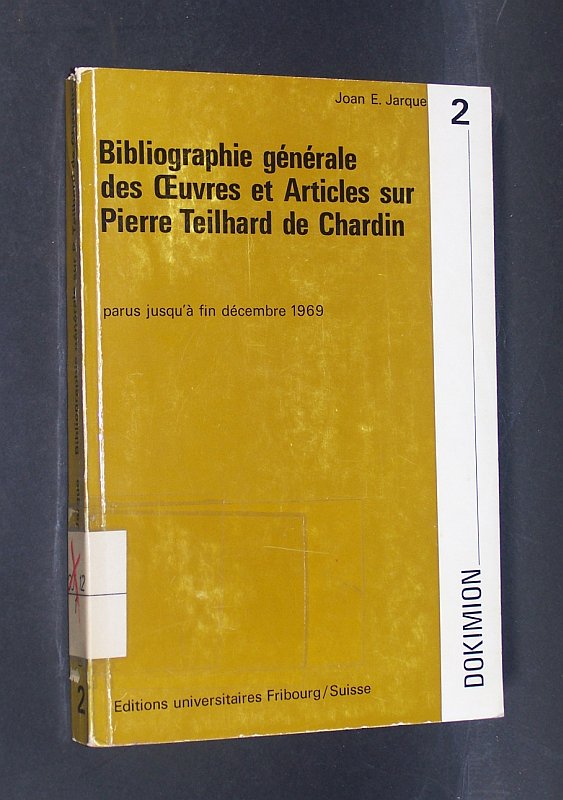
1970réf. 26510Freiburg in der Schweiz, Editions Universitaires 1970. 206 Seiten, Gr. 8° (23 x 16,5 cm), Orig.-Pappeinband
réf. R200079457HENRI GAUTIER. NON DATE. In-12. En feuillets. Etat d'usage, Couv. convenable, Dos satisfaisant, Papier jauni. 36 pages. Quelques rousseurs.. . . . Classification Dewey : 840.04-XVII ème siècle
1827réf. 134231827 P., Chez G. Dufour et Ed. D'Ocagne et Amsterdam, même maison de commerce, 1827, 12 tomes reliés à l'époque en 6 vol. in-18 (136 x 85 mm) 1/2 basane marron, dos lisse, titré "Recueil de Voyages intéressans" et tomaison dorés, plats de papier marbré bleu, tranches marbrées, pagination sur demande.Mors légèrement épidermés, quelques rousseurs éparses, bel exemplaire.
réf. R200108310Editions du parc. Non daté. In-8. Broché. Bon état, Couv. convenable, Dos satisfaisant, Intérieur frais. 302 pages.. . . . Classification Dewey : 840.091-XX ème siècle