10,264 results
1963ref. 170477N.p.: Cinema V. 1963. Two vintage reference photographs from the 1963 film both showing actor Hampton Clanton. Printed mimeo snipes and date stamps on the versos. Based on the 1960 play by Warren Miller and Robert Rossen which was based on Miller's 1959 novel. The second feature to be directed by independent filmmaker Shirley Clarke following "The Connection" 1961. Both films were statements on the limitations of cinema verite and while appearing improvisational were in fact semi-documentaries with carefully scripted dialogue. Clarke aspired to make a non-judgmental film that resisted the moralizing prevalent in Hollywood "social issue" films. It was the first film to be produced by Frederick Wiseman who would go on to become a legendary documentary filmmaker and was scored by noted jazz composer and pianist Mal Waldron with performances by trumpeter Dizzy Gillespie. Set and shot on location in New York. 8 x 10 inches. Very Good plus. National Film Registry. Cinema V. unknown books
1963ref. 151276N.p.: N.p. 1963. Vintage reference photograph of director Robert Wise and actress Julie Harris on the set of the 1963 film. With manuscript ink annotations on the verso. From the archive of film historian and author Joel Finler. Based on Shirley Jackson's 1959 novel "The Haunting of Hill House." A group of disparate individuals are invited to a purportedly haunted house by a paramormal investigator. Set in Massachusetts shot on location in Ettington Park in Warwickshire UK. 8 x 10 inches. Very Good plus. Scorsese The Dark Eleven. Spicer US. N.p. unknown
1963ref. 151276N.p.: N.p. 1963. Vintage reference photograph of director Robert Wise and actress Julie Harris on the set of the 1963 film. With manuscript ink annotations on the verso. From the archive of film historian and author Joel Finler. Based on Shirley Jackson's 1959 novel "The Haunting of Hill House." A group of disparate individuals are invited to a purportedly haunted house by a paramormal investigator. Set in Massachusetts shot on location in Ettington Park in Warwickshire UK. 8 x 10 inches. Very Good plus. Scorsese The Dark Eleven. Spicer US. N.p. unknown books
1965ref. 132061Beverly Hills CA: Metro-Goldwyn-Mayer MGM 1965. Eight vintage full-color still British front-of-house cards from the 1965 film. Something of an antecedent to Hal Ashby's "Being There" 1981 in which a bumbling idiot inherits a fortune and becomes a high-ranking government official 8 x 10 inches. Faint creases to most else Near Fine. Metro-Goldwyn-Mayer [MGM] unknown books
1949ref. 157066Burbank CA: Warner Brothers 1949. Second Revised Temporary script for the 1949 film seen here under the working title "Always Sweethearts." An Irish horse trainer and his niece take a liking to a young Kentucky thoroughbred named Seabiscuit deciding to convince the horse's owner to let them train the horse for races. A loosely fictionalized account of prizewinning racehorse Seabiscuit incorporating black-and-white footage of Seabiscuit in several races including the 1940 Santa Anita Handicap and the 1938 race against War Admiral. Set in Kentucky shot on location in Los Angeles and Arcadia. Beige titled wrappers noted as 2nd Rev. Temp. on the front wrapper dated Feb. 28 1949. Distribution page present with receipt removed. Title page present undated with credits for screenwriter John Taintor Foote. 136 leaves with last page of text numbered 132. Mimeograph duplication on yellow stock rectos only. Pages Near Fine wrapper Very Good plus bound with two gold brads. Warner Brothers unknown books
1958ref. 141434Tokyo: Nikkatsu 1958. Draft script for the 1958 film. Text in Japanese. Based on a novel by Shinju Fujiwara. Five people assemble ten years after the end of the Pacific War at a military station to uncover a stash of morphine worth a fortune now whcih was buried by the medical officer Mashimoto at the abdication of the Emperor. One of members of the group does not belong there. Orange titled perfect-bound wrappers. Title page present. 131 leaves with last page of text numbered 46. Mechanical duplication. Pages Near Fine wrapper Near Fine bound with two gold brads. Nikkatsu unknown
1959ref. 141461Tokyo: Nikkatsu 1959. Draft script for the 1959 film. Text in Japanese. Based on Sueko Yasumoto's novel and one of the first examples of media dealing with the plight of zainchi or ethnically Korean Japanese citizens and their identity and struggles. One man has always worked faithfully for the Toho Company and another man is working for an underworld boss trying to scam Toho. They find each other again when one begins trailing and investigating the other. White titled perfect-bound wrappers. Title page present. 177 leaves with last page of text numbered 16. Mechanical duplication. Pages Very Good plus wrapper Very Good plus bound with two staples. Nikkatsu unknown
1958ref. 141432Tokyo: Nikkatsu 1958. Draft script for the 1958 film. Text in Japanese. Title based on a song popularized by the leading actor Frank Nagai. A comedy featuring a drugstore owner who begins an extramarital affair when his wife and child go on vacation. White illustrated titled perfect-bound wrappers. Title page present. 95 leaves with last page of text numbered 18. Mechanical duplication. Pages Near Fine wrapper Near Fine. Nikkatsu unknown
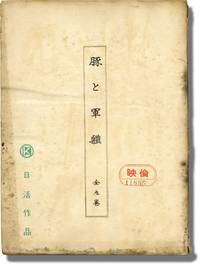
1960ref. 143203Tokyo: Nikkatsu 1960. Post-production script for the 1961 film. Based on the novel by Kazu Otsuka. A literal and metaphorical title to Shohei Imamura's fifth feature depicting postwar Japan's distrust of the west's cultural imperialism and his fascination with the pimps and prostitutes who benefit from the American presence at the naval base Yokosuka. Imamura drew from his own experience as a black market hustler and spent time with gangsters researching the film. Highly controversial upon release Nikkatsu suspended Imamaura from making films for two years with the release of "Pigs and Battleships." Imamura began his film career as an assistant to Yaujiro Ozu a director he veered severely from in style and tone. Imamura quickly realized his interest in focusing on the lower strata of Japanese society seeing himself as more of a cultural anthropologist. Imamura moved on to Japan's oldes major movie studio Nikkatsu and worked as an assistant to Yuzo Kawashima who gave Imamura his first opportunity directing B films targeted toward the postwar youth. Imamura established his own production company in 1965 to free himself of studio interference and is considered a leading figure in Japanese New Wave cinema. Set in Yokosuka. White titled wrappers rubber-stamped production No. 11885. Title page present . 71 leaves with last page of text numbered 9-5. Mechanical duplication. Pages Fine wrapper Very Good mild foxing and mold spores along spine both wrappers and paper edge. Criterion Collection 472. Eureka Masters of Cinema 21. Nikkatsu unknown
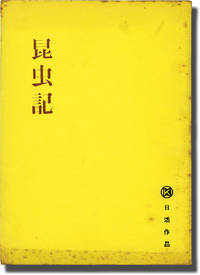
1963ref. 141423Tokyo: Nikkatsu 1963. Draft script for the 1963 film. Text in Japanese. A metaphor for the experience of Japanese citizens in the postwar era told through the perspective of a woman named Tome born into a lower class family. She finds herself in a cycle of self-defeat repeating the same mistakes that have always plagued her. Yellow titled perfect-bound wrappers. Title page present. 156 leaves with last page of text numbered 29. Mechanical duplication. Pages Near Fine wrapper Near Fine. Criterion Collection 473. Eureka 22. Nikkatsu unknown
1966ref. 161304Tokyo: Nikkatsu 1966. Two vintage reference photographs from the 1966 Japanese film. One with annotations in manuscript pencil on the verso identifying the film and director. From the archive of film historian and author Joel Finler. A disillusioned pornographer tries to stay out of the clutches of the local mob while taking care of his ailing landlady and her children secretly spending time with his mistress and lusting after his teenage stepdaughter. 10 x 8 inches. Near Fine. Criterion Collection 207. Nikkatsu unknown
1966ref. 141453Tokyo: Toho Company 1966. Draft script for the 1966 film. Text in Japanese. A pornographer is keeping a low profile to keep out of the way of the mob while also is trying to keep the various people in his life happy including his stepdaughter stepson mistress and wife who believes her first husband was reincarnated as a carp. White titled perfect-bound wrappers. Title page present. 178 leaves with last page of text numbered 27. Mechanical duplication. Pages Near Fine wrapper Near Fine. Criterion Collection 207. Toho Company unknown
ref. 141462Tokyo: Imamura Productions 1980. Draft script for the 1981 film. Text in Japanese. A period drama featuring a man returning from exile in America during the Edo era and begins searching for his wife. He gets caught up in revolutionary fervor and his emotions get the best of him. Orange titled perfect-bound wrappers rubber stamped production number 133 dated 1980. Title page present. 201 leaves with last page of text numbered 192. Mechanical duplication. Pages Very Good plus wrapper Very Good plus. Imamura Productions unknown
1960ref. 143203Tokyo: Nikkatsu 1960. Post-production script for the 1961 film. Based on the novel by Kazu Otsuka. A literal and metaphorical title to Shohei Imamura's fifth feature depicting postwar Japan's distrust of the west's cultural imperialism and his fascination with the pimps and prostitutes who benefit from the American presence at the naval base Yokosuka. Imamura drew from his own experience as a black market hustler and spent time with gangsters researching the film. Highly controversial upon release Nikkatsu suspended Imamaura from making films for two years with the release of "Pigs and Battleships." Imamura began his film career as an assistant to Yaujiro Ozu a director he veered severely from in style and tone. Imamura quickly realized his interest in focusing on the lower strata of Japanese society seeing himself as more of a cultural anthropologist. Imamura moved on to Japan's oldes major movie studio Nikkatsu and worked as an assistant to Yuzo Kawashima who gave Imamura his first opportunity directing B films targeted toward the postwar youth. Imamura established his own production company in 1965 to free himself of studio interference and is considered a leading figure in Japanese New Wave cinema. Set in Yokosuka. White titled wrappers rubber-stamped production No. 11885. Title page present . 71 leaves with last page of text numbered 9-5. Mechanical duplication. Pages Fine wrapper Very Good mild foxing and mold spores along spine both wrappers and paper edge. Criterion Collection 472. Eureka Masters of Cinema 21. Nikkatsu unknown books
1966ref. 157627Tokyo: Nikkatsu 1966. Four vintage borderless reference photographs from the 1966 Japanese film. Stamps of Nikkatsu Productions on the verso along with annotations in manuscript ink. A disillusioned pornographer tries to stay out of the clutches of the local mob while taking care of his ailing landlady and her children secretly spending time with his mistress and lusting after his teenage stepdaughter. 6 x 4.25 inches. Near Fine. Criterion Collection 207. Nikkatsu unknown books
1966ref. 161304Tokyo: Nikkatsu 1966. Two vintage reference photographs from the 1966 Japanese film. One with annotations in manuscript pencil on the verso identifying the film and director. From the archive of film historian and author Joel Finler. A disillusioned pornographer tries to stay out of the clutches of the local mob while taking care of his ailing landlady and her children secretly spending time with his mistress and lusting after his teenage stepdaughter. 10 x 8 inches. Near Fine. Criterion Collection 207. Nikkatsu unknown books
1959ref. 141461Tokyo: Nikkatsu 1959. Draft script for the 1959 film. Text in Japanese. Based on Sueko Yasumoto's novel and one of the first examples of media dealing with the plight of zainchi or ethnically Korean Japanese citizens and their identity and struggles. One man has always worked faithfully for the Toho Company and another man is working for an underworld boss trying to scam Toho. They find each other again when one begins trailing and investigating the other. White titled perfect-bound wrappers. Title page present. 177 leaves with last page of text numbered 16. Mechanical duplication. Pages Very Good plus wrapper Very Good plus bound with two staples. Nikkatsu unknown books
1963ref. 141423Tokyo: Nikkatsu 1963. Draft script for the 1963 film. Text in Japanese. A metaphor for the experience of Japanese citizens in the postwar era told through the perspective of a woman named Tome born into a lower class family. She finds herself in a cycle of self-defeat repeating the same mistakes that have always plagued her. Yellow titled perfect-bound wrappers. Title page present. 156 leaves with last page of text numbered 29. Mechanical duplication. Pages Near Fine wrapper Near Fine. Criterion Collection 473. Eureka 22. Nikkatsu unknown books
1966ref. 141453Tokyo: Toho Company 1966. Draft script for the 1966 film. Text in Japanese. A pornographer is keeping a low profile to keep out of the way of the mob while also is trying to keep the various people in his life happy including his stepdaughter stepson mistress and wife who believes her first husband was reincarnated as a carp. White titled perfect-bound wrappers. Title page present. 178 leaves with last page of text numbered 27. Mechanical duplication. Pages Near Fine wrapper Near Fine. Criterion Collection 207. Toho Company unknown books
1958ref. 141432Tokyo: Nikkatsu 1958. Draft script for the 1958 film. Text in Japanese. Title based on a song popularized by the leading actor Frank Nagai. A comedy featuring a drugstore owner who begins an extramarital affair when his wife and child go on vacation. White illustrated titled perfect-bound wrappers. Title page present. 95 leaves with last page of text numbered 18. Mechanical duplication. Pages Near Fine wrapper Near Fine. Nikkatsu unknown books
1958ref. 141434Tokyo: Nikkatsu 1958. Draft script for the 1958 film. Text in Japanese. Based on a novel by Shinju Fujiwara. Five people assemble ten years after the end of the Pacific War at a military station to uncover a stash of morphine worth a fortune now whcih was buried by the medical officer Mashimoto at the abdication of the Emperor. One of members of the group does not belong there. Orange titled perfect-bound wrappers. Title page present. 131 leaves with last page of text numbered 46. Mechanical duplication. Pages Near Fine wrapper Near Fine bound with two gold brads. Nikkatsu unknown books
1987ref. 141451Tokyo: Imamura Productions 1987. Draft script for the 1987 film. Text in Japanese. The greatest pimp in all of Japanese history Iheji Muraoka also known as Zegen or the "Boss of the South Seas" grew in power as Japan grew. Not only were his achievements contributing to his mantle of success but he believed they advanced the global ambitions of his nation promoting patriotic interests. Blue titled perfect-bound wrappers. Title page present. 149 leaves with last page of text numbered 139. Mechanical duplication. Pages Near Fine wrapper Near Fine. Imamura Productions unknown books
ref. 141462Tokyo: Imamura Productions 1980. Draft script for the 1981 film. Text in Japanese. A period drama featuring a man returning from exile in America during the Edo era and begins searching for his wife. He gets caught up in revolutionary fervor and his emotions get the best of him. Orange titled perfect-bound wrappers rubber stamped production number 133 dated 1980. Title page present. 201 leaves with last page of text numbered 192. Mechanical duplication. Pages Very Good plus wrapper Very Good plus. Imamura Productions unknown books
1985ref. 170772Tokyo: Nikkatsu 1985. 14 vintage reference photographs from the 1985 Japanese pink film. An office worker is kidnapped by bank robbers and erotic hijinks ensue. A mid-career release by noted pink film director Shûji Kataoka. 6 x 4.25 inches. Very Good plus eight with single pinholes at the corners with some faint scattered foxing and light toning to the versos. Nikkatsu unknown
1985ref. 170772Tokyo: Nikkatsu 1985. 14 vintage reference photographs from the 1985 Japanese pink film. An office worker is kidnapped by bank robbers and erotic hijinks ensue. A mid-career release by noted pink film director Shûji Kataoka. 6 x 4.25 inches. Very Good plus eight with single pinholes at the corners with some faint scattered foxing and light toning to the versos. Nikkatsu unknown books