PlanetaBiblio.com

3,109 results
ref. BN681900Russian Cooking Russian Cooking Planeta unknown
ref. AJ16662POCHE COMME NEUF
2006ref. Q-1741041511Lonely Planet 2006-03-01. Paperback. New. In shrink wrap. Looks like an interesting title! Lonely Planet paperback
In-8, 86 p., broché, couv. Bel exemplaire. [NV-10]
1950ref. RO80242733Réalisme. 1950. In-8. Broché. Bon état, Couv. légèrement passée, Dos satisfaisant, Intérieur acceptable. 32 pages.. . . . Classification Dewey : 70.491-Planète, janus, plexus
in-12, VIII-415 pp., reliure demi-percaline, dos lisse titre et filets dorés. Bel exemplaire. [DV-SM] Edition parue la même année que l"édition originale.
1877ref. 129Paris, Didier, 1877 ; in-12 ; demie-basane vert bouteille, dos à nerfs orné de fleurons dorés, titre doré (reliure de l'époque) ; VIII pp., 415 pp., (2) ff. de catalogue, frontispice de Gustave Doré.
ref. Juanpebooks027094WE ship worldwide. Brand new 100%guarentee unknown
ref. PrakashN-9781786572554Lonely Planet. PAPER BACK. New. ENGLISH Lonely Planet unknown
ref. PrakashN-9781786572554Lonely Planet. PAPER BACK. New. ENGLISH Lonely Planet unknown
1998ref. R320138838Media presse informations. 1998. In-4. Broché. Bon état, Couv. convenable, Dos satisfaisant, Intérieur frais. 161 pages - nombreuses illustrations en couleurs dans le texte.. . . . Classification Dewey : 70.491-Planète, janus, plexus
1964ref. 27563Etats-Unis, New Rochelle, NewYork, Editions Arlington House 1973. Fort in-8 cartonnage éditeur de 512 pages au format 16 x 3,5 x 24 cm. Plats muets. Dos rond avec titre. Complet de la jaquette illustrée par Marge Terracciano. Etude par David Zinman consacrée aux Héros et Films, populaires des années 30, jusqu'aux années 70, dont : Tarzan - Sherlock Holmes, Frankenstein - La Momie ( The Mummy ) - La Planète des Singes ( Planet of the Apes ) - Cisco Kid - Fu-Manchu - James Bond, etc. Chaque film ou étude est enrichi de nombreuses photographies en noir ( Basil Rathbone, Peter Cushing, Sean Connery, Lon Chaney, Johnny Weismuller, Charlton Heston, etc. Index, filmographie et bibliographie en fin d'ouvrage. Edition originale américaine en superbe état général.
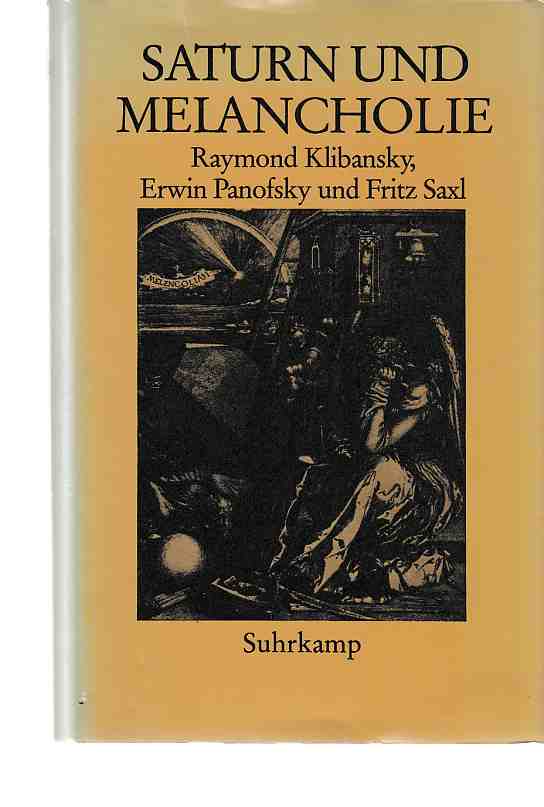
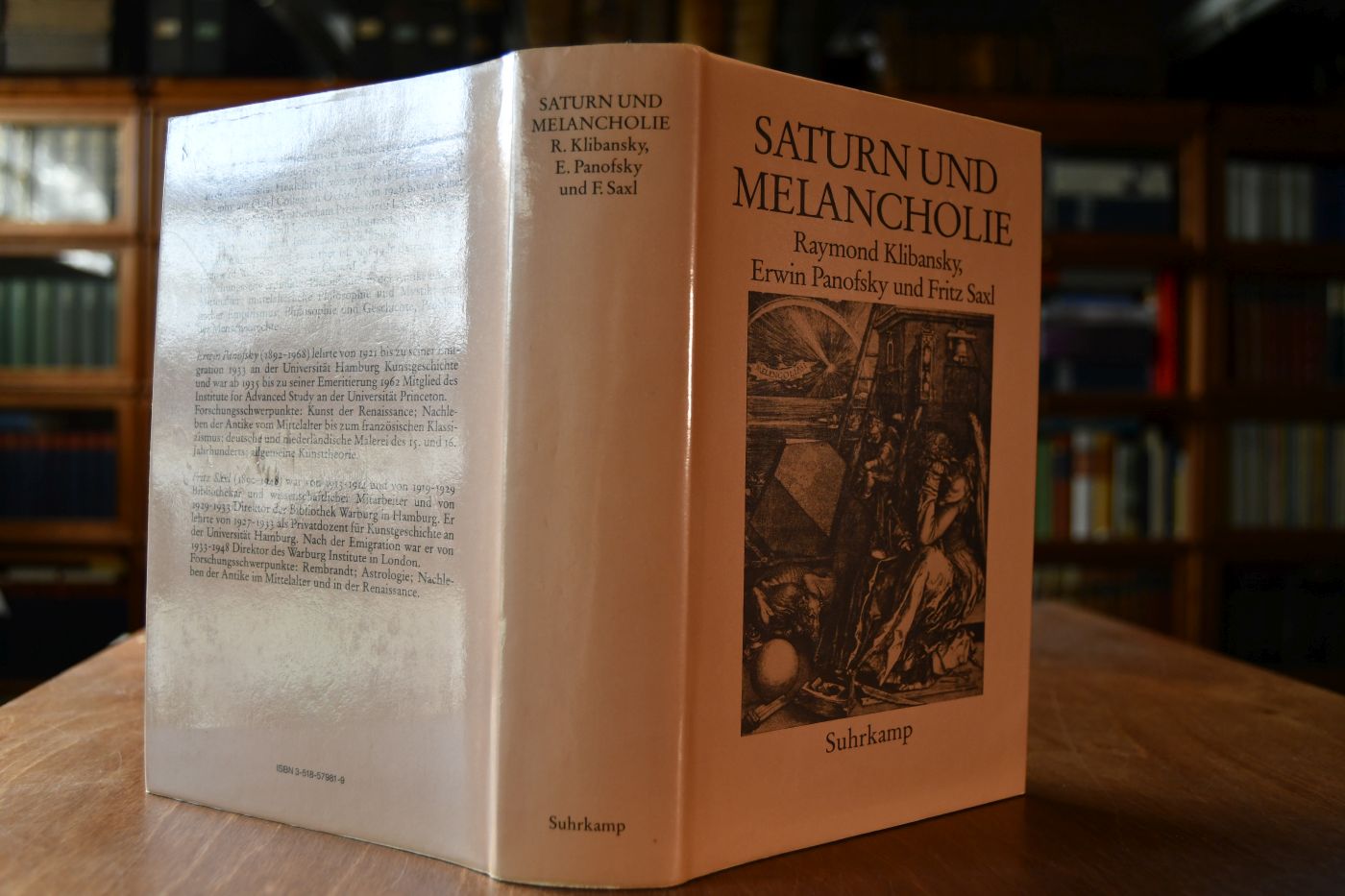
1990ref. 1148045Frankfurt am Main : Suhrkamp, 1990. 640 S. : 155 Ill. ; 22 cm. Originalleinen mit illustr. Schutzumschlag.
1990ref. 168578Frankfurt am Main : Suhrkamp Verlag, 1990. 640 S. : 155 Ill. Gebundene Ausgabe, Leinen, SU.
1990ref. 12100Frankfurt am Main : Suhrkamp 1990. 640 S. : 155 Abbildungen. ; 22 cm, mit Schutzumschlag Gewebe, gebundene Ausgabe, Leinen, Exemplar in gutem Erhaltungszustand
1992ref. 156239Frankfurt am Main : Suhrkamp. 1992. 640 S. : Ill. 17,5*10,5 cm. OBroschur.
1990ref. 42387Frankfurt am Main, Suhrkamp, 1990. 2. Aufl. 640 S. mit 155 Ill. 22 x 15 cm, Leinen mit OSchU [4 Warenabbildungen]
2006ref. 906001Darmstadt: Primus, 2006. 144 S. mit Ill., graph. Darst., gebundene Ausgabe.
petit in-4, 32 p., abdt ill. in-t. coul., cartonnage illustré. Très bel exemplaire. [WE-2]
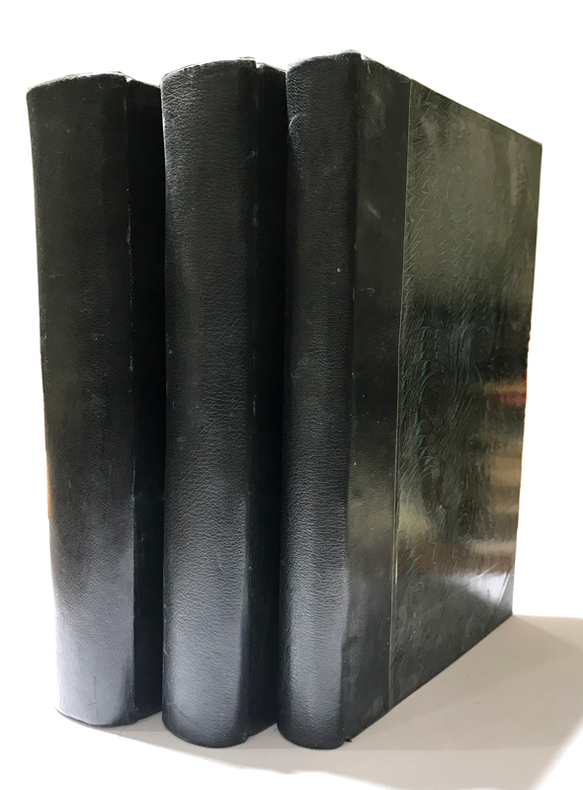
ref. 15424Paris, Bibliothèque Chacornac (La Roche sur Yon, Vendée, Petite Imprimerie Vendéenne ; puis Mayenne, Imprimerie Ch. Colin ; puis Paris, Imprimerie Bonvalot-Jouve) ; 1904 - 1905 - 1906 ; 3 volumes in-8 ; demi-veau vert foncé et coins de percaline verte, dos muet (reliure ancienne). 1904 : N°1 à 12 : (4) faux-titre et titre général, 576 pp. et astrolable mobile de 2 volvelles. 1905 : N°1 à 12 : (4), 576 pp. 1906 : N°1 à 11-12 : 384 pp. Très nombreuses figures.
ref. 15425Paris, Bibliothèque Chacornac, 1904 - 1905 - 1906 ; in-8, broché ; nous avons : 1904 : N°1 (janvier 1904), 48 pp., absence du dos de la couverture et petites pertes ; N°6 (juin 1904) : pp.241-288, couverture fragile ; N°7 (juillet 1904) : pp.289-336, 2 galeries de vers dans la marge extérieure, loin du texte, couverture fragile ; N°9 (septembre 1904) : pp.385-432 ; 1905 : N°5 (mai-juin 1905) ; N°7 (juillet-août 1905) ; N°8 (septembre 1905) ; N°9 (octobre 1905) ; N°10 (novembre 1905) ; N°11 (decembre 1905) ; bon état ; 1906 : N°1 (février 1906), absence de la couverture.
2010ref. LFA-126742554Une revue de 138 pages, format 185 x 240 mm, illustrée, brochée couverture couleurs, bon état
2001ref. 93372001. Planet of the Apes dinner-scene bowl and fork created for Tim Burton's 2001 film contribute to the production's visualization of an ape-controlled civilization in which human beings are enslaved and treated as an inferior species. The objects belong to the film's extensively designed domestic culture extending its reversal of human and animal hierarchies into ordinary acts of dining and hospitality. Production accounts describe Ape City as a thoroughly imagined environment filled with purpose-built architectural and household detail making such tableware part of the visual system through which the film gave physical form to ape social power aesthetics and everyday life. Two production props attributed to the dinner scene in Planet of the Apes. United States: Twentieth Century Fox and The Zanuck Company 2001. One wooden bowl with metallic surface coating and one fork of an unidentified heavy material the fork measuring approximately 10 inches long; bowl dimensions not supplied. The fork has intricate molded or carved detailing with subtle burgundy coloration while both pieces were deliberately distressed to simulate prolonged use within the fictional setting. Their substantial scale metallic effects ornament and applied wear distinguish the objects from conventional tableware and support the film's presentation of an ape society that combines primitive textures with elaborate ceremonial design. No studio documentation prop tags or certificates are described so the attribution to the dinner scene should be retained as supplied rather than treated as independently verified. Burton's film released in 2001 reworked the premise of Pierre Boulle's novel and the earlier film series for a contemporary audience with production design by Rick Heinrichs and costume design by Colleen Atwood. The bowl's metallic coating and the fork's burgundy-toned ornament preserve the production's emphasis on tactile visibly aged surfaces rather than modern industrial uniformity. Both pieces retain intentional production-applied wear; no additional breaks losses repairs or post-production damage are identified very good. Visually distinctive pair of screen-attributed props illustrating how the 2001 production constructed ape culture through the design of functional domestic objects. unknown
2001ref. 93372001. Planet of the Apes dinner-scene bowl and fork created for Tim Burton's 2001 film contribute to the production's visualization of an ape-controlled civilization in which human beings are enslaved and treated as an inferior species. The objects belong to the film's extensively designed domestic culture extending its reversal of human and animal hierarchies into ordinary acts of dining and hospitality. Production accounts describe Ape City as a thoroughly imagined environment filled with purpose-built architectural and household detail making such tableware part of the visual system through which the film gave physical form to ape social power aesthetics and everyday life. Two production props attributed to the dinner scene in Planet of the Apes. United States: Twentieth Century Fox and The Zanuck Company 2001. One wooden bowl with metallic surface coating and one fork of an unidentified heavy material the fork measuring approximately 10 inches long; bowl dimensions not supplied. The fork has intricate molded or carved detailing with subtle burgundy coloration while both pieces were deliberately distressed to simulate prolonged use within the fictional setting. Their substantial scale metallic effects ornament and applied wear distinguish the objects from conventional tableware and support the film's presentation of an ape society that combines primitive textures with elaborate ceremonial design. No studio documentation prop tags or certificates are described so the attribution to the dinner scene should be retained as supplied rather than treated as independently verified. Burton's film released in 2001 reworked the premise of Pierre Boulle's novel and the earlier film series for a contemporary audience with production design by Rick Heinrichs and costume design by Colleen Atwood. The bowl's metallic coating and the fork's burgundy-toned ornament preserve the production's emphasis on tactile visibly aged surfaces rather than modern industrial uniformity. Both pieces retain intentional production-applied wear; no additional breaks losses repairs or post-production damage are identified very good. Visually distinctive pair of screen-attributed props illustrating how the 2001 production constructed ape culture through the design of functional domestic objects. unknown books
1999ref. 6211999 - broché - Publication de l'Ecole française de Rome - Collection de l'Ecole française de Rome N° 260 - 1999 - Fort in-8 (24 x 17 cm) broché - 550 pages - ISBN : 2-7283-0545-5 - Actes du Colloque international s'étant déroulé à Rome du 12 au 14 décembre 1996, en collaboration avec l'Ecole nationale des chartes et l'Istituto italiano per gli studi filosofici