RUATA Guido -MareMagnum

7 774 résultats
1924Milano, 1924, estratto con copertina posticcia muta, pp. 1015/1023 con ill. - !! ATTENZIONE !!: Con il termine estratto (o stralcio) intendiamo riferirci ad un fascicolo contenente un articolo di rivista, sia che esso sia stato stampato a parte utilizzando la stessa composizione sia che provenga direttamente da una rivista. Le pagine sono indicate come "da/a", ad esempio: 229/231 significa che il testo è composto da tre pagine. Quando la rivista di provenienza non viene indicata é perchè ci è sconosciuta. - !! ATTENTION !!: : NOT A BOOK : “estratto” or “stralcio” means simply a few pages, original nonetheless, printed in a magazine. Pages are indicated as in "from” “to", for example: 229/231 means the text comprises three pages (229, 230 and 231). If the magazine that contained the pages is not mentioned, it is because it is unknown to us.
1924Milano, 1924, estratto cop. muta, pp. 1015/1023 con ill. - !! ATTENZIONE !!: Con il termine estratto (o stralcio) intendiamo riferirci ad un fascicolo contenente un articolo, completo in se, sia che esso sia stato stampato a parte utilizzando la stessa composizione sia che provenga direttamente da una rivista. Le pagine sono indicate come "da/a", ad esempio: 229/231 significa che il testo è composto da tre pagine. Quando la rivista di provenienza non viene indicata é perché ci è sconosciuta. - !! ATTENTION !!: : NOT A BOOK : “extract” or “excerpt” means simply a few pages, original nonetheless, printed in a magazine. Pages are indicated as in "from” “to", for example: 229/231 means the text comprises three pages (229, 230 and 231). If the magazine that contained the pages is not mentioned, it is because it is unknown to us.
1861réf. 4503Milano: Ed. del Politecnico 1861. Cm. 25 pp. xxi 103 1. Una tavola incisa all'antiporta. Bross. orig. ornata. Ottima conservazione in barbe. Ed. del Politecnico unknown
1861réf. 4502Milano 1861. Cm. 24 pp. xxxii 103 1. Antiporta incisa. Solida leg. in cartonato rigido posteriore con titoli in oro al dorso. Ottima copia. unknown
2018ill., br. Il massaggio infantile è un'arte antica praticata in tantissime parti del mondo. Negli ultimi 40 anni, grazie a pionieri come Frédérick Leboyer ed Eva Reich, questa pratica è arrivata anche a noi e ha potuto svilupparsi, entrando nelle case e nelle abitudini quotidiane di mamme e bambini. L'obiettivo principale del massaggio del bebè è quello di rafforzare la sintonia già esistente tra genitori e bimbi, soprattutto nei casi in cui siano stati separati fisicamente subito dopo la nascita, e contribuire alla creazione di un legame. "Amore a fior di pelle" di Barbara Bonci è il libro per imparare a praticare il massaggio infantile e per scoprirne i tanti benefici a livello psichico e fisico.
réf. 80668Firenze: Sansoni anni '50. Nove volumetti di cm. 17 pp. 40 ca. mediamente ciascuno. Con illustrazioni. Bross. orig. decirata. Ottima conservazione. Disponibile i seguenti numeri della serie: III V XI XIV XXII XXIII XXVI XXIX XXXIII Sansoni unknown
2014La Casa di San Giorgio di Genova ha svolto per quattro secoli (1407-1805) un ruolo fiscale degno di uno stato ed una attività bancaria d'avanguardia; ciò ha richiesto numeroso personale (oltre mezzo migliaio di unità) e adeguata struttura. Lo statuto qui presentato è quello che la Casa adottò nel 1568 e rappresenta, per anno di stampa e contenuto, il più antico testo conosciuto di organizzazione amministrativa ed uno straordinario osservatorio dei rapporti sociali del tempo. For four centuries (1407-1805), the Casa di San Giorgio of Genoa managed the tax administration of the State and conducted innovative banking activities, that required a great number of employees and a suitable structure. The Statute here published is the one that the Casa adopted in 1568; for its date and content, it represents the oldest known text of administrative organization, and an extraordinary document of the social relationships of the time. Biblioteca dell'«Archivio storico italiano» 36 cm 17 x 24, vi-218 pp. con 176 figg. n.t.
2008120 pages. Features: Reverend John MacLean and the Bloods; The Potters of Zuni Pueblo of the 1920s and 1930s; New Native American Art Galleries at the Detroit Institute of Arts; Manifest Sovereignty - "Diversity and dialogue" at the Eiteljorg Museum; and more. Clean and unmarked with moderate wear. A quality copy. Magazine
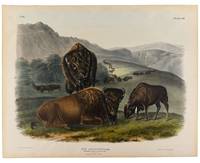
réf. 280693Contentum Ltd. Loose sheet. New. High-quality art print based on an original work from the Met. Created in the 19th century 1860. Professionally printed on premium fine-art paper Museum Etching museum quality in size A2. The artwork is printed with a white border museum-style presentation. Contentum Ltd. unknown
réf. 280692Contentum Ltd. Loose sheet. New. High-quality art print based on an original work from the Met. Created in the 19th century 1860. Professionally printed on premium fine-art paper Photo Rag Bright White premium quality in size A2. The artwork is printed with a white border museum-style presentation. Contentum Ltd. unknown
réf. 280690Contentum Ltd. Loose sheet. New. High-quality art print based on an original work from the Met. Created in the 19th century 1860. Professionally printed on premium fine-art paper Museum Etching museum quality in size A3. The artwork is printed with a white border museum-style presentation. Contentum Ltd. unknown
réf. 280691Contentum Ltd. Loose sheet. New. High-quality art print based on an original work from the Met. Created in the 19th century 1860. Professionally printed on premium fine-art paper Photo Matt Fibre in size A2. The artwork is printed with a white border museum-style presentation. Contentum Ltd. unknown
1849réf. 42915New York: John James Audubon 1849. First edition hand-colored lithograph by John T. Bowen of Philadelphia after John James Audubon. An iconic image of Western Americana from the folio first edition of Audubon's "Quadrupeds of North America" the greatest work of natural history illustration produced in America during the nineteenth century: "As long as our civilization lasts America will be in debt to this genius." Peterson This fine plate is from the folio edition of Audubon's The Viviparous Quadrupeds of North America which was produced entirely in the United States. The work was Audubon's last and by 1846 he had to hand over the drawing of the final fifty plates to his sons John Woodhouse and Victor Audubon. The production of the Quadrupeds was begun by Audubon and his sons at about the same time as the commercially-successful octavo edition of The Birds of America. Unlike the double-elephant folio the Quadrupeds was produced entirely in the United States. Reese notes that "By 1843 the Audubon family business was a well-oiled machine involving John James his two sons and various in-laws and friends. The octavo Birds was still in production when Bowen began to produce the plates for the folio edition of the Quadrupeds the largest successful color-plate book project of 19th-century America. It took the family five years to publish 150 plates in thirty parts. The massive project was a commercial success thanks to the close management of Victor. There were about three hundred subscribers." Reese Like Birds of America the Viviparous Quadrupeds was intended to be a comprehensive visual catalog of North America animalia with Audubon's focus here shifting from birds to four-legged land mammals. Accompanying each image was correlating didactic text written primarily by Bachman that informed the reader of the animal's habits diet habitat and gestational period. Totaling 150 prints the project was rushed to completion as Audubon's health declined. Emerging in the shadow of its acclaimed predecessor Birds of America the Viviparous Quadrupeds has not received the adequate attention nor recognition it so richly deserves. This image is of a family of American buffalo the most iconic animal indigenous to North America whose presence was integral for Native American life and whose near-extinction spurred on the conservation movement in the US. The buffalo is today the state animal of Kansas Oklahoma and Wyoming. Bennett p.5. Peterson Birds of America passim. Reese Stamped with a National Character 36. Sabin 2367. Wood p.209. John James Audubon unknown books
1849réf. 42915New York: John James Audubon 1849. First edition hand-colored lithograph by John T. Bowen of Philadelphia after John James Audubon. An iconic image of Western Americana from the folio first edition of Audubon's "Quadrupeds of North America" the greatest work of natural history illustration produced in America during the nineteenth century: "As long as our civilization lasts America will be in debt to this genius." Peterson This fine plate is from the folio edition of Audubon's The Viviparous Quadrupeds of North America which was produced entirely in the United States. The work was Audubon's last and by 1846 he had to hand over the drawing of the final fifty plates to his sons John Woodhouse and Victor Audubon. The production of the Quadrupeds was begun by Audubon and his sons at about the same time as the commercially-successful octavo edition of The Birds of America. Unlike the double-elephant folio the Quadrupeds was produced entirely in the United States. Reese notes that "By 1843 the Audubon family business was a well-oiled machine involving John James his two sons and various in-laws and friends. The octavo Birds was still in production when Bowen began to produce the plates for the folio edition of the Quadrupeds the largest successful color-plate book project of 19th-century America. It took the family five years to publish 150 plates in thirty parts. The massive project was a commercial success thanks to the close management of Victor. There were about three hundred subscribers." Reese Like Birds of America the Viviparous Quadrupeds was intended to be a comprehensive visual catalog of North America animalia with Audubon's focus here shifting from birds to four-legged land mammals. Accompanying each image was correlating didactic text written primarily by Bachman that informed the reader of the animal's habits diet habitat and gestational period. Totaling 150 prints the project was rushed to completion as Audubon's health declined. Emerging in the shadow of its acclaimed predecessor Birds of America the Viviparous Quadrupeds has not received the adequate attention nor recognition it so richly deserves. This image is of a family of American buffalo the most iconic animal indigenous to North America whose presence was integral for Native American life and whose near-extinction spurred on the conservation movement in the US. The buffalo is today the state animal of Kansas Oklahoma and Wyoming. Bennett p.5. Peterson Birds of America passim. Reese Stamped with a National Character 36. Sabin 2367. Wood p.209. John James Audubon unknown
1992réf. 20238Rome: Istituto Poligrafico E Zecca Dello Stato. Near Fine in Very Good- dust jacket. Hardcover. Spine slant else book is fine. DJ has a couple of small tears and chipping with light soiling. Sticker damage to near top of DJ spine.; 511pp illustrated. Scritti di: a. Argueta G. Bamonte M. Biscione M. Canevacci S. M. S. Carvalho M. Curatola A. F. Galindo N. Gasbarro S. Gatta M. R. Innico V. Lattanzi G. Mazzoleni M. Menendez L. Paderni J. Rappaport D. Saviola.; 511 pages . 1992. 8824002544 . Istituto Poligrafico E Zecca Dello Stato hardcover
1999réf. Q-1886296170Arrow Publications 1999-06-01. Paperback. New. In shrink wrap. Looks like an interesting title! Arrow Publications paperback
réf. 1275843328.Gpaperback. Good. Access codes and supplements are not guaranteed with used items. May be an ex-library book. paperback
réf. 0548564655.Gpaperback. Good. Access codes and supplements are not guaranteed with used items. May be an ex-library book. paperback
réf. 1163915165.Gpaperback. Good. Access codes and supplements are not guaranteed with used items. May be an ex-library book. paperback
réf. 1241117942.Gpaperback. Good. Access codes and supplements are not guaranteed with used items. May be an ex-library book. paperback
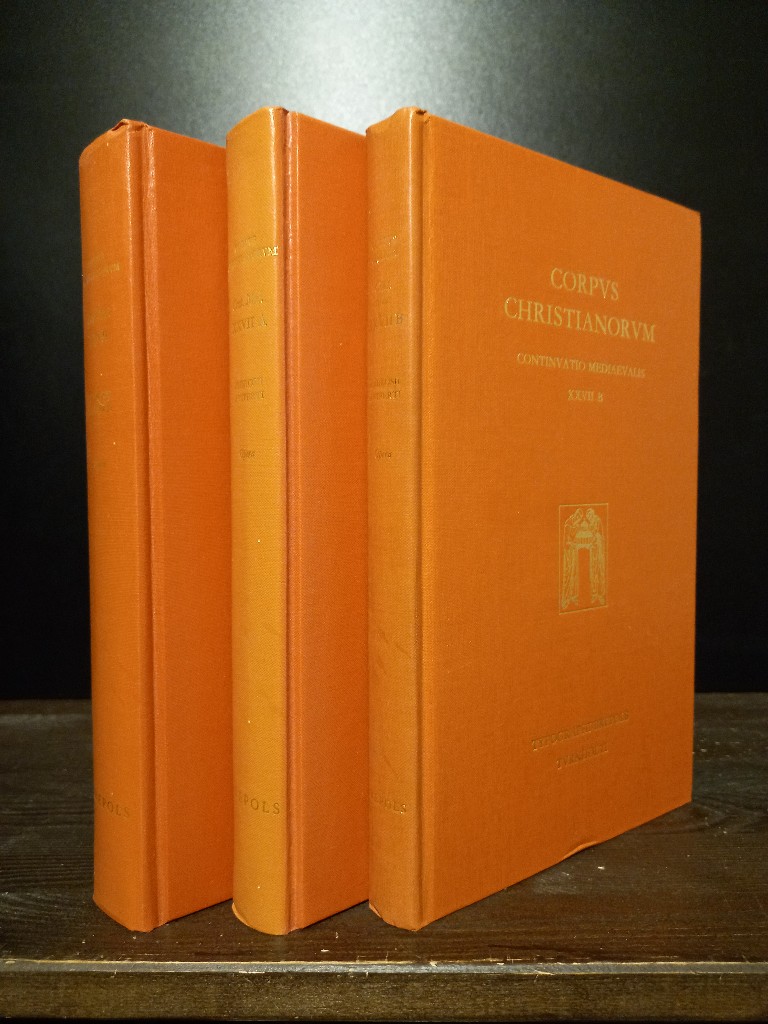
1979réf. 2142622Turnhout: Brepols 1975-1979. XV, (1), 1144, (2) Seiten. Gr. 8° (25,5 x 16 cm). Orig.-Leinenbände mit goldgeprägtem Titel auf Deckeln und Rücken sowie rotgefärbten Kopfschnitten. [Hardcover / fest gebunden].
réf. 0365929581.Gpaperback. Good. Access codes and supplements are not guaranteed with used items. May be an ex-library book. paperback
1986In 8 (20x12,5) Brossura; pp. 130; buono
réf. W2379SLWRELIE TRES BON ETAT . INTERIEUR TRES PROPRE .
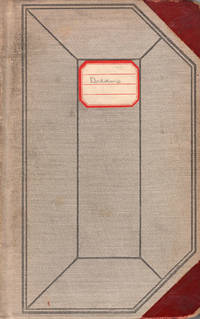
1919réf. 45031N. P. Most Likely Cleveland: Written by Reverend Orville Ernest Watson 1919-1941. 1919-1941. First & only edition. 8vo. Decorated cloth with leather corners two leather spine labels and raised bands 300 pp. with every entry dated and printed in ink. All 300 pages are full to completion as Reverend Watson recounts his dreams. The 300 page diary covers the years 1919 to 1941 and provides a unique and sometimes disturbing glimpse into his thoughts and mind. The dreams as described range from typical dreams that any person may have although a number are about his brother and others are horrific nightmares and the surrealistic. On July 4 1919 he vividly describes a nightmare; on July 23 1919 he recounts a horrible dream about a jealous husband; on March 29 1921 a political dream; on March 21 1923 a sea dream; on Feb. 4 1924 he visits his old home town in his dream; on January 22 1927 a dream that with his brother they visit a cemetery in Cincinnati; and much much more. Orville Ernest Watson was born in Westfield Center Ohio on December 1 1857 the son of Joseph Watson a physician and his wife Eliza or Ella Jane Mills. Orville's three siblings were Clarence Minnie and Jessie. The Watson family moved to Cardington Ohio before 1870 and Orville Watson graduated from Ohio Wesleyan University in 1882. After working as a businessman in Cardington he entered Kenyon College in Gambier Ohio as a theology student in 1889. Following his graduation in 1892 he moved to Cleveland Ohio where he was assistant rector for Trinity Episcopal Church. He eventually returned to Gambier Ohio where he died on May 17 1951. Bookplate of Orville Ernest Watson on front pastedown sheet leather corners lightly rubbed and covers lightly soiled else interior clean neat and solid. Overall a very good tight copy. Written by Reverend Orville Ernest Watson, 1919-1941. hardcover