3 028 résultats
2011réf. 87402HARPER, "HarperCollins Publishers India" | New Delhi 2011 | 14.50 x 22.50 cm | reliure de l'éditeur
1688réf. PHO-2582Paris, Claude Barbin, 1688. Un volume in-4°. Reliure de l’époque, plein veau havane, dos à nerfs orné de caissons de double filet doré fleuronnés, pièce de titre en maroquin, roulette dorée sur coupes, tranches mouchetées rouges, début de fente, des frottements, manque en queue, auréole en marge supérieure de quelques feuillets, petites taches au titre.
1982réf. 2090502124900426Rinsen Bookstore 1982. Soft Cover. Fine. The book is in fine condition. Rinsen Bookstore paperback
1985réf. 87407Snow lion publications | Ithaca (New-York) 1985 | 14.50 x 22.50 cm | broché
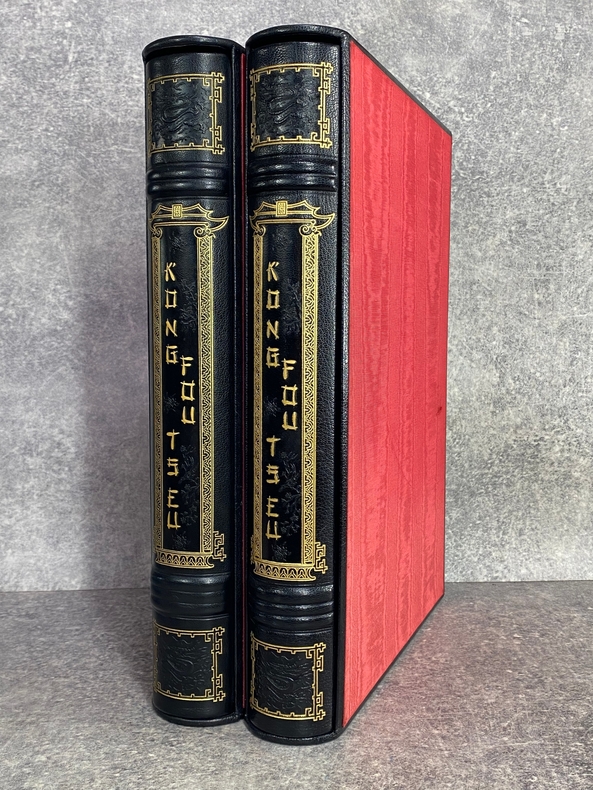
1988réf. 2816MONACO. EDITIONS ARTS ET COULEURS. 1988-1990. 2 VOLUMES IN-FOLIO (30 X 39,5 X 13 CENTIMETRES ENVIRON) DE 140 + (8) ET 134 + (8) PAGES, RELIURE DE L'EDITEUR PLEIN CHAGRIN NOIR, DOS A NERFS ORNE D'UN DECOR A FROID ET EN DORE, TITRE ET TETE DORES, PLATS BISEAUTES ORNES D'UN DECOR A FROID ET EN DORE, LETTRES CHINOISES METALLIQUES LAQUEES EN ROUGE AU CENTRE DES PLATS SUPERIEURS, DENTELLE INTERIEURE DOREE, GARDES DE SOIE MOIREE, NON ROGNES, SOUS ETUI BORDE DE L’EDITEUR RECOUVERT EGALEMENT DE SOIE MOIREE. ILLUSTRE DE NOMBREUSES COMPOSITIONS IN ET HORS-TEXTE, DANS LE STYLE DE L'ENLUMINURE, MISES EN COULEURS A LA MAIN. PREMIER TIRAGE LIMITE A 1280 EXEMPLAIRES NUMEROTES, DONT 30 HORS-COMMERCE, TOUS SUR VELIN D'ARCHES, CELUI-CI PORTANT LE NUMERO 818 ET ACCOMPAGNE DE SON CERTIFICAT D'AUTHENTICITE AU MEME NUMERO SIGNE PAR L'ARTISTE ET L'EDITEUR. TRES BEL EXEMPLAIRE.
1984réf. 2110502151001241Asahishinbunsha 1984. Soft Cover. Fine. Volume: 1 Asahishinbunsha paperback
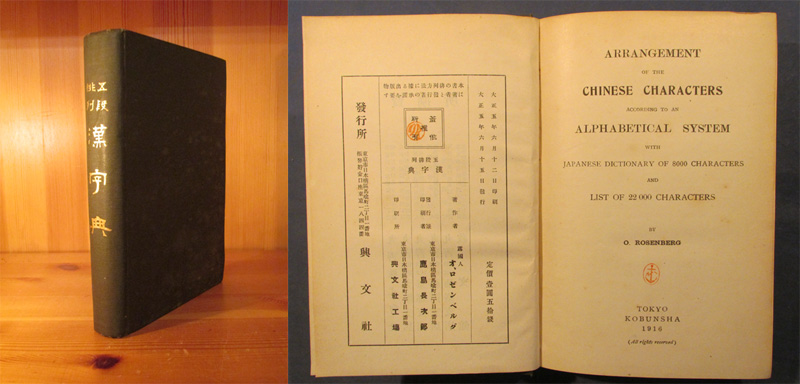
1916réf. SB-13568Tokyo, Kobunsha, 1916. 15, (546) pp. Green clothbound (original) volume with gold-embossed title along spine and blind-tooled publisher's mark on front. Illustrated endpaper with floral ornamentation. Famous study of Russian Orientalist, Sinologist and scholar of Japanese Studies Otto Julius Rosenberg (1888 - 1919) on a system of classification of Chinese characters. Rosenberg studied from 1906 to 1911 at the Institute of Oriental Studies of the University of St. Petersburg, lectured by, among others, the founder of the Russian school of Indology, Sergei Oldenburg (1863 - 1934). During a study stay in Bonn in 1909, Rosenberg befriended Hermann Jacobi (1850-1937), the greatest Indologist and Sanskrit scholar of that time. As part of an internship at the Department of Oriental Languages (SOS) at the Friedrich-Wilhelms-Universität two years later, he also befriended the German linguist and scholar of Japanese studies, Rudolf Lange (1850 - 1933). From 1912 to 1916 he studied Buddhist Literature and Tradition at the University of Tokyo. Here Rosenberg became acquainted with the then leading Buddhist Scholars of Japan. In the course of this stay, he explored the school of Zen Buddhism as one of the first Western scientists and also became an expert for Japanese and Chinese characters used in the writing of Chinese and Japanese. In 1924, his work "The problems of Buddhist philosophy" was published in German. Based on ideas of Russian Sinologist and Buddhologist Vasily Vasilyev (1818 - 1900), Rosenberg developed a method of classification of Chinese and Japanese characters. He published the results of his research in a dictionary which was published in English and Japanese and which formed the basis of the so-called "Four Corner Method", which is still employed today in the creation of Chinese and Japanese dictionaries. This volume is extremely rare and, according to the world's largest bibliographic database, WorldCat, it is only found in six libraries worldwide. The copy offered here was purchased from a Japanese private collection.
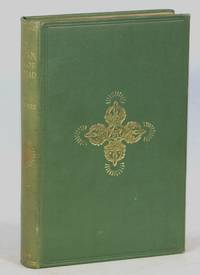
1927réf. 000013000Oxford: Oxford University Press 1927. First English language edition. Hardcover. Near Fine. 8vo. 9 x-xliv 1 2-248 pp. Green cloth with a gold design stamped on the front board the Hindu/Buddhist swastika at the center of the design gold lettering and a gold decoration on the spine; top edge gilt. Title page printed in red and black. Illustrated with a double-sided frontispiece and with several plates of black and white photographs. Foreword by Sir John Woodroffe. World History Encyclopedia Joshua J. Mark "Tibetan Book of the Dead". According to the traditional story Lotus Guru Padmasambhava and a female disciple Yeshe Tsogyal wrote the texts that would become the Bardo Thodol the Tibetan Book of the Dead during the eighth century of the Common Era. The texts became lost to time until they were found and disseminated orally by Karma Lingpa in the fourteenth century. Although written as a guide to assist and comfort the dead the work has taken on a new life as a guide for the living on spiritual transformation and self-improvement. The buddhist text is divided into six sections beginning with the moment of death until the moment that the deceased soul is either reborn or breaks the cycle of reincarnation samsara. The book was intended to shepherd the recently deceased through these cycles of the intermediate stages of reality and was read aloud at funeral rites for either days or weeks at a time by a monk. It was not until the twentieth century that the work was published in English. Walter Evans-Wentz was an anthropologist and scholar of Tibet and sought Dawa-Samdup's help in translating the texts from Tibetan into English. Dawa-Samdup died in 1922 after completing the funerary section of the book and Evans-Wentz filled in the rest accourding to his own knowledge. The Tibetan Book of the Dead is an excellent example of the core tenets of Buddhism and of eastern philosophy in general. A contemporary bookplate on the front pastedown very light foxing to the title page. Overall a beautiful copy. Oxford University Press hardcover
1988réf. 1163MONACO. EDITIONS ARTS ET COULEURS. 1988-1990. 2 VOLUMES IN-FOLIO (30 X 39,5 X 13 CENTIMETRES ENVIRON) DE 140 + (8) ET 134 + (8) PAGES, RELIURES DE L'EDITEUR PLEIN CHAGRIN NOIR ET PLEIN CHAGRIN ROUGE, DOS A NERFS ORNE D'UN DECOR A FROID ET EN DORE, TITRE DORE, PLATS BISEAUTES ORNES D'UN DECOR A FROID ET EN DORE, LETTRES CHINOISES METALLIQUES LAQUEES EN NOIR ET EN ROUGE AU CENTRE DES PLATS SUPERIEURS, DENTELLE INTERIEURE DOREE, TETE DOREE, NON ROGNES, SOUS ETUI BORDE DE L’EDITEUR RECOUVERT DE SOIE MOIREE. ILLUSTRE DE NOMBREUSES COMPOSITIONS IN ET HORS-TEXTE, DANS LE STYLE DE L'ENLUMINURE, MISES EN COULEURS A LA MAIN. PREMIER TIRAGE LIMITE A 1280 EXEMPLAIRES NUMEROTES, DONT 30 HORS-COMMERCE. UN DES 200 SUR VELIN D'ARCHES COMPORTANT UNE PLANCHE HORS-TEXTE, ENCADREE, ET UNE SUITE DU TRAIT EN LAQUE ROUGE DES ILLUSTRATIONS IN ET HORS-TEXTE, CELUI-CI PORTANT LE NUMERO 274 ET ACCOMPAGNE DE SON CERTIFICAT D'AUTHENTICITE AU MEME NUMERO SIGNE PAR L'ARTISTE ET L'EDITEUR. EXEMPLAIRE ENRICHI D'UN ENVOI AU CRAYON DE L'ILLUSTRATEUR : «HOMMAGE DE L'ARTISTE, J. GRADASSI». TRES BEL EXEMPLAIRE.
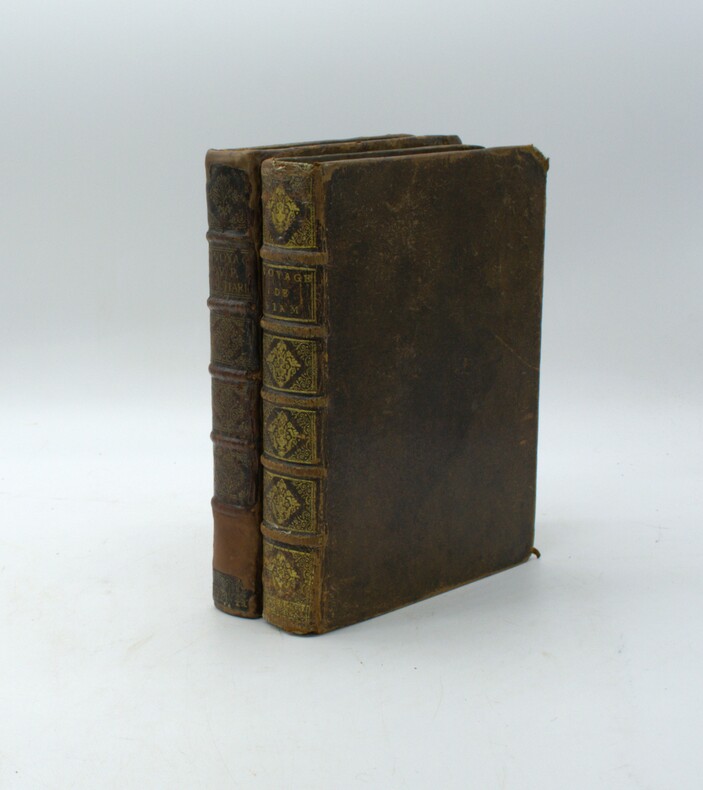
1686réf. PHO-1723Paris, Arnould Seneuze, Daniel Horthemels, 1686-1689, 2 vol. in-4 : 16ff.-424pp. 8ff., 8ff.-416pp.-5ff., illustré de 26 planches (20+6) dont certaines dépliantes ou à double pages, gravées par Cornelis Vermeulen, d'après les dessins de P. Sevin, relié plein veau chiné (légèrement différentes), dos à nerfs orné avec titre, frottements, manques en tête et en queue du tome I, coins du tome I émoussés, dos, mors et coins du tome II réparés, tache d'encre dans les marges inférieures des pp.305-307 du tome I, pl. p. 91 du tome I colorié à la main, déchirure au titre du tome II renforcé.
1983réf. 2091502135303854Daiichishobo 1983. Soft Cover. Fine. Number of books: 13 Daiichishobo paperback
1988réf. 3789NICE. EDITIONS D'ART SEFER. LE CHANT DES SPHERES. MONACO. EDITIONS ARTS ET COULEURS. 1988-1990. 2 VOLUMES IN-FOLIO DE 140 + (8) ET 134 + (8) PAGES, RELIURE DE L'EDITEUR PLEIN CHAGRIN NOIR, DIFFERENTE POUR CHACUN DES 2 VOLUMES (SEFER RELIEUR) :TOME I. DOS A NERFS ORNE D'UN DECOR A FROID ET EN DORE, TITRE DORE, PLATS BISEAUTES ORNES D'UN DECOR A FROID ET EN DORE, LETTRES CHINOISES METALLIQUES LAQUEES EN NOIR ET EN ROUGE AU CENTRE DU PLAT SUPERIEUR, DENTELLE INTERIEURE DOREE, TETE DOREE, NON ROGNE, SOUS EMBOITAGE 1/2 CHAGRIN NOIR (34 X 42,5 X 8,5 CENTIMETRES ENVIRON), DOS IDENTIQUE A CELUI DE L'OUVRAGE, LE RESTE RECOUVERT D'UNE SOIE MOIREE ROUGE. TOME II. DOS ORNE D'UN CAISSON EN CREUX AVEC DECOR FLORAL ET TITRE DORES, PLATS BISEAUTES, PLAT SUPERIEUR RICHEMENT ORNE D'UNE PAGODE EN RELIEF EN ROUGE ET EN DORE, AVEC INCRUSTATIONS DE PLAQUES EMAILLEES A DECOR POLYCHROME D'UNE PAGODE ET DE DRAGONS, TETE DOREE, NON ROGNE, SOUS EMBOITAGE 1/2 CHAGRIN NOIR (33,5 X 40 X 9,5 CENTIMETRES ENVIRON), DOS IDENTIQUE A CELUI DE L'OUVRAGE, LE RESTE RECOUVERT D'UNE SOIE MOIREE ROUGE.ILLUSTRE DE NOMBREUSES COMPOSITIONS IN ET HORS-TEXTE, DANS LE STYLE DE L'ENLUMINURE, MISES EN COULEURS A LA MAIN. PREMIER TIRAGE LIMITE A 1280 EXEMPLAIRES NUMEROTES, DONT 30 HORS-COMMERCE. UN DES 100 SUR VELIN D'ARCHES RESERVES AU CERCLE DES BIBLIOPHILES ARTS ET COULEURS NUMEROTES AC 1 A AC 100, CELUI-CI PORTANT LE NUMERO AC 10 DANS CHACUN DES VOLUMES, ET COMPORTANT 2 ILLUSTRATIONS ORIGINALES SIGNEES, UNE PLANCHE HORS-TEXTE, ENCADREE ET UNE SUITE EN COULEURS DES ILLUSTRATIONS HORS-TEXTE. ACCOMPAGNE DE SON CERTIFICAT D'AUTHENTICITE AU MEME NUMERO SIGNE PAR L'ARTISTE ET L'EDITEUR. LES ILLUSTRATIONS ORIGINALES ET LA SUITE SONT INSEREES DANS DEUX CHEMISES RECOUVERTES DE SUEDINE NOIRE AVEC LE PLAT SUPERIEUR ORNE D'IDEOGRAMMES CHINOIS DORES. INFIMES PETITS DEFAUTS EXTERIEURS SANS GRAVITE, SINON TRES BEL EXEMPLAIRE.
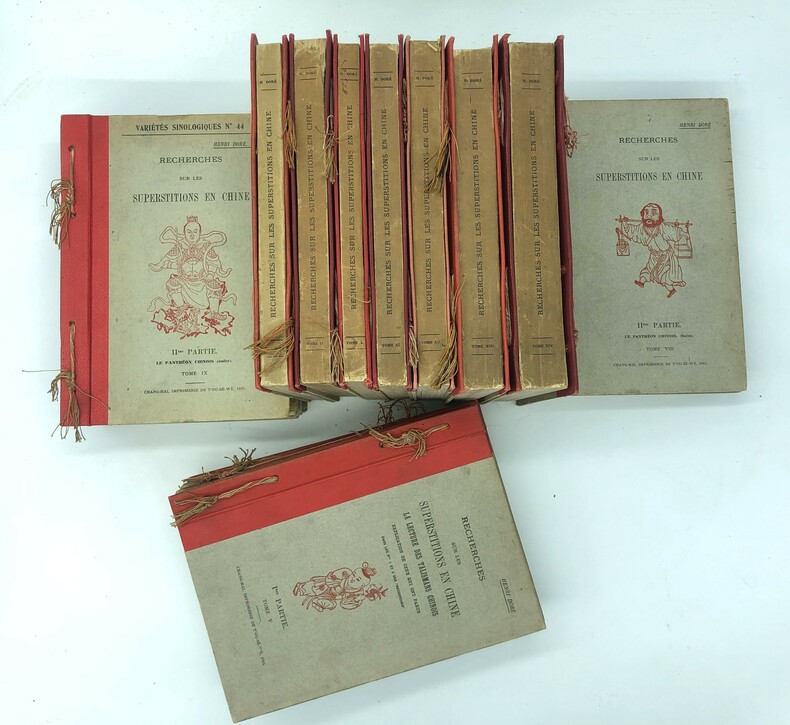
1911réf. PHO-73615 volumes, in-8 (235 x 160 mm)avec une profusion de planches souvent en couleur. Chaque volume est relié de style chinois: des blocs de texte soutenus par des doublures de dos imprimées, placés entre des planches imprimées avec des charnières en tissu rouge et cousus avec des faisceaux de fils à travers quatre trous percés à travers les charnières .
1988réf. 3444NICE. EDITIONS D'ART SEFER. LE CHANT DES SPHERES. MONACO. EDITIONS ARTS ET COULEURS. 1988-1990. 2 VOLUMES IN-FOLIO DE 140 + (8) ET 134 + (8) PAGES, DANS UNE MAGNIFIQUE RELIURE DE L'EDITEUR PLEIN CHAGRIN NOIR, DOS ORNE D'UN CAISSON EN CREUX AVEC DECOR FLORAL ET TITRE DORES, PLATS BISEAUTES, PLAT SUPERIEUR RICHEMENT ORNE D'UNE PAGODE EN RELIEF EN ROUGE ET EN DORE, AVEC INCRUSTATIONS DE PLAQUES EMAILLEES A DECOR POLYCHROME D'UNE PAGODE ET DE DRAGONS, TETE DOREE, NON ROGNES, SOUS EMBOITAGES 1/2 CHAGRIN NOIR (33,5 X 39,5 X 18,5 CENTIMETRES ENVIRON), DOS IDENTIQUES A CELUI DE L'OUVRAGE, LE RESTE RECOUVERT D'UNE SOIE MOIREE ROUGE (SEFER RELIEUR). ILLUSTRE DE NOMBREUSES COMPOSITIONS IN ET HORS-TEXTE, DANS LE STYLE DE L'ENLUMINURE, MISES EN COULEURS A LA MAIN. PREMIER TIRAGE LIMITE A 1280 EXEMPLAIRES NUMEROTES, DONT 30 HORS-COMMERCE. UN DES 150 SUR VELIN D'ARCHES COMPORTANT 2 ILLUSTRATIONS ORIGINALES SIGNEES, UNE PLANCHE HORS-TEXTE, ENCADREE ET UNE SUITE DU TRAIT EN LAQUE ROUGE DES ILLUSTRATIONS IN ET HORS-TEXTE, CELUI-CI PORTANT LE NUMERO 149 ET ACCOMPAGNE DE SON CERTIFICAT D'AUTHENTICITE AU MEME NUMERO SIGNE PAR L'ARTISTE ET L'EDITEUR. LES ILLUSTRATIONS ORIGINALES ET LA SUITE SONT INSEREES DANS UNE CHEMISE RECOUVERTE DE SUEDINE NOIRE AVEC LE PLAT SUPERIEUR ORNE D'IDEOGRAMMES CHINOIS DORES. INFIMES PETITS DEFAUTS EXTERIEURS SANS AUCUNE GRAVITE, SINON SUPERBE EXEMPLAIRE.
1975réf. 2091502135202622Iwao Minamido shoten 1975. Soft Cover. Fine. Size: 22cm Number of books: 21 Iwao Minamido shoten paperback
1997réf. 2091502135703824Hozokan 1997. Soft Cover. Fine. The book is in fine condition. Hozokan paperback
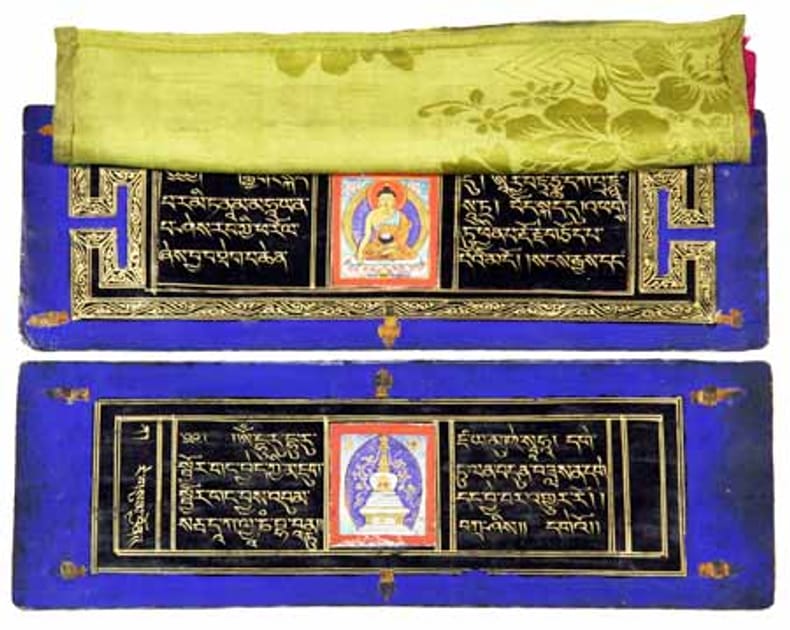
réf. 83817aafTibet, s.d., (vers 1800), 26 x 8.5 cm, 62 (von 63 ?) doppelseitig beschriftete lose Blätter mit Goldschrift auf schwarzem Grund u. dunkelblauer/schwarzer Umrandung, davon 3 Blätter illuminiert (Deckblatt mit 3 verschiedenfarbenen Seidenvorhängen zeigt in der Mitte Shakyamuni, Blatt 2 Subhuti, Blatt 3 einen Stupa), guter Zustand.
1982réf. 2110502150907022Rinsen Bookstore 1982. Soft Cover. Fine. Number of books: 11 Rinsen Bookstore paperback
1976réf. 43497San Francisco CA Buddhist Text Translation Society 1976. Paperback First Edition First Printing so stated. First Edition First Printing so stated. Very Near Fine in Wraps: shows only the most minute indications of use: just a hint of rubbing and the faintest toning to the white background field of the wrapper covers; there is a small very faint thumb smudge at the fore-edge; faint foxing at the top edge. The Binding shows barely discernible lean while remaining perfectly secure; the text is clean. Very close to 'As New'. NOT a Remainder Book-Club or Ex-Library. 8vo. 339pp. Primary Translation by Bhikshuni Heng Yin and reviewed by Bhikshuni Heng Ch'ih. Edited by Bhikshu Heng Kuan and Upasaka Kuo Chou Rounds. Trade Paperback. Buddhist Text Translation Society, paperback
réf. 190864Nara: late 13th century. A superb example of 13th-century printing A well-preserved example of early temple printing in Japan inscribed by Tachibana Otome a daughter of the influential Tachibana family. This type of scroll was printed between the 12th and 14th centuries and this example has the thick bold strokes typical of the process. "Kasuga-ban" scrolls refer to woodblock printed sutras originating in the early-mid Kamakura period. The first examples were produced at Kofuku-ji temple and all contained the word "Kasuga" the patron deity of the temple in their colophons. However over time "the term Kasuga-ban became used more loosely in a wider sense to denote publications of the Nara monasteries in general not only of the Kofuku-ji. The printing of Kasuga-ban in this broader sense flourished throughout the Kamakura period and up to the end of Muromachi ca. 1570" Gardner p. 159. This example was printed using blocks first cut at Kofuku-ji in the Karoku period 1222-1227 sometimes referred to as the "Karoku-ban" set. The inscription at the end of the scroll reveals that it was commissioned by Tachibana Otome. We have traced two other complete chapters with the same inscription held at the National Museum of Japanese History and Tsurumi University Library which were commissioned in approximately 1285. The Tachibana was one of the four noble houses that held the most sway in the Nara and Heian periods although they were eclipsed by the Fujiwara family in the 10th century and scattered across the country. Handscroll 261 mm wide unravelling to 850 cm 19 conjoined text sheets on yellow Japanese paper each approximately 265 x 43 cm contemporary wooden rod dowel and endsheet. Lacking cord. With 17 characters per line; text in Chinese occasional punctuation in red. Manuscript paper labels on endsheet recto. Wrapped in modern cloth and housed in modern wooden box. Signs of age as expected some light staining on endsheet verso worm-holing along top edge especially on sheets 9 and 10 but rarely encroaching on text: a very good example. K. B. Gardner "Centres of Printing in Medieval Japan: late Heian to early Edo period" British Library Occasional Papers 11. Japanese Studies 1990. hardcover
réf. 190967Japan: c. 11-12th century. Spreading the word of the Buddha in the 12th century An early Japanese manuscript of one of the core texts of Mahayana Buddhism. This example was brushed in mid-late Heian period during a period of religious fervour brought on by fears of a coming dark age. The approximate age of the manuscript can be pinpointed by the scented paper and more free-flowing calligraphic style compared to older Chinese models. In the late Heian period fear of the mappo dark age led wealthy temple donors and patrons to invest in increasingly extravagant gifts. In Buddhist cosmic history the death of the Buddha would be followed by three ages: the "true law" shobo the "copied law" zobo and the "degeneration of the law" mappo the latter of which would only be fixed by the future incarnation of the boddhisatva Maitreya Miroku in Japanese. Japanese buddhists calculated the final age to being in approximately 1052 AD leading the rise of many new sects such as True Land and Nichiren Buddhism. Sutras were naturally a popular option for wealthy temple donors and texts such as the Great Sutra of the Perfection of Wisdom were copied in great quantities. During this time handwriting styles became softer and smoother developing a distinctly Japanese style that would give rise to the hiragana alphabet. The Great Sutra of the Perfection of Wisdom Sanskrit: Mahaprajnaparamita sutra is a 600-volume collection of 16 different sutras including the Diamond Sutra each traditionally believed to represent teachings conveyed by the Buddha to a different assembly of followers. The sutra expands on the idea that the path to finding one's true self lies in detachment from the vanity of everything. The collection was first translated into Chinese by the Tang dynasty monk Xuanzang 602-664 and subsequently introduced into Japan. Handscroll 246 mm wide unravelling to 7267 mm 19 conjoined text sheets on yellow Japanese paper each approximately 246 x 390 mm contemporary wooden rod dowel and endsheet recent orange cloth cord paper infused with camphor perfume. With 17 characters per line pale ink guidelines; text in Chinese. Housed in recent cypress box and brown card sleeve. Worn and creased worm-holing along edges sometime heavily repaired on verso with Japanese paper one line on sheet 1 repaired with old paper and a few characters retouched in manuscript: a very good example. hardcover
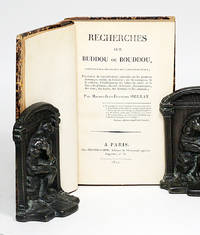
1817réf. 2238Paris: Chez Brunot-Labbe 1817. First edition. contemporary morocco over marbled boards. Very Good. EXTREMELY RARE FIRST EDITION OF THE FIRST WESTERN BOOK ON BUDDHISM. "Although the Western encounter with Asia's largest religion may be the vastest and most consequential spiritual encounter in human history its protagonists and historical development are still barely known. Thus it comes as no surprise that even specialists have hitherto failed to appreciate the earliest Western book about Buddhism: Michel-Jean-François Ozeray's Recherches sur Buddou ou Bouddou instituteur religieux de l'Asie orientale Paris 1817. ". Ozeray's book represents a landmark in the history of the Western discovery of Buddhism. Published three years after the establishment of Europe's first academic chairs for indology and sinology and just before the organized academic study of Buddhist texts began Ozeray's reliance on images and reports by embassies and European residents in Asian countries rather than missionary literature marks a watershed as does the author's firm advocacy of a single historical founder his unwillingness to engage in etymological and mythological flights of fancy and his insistence on Buddhism's status as the largest of all religions of the Orient or even of the entire world. Though the book did not reach a large pan-European readership it was read by intellectuals interested in Buddhism such as the philosopher Arthur Schopenhauer Europe's first professor of Sinology Abel-Rémusat and the linguist Julius Klaproth. Klaproth and Abel-Rémusat were around the time of publication expressing increasing interest in Buddhism and its history. Both were involved in the birth of France's earliest Orientalist journal the Journal Asiatique which from the early 1820s became one of Europe's most important sources of information about Buddhism. Ozeray's book thus stands near the end of the mythological speculation period and near the beginning of organized research on Asia's greatest religion" Urs App The First Western Book on Buddhism and Buddha. Paris: Chez Brunot-Labbe 1817. Octavo contemporary half-morocco marbled boards and endpapers. Complete with half-title. Some scuffing to binding small closed tear to half-title. Text in outstanding condition with large margins. SCARCE. Chez Brunot-Labbe unknown
1817réf. 2238Paris: Chez Brunot-Labbe 1817. First edition. contemporary morocco over marbled boards. Very Good. EXTREMELY RARE FIRST EDITION OF THE FIRST WESTERN BOOK ON BUDDHISM. "Although the Western encounter with Asia's largest religion may be the vastest and most consequential spiritual encounter in human history its protagonists and historical development are still barely known. Thus it comes as no surprise that even specialists have hitherto failed to appreciate the earliest Western book about Buddhism: Michel-Jean-François Ozeray's Recherches sur Buddou ou Bouddou instituteur religieux de l'Asie orientale Paris 1817. ". Ozeray's book represents a landmark in the history of the Western discovery of Buddhism. Published three years after the establishment of Europe's first academic chairs for indology and sinology and just before the organized academic study of Buddhist texts began Ozeray's reliance on images and reports by embassies and European residents in Asian countries rather than missionary literature marks a watershed as does the author's firm advocacy of a single historical founder his unwillingness to engage in etymological and mythological flights of fancy and his insistence on Buddhism's status as the largest of all religions of the Orient or even of the entire world. Though the book did not reach a large pan-European readership it was read by intellectuals interested in Buddhism such as the philosopher Arthur Schopenhauer Europe's first professor of Sinology Abel-Rémusat and the linguist Julius Klaproth. Klaproth and Abel-Rémusat were around the time of publication expressing increasing interest in Buddhism and its history. Both were involved in the birth of France's earliest Orientalist journal the Journal Asiatique which from the early 1820s became one of Europe's most important sources of information about Buddhism. Ozeray's book thus stands near the end of the mythological speculation period and near the beginning of organized research on Asia's greatest religion" Urs App The First Western Book on Buddhism and Buddha. Paris: Chez Brunot-Labbe 1817. Octavo contemporary half-morocco marbled boards and endpapers. Complete with half-title. Some scuffing to binding small closed tear to half-title. Text in outstanding condition with large margins. SCARCE. Chez Brunot-Labbe unknown books
réf. 84051aafTibet / Mongolei, 19. Jhd, verschiedene Grössen, 49 Miniaturen, Gouache auf Leinwand, unter insgesamt 28 Passepartouts (meist leinenbezogen, in Blau u. Grün) gerahmt, bei kleinformatigen (ca. 8x6 cm) Miniaturen je 2 übereinander gerahmt, guter Zustand. some waterstanes to some of the plates.
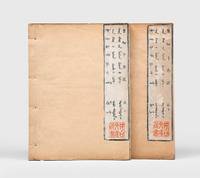
1774réf. 159690Likely Beijing: no stated publisher 1774. One polity many languages First edition of this unusual quintilingual work exhibiting the artistic skill of Chinese woodblock carvers. Compiled by the personal Buddhist tutor to the Qianlong emperor - China's Louis XIV - it lists slightly over 1000 buddhas destined to appear in the present Buddhist aeon. We have traced just three institutional copies. Print was a vital vehicle for spreading Buddhist thought throughout the multicultural Qing empire. This compilation based on the Bhadrakalpa Sutra served as an invaluable scholarly and devotional reference for practising and aspiring Buddhists as well as for those charged with producing religious commentaries. It begins with Kakusandha an esteemed buddha of antiquity and lists four names per page with the five different languages Chinese Manchu Mongolian Tibetan and Sanskrit phoneticized in Tibetan arranged vertically. The compilation process was led by the senior court figure Changkya Rölpé Dorjé 1717-1786 Qianlong's principal Buddhist advisor who also oversaw the translation of the Tibetan Buddhist canon into Mongolian and Manchu. The Bhadrakalpa Sutra is a key text in Mahayana Buddhism. Without it the names of many buddhas would otherwise have been lost. The text was first translated into Chinese by Dharmaraska c.233-310 one of the most significant scholarly influences on the growth of Buddhism in East Asia. China's Qing emperors presided over an ethnically heterogeneous empire which continued to expand in the early 18th century with the conquest of Tibet in 1720. Buddhism enjoyed significant state support; for example Qianlong 1735-1796 commissioned paintings depicting him in the form of a Buddhist in an advanced stage of enlightenment. Provenance: several ownership seals of Taijun Inokuchi 1922-2018 a leading Japanese scholar of Buddhism at Kyoto's Ryukoku University with his manuscript cataloguing notes on a sheet of personalized notepaper affixed to the lower flap of the folding case. In 1989 he published a preliminary catalogue of the famous manuscripts unearthed by Paul Pelliot at Dunhuang now housed in the Bibliothèque Nationale de France which have revolutionized scholarly understanding of Buddhism. Volume I contains in-text numerical annotations in red pencil most likely by Inokuchi. This copy then passed to a private collector in the UK. Copies can be found in the Library of Congress Harvard and the Austrian National Library. 2 vols quarto 270 x 200 mm. Original brown paper wrappers recently renewed xianzhuang stitching front covers with original quadrilingual xylographic title labels. Housed in 19th-century custom blue cloth folding case bone toggles. Wrappers with some chips and nicks as well as a few small closed tears one sometime repaired by pasting vol. II front wrapper to first blank at head moderate foxing and browning internally. A very good copy in the like case. hardcover