BARBER NOELMareMagnum

8.158 resultados
ISBN : 2800301821. Elsevier Sequoia. 1976. In-8 Carré. Broché. Bon état. Couv. légèrement passée. Dos satisfaisant. Intérieur frais. 230 pages. Illustré de nombreuses photos en noir et blanc hors texte. Collection 'Documents témoins', dir. par Roger Gheysens. Trad. de l'anglais par Louis Arnould.
1988ref. R150201283CALMANN LEVY. 1988. In-8. Broché. Bon état, Couv. convenable, Dos satisfaisant, Intérieur frais. 159 pages- quelques soulognements au stylo bleu dans le texte sans conséquence sur la lecture. . . . Classification Dewey : 947-Europe de l'Est, URSS
1988ref. R260116584CALMANN LEVY. 1988. In-8. Broché. Bon état, Couv. convenable, Dos satisfaisant, Intérieur frais. 159 pages.. . . . Classification Dewey : 947-Europe de l'Est, URSS
1988ref. R240020843CALMANN LEVY EDITEUR. 1988. In-8. Broché. Bon état, Couv. convenable, Dos satisfaisant, Intérieur frais. 159 pages.. . . . Classification Dewey : 947-Europe de l'Est, URSS
ISBN : 2702116973. CALMANN LEVY. 1988. In-8 Carré. Broché. Bon état. Couv. convenable. Dos satisfaisant. Intérieur frais. 159 pages- quelques soulognements au stylo bleu dans le texte sans conséquence sur la lecture
2001ref. 1147762001 Editions JJ Fedorowicz Publishing - 2001 - In-4, broché, couverture illustrée en N&B - 138 p. - Très riche iconographie en N&B in et hors-texte - Ouvrage en anglais
1987ref. R320155728non précisé. 1987. In-8. Broché. Etat d'usage, Plats abîmés, Agrafes rouillées, Intérieur acceptable. 59 pages agrafées - 2ème plat absent - quelques illustrations en noir et blanc dans le texte - 1er plat désolidarisé.. . . . Classification Dewey : 947-Europe de l'Est, URSS
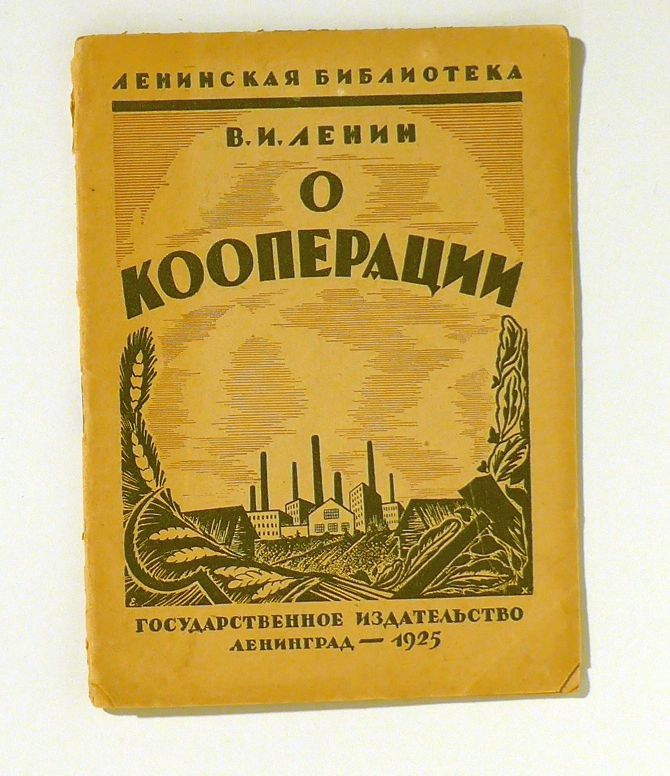
1925ref. 164375?????????, ???. ???-??, 1925. 32 S., Original broschiert, kl.8°. Softcover Rücken eingerissen, Papier etwas gebräunt. ????????? ??????????
1948ref. 166728Gos. izd. kul'turnoprosvetitel'skoj literatury, [Moskva], 1948. 2 Bl., I-VI S., 28 lose Blätter, mit zahlreichen farbigen Abbildungen. Leinenmappe, 2°. Herausgegeben von Ch. K. Enikeev. Auf farbigen Blättern werden die Arbeit und die Erfolge Mitschurins bei der Züchtung frostresistenter Obstsorten gezeigt. Softcover Mappe etwas berieben, Klappen im Gelenk gebrochen, Fleck auf Innendeckel. Seiten in gutem Zustand.
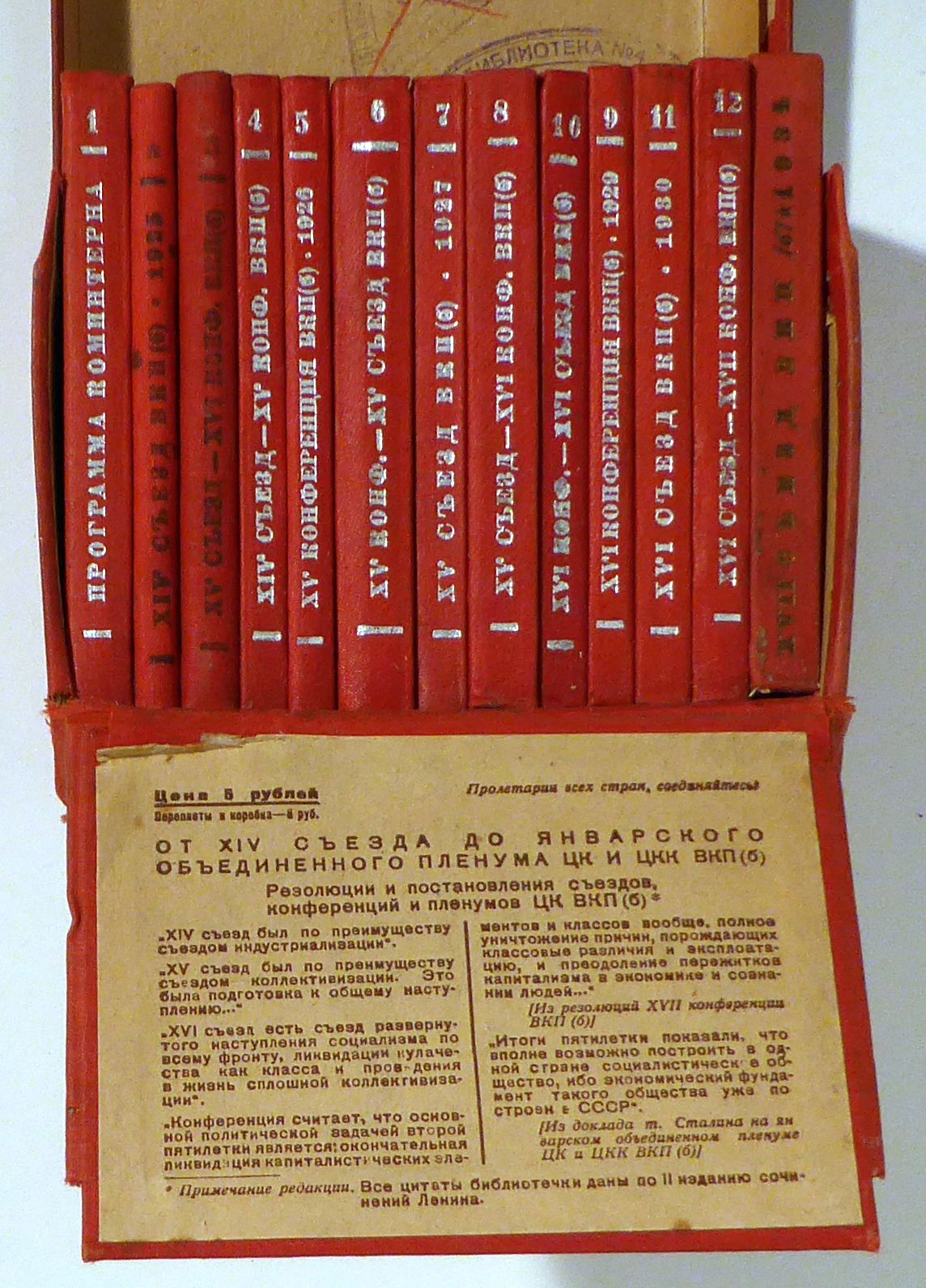
1933ref. 165470?????????, ????????????; ?????????, 1933; 1934. 13 Bändchen, zwischen 120 und 240 Seiten, Original-Leinwand in leinenüberzogenem Schuber, kl.8°. ??????????: 1. ????????? ? ????? ???(?); 2: XIV ????? ???(?); 3: ????????? ???????? 1925 ????; 4: ?? XIV ?????? ?? XV ??????????? ???(?). ????????? ???????? 1926 ????; 5: XV ??????????? ???(?). ????????? ???????? 1926 ????; 6: ?? XV ??????????? ?? XV ?????? ???(?). ????????? ???????? 1927 ????; 7: XV ????? ???(?). ????????? ???????? 1927 ????; 8: ?? XV ?????? ?? XVI ??????????? ???(?). ????????? ???????? 1928 ????; 9: XVI ??????????? ???(?). ????????? ???????? 1929 ????; 10: ?? XVI ??????????? ?? XVI ?????? ???(?). ????????? ???????? 1929 ????; 11: XVI ????? ???(?). ????????? ???????? 1930 ????; 12: ?? XVI ?????? ?? XVII ??????????? ???(?). ????????? ???????? 1930-1931 ????. ; 13: XVII ????? ???(?). ????????? 1934. Hardcover Schuber angestaubt, etwas fleckig. oberer Deckel auf der Seite eingerissen, Stempel auf Innendeckel des Schubers und des 13. Bändchens.
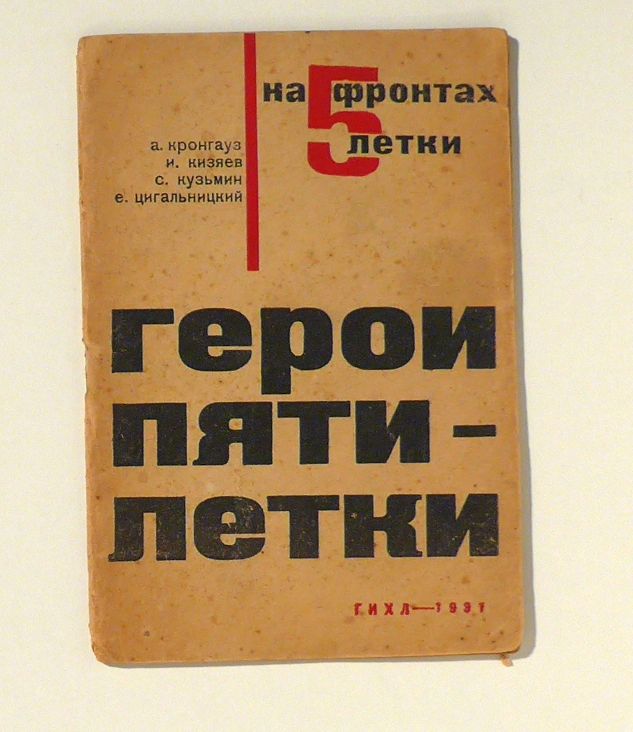
1931ref. 164422?????? ; ?????????, ????, 1931. 47 S., Original broschiert, kl.8°. Vordere Umschlagseite mit rot/schwarzer Typographie. Softcover Rücken mit kleiner Fehlstelle, Ecken bestossen, Besitzvermerk auf Titelseite. Papier gebräunt. ?? ??????? 5-?????
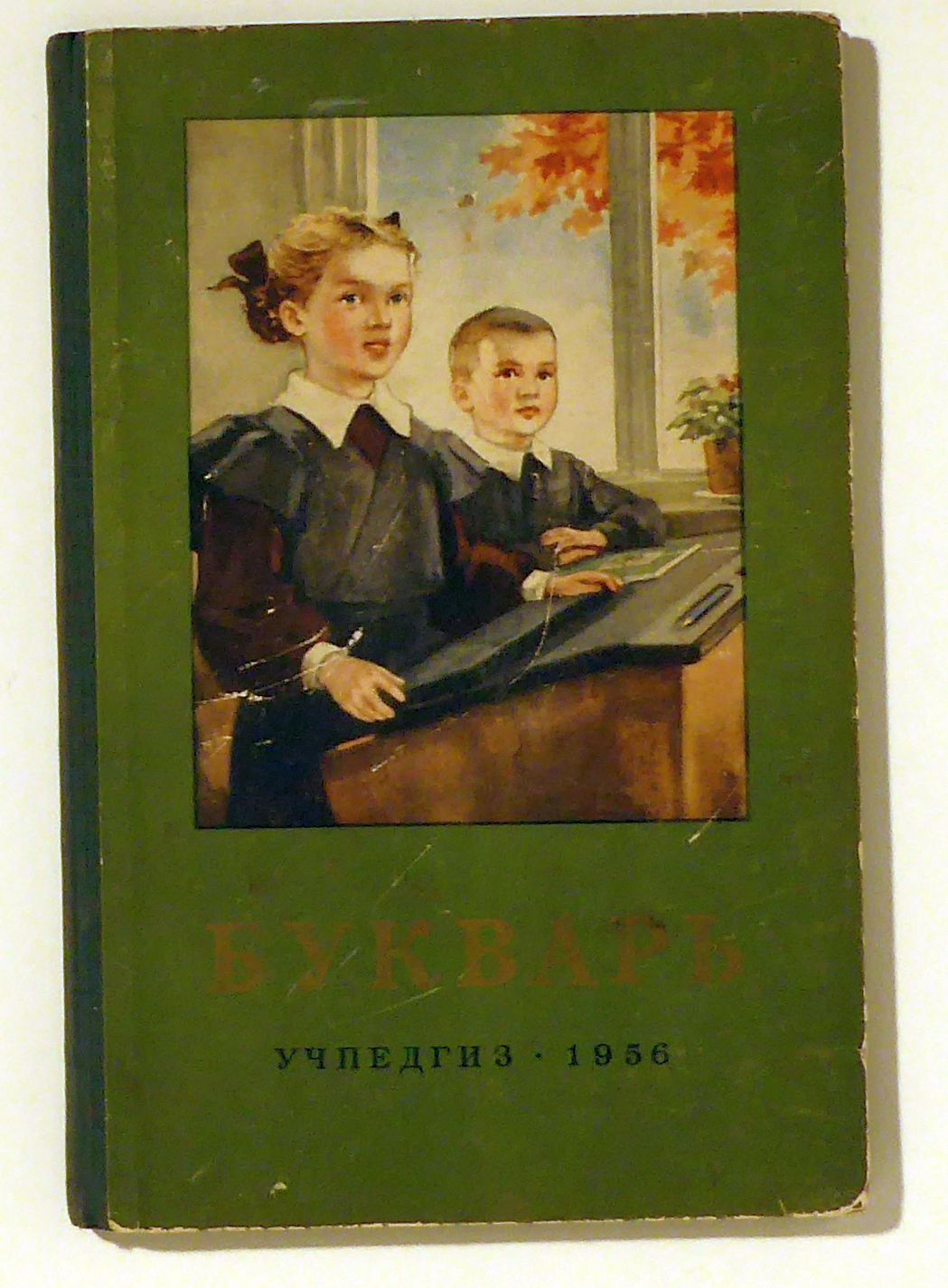
1956ref. 166733??????, ????????, 1956. 96 S., mit zahlreichen farbigen Illustrationen. Original-Halbleinwand, 4°. 4. Auflage. Hardcover Ecken und Kanten bestossen, Seiten etwas gebräunt.
1968ref. 164410Ffm., ?????, 1968. 2 Bde., 317, 253 S., Original broschiert, kl.8°. Kleine Ausgabe, gedruckt in kleiner Schrift auf dünnem Papier, geeignet für den diskreten Vertrieb des in der Sowjetunion noch nicht erlaubten Romans. Softcover Ecken bestossen, handschriftliche Notizen auf den hintersten Seiten.
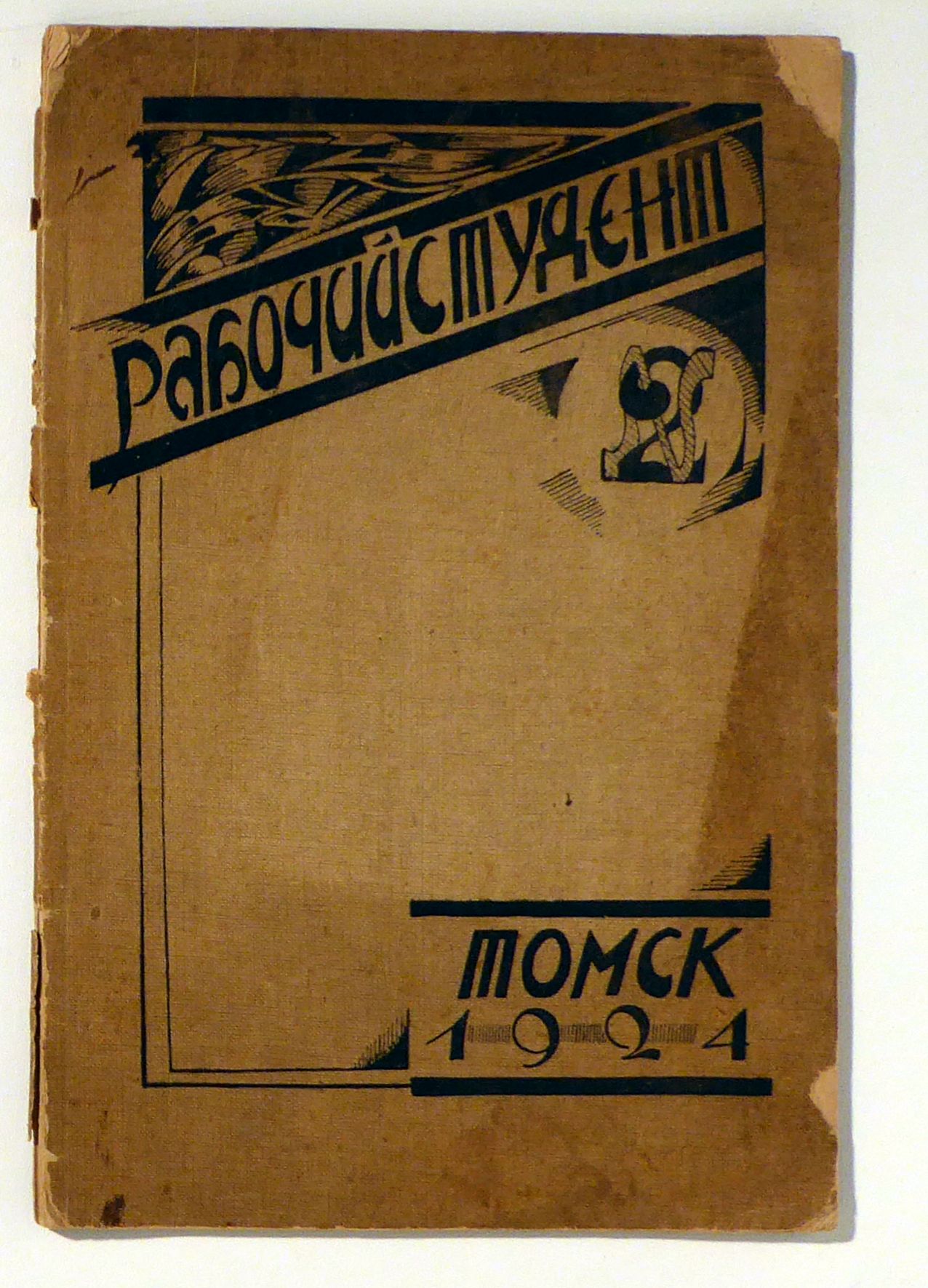
1924ref. 165295?????, ??????? ?????, 1924. 72 S., 2 Bl., mit s/w Abbildungen nach Zeichnungen und Fotografien. Original-Broschur, 4°. "Der Arbeiterstudent". Zeitschrift des städtischen Fachstudenten-Büros Tomsk, der Parteizellen RPK (b) und RLKSM VUZ. Redaktion D. Safranskij. Softcover Umschlag gebräunt, mit kleineren Fehlstellen. Papier gebräunt, brüchig. ??????? ???????, 2, ???????
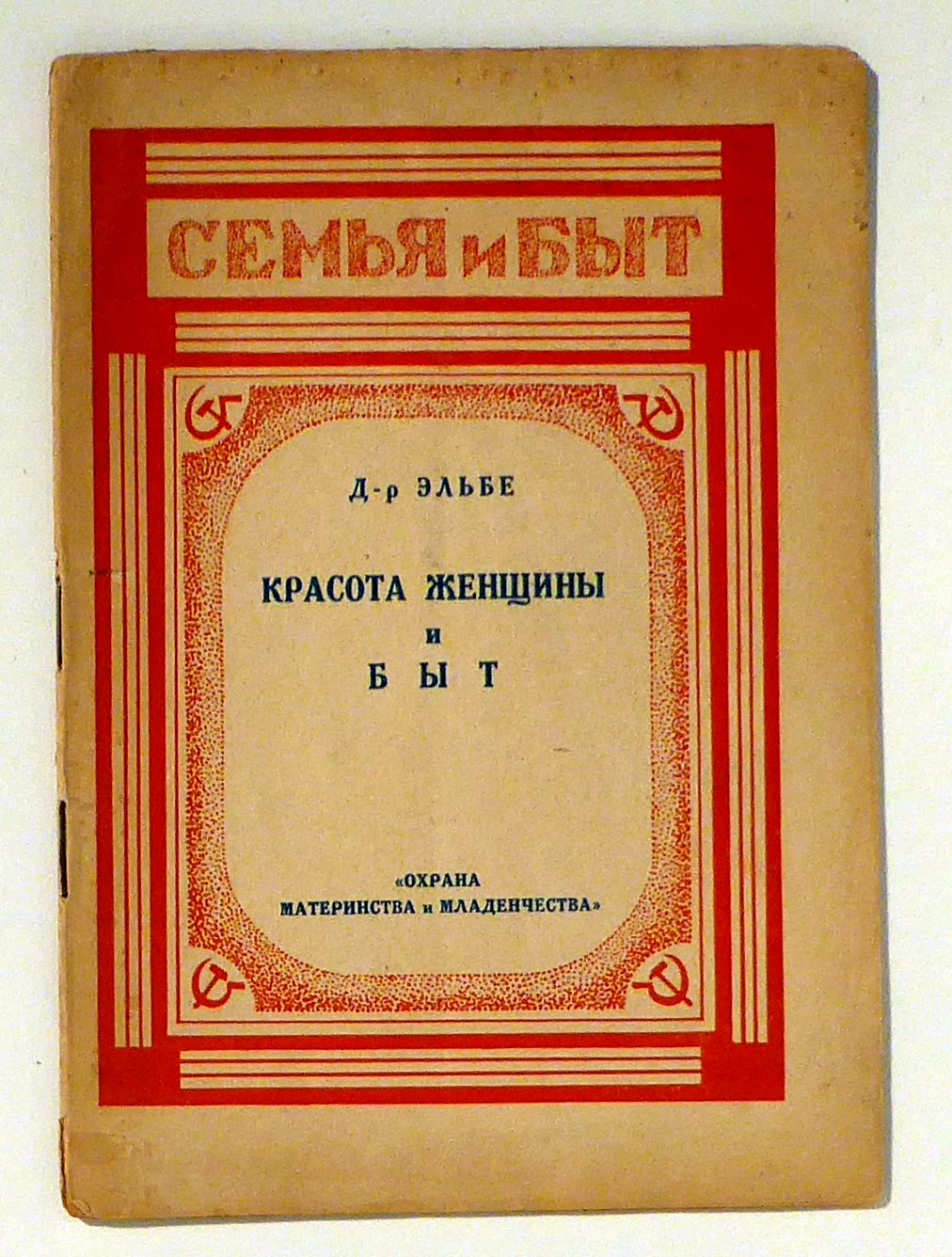
1927ref. 164237??????, ?????? ??????????? ? ????????????, 1927. 23, [1] S., Original broschiert, 8°. Bei "Mutter- und Kinderschutz" erschienene Abhandlung über die Schönheit der Frau in Abhängigkeit von ihren Lebensumständen, kulturellen Vorstellungen und Klassenzugehörigkeit. Die Broschüre ist im Zusammenhang der Hygienebewegung in der frühen Sowjetunion zu sehen. Der Autor/die Autorin empfiehlt Natürlichkeit und Sauberkeit und Verzicht auf übermässigen Einsatz von Kosmetika und Parfüm. Umschlag mit Knickspuren, Rücken unten eingerissen. Papier etwas gebräunt. ????? ? ??? [Familie und Lebensweise]
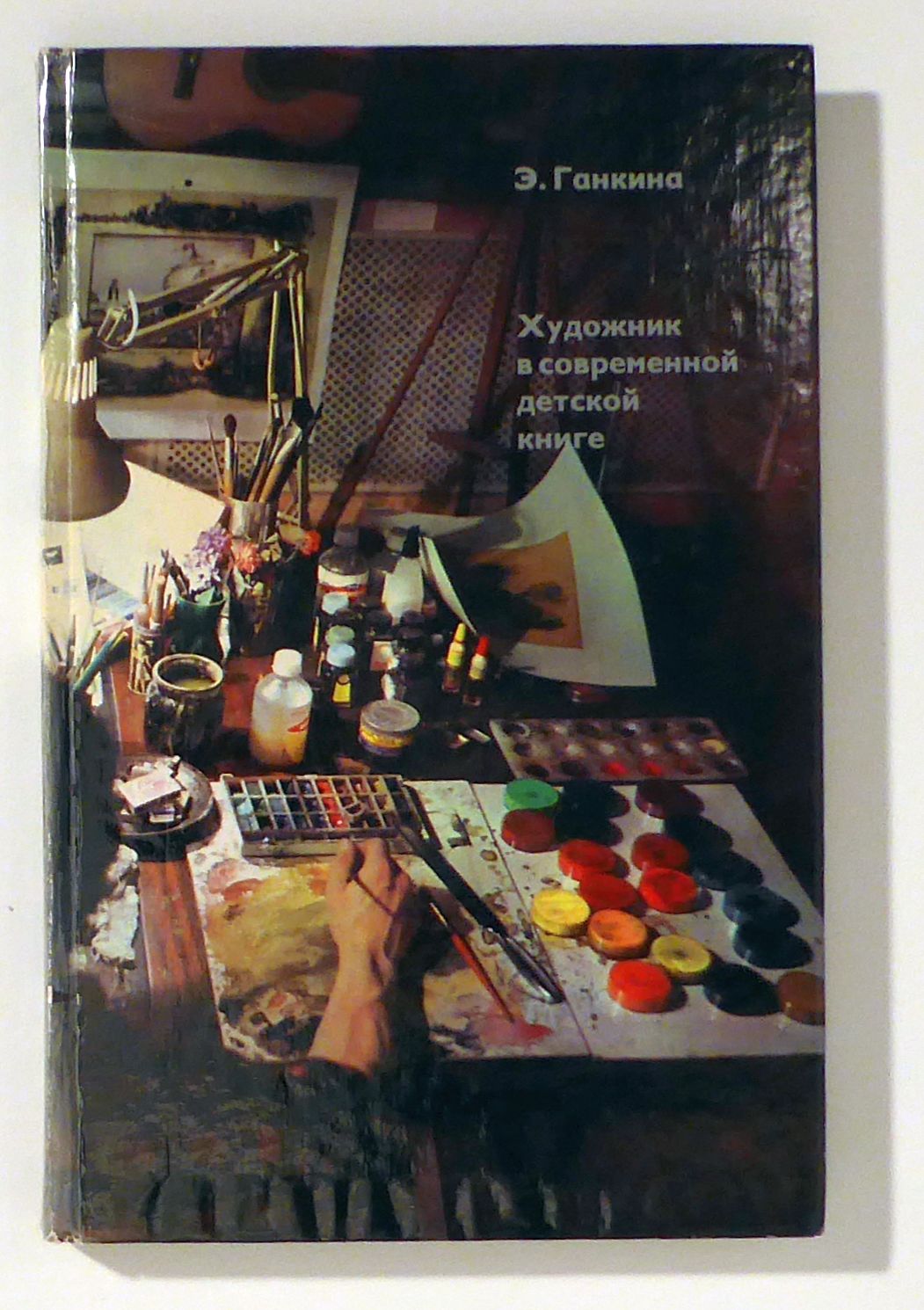
1977ref. 166627??????, ????????? ????????, 1977. 214, [1] S., mit zahlreichen farbigen und s/w Illustrationen. Original-Pappband, 4°. Fundierte Darstellung der sowjetischen Bilderbuchkunst, mit einer Biobibliographie zahlreicher russischer Illustratorinnen und Illustratoren. Hardcover Rücken etwas bestossen, Schnitt stockfleckig.
1952ref. 165703Moskva, ????????, 1952. XX, [1], 118, [2] S., mit s/w und farbigen Abbildungen auf 36 einseitig bedruckten Tafeln. Original-Halbleinwand, gr.8°. Hardcover Kanten etwas bestossen, im Hinterdeckel eingeklebtes Couvert leer.
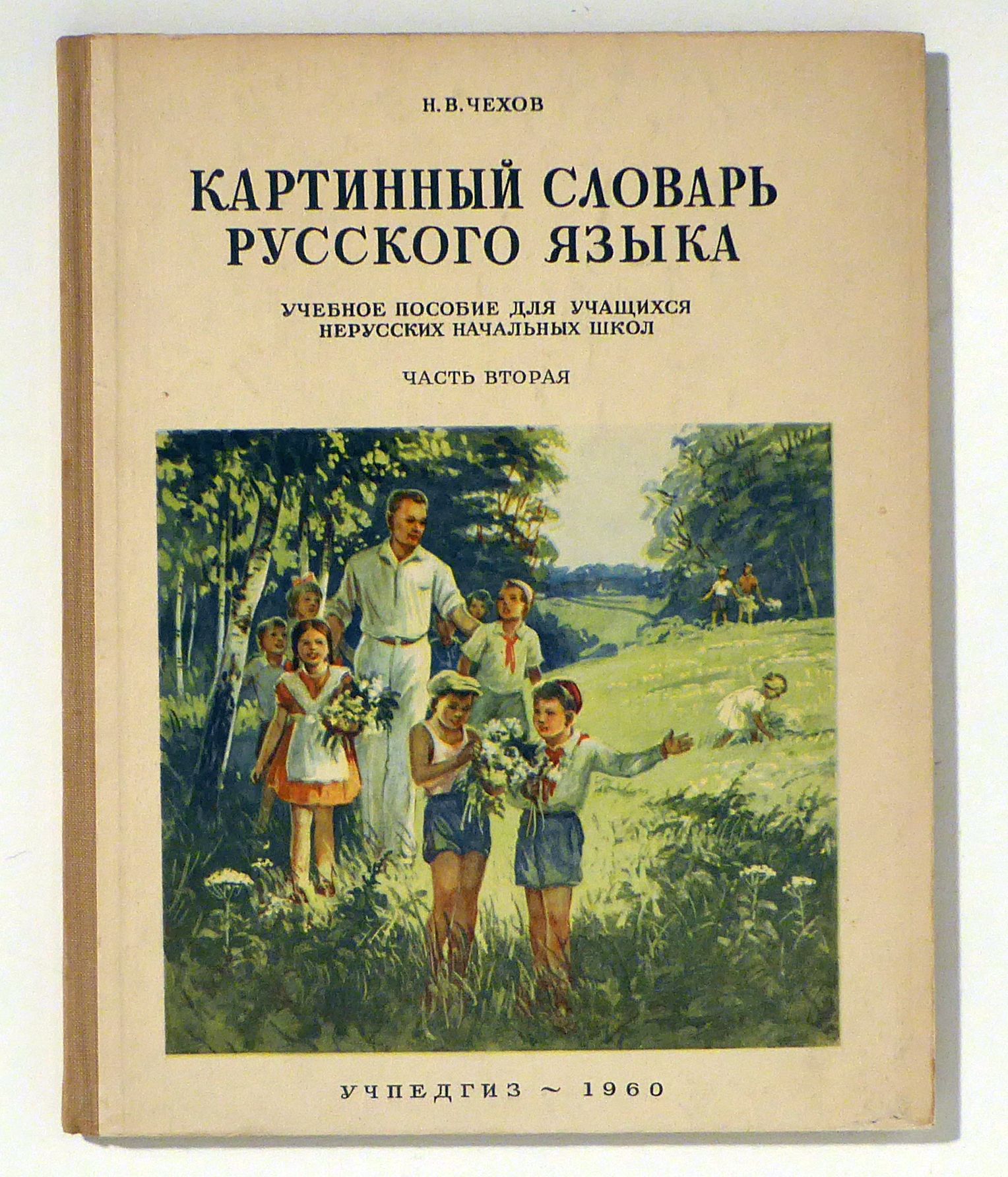
1960ref. 165702Moskva, ????????, 1960. 67 S., mit zahlreichen s/w Abbildungen und zwei einseitig bedruckte Farbtafeln. Original-Halbleinwand, gr.8°. Hardcover Papier minim gebräunt.
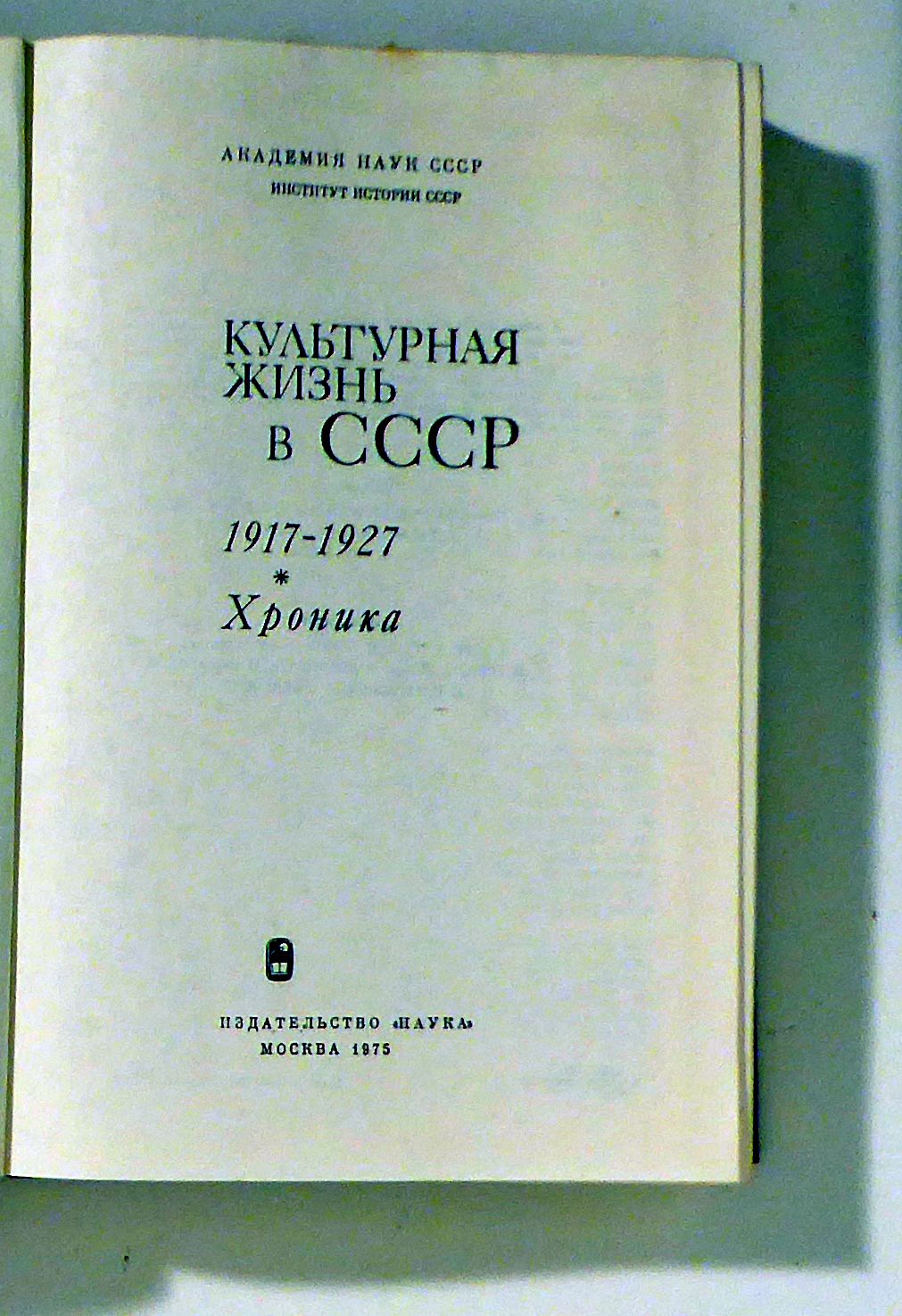
1975ref. 166447??????, ?????, 1975. 766 S., Original-Leinwand, gr.8°. Kurze Mitteilungen von Ereignissen des kulturellen Lebens in der Sowjetunion, chronologisch angeordnet mit Angabe der Quelle (Zeitungsmeldungen, Dekrete, Schriften von Politikern etc.). Hardcover Guter Zustand.
1967IN HEBREW. 240x170 mm. 164 pages. Gilt hardcover and spine. Ex-library copy with usual marks. Pages yellowing. Else in good condition.
1928Very Good Russian Original dark green cloth bdg. Oblong folio. (28 x 36 cm). Eight languages of the title on the colophon, the text is completely Russian. [6], [ii], 108 p., [36] maps in various sizes, some of folded: (62x47 cm, 52,5x45,5 cm, 49,5x27 cm [x3], 61x47 cm; other maps are 36x28 cm). Four unnumbered leaves with half-title and contents for each section. Two small millimetric cuttings on two text pages. Ex-owner's name is on the title page. Markings on the index. Otherwise a very good and clean copy. Rare complete and the first atlas including a fine collection of 36 attractive chromo-lithograph maps mostly with tissue papers of the Soviet Union, edited by the Central Executive Committee and Enukidze (1877-1937), who was a prominent Georgian "Old Bolshevik". One of 11000 copies. Being published only 10 years after the USSR was established, this is the earliest atlas of the country. It seems to have been published with a wider audience in mind, with a title page in various European languages. The borders of many areas -including not just administrative regions throughout the USSR, but also entire autonomous republics (especially in Central Asia)- were in a state of flux; as such, the borders in this Atlas (including the wax-paper overlays meant to update various maps with changes made between when they were drawn and when the Atlas was published) often don't look anything like the borders they were set at the end of the Soviet Union and have continued on to modern times. Since the boundaries were often ideologically- (sometimes ethnically-, less so economically-) motivated, this offers an interesting insight into the mindset of the administration that was making these changes. Map list: World map, General USSR, USSR in Europe, Asia and USSR, Karelian Autonomous Soviet Socialist Republic, Komi-Zyryan Autonomous Oblast, Avt, Votskaya Oblast, Maryinskaya, Cherepovetsky District, Vologda Oblast, Avt. Chuvashskaya SSR (Chuvashia), Avt. Tatarskaya SSR (Tatarstan), Avt. Bashkirskaya SSR (Bashkiria), ASSR Nemchev Povoljiya, Kalmykia (Kalmykia), Krimskaya SSR (Crimea), Adigeiskaya (Tscherkeskaya) Obl. (Cherkesia), Kabardino-Balkarskaya Avt. Obl. (Kabardino-Balkarian Rep.), Karachayskaya Avt. Obl. & Tscherkesskiy Nation. Okrug (Karachay-Cherkessia), Chechenskaya Avt. Obl. (Chechnya), Ingushetiya, Severo-Osetiya, Avt. Daghestanskaya SSR, Avt. Kazakskaya SSR, Kyrgyzkaya ASSR, Avt. Oiuratskaya Oblast, Burito - Mongolskaya SSR (Kazakhstan), Avt. Yakustkaya SSR (Yakutia), Beloruskaya SSR (Belarus), Ukrainskaya, SSR (Ukraine), Moldavskaya SSR (Moldovia), Zakavkazkaya SSR (Abkhazia), Azerbaijanskaya SSR (Azerbaijan), Arminskaya SSR (Armenia), SSR Gruzii (Georgia), Central Asian SSR (Karakalpakstan, Kyrgyzstan, Turkmenistan, Uzbekistan), Uzbekistan, Turkmenistan. OCLC shows copies in twenty-three libraries worldwide: 7852120, 968755133, and 822577467.
1949Very Good Armenian Original half bound leather bdg. Large demy8vo. (22 x 15,5 cm). In Armenian. 675 p. Prior to Soviet rule, the Dashnaksutiun had governed the First Republic of Armenia. The Socialist Soviet Republic of Armenia was founded in 1920. Diaspora Armenians were divided about this: supporters of the nationalist Dashnaksutiun did not support the Soviet state, while supporters of the Armenian General Benevolent Union (AGBU) were more positive about the newly founded Soviet state. From 1828 with the Treaty of Turkmenchay to the October Revolution in 1917, Eastern Armenia had been part of the Russian Empire and partly confined to the borders of the Erivan Governorate. After the October Revolution, Bolshevik leader Vladimir Lenin's government announced that minorities in the empire could pursue a course of self-determination. Following the collapse of the empire, in May 1918 Armenia, and its neighbors Azerbaijan and Georgia, declared their independence from Russian rule and each established their respective republics. After the near-annihilation of the Armenians during the Armenian Genocide and the subsequent Turkish-Armenian War, the historic Armenian area in the Ottoman Empire was overrun with despair and devastation. A number of Armenians joined the advancing 11th Soviet Red Army. Afterward, Turkey and the newly proclaimed Soviet republics in the Caucasus negotiated the Treaty of Kars, in which Turkey resigned from its claims to Batumi to Georgia in exchange for the Kars territory, corresponding to the modern-day Turkish provinces of Kars, Igdir, and Ardahan. The medieval Armenian capital of Ani, as well as the cultural icon of the Armenian people Mount Ararat, were located in the ceded area. Additionally, Joseph Stalin, then acting Commissar for Nationalities, granted the areas of Nakhchivan and Nagorno-Karabakh (both of which were promised to Armenia by the Bolsheviks in 1920) to Azerbaijan. From 12 March 1922 to 5 December 1936, Armenia was a part of the Transcaucasian SFSR (TSFSR) together with the Georgian SSR and the Azerbaijan SSR. The policies of the first Soviet Armenian government, the Revolutionary Committee (Revkom), headed by young, inexperienced, and militant communists such as Sarkis Kasyan and Avis Nurijanyan, were implemented in a highhanded manner and did not take into consideration the poor conditions of the republic and the general weariness of the people after years of conflict and civil strife. Such was the degree and scale of the requisitioning and terror imposed by the local Cheka that in February 1921 the Armenians, led by former leaders of the republic, rose up in revolt and briefly unseated the communists in Yerevan. The Red Army, which was campaigning in Georgia at the time, returned to suppress the revolt and drove its leaders out of Armenia. Convinced that these heavy-handed tactics were the source of the alienation of the native population to Soviet rule, in 1921 Moscow appointed an experienced administrator, Alexander Miasnikian, to carry out a more moderate policy and one better attuned to Armenian sensibilities. With the introduction of the New Economic Policy (NEP), Armenians began to enjoy a period of relative stability. Life under the Soviet rule proved to be a soothing balm in contrast to the turbulent final years of the Ottoman Empire. The Armenians received medicine, food, as well as other provisions from the central government and extensive literacy reforms were carried [.] Only one copy is located in OCLC: 782028953 (National Library of Israel - Jewish National Library).
1937Very Good Turkish Original satyric periodical. Folio. (32 x 24 cm). In Turkish. 17, [1] p., color, and b/w ills. A satyric Turkish magazine titled "Akbaba" with attractive cover art of "Iki inatçi keçi" [i.e. Two stubborn goats], published two years before the declaration of World War II, 1937, illustrated by a famous Turkish master cartoonist Cemal Nadir (1902-1947), showing two stubborn Nazi and Soviet goats butting heads on a narrow bridge buttressed with rifles and bayonets. The Nazi goat stands on the European side while the Soviet goat stands Asian side. The text: "Komünizm - Çekil yolumdan!.. Avrupa'ya geçecegim. Fasizm - Çekil yolumdan!.. Asya'ya geçecegim!.." [i.e. Communism: Get out of my way! I will cross over to Europe! Fascism: Get out of my way! I will cross over to Asia!]. Cemal Nadir [Güler] was a famous Turkish cartoonist. Güler is the surname he assumed after the Surname Law of 1934. Cemal Nadir was born in Bursa, Ottoman Empire on 13 July 1902. His father Sevket was a calligraphist (Turkish: Hattat) employed in courts. After finishing high school, he began working as a sign painter in Bursa. He also created cartoons, and his first cartoon appeared in Diken (literally: "The Thorn") periodical. Although he moved to Istanbul and tried to be a full-time cartoonist, he could not make it and he returned to Bursa. The Alphabet Reform of 1929 gave Cemal Nadir a second chance to show his talent. When Turkey adopted the Latin alphabet replacing the Ottoman Turkish alphabet in Arabic script, all signboards were necessarily changed, and he worked hard to meet the demand. In the same year, he moved once more to Istanbul to work for the daily Aksam. Later, he also drew for the newspaper Son Posta, as well as for the satirical magazines such as Akbaba. During this period, he published the satirical magazine Amcabey. During World war II, he drew anti-Nazism cartoons in the daily Cumhuriyet. In 1946, the Republican People's Party (CHP) invited him to run for a seat in the parliament. However, he refused the invitation, he said that with political affiliation he would not be able to create cartoons. He used his conflicting cartoon characters to criticize the social problems of that time in the country. (Ak'la Kara ("Black and White")., Dede ile Torun ("The Grandpa and the Grandson")., Dalkavuk ("The Sycophant")., Yeni Zengin ("Nouveau riche")., Salamon).
IN HEBREW AND YIDDISH. Contains b&w plates. 245x175 mm. 293 pages. Hardcover. Ex-library copy with usual marks. Spine edges bumped. Few page corners wrinkled. First white page edges wrinkled and torn. First white page water stained. Pages yellowing. Else in good condition.
19901st Edition. Original Illustrated 11 1/2 X 15 Inch Poster. Original Tongue-in-Cheek Fundraising Poster from the UJA's landmark "Operation Exodus" campaign to resettle Soviet Jews in Israel and America in the wake of rising Anti-Semitism in the USSR. "Their contribution to a strong, stable, culturally rich homeland is something in which we should all feel compelled to invest. " Very good condition. (AMR-52-29)