8 096 résultats
1870RARE book justifying the policy of Tsar Alexander II regarding the Jews and supports education reforms in religion and world peace. Most of the text is in Hebrew, the rest in Russian and French. 150x110mm. 265+12 pages. Hardcover with cloth spine. Cover curved. Cover corners rubbed. Spine worn. Rubbed sticker on spine. Ex-library stamp on front whitepage, title pages, and several other pages. Pen writing on front inner cover and page 4 verso. Russian title page taped. Sticker residues Russian title page. Binding slightly loose and visible between pages 18-19. Pages yellowing and slightly age-stained. [SUMMARY]: This rare book is otherwise in good condition.
1986160X240 mm. XVIII+467 pages. Hardcover with dust jacket. Dust jacket slightly worn at edges. Gilt spine. Small marker writing on the inner part of the front cover. Otherwise in good condition.
1986SIGNED BY NATAN SHCHARANSKY/SHARANSKY. Contains b&w plates. 24x16 cm. Gilt hardcover with dust jacket. Cover edges slightly bumped. Spine slightly curved. Pages slightly yellowing. Else in good condition.
1862RARE HEBREW novel by the Lithuanian member of the Haskalah movement Mordechai Plongian, also known as the author of several religious and secular books. This book, inspired by the blood libel in Damascus, documents a case of blood libel that took place somewhere within the Russian empire during the 18th century. The book is written in the elevated and flowery Hebrew of the Haskalah movement. 190x130mm. VI+96 pages. Red cloth Hardcover with gilt lettering on spine. Ex libris sticker on endpaper. Pages slightly yellowing, some pages slightly age-stained. [SUMMARY]: Save for some light wear, this rare edition of an early Hebrew novel is in good condition.
2004réf. 2727EBGöttingen., Steidl Verlag., 2004. 28 x 25 cm. 358 S.. Illustrierter OPapband., 2727E 1. Auflage. Sehr gutes Exemplar.
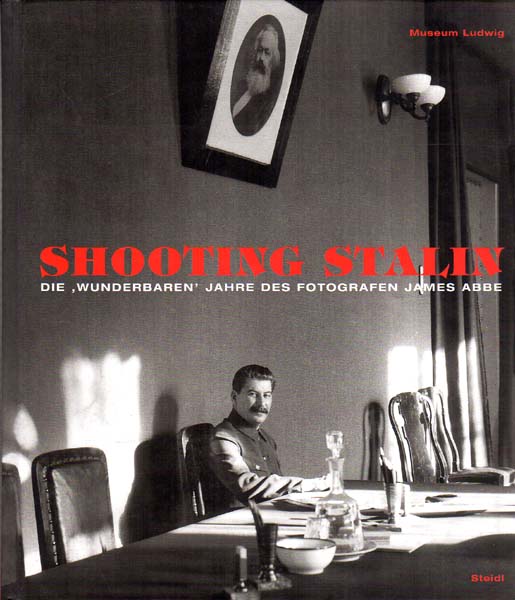
1942réf. 2888EBNew York., Simon and Schuster., 1942. 24 x 17 cm. 298 S. OLeinen mit illustriertem OUmschlag., 2888E 1. Auflage. Umschlag nachgedunkelt und mit stärkeren Randläsuren sowie ein etwa 5 cm langer Einriß recto.Die Einrisse sauber hinterlegt. Buch hat etwas Kellergeruch.Insgesamt aber noch gutes Exemplar.
1980280x220 mm. III+145 pages. Softcover. Cover yellowing and worn. Sticker residue on rear cover. Cover corners and edges slightly wrinkled and slightly worn. Spine yellowing, cracked and worn. Some page corners and edges slightly wrinkled. Pen inscription on few pages - NO damage to text. Pages yellowing. Else in good condition.
1995Publications of the Diaspora Research Institute edited by Minna Rozen - Book 109. 150X230 mm. 452 pages. Ex Library with the usual marks. Soft cover. Cover and spine slightly worn at edges and corners. Pages slightly stained on edges. Else in good condition.
195720 cm, brossura editoriale; pp. 79
1951In 8°, br. edit. (con fioriture e lievi segni d'uso), pp. 187,(5), con 12 fot. b.n.; es. molto buono. (x403)
1984Mm 135x210 Collana "Libero scambio". Volume nella sua brossura originale, 107 pagine. Opera in buone condizioni, presenta un' etichetta di biblioteca dismessa alla prima carta e una piccola gora nell'angolo inferiore delle ultime pagine del volume che non compromette la lettura. Spedizione in 24 ore dalla conferma dell'ordine.
198421 cm, br. editoriale ill, p. 107
18962 voll, 19 cm, brossura originale con dorsi ricostruiti, p. X, 381; 324. Traduzione dall'inglese di Sofia Fortini Santarelli. Restauro al secondo piatto del primo volume.
1955réf. 234761955. Bratskgesstroy photo album depicting construction of the Bratsk Hydroelectric Power Plant on the Angara River between 1955 and 1964 documenting one of the Soviet Union's largest postwar industrial projects during Nikita Khrushchev's campaign to industrialize Siberia. Construction began in 1955 at the Padun narrows north of Irkutsk where the Angara's rapids and elevation drop made the river suitable for massive hydroelectric generation. The first turbine entered service in November 1961 as the Bratsk reservoir began flooding thousands of square kilometers of forest and river settlements to create what Soviet publications called the "Bratsk Sea." By the mid-1960s the station had become the largest hydroelectric plant in the world supplying electricity to aluminum smelters timber combines rail electrification and new industrial cities across eastern Siberia. Photo album of approximately 17 large format professional silver gelatin photographs Bratsk and the Angara River region 1955-1964. large format photographs with Russian printed captions identify stages of construction including "Padun narrows" "Blocking the right bank of the Angara March 1957" "Installation of wires on the Irkutsk-Bratsk 220 kV transmission line" "Completion of the main concrete trestle" "Winter 1960-61" and "June 1963." Winter construction scenes show cranes rising above frozen riverbanks trucks dumping fill into rushing water during diversion work and workers fastening electrical insulators high above snow-covered terrain. Later images depict the completed spillway releasing torrents of water beneath rows of gantry cranes along with an interior control room lined with gauges switches meters and telephone communications equipment. Several leaves contain handwritten French tourism slips describing the visitor's experience moving through the region and observing ice electrical infrastructure and the completed dam landscape. The Bratsk project formed part of the Soviet Union's postwar eastward industrial expansion which sought to shift energy production and heavy industry deep into Siberia during the Cold War. The first turbine entered service in November 1961 as the Bratsk reservoir began flooding thousands of square kilometers of forest and river settlements to create what Soviet publications called the "Bratsk Sea." By the mid-1960s the station had become the largest hydroelectric plant in the world supplying electricity to aluminum smelters timber combines rail electrification and new industrial cities across eastern Siberia. Soviet newsreels propaganda posters and foreign delegations treated Bratsk as proof that the USSR could transform remote Siberian territory into a modern industrial frontier through centralized planning hydroelectric engineering and mass labor mobilization. Light wear occasional silvering and minor surface abrasions to several photographs; album binding intact. Overall in very good condition. unknown
1955réf. 234761955. Bratskgesstroy photo album depicting construction of the Bratsk Hydroelectric Power Plant on the Angara River between 1955 and 1964 documenting one of the Soviet Union's largest postwar industrial projects during Nikita Khrushchev's campaign to industrialize Siberia. Construction began in 1955 at the Padun narrows north of Irkutsk where the Angara's rapids and elevation drop made the river suitable for massive hydroelectric generation. The first turbine entered service in November 1961 as the Bratsk reservoir began flooding thousands of square kilometers of forest and river settlements to create what Soviet publications called the "Bratsk Sea." By the mid-1960s the station had become the largest hydroelectric plant in the world supplying electricity to aluminum smelters timber combines rail electrification and new industrial cities across eastern Siberia. Photo album of approximately 17 large format professional silver gelatin photographs Bratsk and the Angara River region 1955-1964. large format photographs with Russian printed captions identify stages of construction including "Padun narrows" "Blocking the right bank of the Angara March 1957" "Installation of wires on the Irkutsk-Bratsk 220 kV transmission line" "Completion of the main concrete trestle" "Winter 1960-61" and "June 1963." Winter construction scenes show cranes rising above frozen riverbanks trucks dumping fill into rushing water during diversion work and workers fastening electrical insulators high above snow-covered terrain. Later images depict the completed spillway releasing torrents of water beneath rows of gantry cranes along with an interior control room lined with gauges switches meters and telephone communications equipment. Several leaves contain handwritten French tourism slips describing the visitor's experience moving through the region and observing ice electrical infrastructure and the completed dam landscape. The Bratsk project formed part of the Soviet Union's postwar eastward industrial expansion which sought to shift energy production and heavy industry deep into Siberia during the Cold War. The first turbine entered service in November 1961 as the Bratsk reservoir began flooding thousands of square kilometers of forest and river settlements to create what Soviet publications called the "Bratsk Sea." By the mid-1960s the station had become the largest hydroelectric plant in the world supplying electricity to aluminum smelters timber combines rail electrification and new industrial cities across eastern Siberia. Soviet newsreels propaganda posters and foreign delegations treated Bratsk as proof that the USSR could transform remote Siberian territory into a modern industrial frontier through centralized planning hydroelectric engineering and mass labor mobilization. Light wear occasional silvering and minor surface abrasions to several photographs; album binding intact. Overall in very good condition. unknown books
GALLIMARD .. 1976.. In-8 Carré. Broché. Bon état. Couv. convenable. Dos satisfaisant. Intérieur acceptable. 221 pages. 1ère de couverture illustrée en couleurs. Carte en noir et blanc, hors texte. Collection dirigée par Jean Ferniot.
réf. R150098651GALLIMARD .. 1976.. In-8. Broché. Bon état, Couv. convenable, Dos satisfaisant, Intérieur acceptable. 221 pages. 1ère de couverture illustrée en couleurs. Carte en noir et blanc, hors texte.. . . . Classification Dewey : 947-Europe de l'Est, URSS
1996réf. RO20014117Imprimerie FOT. 1996. In-8. Cartonné. Très bon état, Couv. convenable, Dos satisfaisant, Intérieur frais. 125p,illustré de nombreuses photos couleurs dans le texte, de gravures et de cartes hors texte, frontispice, cartonné + brochure sur la Sibérie. . . . Classification Dewey : 947-Europe de l'Est, URSS
1976réf. R260175951GALLIMARD / L'AIR DU TEMPS. 1976. In-8. Broché. Etat d'usage, Couv. légèrement passée, Dos satisfaisant, Intérieur frais. 221 pages. Premier plat illustré en couleurs.. . . . Classification Dewey : 947-Europe de l'Est, URSS
IN HEBREW. 240x160 mm. 212 pages. Softcover. Cover yellowing, worn, torn and detached from spine. Spine yellowing, tattered and partly missing. Few pages torn and/or detached from binding - no damage to text. Pages yellowing. In fair condition.
1994réf. R160056389ROCHER. 1994. In-8. Broché. Etat d'usage, Coins frottés, Dos satisfaisant, Intérieur frais. 282 pages.. . . . Classification Dewey : 947-Europe de l'Est, URSS
1993réf. R240053942DU ROCHER. 1993. In-8. Broché. Bon état, Couv. convenable, Dos satisfaisant, Intérieur frais. 282 pages - quelques illustrations en noir et blanc dans le texte.. . . . Classification Dewey : 947-Europe de l'Est, URSS
1984réf. 5224Scarabée & Compagnie Grand In-8, broché, couverture jaune et rouge por le titre (ill d'un cavalier piquant un morceau de boudin), 192 pages, 16 Illustrations à pleine pages en couleurs par Syssoïev et de nombreux ht en noir par le même auteur, exemplaire fané et en bon état.
réf. 70024Coll. "Ordres Sociaux", Paris, éd. des Archives Contemporaines, S.d. (1990), gd. in-8, cartonnage souple, couv. texte en rouge sur fond jaune éd., 384 pp., sommaire, index des noms, table des matières, Remarquable étude sur les relations entre l'URSS et son chef, Josph Staline. RARE Très bon état
1973réf. 165819Westport, Hyperion, 1973. 158 S., roter Original-Leinwand, 8°. First published in 1925 by Labor Publishing, London. On Trotski and his relation to Lenin. First Hyperion Reprint. Hardcover