COLLECTIFLivre Rare Book

1358 risultati
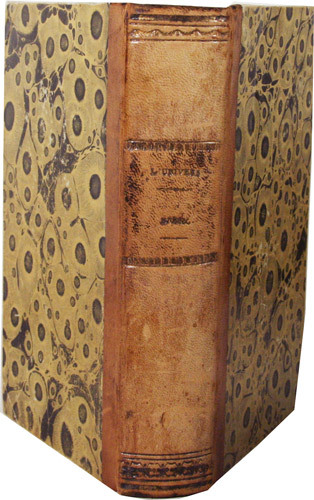
1901rif. Zs8Bruxelles Lesigne 1901 Fort In8 1) L'esclave Blanche (Baumann) - A propos de la Chine -dégénéresence de la race européenne sous le climat équatorial - 2) La Colombie - canaux de Panama et de Nicaragua - Plantation de Caféiers au congo - 3) Afrique Orientale Allemande - Le Commerce des iles Canaries en 1899 - La navigation à vapeur dans les rapides du Yang-tze-Kiang - La Horse sikness (maladie des chevaux) dans l'Afrique du sud - 4) Voyage a l'ile de San Thomé - Afrique Orientale au point de vue ethnographique - plantes produisant le caoutchouc au Congo - 5) Voyage a l'ile de San Thomé -agent etiologique de la Vaccine et de la variole - Systeme fiscal aux colonies (suite dans 6 - 7) - grand bananier au congo - la Chayotte - 6) Madagascar - Les colonies d'enfants indigenes au congo 7) Madagascar - cinq principaux arbres a caoutchouc - 8) Voyage au Matto Grosso - Prophylaxie de la malaria - races humaines de l'Asie orientale - Laboratoire médical Léopoldville - 9)Voyage au Matto Grosso -les routes commerciales de Mandchourie - Le café la Quinine et le Bois aux Indes Néerlandaises - 10) San Thomé + CARTE DEPLIANTE - le jardin botanique d'Aburi - Rapport de Droit publique entre colonies allemandes et Allemagne - 11) Sous les tropiques de Gène à Ste Croix de Ténériffe - le jardin botanique de Victoria Kamerun - Le recrutement des fonctionnaires coloniaux - 12) Angola - La vie dans les villages Chinois - le Caoutchouc au Soudan - + Chronique et Biblio en fin de chaque mois + Index - 888 pages + hors textes photographiques - Fort in8 demi reliure avec pièce de titre - s reliure frottée sans gravité
1901rif. Zs8Bruxelles Lesigne 1901 Fort In8 1) L'esclave Blanche (Baumann) - A propos de la Chine -dégénéresence de la race européenne sous le climat équatorial - 2) La Colombie - canaux de Panama et de Nicaragua - Plantation de Caféiers au congo - 3) Afrique Orientale Allemande - Le Commerce des iles Canaries en 1899 - La navigation à vapeur dans les rapides du Yang-tze-Kiang - La Horse sikness (maladie des chevaux) dans l'Afrique du sud - 4) Voyage a l'ile de San Thomé - Afrique Orientale au point de vue ethnographique - plantes produisant le caoutchouc au Congo - 5) Voyage a l'ile de San Thomé -agent etiologique de la Vaccine et de la variole - Systeme fiscal aux colonies (suite dans 6 - 7) - grand bananier au congo - la Chayotte - 6) Madagascar - Les colonies d'enfants indigenes au congo 7) Madagascar - cinq principaux arbres a caoutchouc - 8) Voyage au Matto Grosso - Prophylaxie de la malaria - races humaines de l'Asie orientale - Laboratoire médical Léopoldville - 9)Voyage au Matto Grosso -les routes commerciales de Mandchourie - Le café la Quinine et le Bois aux Indes Néerlandaises - 10) San Thomé + CARTE DEPLIANTE - le jardin botanique d'Aburi - Rapport de Droit publique entre colonies allemandes et Allemagne - 11) Sous les tropiques de Gène à Ste Croix de Ténériffe - le jardin botanique de Victoria Kamerun - Le recrutement des fonctionnaires coloniaux - 12) Angola - La vie dans les villages Chinois - le Caoutchouc au Soudan - + Chronique et Biblio en fin de chaque mois + Index - 888 pages + hors textes photographiques - Fort in8 demi reliure avec pièce de titre - s reliure frottée sans gravité
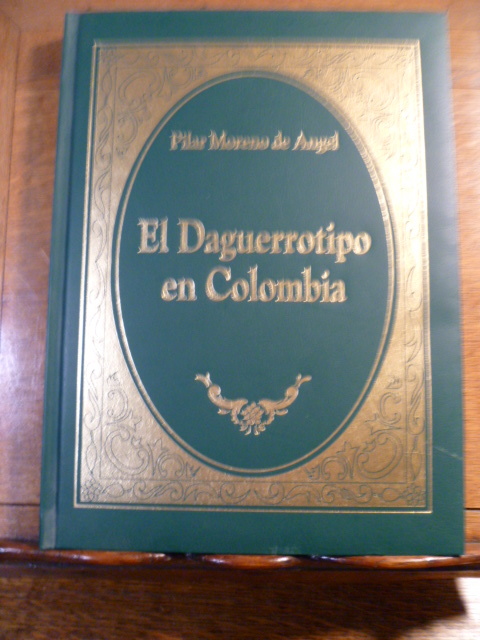
rif. 1819Bancafé y Fondo Cultural Cafetero, Bogota, 2000.Un volume relié (23,5 x 31,5 cm) de 200 pages. Reliure skyvertex vert, dos lisse et titré, plat décoré et titré. Ouvrage en bon état.Très nombreuses illustrations sepia ou en couleurs.
rif. 1819Bancafé y Fondo Cultural Cafetero, Bogota, 2000.Un volume relié (23,5 x 31,5 cm) de 200 pages. Reliure skyvertex vert, dos lisse et titré, plat décoré et titré. Ouvrage en bon état.Très nombreuses illustrations sepia ou en couleurs.
2004rif. 65429ABBogota., Villegas Editores., 2004. 31 x 26 cm. 343 S. OLeinen mit OUmschlag., 65429AB Erste Auflage. Sehr gutes, frisches Exemplar.
rif. ORD-10396Photographies d' Ellen TOLMIE. Programas para su proteccio y desarollo en Colombia. Bogota. Villegas Editores. 1990. In-f°(250 x 312mm) cartonnage bradel gris métallisé orné d'une photo, jaquette à l'identique, conservée, 235 pages, 204 photographies dans et hors texte certaines sur double page par Ellen TOLMIE. Bel exemplaire.
1890rif. R240102515"ALBERT SAVINE. 1890. In-12. Broché. Etat d'usage, Couv. légèrement passée, Dos satisfaisant, Quelques rousseurs. 337 pages - un diagramme en noir et blanc dépliant hors texte en fin d'ouvrage "" diagramme établi d'après les documents officiels indiquant l'état actuel des travaux de panama"" - quelques rousseurs sans réelle conséquence sur la lecture - quelques traces de mouillures en fin d'ouvrage sans conséquence sur la lecture - 2 photos disponibles.. . . . Classification Dewey : 986-Colombie, Panama, Equateur"
rif. DADAX0295747528New unknown
rif. ria9783752484502_inpHardcover. New. New Book; Fast Shipping from UK; Not signed; Not First Edition; Reproducción del original hardcover
2017rif. 115146Bogotá: Ministerio de Cultura 2017. Individual size: 10.5 x 16 cm. 10 postcards per individual postcard book 40 postcards per collection of 4 postcard books Inks: 4 x 1 Material: Propalcote 300 gr and 115 gr. Artist project by Liliana Angulo. During the time of slavery in Colombia the fugitive enslaved used the hairstyles as escape maps. The braids and designs made on the head were used as secret codes. The braided style called troops was used to indicate that the escape route was by land and the style called "herringbone" indicated a leak in the water. Some styles meant hazardous or dangerous routes. While the "happened" something that happened was being woven the people of the community learned about the events in the mine or the plantation and the actions to take during the escape. Seeds and gold were kept in the head to survive in freedom. "Quieto Pelo" is a collective creation project that aims to document oral traditions and practices associated with hairstyle hair care and political actions expressed through hair among Afro-descendant women from different regions of Colombia and from Latin America. The project proposes the action of combing as an Afro cultural heritage that is both an aesthetic process and a creative and performative act. "Quieto Pelo" has summoned hairdressers knowledgeable women activists and other people who know the stories of hairstyle in different regions of Colombia and America to share their knowledge in a public event whose character is cultural and not competitive. There the hairdressers have shown their skills and knowledge of the different techniques with which they exalt the physical qualities of the person they comb; at the same time that they make an interpretation of the traditional uses of hairstyle and its context. "Quieto Pelo" also intends to join forces -between individuals groups and institutions- and be a pretext to give visibility to the experience the options of resistance and the representations that come into conflict in the body of women of descent. African. In this sense during the development of "Quieto Pelo" I have come into contact with hairdressers as well as with people who know and value the traditions of the hairstyle. Together we have organized meetings and events in public spaces in which the hairdressers show their techniques execute their styles and the "knowers" communicate their knowledge while discussing the specificity and importance of these cultural practices in their communities. As a result of these events "Quieto Pelo" has a large archive of recording material of the hairstyles carried out and the testimonies of the different people interested in preserving these customs. A fundamental interest of the project is to propose different circulation strategies that allow the images and information that this work has generated to be available to hairdressers the Afro-descendant population and other publics interested in these practices. For this purpose booklets of printed postcards have been published that return to the hairdressers and participants with the registration of their hairstyles. Postcards have been the preferred format for hairdressers as it allows them to show their styles to their clients. Exhibitions of the archive have also been made for other audiences. "Quieto Pelo" started in 2007 and has been carried out in several places in Colombia: Quibdó - 2008 Buenaventura - 2009 San Andrés Isla - 2010 Medellín - 2010 with the support of institutions in Colombia such as Banco de la República. through the Obra Viva Program and the Moravia Cultural Development Center through the project ExSitu - InSitu Artistic Practices in Community. In 2011 it was also held in Havana - Cuba within the framework of the International Colloquium "Cultural diversity in the Caribbean" at Casa de Las Américas and at the Caixa Cultural de Brasilia with the support of the Embassy of Colombia in Brazil and the Ministry of Foreign Relations of the Republic of Colombia. In 2013 it was held in Chicago Illinois USA at the University of Chicago with the support of the Illinois Association of Hair Braiders and the United African Organization within the framework of "Unfurling: Five Explorations in Art Activism and Archiving". Gray Center for Art and Inquiry. UC. Chicago - USA. Curator: Daniel Tucker and Rebecca Zorach. Never The Same. In 2017 it was held in Tumaco - Nariño - Colombia with the support of the National University of Colombia and in 2018 an exhibition of the project's photographic and video archive was held at the Spain Cultural Center in Santiago de Chile. Likewise the photographic archive was part of the Africamericanos exhibition curated by Claudi Carreras. Printed outside of commerce. 2020 Video Quieto Pelo Libritos Postales https://drive.google.com/drive/folders/1JcoY_pu27p-9PgZnoJttYqCgUo2BT1b3usp=sharing This is a presentation of Quieto Pelo for the Molaa https://molaa.org/angulocortes. Ministerio de Cultura unknown
2017rif. 115146Bogotá: Ministerio de Cultura 2017. Individual size: 10.5 x 16 cm. 10 postcards per individual postcard book 40 postcards per collection of 4 postcard books Inks: 4 x 1 Material: Propalcote 300 gr and 115 gr. Artist project by Liliana Angulo. During the time of slavery in Colombia the fugitive enslaved used the hairstyles as escape maps. The braids and designs made on the head were used as secret codes. The braided style called troops was used to indicate that the escape route was by land and the style called "herringbone" indicated a leak in the water. Some styles meant hazardous or dangerous routes. While the "happened" something that happened was being woven the people of the community learned about the events in the mine or the plantation and the actions to take during the escape. Seeds and gold were kept in the head to survive in freedom. "Quieto Pelo" is a collective creation project that aims to document oral traditions and practices associated with hairstyle hair care and political actions expressed through hair among Afro-descendant women from different regions of Colombia and from Latin America. The project proposes the action of combing as an Afro cultural heritage that is both an aesthetic process and a creative and performative act. "Quieto Pelo" has summoned hairdressers knowledgeable women activists and other people who know the stories of hairstyle in different regions of Colombia and America to share their knowledge in a public event whose character is cultural and not competitive. There the hairdressers have shown their skills and knowledge of the different techniques with which they exalt the physical qualities of the person they comb; at the same time that they make an interpretation of the traditional uses of hairstyle and its context. "Quieto Pelo" also intends to join forces -between individuals groups and institutions- and be a pretext to give visibility to the experience the options of resistance and the representations that come into conflict in the body of women of descent. African. In this sense during the development of "Quieto Pelo" I have come into contact with hairdressers as well as with people who know and value the traditions of the hairstyle. Together we have organized meetings and events in public spaces in which the hairdressers show their techniques execute their styles and the "knowers" communicate their knowledge while discussing the specificity and importance of these cultural practices in their communities. As a result of these events "Quieto Pelo" has a large archive of recording material of the hairstyles carried out and the testimonies of the different people interested in preserving these customs. A fundamental interest of the project is to propose different circulation strategies that allow the images and information that this work has generated to be available to hairdressers the Afro-descendant population and other publics interested in these practices. For this purpose booklets of printed postcards have been published that return to the hairdressers and participants with the registration of their hairstyles. Postcards have been the preferred format for hairdressers as it allows them to show their styles to their clients. Exhibitions of the archive have also been made for other audiences. "Quieto Pelo" started in 2007 and has been carried out in several places in Colombia: Quibdó - 2008 Buenaventura - 2009 San Andrés Isla - 2010 Medellín - 2010 with the support of institutions in Colombia such as Banco de la República. through the Obra Viva Program and the Moravia Cultural Development Center through the project ExSitu - InSitu Artistic Practices in Community. In 2011 it was also held in Havana - Cuba within the framework of the International Colloquium "Cultural diversity in the Caribbean" at Casa de Las Américas and at the Caixa Cultural de Brasilia with the support of the Embassy of Colombia in Brazil and the Ministry of Foreign Relations of the Republic of Colombia. In 2013 it was held in Chicago Illinois USA at the University of Chicago with the support of the Illinois Association of Hair Braiders and the United African Organization within the framework of "Unfurling: Five Explorations in Art Activism and Archiving". Gray Center for Art and Inquiry. UC. Chicago - USA. Curator: Daniel Tucker and Rebecca Zorach. Never The Same. In 2017 it was held in Tumaco - Nariño - Colombia with the support of the National University of Colombia and in 2018 an exhibition of the project's photographic and video archive was held at the Spain Cultural Center in Santiago de Chile. Likewise the photographic archive was part of the Africamericanos exhibition curated by Claudi Carreras. Printed outside of commerce. 2020 Video Quieto Pelo Libritos Postales https://drive.google.com/drive/folders/1JcoY_pu27p-9PgZnoJttYqCgUo2BT1b3usp=sharing This is a presentation of Quieto Pelo for the Molaa https://molaa.org/angulocortes. Ministerio de Cultura unknown books
1875rif. 62282Bogotá Imprenta de Medardo Rivas 1875. Hardcover. Good. vp. half-calf worn. From 1864 to 1869. Bogotá, Imprenta de Medardo Rivas hardcover
1892rif. 108140Bogotá Imprenta de Antonio María Silvestre c. 1892. Hardcover. Good. xx 347p. tables boards. Bogotá, Imprenta de Antonio María Silvestre, c. hardcover
rif. 55-3035Mexico: Rafael Cohen Films 1974. 94 cm. x 69 cm. Actual display poster for the movie. Folded with signs of use mainly on the edges. Se trata de un cartel de mostrar real de la película. Se doble con signos de uso principalmente en los bordes. Mexico: Rafael Cohen Films, 1974. unknown
rif. 3752484497.Gpaperback. Good. Access codes and supplements are not guaranteed with used items. May be an ex-library book. paperback
1854viii + 520pp.+ frontispice, reliure cart.avec dos en cuir rouge (titre et faux-nerfs dorés), 23cm., qqs.rousseurs, bel état
1854rif. H47213Lyon-Paris, Pélagaud et cie. 1854 viii + 520pp.+ frontispice, reliure cart.avec dos en cuir rouge (titre et faux-nerfs dorés), 23cm., qqs.rousseurs, bel état
1839rif. 95286Paris, Fimin Didot Frères, coll. « L'univers : histoire et description de tous les peuples » 1839 In-8 20,5 x 13,5 cm. Reliure demi-basane havane, dos lisse orné de filets dorés, 384-32 pp., 92-8 pl. Manque pl. n 66 et les 2 cartes repliées.
rif. 63643aafParis, Firmin Didot, 1837, gr. in-8vo, 2 ff. 420 p. + 57 planches gravées. Cachet de biblioth. sur page de titre, reliure en demi-cuir.
rif. DADAX0190262753New unknown
rif. SONG9589012914Used: Good unknown
rif. DADAX1463432445New unknown
rif. DADAX0226289443New unknown
1989rif. SDR141FBAMM06242018241989-01-01. New. In shrink wrap. unknown
1926In 8, pp. 350 + (1b). Br. rifatta con carta d'epoca.