862 résultats
223, [11] pp. con 2 cartine n.t. e 12 fotogr. f.t.; 22 cm. Tela edit. con sovrac. Etichetta biblioteca privata al risguardo
26 p. con 32 tav. a colori f. t.; 48 x 34 cm. Mezza tela editoriale con sovracoperta. Leggere fioriture ai risguardi, buono
32 p. con 32 tav. a colori f. t.; 48 x 34 cm. Mezza tela editoriale con sovracoperta. Minime sbucciature al margine superiore della sovrac., molto buono
32 p. con 32 tav. a colori f. t.; 48 x 34 cm. Mezza tela editoriale con sovracoperta. Minimi strappi riparati ai margini della sovracoperta, altrimenti molto buono
Album ricordo rilegato in nastro di seta con illustrazioni fotografiche in bianco e nero, 140x224 mm, 52 pagine. Il libro si compone di 24 illustrazioni fotografiche, senza testo oltre alle didascalie per le fotografie, che illustrano, tra tutte: Colombo Harbour, Colombo Museum, Hindoo temple, Galle Face Hotel, Mount Lavinia, Pettah, The Lake, Galle road , Lake road, torre dell'orologio e faro, Kandy, una signora kandiana, un gruppo di sacerdoti buddisti cingalesi, incantatori di serpenti, danzatrici del diavolo cingalesi. Un raro album di souvenir con 24 illustrazioni fotografiche di Ceylon, in un'edizione molto rara, pubblicato dalla Colombo Apothecaries Company Ltd.. La Colombo Apothecaries Company era una società mercantile fondata da WM Smith e James Smith Finlay negli edifici De Soysa, Slave Island, Colombo nel 1883. Provenienza: Data manoscritta e firma di proprietà sul frontespizio, non facilmente leggibile, ma dovrebbe essere: Colombo 15. 9mbre 02 (15 novembre 1902) A. Cadeddu . Riferimenti: non in ICCU. Nessuna copia di questa edizione in OCLC, che riporta un'edizione in 2 volumi con un totale di 20 foto (OCLC, 35749502 - 1 copia negli USA, University of Washington Libraries, Seattle, WA). Cond .: Esemplare in condizioni generali molto buone, con tutte le fotografie in buone condizioni. -- Silk ribbon bound paperback souvenir brochure with b&w photographic illustrations,140x224 mm, 52 pages. The book consists of 24 single-sided photographic plates, with no text other than the captions for the photographs, illustrating, among all: Colombo Harbour, Colombo Museum, Hindoo temple, Galle Face Hotel, Mount Lavinia, Pettah, The Lake, Galle road, Lake road, clock tower and lighthouse, Kandy, a Kandyan lady, a group of Singhalese Buddhist priests, snake charmers, Singhalese devil dancers. A rare souvenir album with 24 photographic illustrations of Ceylon, in a very rare edition, published by the Colombo Apothecaries Company Ltd. Provenance: Handwritten date and ownership signature at title page, not not easily readable, but it should be: Colombo 15. 9mbre 02 (15 November, 1902) A. Cadeddu. References: Not in ICCU. No copy of this edition in OCLC, which reports an edition in 2 vols with a total of 20 plates (OCLC, 35749502 - 1 copy in USA, University of Washington Libraries, Seattle, WA). Cond.: Light brownings at front cover and at title page, but very good condition overall, with all photographs in fine condition.
4 volumi, cm. 18, brossura editoriale, pag. XX, 222 (2) più carta geografica in b/n ripiegata e 5 tavole a colori f.t.; 247 più 4 tavole; 283 più 3 tavole (su 4: manca la guardia a cavallo del Cassay); 272 più 3 tavole. Symes, ufficiale della Compagnia delle Indie Orientali, fu inviato in Birmania dal Governatore generale delle Indie inglese a difendere gli interessi della corona in Birmania. Collana "Raccolta de' viaggi più interessanti eseguiti nelle varie parti del mondo, tanto per terra quanto per mare, dopo quelli del celebre Cook...". Ottimo esemplare, purtroppo mancante di una tavola.
In-16° (18,3x11,5), pp. (4), 432 + 1 grande CARTA geogr. con le FERROVIE (anche progettate, e, impresso in rosso, il lungo itinerario dell'A. Da ottobre 1818 a febbr., 1879. Ceylan - Galle - Matura - Pondichéry - madras - Bouches du Gange - Calcutta - Chandernagor - Barrackpore - Chemins de fer indiens - Bénarès - Lucknow - Cawnpore - L'Oude - Agra - Futteypore-Sikri - Jeypour - Le Rajpoutana - Delhi - Massourie - Himalaya - Lahore - Le Punjab et les Sikhs - De Lahore à Bombay - Amritsir - Mattra - Bindrabund - Allahabad - Jubbulpore - Les Thugs - Aurungabad - Dowlatabad - Ellora - Bombay - Panjim - Goa - Le Guzerate - Ahmedabad - Baroda - Madras - Pounah - Le Nizam - Haïderabad - Seconderabad - Golconde - Bangalore - Le Mysore - Les Nilgherries - Outacamund - Ascension du Dodabeta - Les Todas - Coïmbatore - Beypour - Calicut - Côte de Malabar - Mahé - Le Coromandel - Erode - Trichinopoly - Tanjore - Madura - Tuticorin - Golfe de Manaar - Kandy - Nuera-Ellia - Petrotallagalla - Peradenia - Nawalapitia - Colombo - Galle. viste da COTTEAU, un membro della prestigiosa Société de Géographie, attento ai dettagli organizzativi del viaggio (lamenta la mancanza di una vera guida turistica). giornalista e FOTOGRAFO, agente segreto francese e globe-trotter, interessato soprattutto alle architetture e alla vita delle persone semplici. Notevolissimo!
Tre carte litografiche a colori di cm. 20 x 26, prima metà '800 c.a.
Milano, 1941, stralcio con copertina posticcia muta, pp. 673/682 con fotografie, tavole fotografiche e 2 cartine. - !! ATTENZIONE !!: Con il termine estratto (o stralcio) intendiamo riferirci ad un fascicolo contenente un articolo di rivista, sia che esso sia stato stampato a parte utilizzando la stessa composizione sia che provenga direttamente da una rivista. Le pagine sono indicate come "da/a", ad esempio: 229/231 significa che il testo è composto da tre pagine. Quando la rivista di provenienza non viene indicata é perchè ci è sconosciuta. - !! ATTENTION !!: : NOT A BOOK : “estratto” or “stralcio” means simply a few pages, original nonetheless, printed in a magazine. Pages are indicated as in "from” “to", for example: 229/231 means the text comprises three pages (229, 230 and 231). If the magazine that contained the pages is not mentioned, it is because it is unknown to us.
Milano, 1952, stralcio con copertina posticcia muta, pp. 195/208 con 15 fotografie. - !! ATTENZIONE !!: Con il termine estratto (o stralcio) intendiamo riferirci ad un fascicolo contenente un articolo di rivista, sia che esso sia stato stampato a parte utilizzando la stessa composizione sia che provenga direttamente da una rivista. Le pagine sono indicate come "da/a", ad esempio: 229/231 significa che il testo è composto da tre pagine. Quando la rivista di provenienza non viene indicata é perchè ci è sconosciuta. - !! ATTENTION !!: : NOT A BOOK : “estratto” or “stralcio” means simply a few pages, original nonetheless, printed in a magazine. Pages are indicated as in "from” “to", for example: 229/231 means the text comprises three pages (229, 230 and 231). If the magazine that contained the pages is not mentioned, it is because it is unknown to us.
Roma, Atti del VII Congresso Nazionale di Nipiologia e III Giornate Nipiologiche, 1955, 8vo estratto con copertina originale, pp. 6. - !! ATTENZIONE !!: Con il termine estratto (o stralcio) intendiamo riferirci ad un fascicolo contenente un articolo di rivista, sia che esso sia stato stampato a parte utilizzando la stessa composizione sia che provenga direttamente da una rivista. Le pagine sono indicate come "da/a", ad esempio: 229/231 significa che il testo è composto da tre pagine. Quando la rivista di provenienza non viene indicata é perchè ci è sconosciuta. - !! ATTENTION !!: : NOT A BOOK : “estratto” or “stralcio” means simply a few pages, original nonetheless, printed in a magazine. Pages are indicated as in "from” “to", for example: 229/231 means the text comprises three pages (229, 230 and 231). If the magazine that contained the pages is not mentioned, it is because it is unknown to us.
Paris, 1858, giugno, articolo stralcio di "Le Magasin Pittoresque". - !! ATTENZIONE !!: Con il termine estratto (o stralcio) intendiamo riferirci ad un fascicolo contenente un articolo di rivista, sia che esso sia stato stampato a parte utilizzando la stessa composizione sia che provenga direttamente da una rivista. Le pagine sono indicate come "da/a", ad esempio: 229/231 significa che il testo è composto da tre pagine. Quando la rivista di provenienza non viene indicata é perchè ci è sconosciuta. - !! ATTENTION !!: : NOT A BOOK : “estratto” or “stralcio” means simply a few pages, original nonetheless, printed in a magazine. Pages are indicated as in "from” “to", for example: 229/231 means the text comprises three pages (229, 230 and 231). If the magazine that contained the pages is not mentioned, it is because it is unknown to us.
Torino, 1942, 19-25 aprile, copertina illustrata a colori in fascicolo originale completo di pp. 12 de “Illustrazione del popolo”.
Roma, 1954, 8vo stralcio con copertina posticcia muta, pp. 88/100 con 2 grafici- !! ATTENZIONE !!: Con il termine estratto (o stralcio) intendiamo riferirci ad un fascicolo contenente un articolo, completo in se, sia che esso sia stato stampato a parte utilizzando la stessa composizione sia che provenga direttamente da una rivista. Le pagine sono indicate come "da/a", ad esempio: 229/231 significa che il testo è composto da tre pagine. Quando la rivista di provenienza non viene indicata é perché ci è sconosciuta. - !! ATTENTION !!: : NOT A BOOK : “extract” or “excerpt” means simply a few pages, original nonetheless, printed in a magazine. Pages are indicated as in "from” “to", for example: 229/231 means the text comprises three pages (229, 230 and 231). If the magazine that contained the pages is not mentioned, it is because it is unknown to us.
Torino, 1942, aprile 19/25, Illustrazione del Popolo, fascicolo completo di pp. 16 con due cop. lit. a colori.
Pollenzo, 1856, 8 Luglio, firma Vittorio Emanuele II, Cavour, stemma reale xil. pp. 2
Milano,1897, 8vo stralcio con copertina posticcia muta, pp. 14. - !! ATTENZIONE !!: Con il termine estratto (o stralcio) intendiamo riferirci ad un fascicolo contenente un articolo, completo in se, sia che esso sia stato stampato a parte utilizzando la stessa composizione sia che provenga direttamente da una rivista. Le pagine sono indicate come "da/a", ad esempio: 229/231 significa che il testo è composto da tre pagine. Quando la rivista di provenienza non viene indicata é perché ci è sconosciuta. - !! ATTENTION !!: : NOT A BOOK : “extract” or “excerpt” means simply a few pages, original nonetheless, printed in a magazine. Pages are indicated as in "from” “to", for example: 229/231 means the text comprises three pages (229, 230 and 231). If the magazine that contained the pages is not mentioned, it is because it is unknown to us.
In-16°, pp. 210, legatura editoriale t. tela color mattone con titolo in oro al piatto. Tagli rossi, 4 piante a colori ripiegate f.t. Numerose pubblicità. Ottimo stato. Inglese
1880réf. 237851880. Ceylon colonial photo archive depicting tea cultivation estate labor transportation and urban life circa 1880s to 1910s documenting the plantation economy that made the island one of Britain's principal sources of tea as British merchants shifted the enormous domestic tea market away from China and toward production within the Empire. Coffee leaf rust appeared in Ceylon in 1869 and spread rapidly through the island's coffee districts precipitating the collapse of the crop that had dominated the colonial export economy and accelerating planters' conversion of the central highlands to tea. James Taylor had established commercial tea cultivation at Loolecondera Estate near Kandy in 1867 and the new industry expanded rapidly as coffee failed; by 1900 some 380000 acres in Ceylon were planted in tea. By 1879 the results showed that in more than 70 percent of tea sold in London still came from China while by 1900 China supplied only about 10 percent and black teas from British controlled India and Ceylon constituted the bulk of the market. Photo archive of albumen and silver gelatin photographs and photographic postcards ranging from approximately 3½ x 5 to 4 x 6 inches Ceylon circa 1880s to 1910s. Tea production forms the strongest body of imagery. Women and men stand among densely planted tea bushes or work through rows of plants with women carrying the large woven baskets used to collect leaves; individual and group views are captioned "Tea plucker" "Tea picking Ceylon" "Pruning tea Kandy" and in French "Cueillette du thé à Ceylan." One Skeen & Co. Colombo card numbered 84 and captioned "Tea plucker" isolates a woman at work with a large basket strapped behind her while another shows a large group of workers seated with baskets and gathered tea in a plantation clearing. A card captioned "Estate coolies Ceylon" depicts an estate employee in European dress standing with women and a child outside a thatched dwelling preserving in its printed terminology the racial and labor classifications through which plantation workers were presented to contemporary consumers of colonial imagery. Other photographs move from plantation production into the roads vehicles and cities of colonial Ceylon: rickshaw pullers pose with European passengers and beside their vehicles; a street scene records "Native town Kandy Ceylon"; Colombo appears in views of the "Colpetty Road near Galle Face Colombo" a crowded procession captioned in French "Colombo départ des troupes Anglaises" and a civic monument among palms. Another postcard depicts "Royal visitors leaving Ceylon" while a country road scene shows pedestrians carts and roadside activity. Skeen & Co. one of the principal commercial photographic firms operating from Colombo in the late nineteenth and early twentieth centuries is identified on several cards but no single photographer can be assigned to the archive as a whole. The tea scenes record the labor at the center of one of the fastest agricultural conversions in the nineteenth century British Empire. Coffee rust Hemileia vastatrix was first observed in Ceylon in 1869 and within little more than a decade had destroyed the commercial basis of the coffee plantation system; tea already demonstrated commercially by Taylor replaced it across much of the highlands. Ceylon tea exports to Britain rose from only 282 pounds in 1875 to more than 4.3 million pounds in 1885 while the plantation landscape expanded until almost all former coffee districts had been replanted with tea during the 1890s. That expansion depended on a large year round plantation workforce much of it composed of Tamil laborers brought from southern India and on the colonial infrastructure that connected the highlands with Colombo and overseas markets. Roads and the railway between Kandy and Colombo had initially served the coffee economy and could be redirected toward tea after the blight while Colombo developed as the commercial and shipping center through which the crop entered imperial markets. The archive therefore records several stages and social spaces of the same colonial economy from plucking and pruning in the highlands to estate communities road transport Kandy and the metropolitan port city of Colombo while the postcards themselves show how plantation labor and colonial development were converted into commercial images for circulation beyond the island. Light to moderate surface wear toning occasional fading and creasing with some photographs showing age related discoloration and edge wear. Overall in good condition. A visual record of the plantation labor and colonial infrastructure behind Ceylon's transformation from a failed coffee economy into a major tea producer that helped Britain replace Chinese tea with supplies produced under imperial control. unknown
2014réf. G6055815338I4N00Dirimart 2014. Hardcover. Very Good. May have limited writing in cover pages. Pages are unmarked. ~ ThriftBooks: Read More Spend Less.Dust jacket quality is not guaranteed. Dirimart hardcover
2025réf. x-8832080923Listlab 2025. Paperback. New. 180 pages. 6.70x0.28x9.40 inches. Listlab paperback
2026réf. x-1032690135Taylor & Francis Ltd 2026. Paperback. New. 154 pages. 6.14x0.35x9.21 inches. Taylor & Francis Ltd paperback
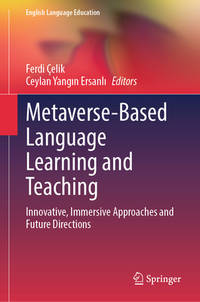
2026réf. x-3032313651Springer 2026. Hardcover. New. 341 pages. 6.14x0.81x9.21 inches. Springer hardcover
2025réf. x-1041015232Routledge 2025. Hardcover. New. 258 pages. 9.18x6.12x9.45 inches. Routledge hardcover
2025réf. x-1032690011Routledge 2025. Hardcover. New. 182 pages. 9.18x6.12x9.21 inches. Routledge hardcover