141 risultati
rif. 14535Vintage Colored Albumen Photograph of Inside the Palace in Teheran Iran. Printed in 1887 by E. Sangleboeuf. 6.7" x 9." glued on cardboard. This photograph of inside the Iranian palace is heightened with gouache a versatile painting technique which uses dense intensive colors. The gouache paint enhances the photo with a quiet brilliancy making the features of the room pop with subtle color. In the photograph we can see the geometric details of the window etchings standout in hues of blue and green while the furniture rugs and floral arrangements are lightly stroked with colors in red brown blue gold and grey. The room itself is richly furnished with various sitting areas candelabras seven floral arrangments and what appears to be a small pond in the center of the room. With some areas of age related foxing. Overall a rare and beautiful vintage photograph in very good condition. unknown books
rif. 14529Magic Lantern Iran Collection of 3 Vintage Optical Lantern images of Iran circa 1905. 3 1/4" X 4." The images include the Qajar king palace royal gardens in Tehran and the Khaju Bridge in Isfahan. In the first image we see a Persian man in traditional 19th century clothing strolling in the Qajar royal Palace and gardens. The second image is a very rare aerial view of 19th century Tehran labeled "the Shah's gardens and the new neighborhoods." Since this image predates airplanes it is an extremely rare find probably using an aerial balloon. In the final image we see the Khaju Bridge which is one of the most famous bridges in Isfahan Iran. It was built by the Persian Safavid king Shah Abbas II around 1650 C.E. on the foundations of an older bridge. It has 23 arches and is 105 meters long and 14 meters wide. The bridge served as both a bridge and a dam and public meeting place as it links the Khaju quarter on the north bank with the Zoroastrian quarter across the Zayandeh River. These are positives on a glass lantern Gelatine silver bromure. In 1850 two Daguerreotypists in Philadelphia William and Frederick Langenheim invented a transparent positive image of a photograph in the form of a glass slide that could be projected onto a wall or screen using a Magic Lantern. Magic lanterns also known as optical lanterns provided one of the most popular forms of entertainment during their heyday in the 18th and 19th centuries. Using an artificial light source and a combination of lenses these devices enlarged small transparency images or miniature models and projected them onto a wall or screen. dimensions : The photographer of the first two images Arthur Radiguet died the same year the images were made1905 he worked for the " la Maison Molteni" famous for their lantern images. The third image was produced by T.H. McAllister a very important and famous company based in New York which specialized in magic lantern equipment and images. Scarce and in very good condition. unknown books
rif. 14426Vintage Photograph of Teheran from 1905- Optical lantern image of the Qajar king Palace gardens in Tehran. This seems to be a aerial view of the garden with the city in background. Titled "VUE PRISE DU PALAIS DU SHAH-LES NOUVEAUX QUARTIERS DE TEHERAN" Photographer is "Projections Molteni Radiguet & Massiot 15 bd des filles du calvaire-Paris" This is a positive on a glass lantern Gelatine silver bromure. Magic lanterns also known as optical lanterns provided one of the most popular forms of entertainment during their heyday in the 18th and 19th centuries. In 1850 two Daguerreotypists in Philadelphia William and Frederick Langenheim invented a transparent positive image of a photograph in the form of a glass slide that could be projected onto a wall or screen using a Magic Lantern. Using an artificial light source and a combination of lenses these devices enlarged small transparency images or miniature models and projected them onto a wall or screen. dimensions : 85 cm x 10 cm. The photographer Arthur Radiguet died the year of this image in 1905 worked for the " la Maison Molteni" famous for their lantern images. Very rare to find such a aerial view of 1905 iran. In very good condition. unknown books
1989rif. 5802Stuttgart [u.a.] : Dt. Bücherbund, [1989]. 1007 S. 8°. Lizenzausg. OPpbd. ohne SU.
1880rif. 9741Paris, Hachette (=De la collection bibliothèque des écoles et des familles), 1880. deuxieme edition / 2e éd. / 2. Auflage. nombreuse gravures en bois plus une carte / mit vielen Holzschnitten nebst 1 Landkarte. orig. canvas d'editeur / gold- und blindgeprägte OLwd., 187 S., / 187 pp, Gr.8° / Grand In 8.
1993rif. 1606160947xbvk(Iran), Verlag Kamangir, 1993. (14) 1.244 (1) Seiten, mit Griffregister. - Schwarzer Original-Kunstledereinband mit blauen Dekorstreifen, goldgeprägtem Deckel- und Rückentitel und Orig.-Schutzumschlag; lex.-8vo.(ca. 24 x 19 x 6 cm; ca. 1,95 kg.).
1986rif. LIT21007Weinheim. Beltz & Gelberg. 1986. 249 S. Kartoniert. Nachwort. Glossar. Zeittafel zur Nationalisierung des iranischen Öls von 1950 - 1953. Buchrücken leicht berieben. Kanten leicht bestoßen. Exemplar ohne Stempel oder Anstreichungen. Gut erhalten.
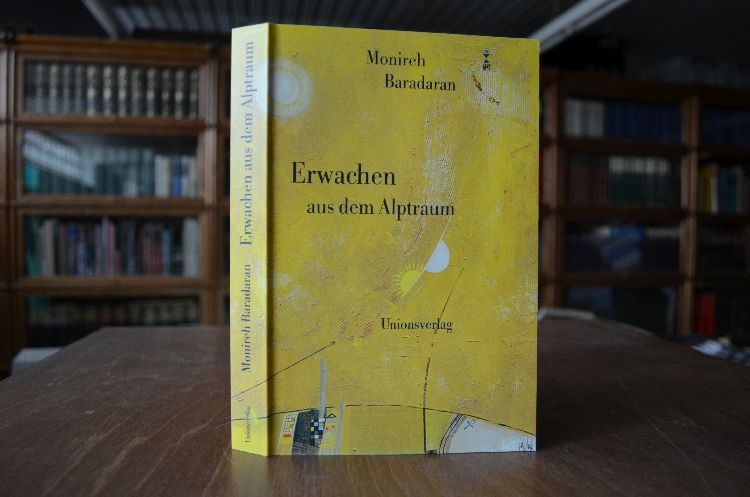
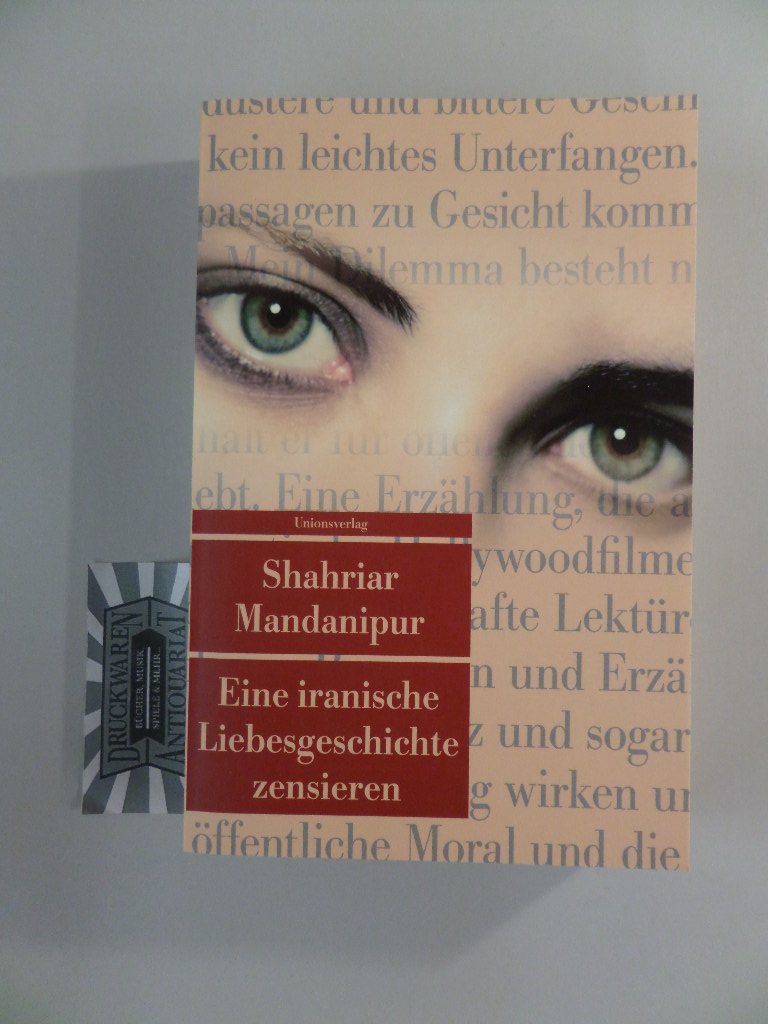
1998rif. 24045Zürich, Unionsverl., 1998. 335 S. 21 x 14 cm, Broschur
1993rif. 21340ABFrankfurt am Main, Fischer-Taschenbuch-Verl., 1993. 18 cm. 172 S. Taschenbuch (Softcover). Dt. Erstausg. Neuwertiges Exemplar. [Fischer-Taschenbücher] ; 11295.
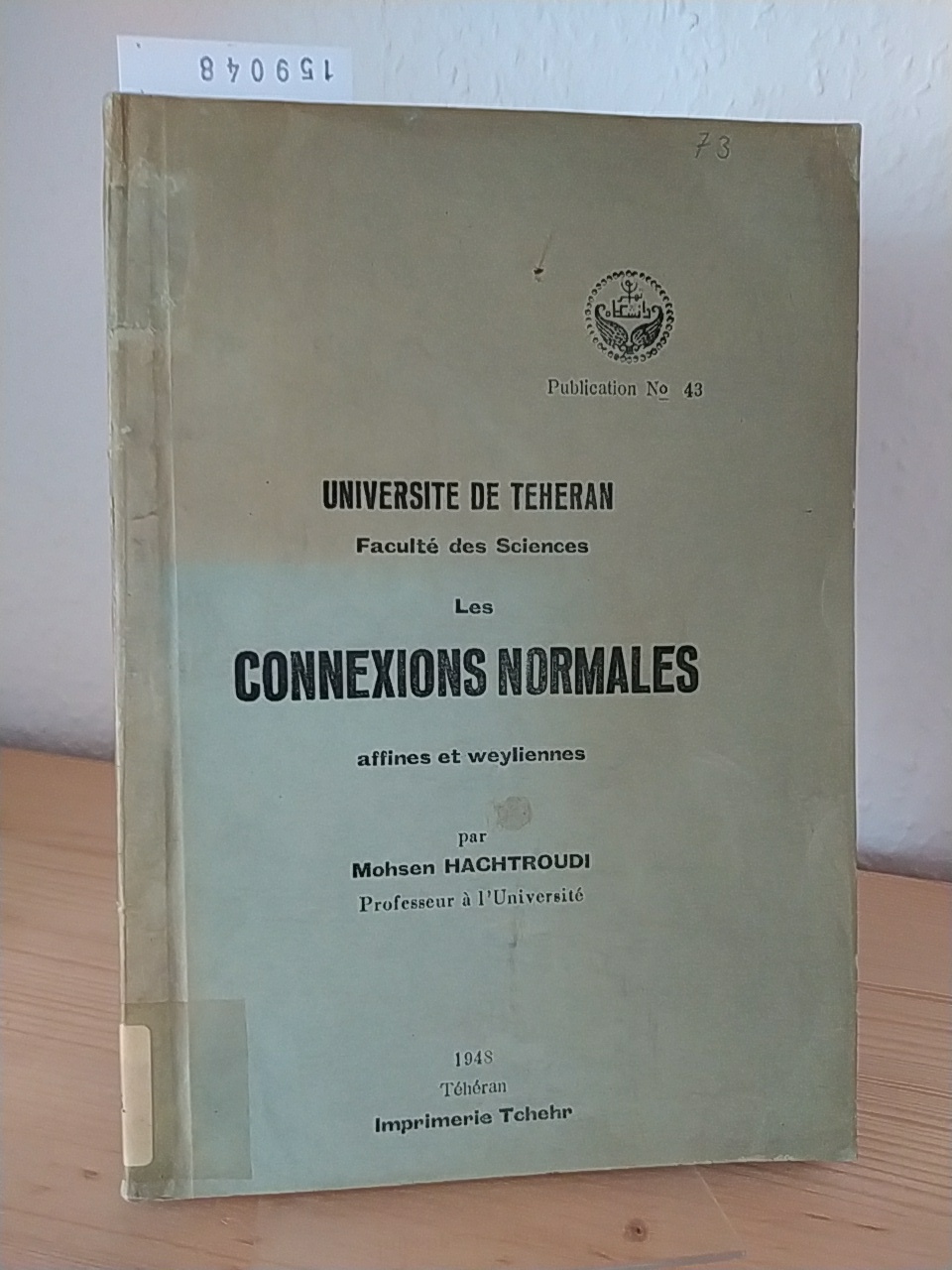
1948rif. 159048Teheran: Imprimerie Tchehr 1948. 205 Seiten. Gr. 8° (22,5-25 cm). Orig.-Broschur. [Softcover / Paperback].
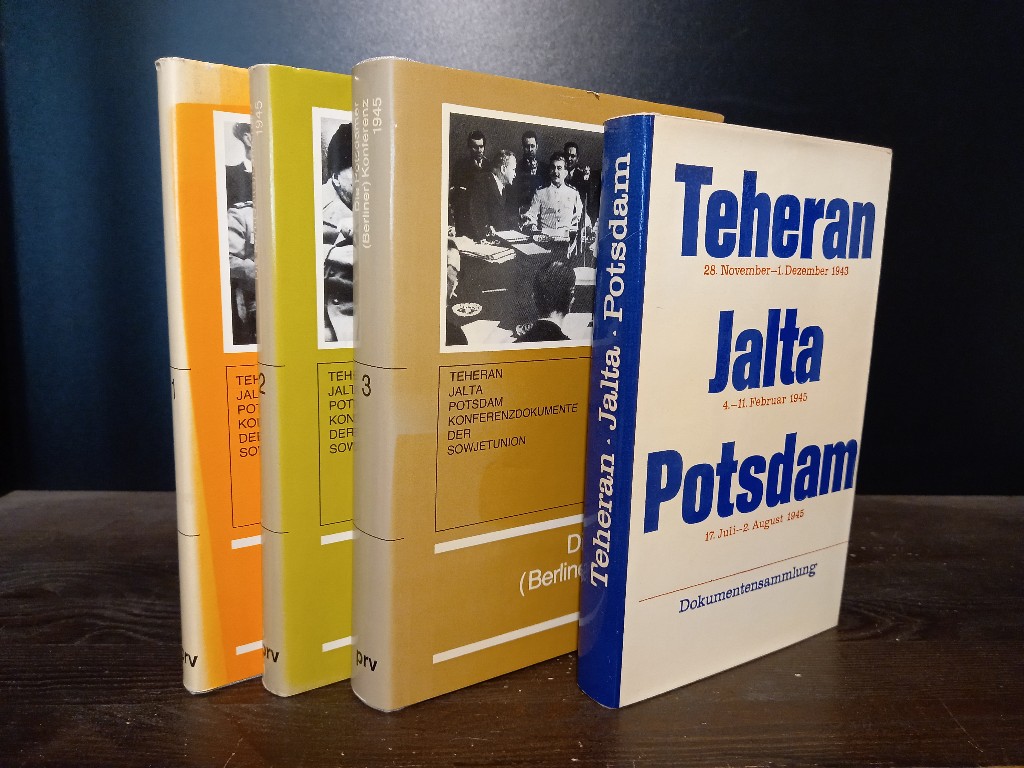
1986rif. 2136420Köln: Pahl-Rugenstein 1986. 159, (1); 270, (1); 460; 447, (1) Seiten. 8° (17,5-22,5 cm) Orig.-Leinenbände mit illustriertem Orig.-Schutzumschlag. [Hardcover / fest gebunden].
1981rif. 24254Tokyo, Kodansha International, 1981. Standard edition (first published as limited edition 1979). - Text japan. u. engl. 166 S., mit 99 Farbtaf. u. ca. 350 s/w Abb. Gr.-4°, OLwd. im illustr. OLwd.-Schuber
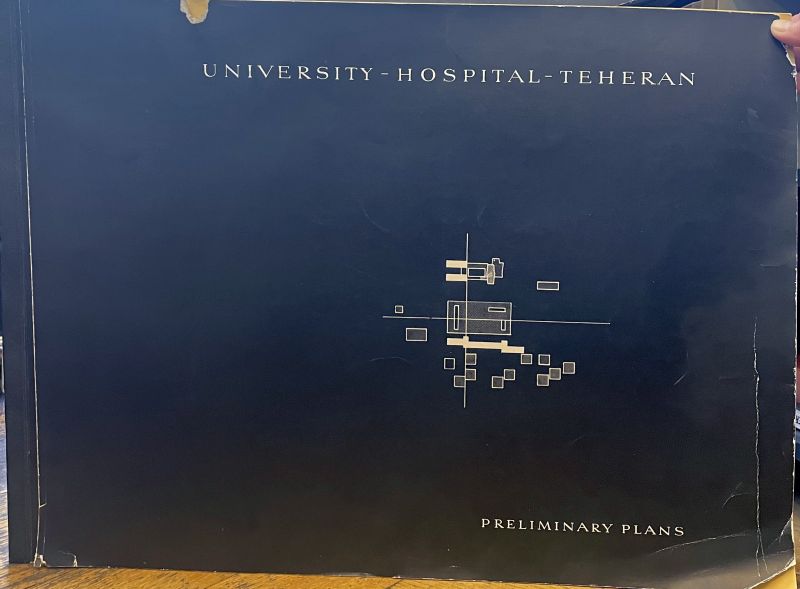
rif. 240109o.J. 20 einseitig bedr. Textbll. in engl. Sprache (U e 1-20), 20 einseitig bedr. Textbll. in deutscher Sprache (U 1-20), 36 Tafeln, 5 Bll. mit je 1 mont. Orig.-Fotografie. 40,5 x 55,5 cm, OBrosch.
1997rif. Khe00878Frankfurt (Brandes & Apsel / Südwind) 1997 (= Erste Ausgabe). 8°, illustrierte Originalbroschur ( Paperback ) 302S., ISBN 3860991728 1
1998rif. V34846Hamburg (Gruner + Jahr AG) [1998] (= wöchentliche Beilage zum Stern). 4°, illustrierter Originalumschlag ( Klammerheftung) 30 S., Abbildungen, 1
2011rif. 78236Zürich : Unionsverl., 2011. 319 S. 19 cm. kart., Broschiert.
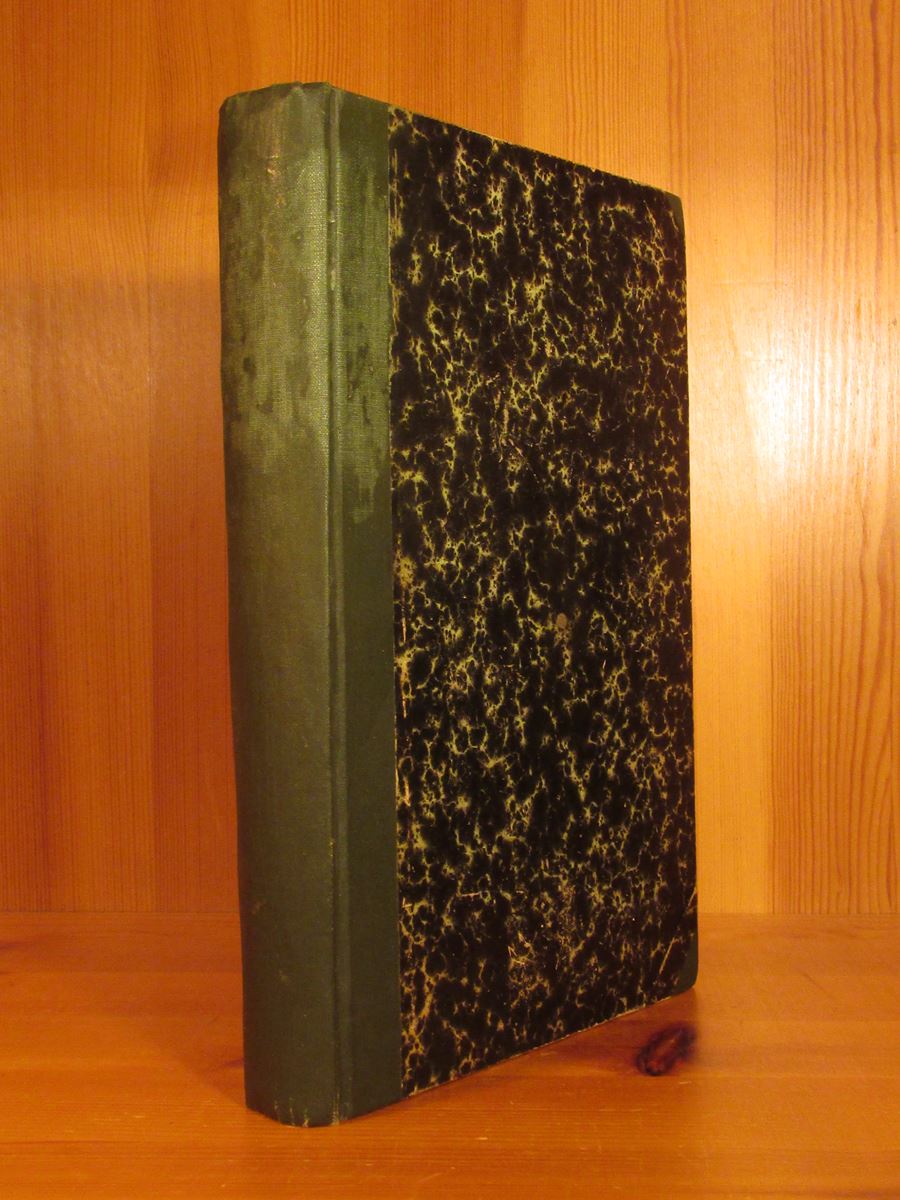
1873rif. SB-19-1628Leipzig, Brockhaus, 1873. Zweite vermehrte und verbesserte Auflage der deutschen Originalausgabe. XIV, 384 S. Grüner Halbleinenband der Zeit; Buchdeckel mit mehrfarbigen Marmorbezügen und mit Leinenecken; marmorierter Buchschnitt; farbige Vorsätze. Legendäre Reisebeschreibung des ungarischen Orientalisten und Turkologen Hermann Vámbéry (1832 - 1913). Vámbéry, der einer jüdisch-orthodoxen Familie entstammte, betrieb schon in jungem Alter ethnographisch-linguistische Studien und brachte sich autodidaktisch mehrere Sprachen, im Besonderen Arabisch, Türkisch und Persisch bei. Im Alter von 22 Jahren begab er sich nach Konstantinopel, wo er während seiner Tätigkeit als Hauslehrer Gelegenheit fand, verschiedene türkische Dialekte und Sprachen zu erlernen. 1861 begab sich Vámbéry, verkleidet als sunnitischer Derwisch, auf eine vierjährige Reise , die ihn zunächst in die bis dahin für westliche Reisende weitgehend verschlossenen Länder Armenien, Persien und Turkestan führte, später über das Uralgebiet und die Ostküste des Kaspischen Meeres nach Mittelasien; nach Aufenthalten in Chiwa, Teheran, Trapezunt, Buchara, Samarkand und Herat kehrte er von seiner Reise, die ihm weitreichende geographische, ethnographische und linguistische Erkenntnisse über die vorder- und mittelasiatischen Länder vermittelt hatte, ihm nach Konstantinopel zurück. In den folgenden drei Jahrzehnten, von 1865 bis 1905, lehrte Vámbéry als Professor für orientalische Sprachen der der Universität Budapest. Sein hier angebotenes Werk "Reise in Mittelasien" gibt die Stationen dieser faszinierenden Forschungsmission im Einzelnen wieder. Enthalten sind 12 ganzseitige Holzschnitt-Illustrationen sowie eine großformatige, mehrfach ausfaltbare Karte im Format 41 x 49 cm.
1912rif. 7549ALeipzig, Baedeker, 1912. Kl.8°. LXII, 570 S. Mit 40 Karten, 67 Plänen und 11 Grundrissen. OLn. mit Deckel- und RVg. Rücken angestaubt. 7. Auflage.
1960rif. 31955Bern, Verlag Hallwag, 1960. 4°, 32 S.,48 S., 32 S., 36 S.; mit zahlreichen s/w Abb., Zeichnungen, Grafiken, Schaubildern, Karten, Bezahlung per PayPal möglich, we accept PayPal, Regalsp. a. Fußschn., Einb. ger. beschabt und min. bestoßen, altersbed. Bräunungen, ger. Gebr.sp., kartoniert
1998rif. 38173(Zürich), Unionsverlag (1998). [1.Aufl.]. Hg. u. Übers. a.d. Persischen v. Bahram Choubine u. Judith West. 335 S. Illustr. OKart.
1978rif. x-3882260181Reichert Verlag 1978. Paperback. New. 92 pages. 6.60x0.20x9.30 inches. Reichert Verlag paperback
2013rif. x-1848725256Psychology Pr 2013. Paperback. New. 1st edition. 176 pages. 9.09x6.02x0.43 inches. Psychology Pr paperback
rif. 3882260181.Gpaperback. Good. Access codes and supplements are not guaranteed with used items. May be an ex-library book. paperback
1887rif. 145351887. Original hand-colored albumen photograph of a royal palace interior in Tehran Iran printed by E. Sangleboeuf in 1887 during the reign of Naser al-Din Shah Qajar 1848-1896. The image records the elaborate furnishings and architectural decoration associated with Qajar court interiors including geometric window ornamentation patterned carpets upholstered seating candelabras and floral arrangements. Its carefully applied gouache coloring distinguishes individual architectural and decorative features preserving a nineteenth-century photographic depiction of Persian royal interiors and the material culture of the Qajar court. Sangleboeuf E. printer. Interior of a Palace in Tehran. 1887. Original albumen photograph heightened by hand with gouache measuring 6.7" x 9" mounted on cardboard. The composition presents a richly furnished palace room with several seating areas patterned rugs candelabras and seven floral arrangements. Geometric window decorations are highlighted in blue and green while the furniture carpets and architectural details are selectively colored in red brown blue gold and grey. A small apparently ornamental pool occupies the center of the room. The gouache additions emphasize the interior's decorative surfaces while retaining the photographic detail of the original albumen print. The photograph dates from the reign of Naser al-Din Shah an enthusiastic patron of photography who maintained a photographic establishment at the Qajar court. Photography became an established means of recording royal residences palace ceremonies and architectural interiors in nineteenth-century Iran. E. Sangleboeuf is also documented as a printer of hand-colored Persian photographs dated 1887 including work associated with the photographer Antoine Sevruguin. The combination of albumen photography and applied gouache in this example records both the palace's furnishings and the contemporary practice of enhancing photographic prints with color. Some age-related foxing; overall in very good condition. unknown
1905rif. 144261905. Molteni Radiguet & Massiot. Vue Prise du Palais du Shah Les Nouveaux Quartiers de Téhéran 1905. Original photographic glass lantern slide recording an elevated view from the Shah's palace in Tehran during the reign of Mozaffar al-Din Shah Qajar 1896-1907. The image encompasses the royal palace gardens and surrounding urban landscape with the developing districts of Tehran extending into the distance. Its French title translating to "View Taken from the Shah's Palace the New Districts of Tehran" specifically identifies the city's expanding neighborhoods. Dating from the final years of Qajar absolute monarchy the photograph records Tehran immediately before the Persian Constitutional Revolution of 1905-1911 which led to the establishment of a constitutional government and the opening of Persia's first national parliament in 1906. Vue Prise du Palais du Shah Les Nouveaux Quartiers de Téhéran. Paris: Projections Molteni Radiguet & Massiot 1905. Original gelatin silver bromide positive glass lantern slide measuring 8.5 x 10 cm. The photograph presents a broad elevated perspective overlooking the palace gardens toward Tehran's surrounding buildings and newer residential districts. The slide bears the French title "VUE PRISE DU PALAIS DU SHAH-LES NOUVEAUX QUARTIERS DE TEHERAN" and the publisher's identification "Projections Molteni Radiguet & Massiot 15 bd des filles du calvaire-Paris." Produced for projection through an optical or magic lantern the glass transparency could be enlarged onto a screen for public lectures educational presentations and illustrated travel programs. The Parisian optical firm Molteni was acquired in 1899 by Arthur Radiguet and Georges Massiot who continued manufacturing photographic projection equipment and lantern slides for scientific educational and public presentations. Arthur Radiguet a pioneer in electrical and optical instruments who also worked extensively with early X-ray technology died in 1905. The firm's distribution of photographic views brought images of distant cities and historic sites before European audiences through projected lectures. This Tehran view records the Qajar capital during a period of urban expansion and political unrest with its French inscription identifying the newer neighborhoods as the principal subject. The surviving glass positive preserves an early twentieth-century photographic view of the city before subsequent phases of modernization under the Pahlavi dynasty. In very good condition. unknown