Steinberg, Franz AntonAntiquariat.de

1 606 résultats
1758réf. 16809Laibach, Reichhardt, 1758. 6 Bll., 235 S. 1 Porträt und 34 teils gefalt. Tafeln (alles in Kupferstich). 8°. Pgmt. des 20. Jahrhunderts mit hs. Rückentitel (etw. fleckig und verzogen). [6 Warenabbildungen]
1909réf. STLE0123Wien, Privatdruck der Gesellschaft österreichischer Bibliophilen [d.i. C.W. Stern] 1909. 35 x 28 cm. 7(1) S. (Titel u. Einl.), 12 Tafeln m. Illustr. unter betitelten Seidenhemdchen. Lose in neuer Flügelmappe m. aufgez. Deckel der OBrosch. Teile des OEinbandes angeschmutzt, rissig u. abgerieben, Schnitt stockfl., Titelei u. Tafeln abgegriffen u. z.Tl. an den Rändern u. Ecken bestoßen. Englisch, Irrgarten 81,16; Hayn-Got. VII, 721; Bilder-Lex. IV, 808. - Eines von 550 num. Exemplaren einer einmaligen, 'nicht im Handel' erhältlichen Auflage. Von Gottfried Sieben unter einem beabsichtigt englisch klingenden Pseudonym in der vom Wiener Verleger C. W. Stern imaginierten 'Gesellschaft österreichischer Bibliophilen' gegründeten Reihe veröffentlicht. - Gottfried Sieben (1856-1918) war österreichischer Zeichner u. Graphiker. Er studierte an der Wiener Akademie und arbeitete als Karikaturist u. Illustrator für zahlreiche österreichisch-ungarische Zeitschriften. "1888 bereiste er Rußland, den Kaukasus und den Balkan. Zu jener Zeit entstanden auch seine hocherotischen, ziemlich sadistischen, aber ganz unpersönlichen Zeichnungen, die er unter dem Titel 'Balkangreuel' unter dem Namen Smith in Mappenform herausgab" (Bilder-Lex.). - DIFFERENZBESTEUERT
1663réf. 1442Nürnberg, Paul Fürst, 1663. 3 Bll., 314 S., 3 Bll. (Register). 1 Kupfertitel, 64 Kupfertafeln mit 165 (statt 171) Abbildungen, 1 gefalt. Stammtafel. 4°. HLdr. um 1800 mit Rückenschild bestoßen und beschabt). [7 Warenabbildungen]
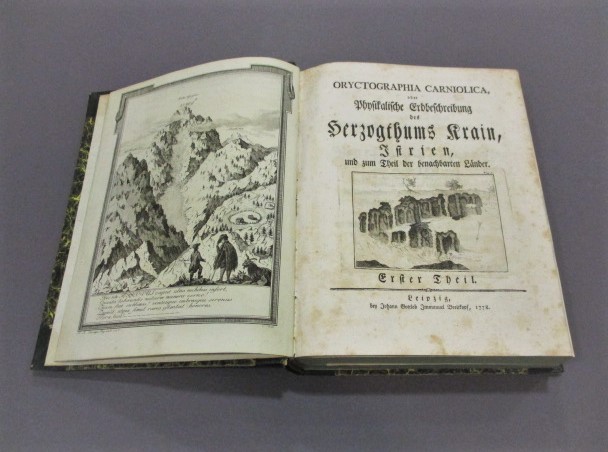
1789réf. 22489Leipzig, Breitkopf, 1778 - 1789. XVI, 162 S., 1 Bl. (Verbesserungen), XXXII, 186 S., 1 Bl. (Zusatz zu S. 152), XX, 184 S., XVI, 91 S. mit einigen Textkupfern. 4 Frontisp., 3 mehrfach gefalt. Landkarten und 19 gefalt. Tafeln (alles in Kupferstich). Gr.-8°. HLdr. der Zeit mit Rückentitel (etw. berieben und bestoßen). [5 Warenabbildungen]
1640réf. 18000Rom, Typographia Sacra Congregatio de propaganda fide, 1640. 18 Bll., 82, 450 S., 1 Bl. mit einigen Textholzschnitten. Gr.-8°. HLdr. der ersten Hälfte des 20. Jahrhunderts mit Rückentitel (etw. bestoßen). [6 Warenabbildungen]
2011The Double Headed Eagle, the symbol of the Late Byzantine Empire, speaks eloquently to the worldview of the Byzantines, whose Empire looked both to the East and to the West, but never was-or is-really part of either. At its apogee, the Byzantine Empire was the highest civilization in Europe-the Center. This Double Headed Eagle is cherished by the Balkan Orthodox successors to Byzantium, and versions of it grace the national flags of Serbia, Montenegro, and even Albania. Encroached upon by both the Muslim East and the Catholic West, the Byzantine Eagle succumbed, only to emerge, in a state of arrested development, after several hundred years of Turkish or Western Catholic rule. This stunted progression emerges time and again in the civic culture, architecture, economics, and politics of the region, and has direct relevance on political and economic issues today, including Greece's present financial malaise, and the breakup of Yugoslavia in the 1990s. Traveling through this Ex-Byzantine zone, Billinis offers history, architecture, personal experiences, and numerous anecdotes to expound on key central themes. First, that the Balkan Orthodox nations form a common culture and virtual commonwealth, while still maintaining ethnic, geographical, and linguistic diversity. Without understanding this common Byzantine base, it is impossible to appreciate and to understand the region. Second, the common experience of Turkish rule, while preserving Byzantine culture and insulating the Orthodox religion from Catholic encroachment, did so by cutting off Byzantine Europe from economic, political, cultural, and civic development in progress in Western Europe. The states that emerged from this condition were-and are-ill prepared to contribute and to compete in modern Europe, and in a globalized world Print on Demand