ANDOCIDE.MareMagnum

18 211 résultats
1930In 8°, br. edit. (lievi tracce d'uso e bruniture), pp. (2),XXXVI,153,(1); copia molto buona, texte établi et traduit par Georges Dalmeyda; con testo greco a fronte. (LU019) (La spedizione standard è SEMPRE tracciata con raccomandata - piego di libri, eventuale FATTURA da richiedere all'ordine)
23x15. 436p. Firma anterior poseedor. Faccsímil de la ed. De París de 1870.
1891réf. APHI0045(Mchn., Beck 1891). gr.-8°, S. [272] bis 484, mit 54 Abb. auf 12 Taf., blindgepr. Lnbd. m. gldgepr. RüTit., berieb., etw. bestoß., marmor. Schnitt. Sep.-Abdr. aus dem "Handbuch der klassischen Altertumswissenschaft", IV. Bd., 2. Aufl.)
1971In 8°, br. edit., pp. 63,(1) seguite da 12 tavv. su carta lucida contenenti 101 riprod. di monete in b/n; copia molto buona. (LU018) (La spedizione standard è SEMPRE tracciata con raccomandata - piego di libri, eventuale FATTURA da richiedere all'ordine)
1982réf. 69809Editions Séquoia 1982 Jaquette très légèrement cornée en tête, sinon bon état.
1963réf. 94024Hachette, coll. « Chefs-d’oeuvre de l’art » 1963 In-4 cartonné 30 cm sur 24. pagination de 201 à 392 n+39 pages de Chronologie et table. Très bon état d’occasion.
8vo, ril. ed. sovrac. pp.424. L'impero romano d'Oriente visse suo malgrado per oltre mille anni in uno stato di guerra continua. La sua capitale Costantinopoli, la splendida 'regina delle città' non smise mai di attirare conquistatori avidi di preda dai quattro angoli del mondo: Goti, Unni, Slavi, Avari, Persiani, Arabi, Bulgari. L'impero, spesso sull'orlo della disfatta, riuscì sempre a trovare la forza necessaria per rialzarsi dopo le sconfitte. Aveva ereditato da Roma antica uno dei più potenti eserciti della storia: attraverso molti cambiamenti organizzativi, strategici e tattici, fu comunque in grado di mettere in campo armate capaci di respingere le continue invasioni. Il libro ripercorre i primi turbinosi secoli di questa storia, dalla disfatta di Adrianopoli del 378, che costrinse Teodosio 1 a riformare l'intero sistema difensivo imperiale, fino alle vittorie sugli Arabi e sui Bulgari, che nel IX secolo restituirono alla Nuova Roma uno spazio di dominio nei Balcani e in tutto il Mediterraneo orientale. Vengono analizzate sia la strategia dell'impero che le tattiche di combattimento, spesso all'avanguardia, delle sue armate, nonché la loro organizzazione, legata ad aspetti cruciali della vita sociale ed economica dello Stato. Al riparo dello scudo bizantino ebbe modo di prosperare e svilupparsi l'Europa latina: che però non riconobbe mai ai fratelli d'oriente il merito di aver difeso con il proprio sangue la pace di tutta la Cristianità.
This book explains that Shakespeare did not have 'small Latin and less Greek' as Ben Jonson claimed. Shakespeare and Classical Antiquity shows the range, extent and variety of Shakespeare's responses to classical antiquity. Individual chapters on Virgil, Ovid, Classical Comedy, Seneca, and Plutarch show how Shakespeare's understanding of and use of classical authors, and of the classical past more generally, changed and developed in the course of his career. An opening chapter shows the kind of classical learning he acquired through his education, and subsequent chapters provide stimulating introductions to a range of classical authors as well as to Shakespeare's responses to them. Shakespeare and Classical Antiquity shows how Shakespeare's relationship to classical authors changed in response to contemporary events and to contemporary authors. Above all, it shows that Shakespeare's reading in classical literature informed more or less every aspect of his work
2005réf. 104904Richmond Editions 2005 In-8 cartonné 22 cm sur 17,5. 317 pages. Très bon état d’occasion.
1997réf. 133576Puf 1997 In-8 broché, 632 pp.
1984réf. np520Association des amis de la Grèce Dos carré collé 1984 In-4, (20.5x29.5 cm), dos carré-collé, dos scotché, 155 pages, texte dactylographié, quelques illustrations en noir et blanc ; dos frotté, bon état. Livraison a domicile (La Poste) ou en Mondial Relay sur simple demande.
1986réf. np521Association des amis de la Grèce ELLHNIKA XPONIKA - Chroniques grecques Dos carré collé 1986 In-4, (20.5x29.5 cm), dos carré-collé, dos scotché, 203 pages, texte dactylographié, quelques illustrations en noir et blanc, documents insérés avec l'ouvrage ; légères traces sur les plats, bon état. Livraison a domicile (La Poste) ou en Mondial Relay sur simple demande.
1991réf. 3651Centre culturel du Panthéon 1991 In-4 reliure éditeur sous jaquette, 220 pp. Illustrations couleurs
1991réf. 74772Errance 1991 In-8 relié 24,2 cm sur 16,4. Très bon état d’occasion.
2000In-8° gr. pp. 174, bross. edit. Come nuovo.
1997Mm 170x240 "Collection de l'École Française de Rome - 237". Brossura editoriale con bandelle, XIII-476 pagine di testo in lingua francese - french text.Indice degli argomenti trattati e dei nomi in chiousura. Opera in stato di nuovo. SPEDIZIONE IN 24 ORE DALLA CONFERMA DELL'ORDINE. WORLDWIDE DELIVERY.
1860réf. qs354Limoges, imprimerie de Chapoulaud frères Plaquette 1860 In-8, (14.5x21.5 cm), rare plaquette, 11 pages, ex-libris de Giot ; légères traces sur les plates, note sur la couverture, assez bon état. Livraison a domicile (La Poste) ou en Mondial Relay sur simple demande.
1970272pp., in the series "Aspects of Greek and Roman Life", cm., publisher's hardcover in blue cloth with gilt lettering on spine, dustwrapper, text and interior clean and bright, good condition, F105087
1957réf. 2838ABBern, Francke 1957. Zweite Auflage. Gr.8°. 672 S. OLwd. Viele farbige Anstreichungen. (=Kulturgeschichte der Menschheit Bd 2). 2
1982réf. 4878La Palatine 1982 In-8. Reliure éditeur sous jaquette, 236 pp. Illustrations en noir
8vo, trade paperback, a clean and sound copy, stamped DAMAGED to title page, hence a remaiindered copy. no faults. . Plague was a key factor in the waning of Antiquity and the beginning of the Middle Ages. In this volume, the first on the subject, twelve scholars from a variety of disciplines - history, archaeology, epidemiology, and molecular biology - have produced a comprehensive account of the pandemic's origins, spread, and mortality, as well as its economic, social, political, and religious effects. The historians examine written sources in a range of languages, including Arabic, Syriac, Greek, Latin, and Old Irish. Archaeologists analyse burial pits, abandoned villages, and aborted building projects. The epidemiologists use the written sources to track the disease's means and speed of transmission, the mix of vulnerability and resistance it encountered, and the patterns of reappearance over time. Finally, molecular biologists, newcomers to this kind of investigation, have become pioneers of paleopathology, seeking ways to identify pathogens in human remains from the remote past.
19701 Vol. In-16 t. editoriale. Sovracpt. e risguardi ill pag. 318 33 ill. e 5 cartine f. t PROG 4434 CATT_ATT 54
194627 + [4] pp., exemplaire numéroté: no.324 sur papier vélin de chiffon, 22cm., brochure originale (peu décoloriée), ex-libris sur la feuille de garde blanche, texte et intérieur frais, bon état, F105189
1946réf. F105189Paris, J. & R. Wittmann 1946 27 + [4] pp., exemplaire numéroté: no.324 sur papier vélin de chiffon, 22cm., brochure originale (peu décoloriée), ex-libris sur la feuille de garde blanche, texte et intérieur frais, bon état, F105189
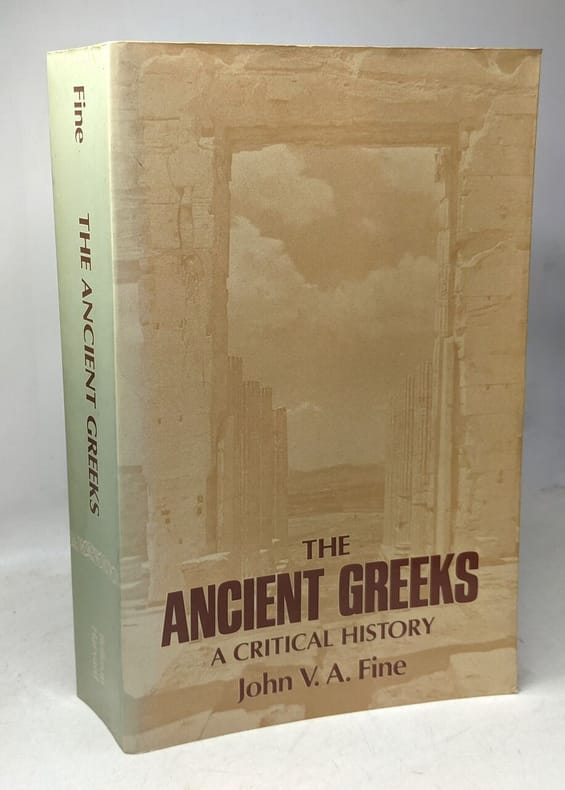
1985réf. 100132602The Belknap Press 1985 734 pages 15 494x4 572x23 114cm. 1985. Broché. 734 pages.