BENY ROLOFFMareMagnum

18 211 résultats
Arthaud. 1964. In-4 Carré. Relié. Bon état. Couv. partiel. décollorée. Dos satisfaisant. Intérieur frais. 274 pages. Photos héliogravées en frontispices. Illustré de nombreuses photos héliogravées en noir et blanc hors texte (dont certaines encollées). Etiquette de code sur le dos. Tampon de bibliothèque en page de garde. Dans le sillage d'Ulysse. Citations de l'Odyssée d'Homère trad. par Félix Germain. Commentaires des illustrations de John Lindsay Opie. Trad. française de Félix Germain.
1964réf. RO40161450Arthaud. 1964. In-Folio. Relié. Bon état, Couv. convenable, Dos satisfaisant, Intérieur frais. 274 pages. Photos héliogravées en noir et blanc en frontispice. Illustré de nombreuses photos héliogravées en noir et blanc hors texte (quelques-unes encollées).. Avec Jaquette. . . Classification Dewey : 949.5-Grèce
1964réf. RO30331158Arthaux. 1964. In-Folio. Relié toilé. Bon état, Couv. convenable, Dos satisfaisant, Intérieur frais. 274 pages. Contre-plats illustrés en noir et blanc. 148 héliogravures en noir et blanc, hors texte. Texte sur deux colonnes.. . . . Classification Dewey : 949.5-Grèce
réf. 95258Paris, Société d’Edition Les Belles Lettres 1961, 200x130mm, 35pages, broché. Bel exemplaire.
ARTHAUD. 1963. In-Folio Carré. Relié toilé. Bon état. Couv. convenable. Dos satisfaisant. Intérieur frais. 274 pages - nombreuses photos en noir et blanc dans et hors texte.
1963réf. R320095298ARTHAUD. 1963. In-Folio. Relié toilé. Bon état, Couv. convenable, Dos satisfaisant, Intérieur frais. 274 pages - nombreuses photos en noir et blanc dans et hors texte.. . . . Classification Dewey : 949.5-Grèce
1976soft cover, stained cover, slightly yellowing pages, many pictures, else in good condition.
1968réf. 10794Paris, Société d'édition Les Belles Lettres, coll. des Universités de France, 1968. In-8 broché, couverture imprimée en noir ornée de l'indispensable chouette. Belle condition, non coupé.
16mo, br. ed. pp.184. Gli dèi non sono frutto di invenzioni, elucubrazioni o rappresentazioni, ma possono soltanto essere sperimentati». Tale era la prospettiva di Walter F. Otto, ribadita in questo libro, che si può considerare il suo lascito: muovendo da una critica serrata alle «posizioni teoriche che continuano a ostacolare la genuina comprensione della religione greca», e lasciando poi risuonare direttamente «la voce del più spirituale e creativo di tutti i popoli ... che ben riusciamo a percepire, purché ci mettiamo in ascolto di quel che hanno da dirci i suoi maggiori testimoni da Omero in poi », Otto ci mostra come i miti siano in realtà autentiche «rivelazioni ontologiche», in quanto nati non già da sogni dell'anima, ma «dalla lucida contemplazione dell'occhio spirituale spalancato sull'essere delle cose». E ci spiega perché gli dèi greci continueranno sempre a parlarci: «Apollo, Dioniso, Afrodite, Ermes e tutti gli altri restano per noi manifestazioni sempre luminose ed estremamente significative. E per quanto possa risultarci difficile credere seriamente in loro, il loro sguardo sublime non cessa di venirci incontro appena ci solleviamo da tutto ciò che è meramente fattuale nelle altezze dove dimorano le forme».
8vo, br. ed. pp.237. Pochi personaggi storici, scriveva nel 1901 il bizantinista Charles Diehl, sono più difficili da giudicare dell'imperatore Giustiniano. Si può dire nello stesso tempo di lui assai bene e assai male e per giustificare il male come il bene le prove sembrano moltiplicarsi. Lo storico moderno è forse meno sensibile alle sue categorie morali, ma quanto afferma è indubbiamente vero. Se però è difficile giudicare Giustiniano, ancor più lo è con la moglie Teodora e ciò per due buoni motivi. Il primo è che Teodora imperatrice è assai diversa dalla giovane attrice che aveva condotto una vita sregolata a Costantinopoli, quasi come si trattasse di due persone diverse, anche se la storia annovera altri casi del genere. Il secondo, di ordine tecnico, consiste nel fatto che l'informazione sulla sua attività è piuttosto carente e fortemente contraddittoria. Quella poi che dovrebbe essere la fonte principale, la 'Storia segreta' di Procopio di Cesarea, sembra per molti storici presentare un quadro distorto della realtà dovuto all'odio viscerale che aveva l'autore per lei." (dalla premessa dell'autore)
Prima Edizione. Ottavo. Collana LE VITE. pp.285. Traduttore Lorenzo Pellizzari rilegato in tela editoriale con sovracoperta
2003bross. edit. ill. - cartine ad inizio volume, illustrazioni in b.n e a colori fuori testo
1957[An Evergreen Original ] " The sadness, charm and lust of the Mediterranesn . A Greek radio station serves as the background for this story of tragic lives interlocked into complex patterns of love and hate" 224p. Crisp, tight, unmarked copy. Book
1983"The battle for Crete made history because it was the first Airborne attack without the benefit of ground troops. And it was the first battle in which the civilian populations stood shoulder to shoulder with the military, fighting for their precious freedom. The historical significance of Crete is directly linked to the outcome of the war." Text neat and complete. Usual marks of library ownership, a few stains. 408p. maps bibliography.maps index Ex-Library
Aug. Vind., 1770 circa. Incisione in rame all'acquaforte, colore d'epoca, cm 29,5 x 40 (il foglio). Esemplare con usuali difetti marginali e con patinadi sporco, bella la coloritura.
1970"This collection of essays on the major centres of worship in ancient Greece is both a guidebook for the visitor (with site plans and photographs) and a general companion to the history and religion of the Greeks, exemplified in the archaeological evidence" each article by a distinguished local expert 216p. maps. diagrams, plates .index. [Published in the USA under the title :The Greek Experience : A Companion Guide to the Major Architectural Sites, and an Introduction to Ancient History."] Book
réf. 137560André Dantan Paris 1937 In-folio ( 385 X 285 mm ) de 43 pages, broché sous couverture illustrée d'un temple grec rempliée. 14 eaux-fortes originales de Pierre MATOSSI sous serpentes hors-texte. EDITION ORIGINALE, 1 des 910 exemplaires numérotés en chiffres arabes. Très bel exemplaire.
réf. 20558Illustré de 14 Eaux-Fortes originales de Pierre Matossy . 1937 ; In folio broché .Couverture rempliée .45 pp.
réf. 41775Flammarion 1965, grand in-4 (31 x 24 cm) relié toile ocre de l'éditeur sous jaquette illustrée avec étui cartonné muet, 298 p. (très bon exemplaire) Sur bon papier, avec 176 illustrations NB hors-texte, 36 reproductions contrecollées en couleurs, de nombreuses figures in-texte, bibliographie et index des termes techniques. Un monument d'érudition, appuyée sur une riche iconographie.
1973réf. 102820London, Thames and Hudson, 1973, pt in-8°, 216 pp, 117 illustrations (dont 29 en couleurs), une carte, index, broché, bon état. Texte en anglais
1955Delightful account of a botanical trip to Greece by Lady Vyvyan and her friend Daphne Du Maurier looking at places way off the beaten tourist track ' in search of flowers.196p+ 10 plates [ B & W] Map. Book
1774réf. 12378Londres, Musier, 1774 2 parties en 1 vol. in-8 de 2 ff. XVI-196 pages, 1 ff. 197 à 347, 1 ff., demi toile postérieure
1980Former owner's name to titlepage. ; 65pp, line-drawings. Theme of "Minoan Foreign Relations at the beginning of the late Bronze Age"; 4to - over 9¾" - 12" tall; 65 pages
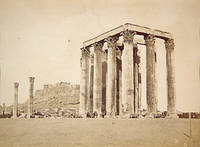
réf. 61525c.1880. . Large albumen print. Good tonal range and in good condition; Dimensions: 270 x 370mm. 10.5 x 14.5 inches. The Temple of Olympian Zeus is a former colossal Corinthian temple at the foot of the Acropolis in the centre of Athens. Construction began in the 6th century BC during the rule of the Athenian tyrants but was not completed until the reign of Roman Emperor Hadrian in the 2nd century AD taking a total of 638 years to complete. The temple was reduced to ruins just a century after its completion after being pillaged during a barbarian invasion in 267 AD. However a substantial part of the temple remains despite centuries of extensive quarrying for building materials after the fall of the Roman Empire. Pictured here are only 15 of the original 104 columns still standing with a sixteenth column lying on the ground where it fell during a storm in 1852. The Acropolis is visible behind. Chairs and benches have been laid out around the base of the temple for people to rest. The site remains virtually unchanged today. [c.1880]. unknown