903 risultati
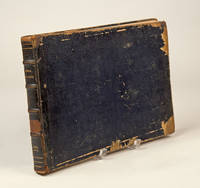
1897rif. WA6771New York: G. Schirmer 1897. Hardcover. Fair. 4to quarter morocco lacks spine floral cloth very edgeworn. Used as a scrapbook or souvenir book. Unique. Ex libris Emílie Pavlína Venceslava Kittlová aka Emmy Destinn aka Ema Destinnova. As you know she was famed for her portrayal of Aida at the Metropolitan Opera in New York in 1908. This book bears a two-line inked inscription with her signature dated 11 November 1908 on the blank page. Tipped into the book are 5 official portrait photographs of her in costume. At least two of them are by H. Mishkin New York City. Also tipped-in or laid in are clippings and images of other Aida and operatic performers. Also glued in are reviews of her performances in English and in Czech from a Chicago magazine. Also included are all or parts of printed programs. G. Schirmer hardcover
rif. 29868Image size ca. 212 x 142 mm. sheet size 321 x 190 mm. The design depicts a man dressed in an exotic Egyptian costume deocrated with numerous armlets anklets necklace earrings headdress etc. Executed in watercolour and gold paint on heavy wove paper. Slightly worn; browning to outer edges from old mat; remnants of mounting paper to verso. unknown
1786rif. 020464Valentiae Edetanorum Valencia Spain: Ex Praelo Josephi et Thomae de Orga 1786. Second Edition. Leather. Acceptable. 0x0x0. VINNIUS CASTIGATUS atque ad usum tironum Hispanorum accomodatus: in quorum gratiam Hispaniae leges opportunioribus locis traduntur. Volume 1 Tomus Primus Only. Opera Joannis Sala Presbyteri in Valentina Metropolitana praepositi. Editio secunda. Text in Latin. Hardcover bound book. Full Leather 568 pages. Vintage fountain pen ink notes and marginalia also in Latin. frontis engraving. front cover detached. The rear hinge the inside portion of the flexible fold where book cover meets the book spine is split loose or open the rear cover is still attached by the joint the exterior flexible fold where book cover meets book spine. Leather on Leather paste on spine title gold gilt designs on spine. There is rub-through to the corners of the boards but the text block is surprisingly sharp. Punishment of Vinnius; and accommodated for the use of Spanish recruits: in favor of whom the laws of Spain are delivered to more convenient places. OR VINNIUS CASTIGATED; and to the use of the recruits of the Spanish adapted to the: in the grace of Spain the laws of the most appropriate places are given. FREE Media Mail Shipping! Images available for any item just ask. Any images shown next to the listing that have our www.aCastleofBooks.com watermark on them are the exact item you will receive all other images are for reference only. Free delivery confirmation for domestic orders. Books with Author signatures are guaranteed authentic. We understand collectors needs in terms of accurate grading and proper packaging. We stand behind our descriptions 100%. All items will be shipped securely to insure that they arrive in exactly the same condition in which they left. May have small easily erasable pencil markings on first page. Our Packing Slips do not contain any pricing information so you may order items as Gifts or for Dropship without concern. We ship every Monday Wednesday & Friday morning. All items subject to prior sale. Why the odd prices We run a percent discount for our Biblio listings which insures Biblio has our lowest prices online but does give odd change. Ex Praelo Josephi et Thomae de Orga hardcover
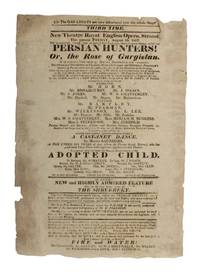
1817rif. AQ35159London: s.n. 1817. Single leaf broadside. Browned with staining and chipping to edges and some loss to upper right corner. An apparently unrecorded playbill displaying an early effort by London's Lyceum Theatre renamed The English Opera House in the summer of 1817 to present an illumination of the 'audience part of the theatre' during a performance of The Persian Hunters or the Rose of Gurgistan a comic opera featuring music by English composer Charles Edward Horn 1786-1849. Although the use of gaslight in street-lamps had first been demonstrated a decade prior in 1807 the goal to introduce gaslighting to the commercial stage took years to evolve into the competitive landscape of 1817 where three of London's premier West End venues the Theatre Royal Covent Garden Theatre Royal Drury Lane and the Lyceum Theatre entered into a rapid race to produce the first fully-gaslit public performances in a West End venue. The Royalty an East End theatre later renamed The East London Theatre had previously installed gas piping and lighting fixtures across both the auditorium and the stage in 1816 demonstrating the viability of such a project. The English Opera House led by director Samuel Arnold proudly boasted on August 6 1817 that 'Gas Lighting will this evening be introduced over the whole stage' seemingly claiming themselves the winners of the century's most contested technical theatre contest. Despite this the lack of an illuminated auditorium meant that the theatre's audience remained in candlelight until a month later when the venue opened fully illuminated for the first time. The Theatre Royal Drury Lane despite only revealing its gaslit stage on the 6th September 1817 was able to argue that due to their introduction of gaslighting into the auditorium several weeks prior they were in fact the first of the three theatres to achieve the much vied- for feat. On the same night The Theatre Royal Covent Garden also offered a demonstration of gaslight on their stage finally concluding the rivalry and introducing a vital element of technical staging into London's leading venues for the remainder of the century. . Dimensions. [s.n.] unknown
rif. 60995. PLEASE NOTE that those programmes on pink/yellow paper were sold whilst those on white paper were given free with the performance. Apart from the Announcement booklets all the programmes have a central panel on the front cover with an ornamental border. unknown
rif. 1106UH8J0HQVery Good. Barely very good black on light blue paper back 338 pages in English and Latin. Arnaldi de Villanova Opera medica omnia GRADIBUS Edited and with an important essay on the development of medieval pharmaceutical theory by Michael McVaugh. Please see our pictures unknown
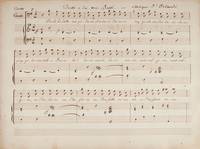
rif. 41573Oblong folio. Contemporary leather-backed marbled boards. In a single hand throughout. 1 Orlandini Giuseppe Maria 1676-1760 Duetto a due voci Bassi Musique d'Orlandi. 19 i blank pp. With text commencing "Perchè hà detto mio padrone." From Pergolesi's La serva padrona "The large number and wide spread of performances of his operas confirm the opinions of Burney La Borde Martini and Quadrio that Orlandini was highly celebrated as a composer of dramatic music. He was best known for his comic intermezzos in which genre his importance almost certainly outweighs that of Pergolesi." John Walter Hill and Francesco Giuntini in Grove Music Online 2 Curcio Giuseppe Maria 1752-1832 Di marte la Tromba. Duo di G. Curcio. For Zulema and Gonsalvo. 13 pp. With text commencing "Zulema e dunque in vano t'ho salvato o Zamoro." From Zulema first performed in Naples at the Teatro San Carlo on 13 August 1797. "Curcio composed operas for Naples Florence Rome and other cities and librettos from 1797 onwards indicate that he was a member of the Florence Accademia degli Armonici." Ugo Gironacci in Grove Music Online 3 Nicolini Giuseppe 1762-1842 Duetto del Opera il Coriolano. 25 pp. With text commencing "Fra i perigli onor mi chiama." From Coriolano first performed in Vienna no date and in Milan and Turin in 1808. "For about 20 years principally between 1811 and 1820 Nicolini could count on an enormous public even outside Italy who exalted him to the level of the most celebrated masters. In 1807 in Rome his Traiano in Dacia starring the castrato Velluti defeated Cimarosa's much-loved classic Gli Orazi ed i Curiazi in a contest for popular favour. His operas were performed by the best virtuosos of the time including besides Velluti Bonoldi Pasta Pisaroni and the young Catalani." Andrea Lanza in Grove Music Online 4 Catrufo Giosefo 1771-1851 Duo de l'Intrigue au Chateau Musique de Catrufo. 9 i blank pp. For Lorange and Florville. With text commencing "Vous jurez de rester fidele." From L'Intrigue au Chateau. "Known chiefly for his stage works . Catrufo followed closely in the footsteps of the opéra comique composers of the beginning of the 19th century. He possessed a fresh melodic inspiration and a spontaneous popular and simple style." Francesco Bussi in Grove Music Online 5 Gluck Christoph Willibald Ritter von 1714-1787 Scene & Duo d'Iphigénie en Tauride. 1f. recto title verso blank 7 i blank pp. For Oreste and Pylade. With text commencing "O moment trop heureuse!" From Iphigénie en Tauride. Tragédie in four acts by Christoph Willibald Ritter von Gluck to a libretto by Nicolas-François Guillard after Guymond de la Touche's Iphigénie en Tauride itself based on Euripides was first performed in Paris at the Opéra on 18 May 1779. 6 Berton Henri-Montan 1767-1844 Duo de Françoise de Foix. 1f. recto title verso blank 12 pp. 1f. blank. For Françoise and the King. With text commencing "Jamais l'ars ne fut mon partage." Françoise de Foix first performed in Paris at the Opéra Comique on 28 January 1809 was the "last really popular work" of this French composer teacher and writer. David Charlton in Grove Music Online With manuscript index to verso of front free endpaper listing 5 additional works not part of the present volume. Binding worn rubbed and bumped; spine lacking; upper board detached. Minor internal wear browning and showthrough; front endpaper and first 4 leaves detached. unknown
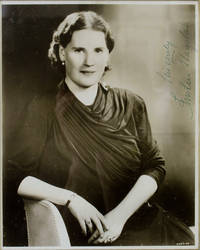
1930rif. 144431930. Image 9 1/2 x 7 1/2 inches matted and framed to 14 1/4 x 12 1/4 inches overall. 1 vols. Fine condition. Image 9 1/2 x 7 1/2 inches matted and framed to 14 1/4 x 12 1/4 inches overall. 1 vols. An attractive image showing the great Wagnerian soprano in street clothes seated. unknown
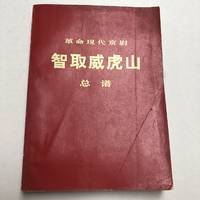
1971rif. AG10051Beijing: Published by People's Publishing House printed by Beijing Xinhua Printing Factory distributed by Xinhua Bookstore August 1971 FIRST EDITION. The July 1970 Script Revised and Performed Collectively by Shanghai Peking Opera Troupe. 8vo. xii 425 3 pp. Colophon. Quotations from Chinaman Mao on the second and third page. Printed red tilted wrappers minor crease to the cover minor tear to the foot of the binding else fine condition. 《智å–å¨è™Žå±±ã€‹æ€»è°± 北京: 人民出版社出版,å‰2页带有毛主席语录,1971年8月出版,由上海京剧团《智å–å¨è™Žå±±ã€‹å‰§ç»„改å˜é›†ä½“演出,1970年演出本。第一版第一å°ã€‚å°çš®ç¨å¾®æœ‰åˆ’痕,其他完好。 In China revolutionary operas or model operas Chinese: yangban xi æ ·æ¿æˆ were a series of shows planned and engineered during the Cultural Revolution 1966–1976 by Jiang Qing the wife of Chairman Mao Zedong.1 They were considered revolutionary and modern in terms of thematic and musical features when compared with traditional Chinese operas. Many of them were adapted to film. Originally eight revolutionary operas Chinese: Ba Ge Yangban Xi å…«ä¸ªæ ·æ¿æˆ were produced eighteen by the end of the period. Instead of the "emperors kings generals chancellors maidens and beauties" of the traditional Peking opera which was banned as "feudalistic and bourgeois" they told stories from China's recent revolutionary struggles against foreign and class enemies. They glorified the People's Liberation Army and the bravery of the common people and showed Mao Zedong and his thought as playing the central role in the victory of socialism in China. Although they originated as operas they soon appeared on LPs in comic books lianhuanhua on posters postcards and stamps; on plates teapots wash basins cigarette packages vases and calendars. They were performed or played from loudspeakers in schools factories and fields by special performing troupes. The Eight Model Operas dominated the stage in all parts of the country during these years leading to the joke "Eight hundred million people watched eight shows." æœ¬å‰§æ˜¯æ–‡é©æ—¶æœŸçš„å…«å¤§æ ·æ¿æˆä¹‹ä¸€ã€Šæ™ºå–å¨è™Žå±±ã€‹ï¼Œç”±æ¯›ä¸»å¸å¤«äººæ±Ÿé’è´Ÿè´£åˆ¶ä½œå’Œæ¼”å‡ºã€‚å¾ˆå¤šè¢«æ‹æˆäº†ç”µå½±ã€‚ æœ€åˆæœ‰å…«ä¸ªæ ·æ¿æˆï¼ŒåŽæ¥åœ¨æ–‡é©æ—¶æœŸçš„åŽæœŸå‘展到了18个。ä¸åƒå› å°å»ºå’Œèµ„产阶级的被ç¦äº†çš„ä¼ ç»Ÿäº¬å‰§ï¼Œé‡Œé¢å‡ºçŽ°çš„ä¸çš„国王大臣少女和美人,é©å‘½çŽ°ä»£äº¬å‰§ä¸»è¦è®²è¿°ä¸å›½è¿‘å¹´æ¥çš„æŠ—战故事,宣扬人民解放军的光辉è£è€€å’Œæ¯›ä¸»å¸çš„è‹±å‹‡ã€‚è™½ç„¶æ˜¯äº¬å‰§ï¼Œå¾ˆå¿«å°±å˜æˆäº†å„ç§å½¢å¼å‡ºçŽ°åœ¨è¿žçŽ¯ç”»ã€æµ·æŠ¥ã€æ˜Žä¿¡ç‰‡ã€é‚®ç¥¨ã€é¦™çƒŸã€èŠ±ç“¶ã€æ—¥åކç‰å„ç§åœ°æ–¹ï¼Œç”¨æ‰©éŸ³å–‡ååœ¨å¦æ ¡ã€å·¥åŽ‚ç‰åœ°æ–¹ï¼Œç”±æ¼”出团进行表演。8ä¸ªæ ·æ¿æˆä¸»å¯¼äº†å…¨å›½æ‰€æœ‰çš„舞å°ï¼Œå› æ¤æœ‰äº†8亿人共看8个剧的笑è¯ã€‚ People’s Publishing House paperback
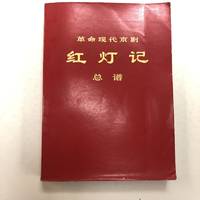
1971rif. AG-10050The Red Lantern Full Score红ç¯è®° Hong Deng Ji Beijing: Published by People's Publishing House printed by Beijing Xinhua Printing Factory distributed by Xinhua Bookstore Beijing Distributing Agency,August 1971 FIRST EDITION. The May 1970 Script Created Collectively by the China Peking Opera troupe. Quotations from Chinaman Mao on the second and third page 8vo. xii 380 2 pp. colophon printed titled wrappers crease to the cover very slight tear to the foot of the binding else fine condition. In China revolutionary operas or model operas Chinese: yangban xi æ ·æ¿æˆ were a series of shows planned and engineered during the Cultural Revolution 1966–1976 by Jiang Qing the wife of Chairman Mao Zedong. They were considered revolutionary and modern in terms of thematic and musical features when compared with traditional Chinese operas. Many of them were adapted to film. 京剧《红ç¯è®°ã€‹æ€»è°± 北京:人民出版社出版,中国京剧团集体制作,基于1970年五月演出本,第一版,书的å‰ä¸¤é¡µæœ‰æ¯›ä¸»å¸è¯å½•,共380é¡µä¸»ä½“å†…å®¹ã€‚ä¹¦çš®ç¨æœ‰ä¸€é“ä¸Šä¸‹æ–¹å‘æŠ˜ç—•ï¼Œå…¶ä»–å“相éžå¸¸å¥½ã€‚ In China revolutionary operas or model operas Chinese: yangban xi æ ·æ¿æˆ were a series of shows planned and engineered during the Cultural Revolution 1966–1976 by Jiang Qing the wife of Chairman Mao Zedong.1 They were considered revolutionary and modern in terms of thematic and musical features when compared with traditional Chinese operas. Many of them were adapted to film. Originally eight revolutionary operas Chinese: Ba Ge Yangban Xi å…«ä¸ªæ ·æ¿æˆ were produced eighteen by the end of the period. Instead of the "emperors kings generals chancellors maidens and beauties" of the traditional Peking opera which was banned as "feudalistic and bourgeois" they told stories from China's recent revolutionary struggles against foreign and class enemies. They glorified the People's Liberation Army and the bravery of the common people and showed Mao Zedong and his thought as playing the central role in the victory of socialism in China. Although they originated as operas they soon appeared on LPs in comic books lianhuanhua on posters postcards and stamps; on plates teapots wash basins cigarette packages vases and calendars. They were performed or played from loudspeakers in schools factories and fields by special performing troupes. The Eight Model Operas dominated the stage in all parts of the country during these years leading to the joke "Eight hundred million people watched eight shows." æœ¬å‰§æ˜¯æ–‡é©æ—¶æœŸçš„å…«å¤§æ ·æ¿æˆä¹‹ä¸€ã€Šçº¢ç¯è®°ã€‹ï¼Œç”±æ¯›ä¸»å¸å¤«äººæ±Ÿé’è´Ÿè´£åˆ¶ä½œå’Œæ¼”å‡ºã€‚å¾ˆå¤šè¢«æ‹æˆäº†ç”µå½±ã€‚ æœ€åˆæœ‰å…«ä¸ªæ ·æ¿æˆï¼ŒåŽæ¥åœ¨æ–‡é©æ—¶æœŸçš„åŽæœŸå‘展到了18个。ä¸åƒå› å°å»ºå’Œèµ„产阶级的被ç¦äº†çš„ä¼ ç»Ÿäº¬å‰§ï¼Œé‡Œé¢å‡ºçŽ°çš„ä¸çš„国王大臣少女和美人,é©å‘½çŽ°ä»£äº¬å‰§ä¸»è¦è®²è¿°ä¸å›½è¿‘å¹´æ¥çš„æŠ—战故事,宣扬人民解放军的光辉è£è€€å’Œæ¯›ä¸»å¸çš„è‹±å‹‡ã€‚è™½ç„¶æ˜¯äº¬å‰§ï¼Œå¾ˆå¿«å°±å˜æˆäº†å„ç§å½¢å¼å‡ºçŽ°åœ¨è¿žçŽ¯ç”»ã€æµ·æŠ¥ã€æ˜Žä¿¡ç‰‡ã€é‚®ç¥¨ã€é¦™çƒŸã€èŠ±ç“¶ã€æ—¥åކç‰å„ç§åœ°æ–¹ï¼Œç”¨æ‰©éŸ³å–‡ååœ¨å¦æ ¡ã€å·¥åŽ‚ç‰åœ°æ–¹ï¼Œç”±æ¼”出团进行表演。8ä¸ªæ ·æ¿æˆä¸»å¯¼äº†å…¨å›½æ‰€æœ‰çš„舞å°ï¼Œå› æ¤æœ‰äº†8亿人看8个剧的笑è¯ã€‚ People’s Publishing House paperback
1938rif. 3114056NP: Merle Armtage. Very Good with no dust jacket. 1938. First Edition; First Printing. Softcover. Souvenir program for the first revival of George Gershwin's operatic masterpiece staged in Los Angeles and San Francisco in 1938 in the pattern of director Rouben Mamoulian original production. Very good in yellow oversize printed wrappers. 9" X 12" 22pp. Couple short edge tears and traces of mild shelf-soiling. Features several photographs of the principal artists involved as well Gershwin and others. Surprisingly uncommon. ; 9" X 12"; 22 pages . Merle Armtage. paperback
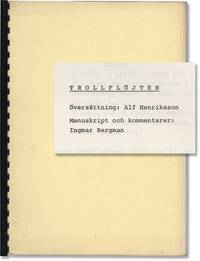
1973rif. 146818N.p.: N.p. 1973. Agency Draft script for the 1975 film. With 31 pages of director Ingmar Bergman's commentary bound in after the script. Text in Swedish. Based on the 1791 German opera about a young prince tasked with rescuing a princess from a mysterious high priest. Widely considered one of the most successful operatic adaptations to film ever released. Shot on location in Stockholm Sweden. Pale yellow untitled wrappers. Title page present dated November 1973 with credits for director Ingmar Bergman and screenwriter Alf Henrikson. 93 leaves with last page of text numbered 61. Xerographic duplication rectos only. Pages Very Good plus wrapper Very Good plus with a black comb binding. Criterion Collection 71. N.p. unknown
rif. Schepelern, GerhardIn Pristine Condition. unknown
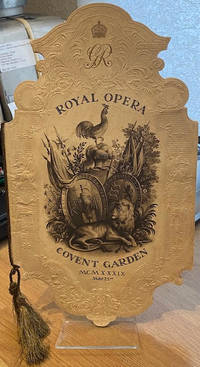
1939rif. 63656London: Royal Opera House 1939. Folio. 8 pp. Large pictorial stiff card wrappers with tassels at spine. Front and rear cover designs by Rex Whistler. Printed programme. Spotting to covers. A performance by the Vic-Wells Ballet under the direction of Ninette de Valois and The London Philharmonic Orchestra conducted by Constant Lambert and Sir Thomas Beecham. Scarce. . Good. Wraps. 1939. Royal Opera House 1939 paperback
1728rif. 296052Augustae Vindelicorum & Graecii Sumptibus Fratrum Veith 1728. Vellum. Folio in worn vellum. Ex-library foxing hinge repaired between half-title and title page with a strip of binding tape back hinge is beginning to weaken. Geroh of Reichtersberg 1093-1169 was one of the notable theologians of Germany during the 12th century provost of Riechersbert and Canon Regular a reformer in the spirit of Gregorian ideas particularly concerned with the reform of clergy. This work was left unfinished by Gerhoh. Geroh's portion is Psalm 1-78 118-150 and some additional canticum at the end. Psalm 78-117 are by Honorius Augustodunensis d. 1151 a popular theologian and prolific writer. 2219 14 pages. Augustae Vindelicorum & Graecii, Sumptibus Fratrum Veith hardcover
rif. 36029Includes works of Battista 5 Donizetti 6 Mercadante 7 Pacini 1 Petrella 1 and Verdi 1. With contemporary mansucript index to front free endpaper. Contents: BATTISTA Vincenzio 1823-1873 Ermelinda Dramma lirico in Quattro Atti di Domenico Bolognese. Monaco: Orlando e C. after 1850. - Duetto Signor Capitano. PN 599. 19 pp. - Coro alla danza. PN 600. 14 pp. - Terzettino Febo ei vieni. PN 606. 8 pp. - No. 13. Scena e Romanza. Partenopeo. PN 12093. 4 pp. Anna La Prie. Tragedia lirica di Nicola Leoncavallo. Napoli: Fabricatore e Co. ca. 1845. - Scena e cavatina Alboix. PN 105. 10 pp. DONIZETTI Gaetano 1797-1848 La Favorita Melodramma tragico in 4 atti Posto in musica pel Real teatro di Parigi. Napoli: Girard e Ci. ca. 1844. - Aria O mio Fernando. PN 5181. 9 pp. - Scena e Duetto Ah moio bene un Dio t'invia. PN 5185. 12 pp. - Quartettino Deh paventa il furor. PN 5197. 4 pp. - Scene e Duetto Ah va t'invo la e questa. PN 5184. 13 pp. Maria di Rohan Melodramma tragico in tre atti di S. Cammarano . Riduzione per Canto con accompo. di Pianoforte di C. Czerny. Milano: Giovanni Ricordi 1843 - N: 14. Scena e Freghier . No osoalzarcilumi! PN 14914HH. 6 pp. - Scena e Ballata . Cavalieri che veggio. Napoli: F. Fabricatore e C.; Palermo: R. Zerega. PN 146 ca. 1845. 7 pp. MERCADANTE Saverio 1795-1870 Violetta Opera semiseria in 4 Atti . Rappresentata per la prima volta nel Teatro Nuovo di Napoli li 10 Gennajo 1853. Napoli: Partenopeo ca. 1856-60. - No. 22. Rondo Finale. PN 10756. 10 pp. Virginia Tragedia Lirica in tre atti di S. Cammarano . Rappresenta per la prima volta nel R. Teatro S. Carlo di Napoli il 7 Apr. 1866. Napoli: T. Cottrau ca. 1866. - No. 10. Preghiera di Virginia. PN 14610. 4 pp. - No. 14. Terzetto di Virginia Appio ed Icilio. PN 14614. 8 pp. Stratira opera tragica in tre Atti. Esuguita nel R. Teatro di S. Carlo li 8 Gennajo 1853. Poesie di Domenico Bolognese. Napoli: Partenopea ca. 1866. - No. 3. Scena e cavatina Cassandro. PN 10757. 15 pp. - No. 14. Romanza Cassandro. PN 10758. 4 pp. Orazi e Curiaze Tragedia lirica in 3 atti di S. Cammarano. Posta in musica per il Teatro di S. Carlo ov'é stata rappresentata á 10 Novembre 1846. Napoli: Girard ca. 1846 - No. 2. Scena Romanza e Cavatina. PN 7555. 14 pp. - No. 13. Scena Preghiera ed Aria Finale. PNs 7565 7560 7567. 13 pp. Later issue of ca. 1856-60. PACINI Giovanni 1796-1867 Malvina di Scozia. Opera in 3 acts Grande Scena Preghiera ed aria. L'orror mi rese immobile. Napoli: Fabricatore e C. PN 725 ca. 1852. 19 pp. PETRELLA Errico 1813-1877 Elena di Tolosa. Melodramma in tre Atti. Eseguito nel R. Teatro del Fondo li 112 Agosto 1852. Poesia di Domenico Bolognese. Napoli: Successori della Ditta Girard ca. 1852. - No. 6. Duetto. Dembra mesta! . male! male! PN 10466. 14 pp. VERDI Giuseppe 1813-1901 Rigoletto. Melodramma di F.M. Piave. Milano: Giovanni Ricordi after 1852 - No. 9. Scena ed Aria "Coro nome che'il mio cor." PN N23079N. 7 i list of publisher's plate numbers for excerpts of piano-vocal piano 2-hands and piano 4-hands pieces pp. Oblong folio. 19th century black leather-backed boards. Binding somewhat worn and abraided; joints split. Occasional minor wear and soiling; some small tears. In very good condition overall. An interesting collection of scarce mostly Neapolitan imprints in all likelihood associated with contemporary performances. unknown
1959rif. 161071New York: United Press International 1959. Two vintage reference photographs from the set of the 1959 film including one glossy and single weight and one matte finish borderless and double weight. One photograph shows actor Sidney Poitier talking with producer Sam Goldwyn and the other shows Poitier with actors Dorothy Dandridge and Brock Peters. One with a provenance stamp on the verso and both with annotations in manuscript ink identifying subjects on the versos. Based on DuBose Heyward's 1925 novel "Porgy" and its subsequent 1927 opera adaptation by DuBose Heyward and his wife Dorothy with music and lyrics by George and Ira Gershwin. One of the great enduring American musicals following a disabled man in a small fishing village in South Carolina who harbors a woman attempting to flee her disreputable past. Set in South Carolina shot on location in Stockton California with some scenes shot near the San Joaquin-Sacramento River Delta in California. Matte photograph 11 x 8 inches glossy photograph 10 x 8 inches. Very Good plus lightly edgeworn with matte photograph slightly curled. National Film Registry. United Press International unknown
rif. BN370497Stanley Roseman and the Dance - Drawings from the Paris Opera Hardcover Stanley Roseman and the Dance - Drawings from the Paris Opera Hardcover Stanley Roseman and the Dance - Drawings from the Paris Opera Hardcover hardcover
rif. 22363Marchetti's autograph on letterhead of the R. Accademia di S. Cecilia 'Liceo Musicale'. Rome 14 September 1892. Villari's autograph on reverse of leaf dated from Florence 2 November 1892. 1p 12mo. Leaf of lightly-browned and creased aged paper with closed tears to one edge. The two men are clearly writing in response to requests for autographs. Marchetti has written out four bars – slightly affected at end by closed tear – from what he states is 'Ruy Blas Preludio'. Beneath this he signs in a firm attractive hand 'F Marchetti'. At the head he dates: 'Roma 14 9bre 92'. On the reverse Villari has written out neatly an eight-line comment on 'Chi cessa d'essere bimbo prima del tempo' losing 'la gaiezza l'innocenza la spontaneità infantile' and all the qualities 'necessari all'uomo'. Beneath the quotation he signs in another attractive hand 'Pasquale Villari Firenze 2 Nov. 92'. Marchetti's autograph on letterhead of the R. Accademia di S. Cecilia ('Liceo Musicale'). Rome, 14 September 1892. Villari's aut unknown
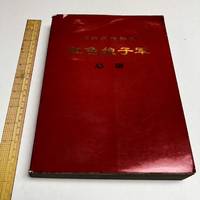
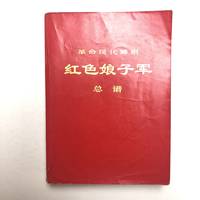
1970rif. AG-10062Red Detachment of Women full Score 红色娘å军总谱 Hong Se Niang Zi Jun Beijing: Published by People's Publishing House printed by Beijing Xinhua Printing Factory distributed by Xinhua Bookstore December 1970 FIRST EDITION. The July 1970 Script Revised and Performed Collectively by Shanghai Peking Opera Troupe. 25×18 cm. xiv 534 1 pp. Colophon. Quotations from Chinaman Mao on the second and third page printed red tilted wrappers minor tear to the cover slight tears to the foot of the binding else very fine condition. 北京:人民出版社,1970年12月第一版,新åŽä¹¦åº—å‘行。本总谱由上海京剧演出团于1970年演出本集体改编,å‰ä¸¤é¡µå¸¦æœ‰æ¯›ä¸»å¸è¯å½•,书皮有轻微磨æŸï¼Œå…¶ä»–å“相éžå¸¸å¥½ã€‚ In China revolutionary operas or model operas Chinese: yangban xi æ ·æ¿æˆ were a series of shows planned and engineered during the Cultural Revolution 1966–1976 by Jiang Qing the wife of Chairman Mao Zedong. They were considered revolutionary and modern in terms of thematic and musical features when compared with traditional Chinese operas. Many of them were adapted to film. Originally eight revolutionary operas Chinese: Ba Ge Yangban Xi å…«ä¸ªæ ·æ¿æˆ were produced eighteen by the end of the period. Instead of the "emperors kings generals chancellors maidens and beauties" of the traditional Peking opera which was banned as "feudalistic and bourgeois" they told stories from China's recent revolutionary struggles against foreign and class enemies. They glorified the People's Liberation Army and the bravery of the common people and showed Mao Zedong and his thought as playing the central role in the victory of socialism in China. Although they originated as operas they soon appeared on LPs in comic books lianhuanhua on posters postcards and stamps; on plates teapots wash basins cigarette packages vases and calendars. They were performed or played from loudspeakers in schools factories and fields by special performing troupes. The Eight Model Operas dominated the stage in all parts of the country during these years leading to the joke "Eight hundred million people watched eight shows." æœ¬ç»„å‰§æœ¬å±žäºŽæ–‡é©æ—¶æœŸçš„å…«å¤§æ ·æ¿æˆï¼Œç”±æ¯›ä¸»å¸å¤«äººæ±Ÿé’è´Ÿè´£åˆ¶ä½œå’Œæ¼”å‡ºã€‚å¾ˆå¤šè¢«æ‹æˆäº†ç”µå½±ã€‚ æœ€åˆæœ‰å…«ä¸ªæ ·æ¿æˆï¼ŒåŽæ¥åœ¨æ–‡é©æ—¶æœŸçš„åŽæœŸå‘展到了18个。ä¸åƒå› å°å»ºå’Œèµ„产阶级的被ç¦äº†çš„ä¼ ç»Ÿäº¬å‰§ï¼Œé‡Œé¢å‡ºçŽ°çš„ä¸çš„国王大臣少女和美人,é©å‘½çŽ°ä»£äº¬å‰§ä¸»è¦è®²è¿°ä¸å›½è¿‘å¹´æ¥çš„æŠ—战故事,宣扬人民解放军的光辉è£è€€å’Œæ¯›ä¸»å¸çš„è‹±å‹‡ã€‚è™½ç„¶æ˜¯äº¬å‰§ï¼Œå¾ˆå¿«å°±å˜æˆäº†å„ç§å½¢å¼å‡ºçŽ°åœ¨è¿žçŽ¯ç”»ã€æµ·æŠ¥ã€æ˜Žä¿¡ç‰‡ã€é‚®ç¥¨ã€é¦™çƒŸã€èŠ±ç“¶ã€æ—¥åކç‰å„ç§åœ°æ–¹ï¼Œç”¨æ‰©éŸ³å–‡ååœ¨å¦æ ¡ã€å·¥åŽ‚ç‰åœ°æ–¹ï¼Œç”±æ¼”出团进行表演。8ä¸ªæ ·æ¿æˆä¸»å¯¼äº†å…¨å›½æ‰€æœ‰çš„舞å°ï¼Œå› æ¤æœ‰äº†8亿人看8个剧的笑è¯ã€‚ People’s Publishing House paperback
1971rif. AG-10054Beijing: Published by People's Publishing House printed by Beijing Xinhua Printing Factory distributed by Xinhua Bookstore January 1971 FIRST EDITION. The July 1970 Script Revised and Performed Collectively by Shanghai Peking Opera Troupe. 8vo vi 397 pp. colophon consists of scripts stage photos selected theme score stage action instruction and the stage design started with quotations from Chairman Mao on the second and third page printed color stage photos and instructions inside printed pictorial wrappers slightly curled at the head and foot of the wrappers else very good condition. 北京:人民出版社出版,1971年第一版,由上海京剧团《智å–å¨è™Žå±±ã€‹å‰§ç»„é›†ä½“æ”¹ç¼–åŠæ¼”出。本书包括了剧本ã€ä¸»æ—‹å¾‹ã€å‰§ç…§ã€åŠ¨ä½œæŒ‡å¯¼ã€èˆžå°ç¾Žæœ¯ç‰å†…容。包括éžå¸¸å¤šçš„照片。书皮上下ç¨å¾®å·èµ·ï¼Œæ— ç ´æŸï¼Œå“相éžå¸¸å¥½ã€‚ In China revolutionary operas or model operas Chinese: yangban xi æ ·æ¿æˆ were a series of shows planned and engineered during the Cultural Revolution 1966–1976 by Jiang Qing the wife of Chairman Mao Zedong.1 They were considered revolutionary and modern in terms of thematic and musical features when compared with traditional Chinese operas. Many of them were adapted to film. Originally eight revolutionary operas Chinese: Ba Ge Yangban Xi å…«ä¸ªæ ·æ¿æˆ were produced eighteen by the end of the period. Instead of the "emperors kings generals chancellors maidens and beauties" of the traditional Peking opera which was banned as "feudalistic and bourgeois" they told stories from China's recent revolutionary struggles against foreign and class enemies. They glorified the People's Liberation Army and the bravery of the common people and showed Mao Zedong and his thought as playing the central role in the victory of socialism in China. Although they originated as operas they soon appeared on LPs in comic books lianhuanhua on posters postcards and stamps; on plates teapots wash basins cigarette packages vases and calendars. They were performed or played from loudspeakers in schools factories and fields by special performing troupes. The Eight Model Operas dominated the stage in all parts of the country during these years leading to the joke "Eight hundred million people watched eight shows." æœ¬å‰§æ˜¯æ–‡é©æ—¶æœŸçš„å…«å¤§æ ·æ¿æˆä¹‹ä¸€ã€Šæ™ºå–å¨è™Žå±±ã€‹ï¼Œç”±æ¯›ä¸»å¸å¤«äººæ±Ÿé’è´Ÿè´£åˆ¶ä½œå’Œæ¼”å‡ºã€‚å¾ˆå¤šè¢«æ‹æˆäº†ç”µå½±ã€‚ æœ€åˆæœ‰å…«ä¸ªæ ·æ¿æˆï¼ŒåŽæ¥åœ¨æ–‡é©æ—¶æœŸçš„åŽæœŸå‘展到了18个。ä¸åƒå› å°å»ºå’Œèµ„产阶级的被ç¦äº†çš„ä¼ ç»Ÿäº¬å‰§ï¼Œé‡Œé¢å‡ºçŽ°çš„ä¸çš„国王大臣少女和美人,é©å‘½çŽ°ä»£äº¬å‰§ä¸»è¦è®²è¿°ä¸å›½è¿‘å¹´æ¥çš„æŠ—战故事,宣扬人民解放军的光辉è£è€€å’Œæ¯›ä¸»å¸çš„è‹±å‹‡ã€‚è™½ç„¶æ˜¯äº¬å‰§ï¼Œå¾ˆå¿«å°±å˜æˆäº†å„ç§å½¢å¼å‡ºçŽ°åœ¨è¿žçŽ¯ç”»ã€æµ·æŠ¥ã€æ˜Žä¿¡ç‰‡ã€é‚®ç¥¨ã€é¦™çƒŸã€èŠ±ç“¶ã€æ—¥åކç‰å„ç§åœ°æ–¹ï¼Œç”¨æ‰©éŸ³å–‡ååœ¨å¦æ ¡ã€å·¥åŽ‚ç‰åœ°æ–¹ï¼Œç”±æ¼”出团进行表演。8ä¸ªæ ·æ¿æˆä¸»å¯¼äº†å…¨å›½æ‰€æœ‰çš„舞å°ï¼Œå› æ¤æœ‰äº†8亿人看8个剧的笑è¯ã€‚ People’s Publishing House paperback
1972rif. AG-10053Beijing: Published by C printed by Beijing Xinhua Printing Factory distributed by Xinhua Bookstore Beijing Distributing Agency February 1972 FIRST EDITION 8vo. The May 1970 Script Revised Collectively by the China Peking Opera Troupe. iv 374 pp. colophon consists of scripts stage photos selected theme score stage action instruction and the stage design started with quotations from Chairman Mao on the second and third page printed pictorial wrappers slightly curled at the head and foot of the wrappers minor tears to the edge of the wrappers else fine condition. 北京:人民出版社出版。本书å‰ä¸¤é¡µå¸¦æœ‰æ¯›ä¸»å¸è¯å½•,内容包括了剧本ã€å‰§ç…§ã€ä¸»æ—‹å¾‹ã€åŠ¨ä½œè¯´æ˜Žç‰è¯¦ç»†å†…容,由照片和文å—的形å¼ç»„æˆï¼Œç…§ç‰‡å›¾ç‰‡å¾ˆå¤šï¼Œä¹Ÿæ˜¯æœ¬ä¹¦çš„一大特色。书皮上下两段ç¨å¾®å·èµ·ï¼Œå…¶ä»–部分å“相éžå¸¸å¥½ã€‚ In China revolutionary operas or model operas Chinese: yangban xi æ ·æ¿æˆ were a series of shows planned and engineered during the Cultural Revolution 1966–1976 by Jiang Qing the wife of Chairman Mao Zedong.1 They were considered revolutionary and modern in terms of thematic and musical features when compared with traditional Chinese operas. Many of them were adapted to film. Originally eight revolutionary operas Chinese: Ba Ge Yangban Xi å…«ä¸ªæ ·æ¿æˆ were produced eighteen by the end of the period. Instead of the "emperors kings generals chancellors maidens and beauties" of the traditional Peking opera which was banned as "feudalistic and bourgeois" they told stories from China's recent revolutionary struggles against foreign and class enemies. They glorified the People's Liberation Army and the bravery of the common people and showed Mao Zedong and his thought as playing the central role in the victory of socialism in China. Although they originated as operas they soon appeared on LPs in comic books lianhuanhua on posters postcards and stamps; on plates teapots wash basins cigarette packages vases and calendars. They were performed or played from loudspeakers in schools factories and fields by special performing troupes. The Eight Model Operas dominated the stage in all parts of the country during these years leading to the joke "Eight hundred million people watched eight shows." æœ¬å‰§æ˜¯æ–‡é©æ—¶æœŸçš„å…«å¤§æ ·æ¿æˆä¹‹ä¸€ï¼Œç”±æ¯›ä¸»å¸å¤«äººæ±Ÿé’è´Ÿè´£åˆ¶ä½œå’Œæ¼”å‡ºã€‚å¾ˆå¤šè¢«æ‹æˆäº†ç”µå½±ã€‚ æœ€åˆæœ‰å…«ä¸ªæ ·æ¿æˆï¼ŒåŽæ¥åœ¨æ–‡é©æ—¶æœŸçš„åŽæœŸå‘展到了18个。ä¸åƒå› å°å»ºå’Œèµ„产阶级的被ç¦äº†çš„ä¼ ç»Ÿäº¬å‰§ï¼Œé‡Œé¢å‡ºçŽ°çš„ä¸çš„国王大臣少女和美人,é©å‘½çŽ°ä»£äº¬å‰§ä¸»è¦è®²è¿°ä¸å›½è¿‘å¹´æ¥çš„æŠ—战故事,宣扬人民解放军的光辉è£è€€å’Œæ¯›ä¸»å¸çš„è‹±å‹‡ã€‚è™½ç„¶æ˜¯äº¬å‰§ï¼Œå¾ˆå¿«å°±å˜æˆäº†å„ç§å½¢å¼å‡ºçŽ°åœ¨è¿žçŽ¯ç”»ã€æµ·æŠ¥ã€æ˜Žä¿¡ç‰‡ã€é‚®ç¥¨ã€é¦™çƒŸã€èŠ±ç“¶ã€æ—¥åކç‰å„ç§åœ°æ–¹ï¼Œç”¨æ‰©éŸ³å–‡ååœ¨å¦æ ¡ã€å·¥åŽ‚ç‰åœ°æ–¹ï¼Œç”±æ¼”出团进行表演。8ä¸ªæ ·æ¿æˆä¸»å¯¼äº†å…¨å›½æ‰€æœ‰çš„舞å°ï¼Œå› æ¤æœ‰äº†8亿人看8个剧的笑è¯ã€‚ People’s Publishing House paperback
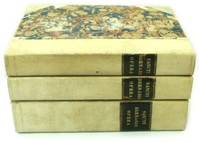
1781rif. 523404Venice: Balleoni 1781. Hardcover 6 volumes in 3; FULL TITLE: Sancti Bernardi abbatis primi Clarae-Vallensis Opera genuina videlicet in primo et secundo volumine; spuria dubiaque in tertio comprehensa; Horstii et Mabillonii notis aliusque permultis aucta juxta editionem Parisien. anni MDCCXIX; adjecta appendice Edmundi Martene ex veterum scriptorum & momentorum collectione; atque his omnibus in hac tertia editione Veneta accuratius revisis & illustratis. Half-bound in cream coloured leather with marbled paper sides and marbled endpapers. Gilt bands to spine have partially worn away and title labels to spine are lightly worn. Board edges are rubbed and worn leather is lightly spotted and paper sides are shelfworn. Light foxing to prelims in all 3 and on a few pages in mains throughout. V.1 and V.3 have slight hinge breaks at title pages. Water marks to gutter of pages 1182 to REP in V.3. and mark to spine of V.1. Very good condition for age. Text is clean and unmarked throughout. AD. leather. Very Good. Used. Balleoni Hardcover
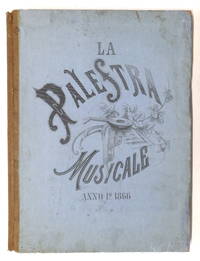
rif. 116404Musica Spartiti - La Palestra Musicale - Anno I - 1866 - Dal fascicolo 1 al fascicolo 38/39 - Pag. 316 - Copertina rigida - Lingua italiana. - Buone condizioni generali. Piccoli segni del tempo. - RARITA' - unknown
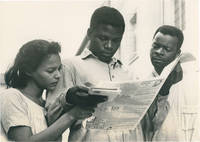
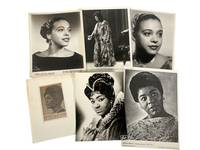
1957rif. 208291957. Press photograph archive of African American women opera singers 1957-1977 documents the emergence and international recognition of Black performers within mid twentieth century classical music and operatic institutions. The images center on four prominent singers whose careers developed during and after the era of segregation when access to major stages and audiences expanded unevenly for Black artists. Figures such as Marian Anderson who broke barriers at the Metropolitan Opera in 1955 established a precedent for subsequent generations; the performers represented here advanced that presence through sustained international careers providing visual evidence of African American participation in elite cultural institutions during a period of social and cultural change. Six black and white silver gelatin press photographs each approximately 8 x 10 inches with captions and markings on recto and verso. Subjects include Adele Addison in two studio portraits from the 1950s later known as the singing voice for Bess in Porgy and Bess 1959; Shirley Verrett in two images including an early news photograph prior to a performance at Ambassador College Auditorium and a later 1976 stage portrait in formal concert dress; Martina Arroyo in a 1977 portrait during the height of her international career; and Grace Bumbry depicted in costume as Princess Eboli in Verdi's Don Carlos at the Metropolitan Opera in 1965. The photographs capture both staged publicity portraits and performance contexts documenting professional presentation and artistic identity. Produced during decades of expanding civil rights advocacy and gradual institutional integration the archive situates African American women within a field historically shaped by exclusion and limited access. Their visibility in major opera houses and concert venues reflects broader shifts in cultural recognition and professional opportunity while also underscoring the continued significance of performance as a site of racial and gendered representation. Minor edge wear; captions remain legible; overall very good condition. unknown