81 résultats
réf. B197408-1Paris 1991. 144 4pp. Prof. illus. Sm. 4to. Wraps. Program and libretto. Paris, 1991. paperback books
1988réf. 159709San Francisco: The Folcrom 1988. Vintage flyer announcing four performances of an opera entitled "Watt" adapted from the Samuel Beckett novel performed by The Tiny Dead Bodies Opera Company at The Folcrom San Francisco October 21 and 22 28 and 29 1988. Based on the 1953 novel by Samuel Beckett. The Folcrom was a non-profit installation and performance space located at 2150 Folsom Street San Francisco from 1987-1991. 8.5 x 14 inches on pale yellow paper. Very Good plus with pinholes to the corners and a small crease to the lower left corner. The Folcrom unknown books
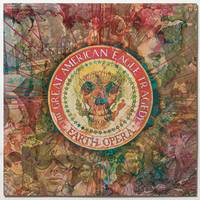
1969réf. 553834New York: Elektra Records 1969. Unbound. Fine. Original 33 1/2 rpm vinyl album. Fine in a printed paper sleeve in a fine illustrated cardboard sleeve. Elektra Records unknown books
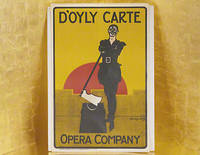
1919réf. 432211919. First Edition. GILBERT AND SULLIVAN D'OYLY CARTE OPERA COMPANY. Poster ""Gilbert and Sullivan's ""The Yeoman of the Guard"" by Dudley Hardy"". WITH: Billboard ""Opera Company's 1919/1920 Season by Dudley Hardy and John Hassall"". London: David Allen & Sons 1919. Single sheet measuring 20 by 30 inches; nine unassembled dovetailing sheets measuring 7-1/2 by 10 feet assembled. $900.Original poster depicting the headsman with axe from Gilbert and Sullivan's ÒThe Yeoman of the GuardÓ accompanied by a large billboard in parts announcing the seasonÕs productions with three poster designs: ÒThe YeomanÓ ÒThe GondoliersÓ and ÒThe Mikado.ÓThe poster advertises Gilbert and Sullivan's ""Yeoman of the Guard"" widely recognized as Sullivan's most accomplished musical score. A classic Savoy Opera the piece isÑrather unusuallyÑset during the 16th century at the Tower of London bringing in quasi-Shakespearean dialogue and a darker atmosphere. The accompanying billboardÑmeasuring over 70 square feetÑpromotes the 1919 season's productions including ""Yeoman"" the musical theater favorite ""The Mikado"" and Gilbert and Sullivan's last major success ""The Gondoliers."" Hardy and Hassall were among the premier graphic artists of their time having built reputations both as book illustrators and specialists in poster design. Hardy was influenced by French chalk drawings and poster art while Hassall attributes his style to Japanese prints. ""Yeoman"" poster fine. Chipping and creasing to separate panels of original billboard. A wonderful pair. unknown books
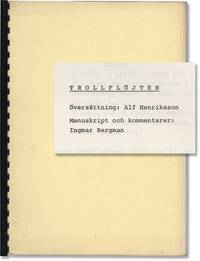
1973réf. 146818N.p.: N.p. 1973. Agency Draft script for the 1975 film. With 31 pages of director Ingmar Bergman's commentary bound in after the script. Text in Swedish. Based on the 1791 German opera about a young prince tasked with rescuing a princess from a mysterious high priest. Widely considered one of the most successful operatic adaptations to film ever released. Shot on location in Stockholm Sweden. Pale yellow untitled wrappers. Title page present dated November 1973 with credits for director Ingmar Bergman and screenwriter Alf Henrikson. 93 leaves with last page of text numbered 61. Xerographic duplication rectos only. Pages Very Good plus wrapper Very Good plus with a black comb binding. Criterion Collection 71. N.p. unknown books
1808réf. 354London: Lowndes Printer 1808. First Edition. Broadside. Fine. Broadside approximately 11 1/2 x 8 1/2 inches untrimmed. Portion of bottom line of text unprinted. Small remnants of paper tape on verso else fine. Broadside advertising the twelfth performance of the opera KAIS OR LOVE IN THE DESERTS at Drury Lane starring and produced by the renowned English tenor John Braham. John Braham ca. 1774-1856 rose from poverty and orphanhood in London to the heights of European opera where he celebrated as one of the great voices of his age. As a British Jew he also represented a major shift in Jewish status and social potential in the late Georgian era becoming not only an artist of acclaim but also eventually the father-in-law of several English aristocrats. KAIS was based on the ancient Arabian love story of Layla and Majnun which had been adapted into a famous work by Persian Poet Nizami Ganjavi in the 12th century which in turn became the source for numerous later poets and mystics throughout the Middle East and Central and South Asia. The story gained great popularity in Europe after Isaac DIsraeli published an English translation in the early 19th century. It was upon this translation that Isaac Brandon based the libretto for KAIS. Braham and William Reeve composed the music for the opera which opened in 1807. Lowndes, Printer books
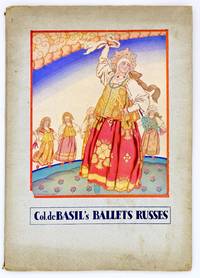
1936réf. 300382Paris: Alliance de Publicite et de'Impression 1936. Full color program for the 1936-1937 season of Ballet Russe de Monte Carlo presented by Col. de Basil. Cover illustration by I. Bilibine on silver paper jacket folded over plain covers~ ~66pp. with 4 pages of tipped-in color plates on both sides picturing different aspects of the production such as the costumes and scenery. Some wear to cover edges and bottom of spine. Good. Alliance de Publicite et de'Impression unknown books
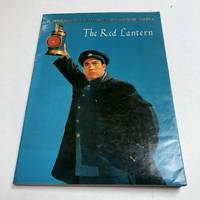
1972réf. AG-10058Beijing: Published by Foreign Language Press 1972 FIRST EDITION. The May 1970 Script Revised Collectively by China Peking Opera Troupe. Started with Quotation from Chairman Mao on the first page. Large 8vo. vii 98 1 pp. colophon printed pictorial wrappers very good condition. 北京:外文出版社出版,1972年第一版,由ä¸å›½äº¬å‰§å›¢æ ¹æ®1970年剧本è”åˆæ”¹ç¼–。å‰é¡µå¸¦æœ‰æ¯›ä¸»å¸è¯å½•。å“相éžå¸¸å¥½ã€‚ In China revolutionary operas or model operas Chinese: yangban xi æ ·æ¿æˆ were a series of shows planned and engineered during the Cultural Revolution 1966–1976 by Jiang Qing the wife of Chairman Mao Zedong.1 They were considered revolutionary and modern in terms of thematic and musical features when compared with traditional Chinese operas. Many of them were adapted to film. Originally eight revolutionary operas Chinese: Ba Ge Yangban Xi å…«ä¸ªæ ·æ¿æˆ were produced eighteen by the end of the period. Instead of the "emperors kings generals chancellors maidens and beauties" of the traditional Peking opera which was banned as "feudalistic and bourgeois" they told stories from China's recent revolutionary struggles against foreign and class enemies. They glorified the People's Liberation Army and the bravery of the common people and showed Mao Zedong and his thought as playing the central role in the victory of socialism in China. Although they originated as operas they soon appeared on LPs in comic books lianhuanhua on posters postcards and stamps; on plates teapots wash basins cigarette packages vases and calendars. They were performed or played from loudspeakers in schools factories and fields by special performing troupes. The Eight Model Operas dominated the stage in all parts of the country during these years leading to the joke "Eight hundred million people watched eight shows." æœ¬å‰§æœ¬å±žäºŽæ–‡é©æ—¶æœŸçš„å…«å¤§æ ·æ¿æˆï¼Œç”±æ¯›ä¸»å¸å¤«äººæ±Ÿé’è´Ÿè´£åˆ¶ä½œå’Œæ¼”å‡ºã€‚å¾ˆå¤šè¢«æ‹æˆäº†ç”µå½±ã€‚ æœ€åˆæœ‰å…«ä¸ªæ ·æ¿æˆï¼ŒåŽæ¥åœ¨æ–‡é©æ—¶æœŸçš„åŽæœŸå‘展到了18个。ä¸åƒå› å°å»ºå’Œèµ„产阶级的被ç¦äº†çš„ä¼ ç»Ÿäº¬å‰§ï¼Œé‡Œé¢å‡ºçŽ°çš„ä¸çš„国王大臣少女和美人,é©å‘½çŽ°ä»£äº¬å‰§ä¸»è¦è®²è¿°ä¸å›½è¿‘å¹´æ¥çš„æŠ—战故事,宣扬人民解放军的光辉è£è€€å’Œæ¯›ä¸»å¸çš„è‹±å‹‡ã€‚è™½ç„¶æ˜¯äº¬å‰§ï¼Œå¾ˆå¿«å°±å˜æˆäº†å„ç§å½¢å¼å‡ºçŽ°åœ¨è¿žçŽ¯ç”»ã€æµ·æŠ¥ã€æ˜Žä¿¡ç‰‡ã€é‚®ç¥¨ã€é¦™çƒŸã€èŠ±ç“¶ã€æ—¥åކç‰å„ç§åœ°æ–¹ï¼Œç”¨æ‰©éŸ³å–‡ååœ¨å¦æ ¡ã€å·¥åŽ‚ç‰åœ°æ–¹ï¼Œç”±æ¼”出团进行表演。8ä¸ªæ ·æ¿æˆä¸»å¯¼äº†å…¨å›½æ‰€æœ‰çš„舞å°ï¼Œå› æ¤æœ‰äº†8亿人看8个剧的笑è¯ã€‚ Foreign Language Press paperback books
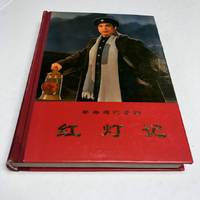
1972réf. AG-10057The Red Lantern Script红ç¯è®° Hong Deng Ji Beijing: Published by People's Publishing House printed by Beijing Xinhua Printing Factory distributed by Xinhua Bookstore Beijing Distributing Agency February 1972 FIRST EDITION 8vo. The May 1970 Script Revised Collectively by the China Peking Opera Troupe. iv374 pp. colophon consists of scripts stage photos selected theme score stage action instructions and designs beginning with quotations from Chairman Mao on the second and third pages printed pictorial stiff cover wrappers fine condition. 京剧《红ç¯è®°ã€‹å‰§æœ¬ 北京:人民出版社出版,中国京剧团集体制作,基于1970年五月演出本,1970年12月第一版,书的å‰ä¸¤é¡µæœ‰æ¯›ä¸»å¸è¯å½•,共374页主体内容。精装,å“相éžå¸¸å¥½ã€‚ People’s Publishing House hardcover books
1972réf. AG-10053Beijing: Published by C printed by Beijing Xinhua Printing Factory distributed by Xinhua Bookstore Beijing Distributing Agency February 1972 FIRST EDITION 8vo. The May 1970 Script Revised Collectively by the China Peking Opera Troupe. iv 374 pp. colophon consists of scripts stage photos selected theme score stage action instruction and the stage design started with quotations from Chairman Mao on the second and third page printed pictorial wrappers slightly curled at the head and foot of the wrappers minor tears to the edge of the wrappers else fine condition. 北京:人民出版社出版。本书å‰ä¸¤é¡µå¸¦æœ‰æ¯›ä¸»å¸è¯å½•,内容包括了剧本ã€å‰§ç…§ã€ä¸»æ—‹å¾‹ã€åŠ¨ä½œè¯´æ˜Žç‰è¯¦ç»†å†…容,由照片和文å—的形å¼ç»„æˆï¼Œç…§ç‰‡å›¾ç‰‡å¾ˆå¤šï¼Œä¹Ÿæ˜¯æœ¬ä¹¦çš„一大特色。书皮上下两段ç¨å¾®å·èµ·ï¼Œå…¶ä»–部分å“相éžå¸¸å¥½ã€‚ In China revolutionary operas or model operas Chinese: yangban xi æ ·æ¿æˆ were a series of shows planned and engineered during the Cultural Revolution 1966–1976 by Jiang Qing the wife of Chairman Mao Zedong.1 They were considered revolutionary and modern in terms of thematic and musical features when compared with traditional Chinese operas. Many of them were adapted to film. Originally eight revolutionary operas Chinese: Ba Ge Yangban Xi å…«ä¸ªæ ·æ¿æˆ were produced eighteen by the end of the period. Instead of the "emperors kings generals chancellors maidens and beauties" of the traditional Peking opera which was banned as "feudalistic and bourgeois" they told stories from China's recent revolutionary struggles against foreign and class enemies. They glorified the People's Liberation Army and the bravery of the common people and showed Mao Zedong and his thought as playing the central role in the victory of socialism in China. Although they originated as operas they soon appeared on LPs in comic books lianhuanhua on posters postcards and stamps; on plates teapots wash basins cigarette packages vases and calendars. They were performed or played from loudspeakers in schools factories and fields by special performing troupes. The Eight Model Operas dominated the stage in all parts of the country during these years leading to the joke "Eight hundred million people watched eight shows." æœ¬å‰§æ˜¯æ–‡é©æ—¶æœŸçš„å…«å¤§æ ·æ¿æˆä¹‹ä¸€ï¼Œç”±æ¯›ä¸»å¸å¤«äººæ±Ÿé’è´Ÿè´£åˆ¶ä½œå’Œæ¼”å‡ºã€‚å¾ˆå¤šè¢«æ‹æˆäº†ç”µå½±ã€‚ æœ€åˆæœ‰å…«ä¸ªæ ·æ¿æˆï¼ŒåŽæ¥åœ¨æ–‡é©æ—¶æœŸçš„åŽæœŸå‘展到了18个。ä¸åƒå› å°å»ºå’Œèµ„产阶级的被ç¦äº†çš„ä¼ ç»Ÿäº¬å‰§ï¼Œé‡Œé¢å‡ºçŽ°çš„ä¸çš„国王大臣少女和美人,é©å‘½çŽ°ä»£äº¬å‰§ä¸»è¦è®²è¿°ä¸å›½è¿‘å¹´æ¥çš„æŠ—战故事,宣扬人民解放军的光辉è£è€€å’Œæ¯›ä¸»å¸çš„è‹±å‹‡ã€‚è™½ç„¶æ˜¯äº¬å‰§ï¼Œå¾ˆå¿«å°±å˜æˆäº†å„ç§å½¢å¼å‡ºçŽ°åœ¨è¿žçŽ¯ç”»ã€æµ·æŠ¥ã€æ˜Žä¿¡ç‰‡ã€é‚®ç¥¨ã€é¦™çƒŸã€èŠ±ç“¶ã€æ—¥åކç‰å„ç§åœ°æ–¹ï¼Œç”¨æ‰©éŸ³å–‡ååœ¨å¦æ ¡ã€å·¥åŽ‚ç‰åœ°æ–¹ï¼Œç”±æ¼”出团进行表演。8ä¸ªæ ·æ¿æˆä¸»å¯¼äº†å…¨å›½æ‰€æœ‰çš„舞å°ï¼Œå› æ¤æœ‰äº†8亿人看8个剧的笑è¯ã€‚ People’s Publishing House paperback books
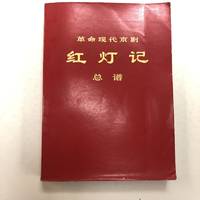
1971réf. AG-10050The Red Lantern Full Score红ç¯è®° Hong Deng Ji Beijing: Published by People's Publishing House printed by Beijing Xinhua Printing Factory distributed by Xinhua Bookstore Beijing Distributing Agency,August 1971 FIRST EDITION. The May 1970 Script Created Collectively by the China Peking Opera troupe. Quotations from Chinaman Mao on the second and third page 8vo. xii 380 2 pp. colophon printed titled wrappers crease to the cover very slight tear to the foot of the binding else fine condition. In China revolutionary operas or model operas Chinese: yangban xi æ ·æ¿æˆ were a series of shows planned and engineered during the Cultural Revolution 1966–1976 by Jiang Qing the wife of Chairman Mao Zedong. They were considered revolutionary and modern in terms of thematic and musical features when compared with traditional Chinese operas. Many of them were adapted to film. 京剧《红ç¯è®°ã€‹æ€»è°± 北京:人民出版社出版,中国京剧团集体制作,基于1970年五月演出本,第一版,书的å‰ä¸¤é¡µæœ‰æ¯›ä¸»å¸è¯å½•,共380é¡µä¸»ä½“å†…å®¹ã€‚ä¹¦çš®ç¨æœ‰ä¸€é“ä¸Šä¸‹æ–¹å‘æŠ˜ç—•ï¼Œå…¶ä»–å“相éžå¸¸å¥½ã€‚ In China revolutionary operas or model operas Chinese: yangban xi æ ·æ¿æˆ were a series of shows planned and engineered during the Cultural Revolution 1966–1976 by Jiang Qing the wife of Chairman Mao Zedong.1 They were considered revolutionary and modern in terms of thematic and musical features when compared with traditional Chinese operas. Many of them were adapted to film. Originally eight revolutionary operas Chinese: Ba Ge Yangban Xi å…«ä¸ªæ ·æ¿æˆ were produced eighteen by the end of the period. Instead of the "emperors kings generals chancellors maidens and beauties" of the traditional Peking opera which was banned as "feudalistic and bourgeois" they told stories from China's recent revolutionary struggles against foreign and class enemies. They glorified the People's Liberation Army and the bravery of the common people and showed Mao Zedong and his thought as playing the central role in the victory of socialism in China. Although they originated as operas they soon appeared on LPs in comic books lianhuanhua on posters postcards and stamps; on plates teapots wash basins cigarette packages vases and calendars. They were performed or played from loudspeakers in schools factories and fields by special performing troupes. The Eight Model Operas dominated the stage in all parts of the country during these years leading to the joke "Eight hundred million people watched eight shows." æœ¬å‰§æ˜¯æ–‡é©æ—¶æœŸçš„å…«å¤§æ ·æ¿æˆä¹‹ä¸€ã€Šçº¢ç¯è®°ã€‹ï¼Œç”±æ¯›ä¸»å¸å¤«äººæ±Ÿé’è´Ÿè´£åˆ¶ä½œå’Œæ¼”å‡ºã€‚å¾ˆå¤šè¢«æ‹æˆäº†ç”µå½±ã€‚ æœ€åˆæœ‰å…«ä¸ªæ ·æ¿æˆï¼ŒåŽæ¥åœ¨æ–‡é©æ—¶æœŸçš„åŽæœŸå‘展到了18个。ä¸åƒå› å°å»ºå’Œèµ„产阶级的被ç¦äº†çš„ä¼ ç»Ÿäº¬å‰§ï¼Œé‡Œé¢å‡ºçŽ°çš„ä¸çš„国王大臣少女和美人,é©å‘½çŽ°ä»£äº¬å‰§ä¸»è¦è®²è¿°ä¸å›½è¿‘å¹´æ¥çš„æŠ—战故事,宣扬人民解放军的光辉è£è€€å’Œæ¯›ä¸»å¸çš„è‹±å‹‡ã€‚è™½ç„¶æ˜¯äº¬å‰§ï¼Œå¾ˆå¿«å°±å˜æˆäº†å„ç§å½¢å¼å‡ºçŽ°åœ¨è¿žçŽ¯ç”»ã€æµ·æŠ¥ã€æ˜Žä¿¡ç‰‡ã€é‚®ç¥¨ã€é¦™çƒŸã€èŠ±ç“¶ã€æ—¥åކç‰å„ç§åœ°æ–¹ï¼Œç”¨æ‰©éŸ³å–‡ååœ¨å¦æ ¡ã€å·¥åŽ‚ç‰åœ°æ–¹ï¼Œç”±æ¼”出团进行表演。8ä¸ªæ ·æ¿æˆä¸»å¯¼äº†å…¨å›½æ‰€æœ‰çš„舞å°ï¼Œå› æ¤æœ‰äº†8亿人看8个剧的笑è¯ã€‚ People’s Publishing House paperback books
1965réf. 951New York: Viking Press 1965. Hardcover. Very Good/very good. Illus. Folio. The Metropolitan Opera Co. in New York. Viking Press hardcover books
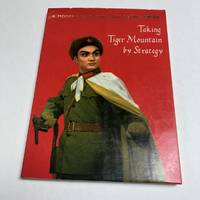
1971réf. AG-10059Beijing: Published by Foreign Language Press 1971 FIRST EDITION. The July 1970 Script Revised by "The Taking Tiger Mountain by Strategy" Group of Peking Opera Troupe of Shanghai. Large 8vo. XXX 113 6 pp. colophon with 3 pages Quotations from Chairman Mao. Printed pictorial wrappers minor tear to the foot edge of the front cover minor curled at the head edge of the front cover else very good condition. 北京:外文出版社出版,1971年第一版,由ä¸å›½äº¬å‰§å›¢æ ¹æ®1970年剧本è”åˆæ”¹ç¼–。å‰é¡µå¸¦æœ‰æ¯›ä¸»å¸è¯å½•。å°çš®é¡¶éƒ¨ç¨æœ‰ç£¨æŸï¼Œå…¶ä»–部分å“相éžå¸¸å¥½ã€‚ In China revolutionary operas or model operas Chinese: yangban xi æ ·æ¿æˆ were a series of shows planned and engineered during the Cultural Revolution 1966–1976 by Jiang Qing the wife of Chairman Mao Zedong.1 They were considered revolutionary and modern in terms of thematic and musical features when compared with traditional Chinese operas. Many of them were adapted to film. Originally eight revolutionary operas Chinese: Ba Ge Yangban Xi å…«ä¸ªæ ·æ¿æˆ were produced eighteen by the end of the period. Instead of the "emperors kings generals chancellors maidens and beauties" of the traditional Peking opera which was banned as "feudalistic and bourgeois" they told stories from China's recent revolutionary struggles against foreign and class enemies. They glorified the People's Liberation Army and the bravery of the common people and showed Mao Zedong and his thought as playing the central role in the victory of socialism in China. Although they originated as operas they soon appeared on LPs in comic books lianhuanhua on posters postcards and stamps; on plates teapots wash basins cigarette packages vases and calendars. They were performed or played from loudspeakers in schools factories and fields by special performing troupes. The Eight Model Operas dominated the stage in all parts of the country during these years leading to the joke "Eight hundred million people watched eight shows." æœ¬ç»„å‰§æœ¬å±žäºŽæ–‡é©æ—¶æœŸçš„å…«å¤§æ ·æ¿æˆï¼Œç”±æ¯›ä¸»å¸å¤«äººæ±Ÿé’è´Ÿè´£åˆ¶ä½œå’Œæ¼”å‡ºã€‚å¾ˆå¤šè¢«æ‹æˆäº†ç”µå½±ã€‚ æœ€åˆæœ‰å…«ä¸ªæ ·æ¿æˆï¼ŒåŽæ¥åœ¨æ–‡é©æ—¶æœŸçš„åŽæœŸå‘展到了18个。ä¸åƒå› å°å»ºå’Œèµ„产阶级的被ç¦äº†çš„ä¼ ç»Ÿäº¬å‰§ï¼Œé‡Œé¢å‡ºçŽ°çš„ä¸çš„国王大臣少女和美人,é©å‘½çŽ°ä»£äº¬å‰§ä¸»è¦è®²è¿°ä¸å›½è¿‘å¹´æ¥çš„æŠ—战故事,宣扬人民解放军的光辉è£è€€å’Œæ¯›ä¸»å¸çš„è‹±å‹‡ã€‚è™½ç„¶æ˜¯äº¬å‰§ï¼Œå¾ˆå¿«å°±å˜æˆäº†å„ç§å½¢å¼å‡ºçŽ°åœ¨è¿žçŽ¯ç”»ã€æµ·æŠ¥ã€æ˜Žä¿¡ç‰‡ã€é‚®ç¥¨ã€é¦™çƒŸã€èŠ±ç“¶ã€æ—¥åކç‰å„ç§åœ°æ–¹ï¼Œç”¨æ‰©éŸ³å–‡ååœ¨å¦æ ¡ã€å·¥åŽ‚ç‰åœ°æ–¹ï¼Œç”±æ¼”出团进行表演。8ä¸ªæ ·æ¿æˆä¸»å¯¼äº†å…¨å›½æ‰€æœ‰çš„舞å°ï¼Œå› æ¤æœ‰äº†8亿人看8个剧的笑è¯ã€‚ Foreign Language Press paperback books
1971réf. AG-10054Beijing: Published by People's Publishing House printed by Beijing Xinhua Printing Factory distributed by Xinhua Bookstore January 1971 FIRST EDITION. The July 1970 Script Revised and Performed Collectively by Shanghai Peking Opera Troupe. 8vo vi 397 pp. colophon consists of scripts stage photos selected theme score stage action instruction and the stage design started with quotations from Chairman Mao on the second and third page printed color stage photos and instructions inside printed pictorial wrappers slightly curled at the head and foot of the wrappers else very good condition. 北京:人民出版社出版,1971年第一版,由上海京剧团《智å–å¨è™Žå±±ã€‹å‰§ç»„é›†ä½“æ”¹ç¼–åŠæ¼”出。本书包括了剧本ã€ä¸»æ—‹å¾‹ã€å‰§ç…§ã€åŠ¨ä½œæŒ‡å¯¼ã€èˆžå°ç¾Žæœ¯ç‰å†…容。包括éžå¸¸å¤šçš„照片。书皮上下ç¨å¾®å·èµ·ï¼Œæ— ç ´æŸï¼Œå“相éžå¸¸å¥½ã€‚ In China revolutionary operas or model operas Chinese: yangban xi æ ·æ¿æˆ were a series of shows planned and engineered during the Cultural Revolution 1966–1976 by Jiang Qing the wife of Chairman Mao Zedong.1 They were considered revolutionary and modern in terms of thematic and musical features when compared with traditional Chinese operas. Many of them were adapted to film. Originally eight revolutionary operas Chinese: Ba Ge Yangban Xi å…«ä¸ªæ ·æ¿æˆ were produced eighteen by the end of the period. Instead of the "emperors kings generals chancellors maidens and beauties" of the traditional Peking opera which was banned as "feudalistic and bourgeois" they told stories from China's recent revolutionary struggles against foreign and class enemies. They glorified the People's Liberation Army and the bravery of the common people and showed Mao Zedong and his thought as playing the central role in the victory of socialism in China. Although they originated as operas they soon appeared on LPs in comic books lianhuanhua on posters postcards and stamps; on plates teapots wash basins cigarette packages vases and calendars. They were performed or played from loudspeakers in schools factories and fields by special performing troupes. The Eight Model Operas dominated the stage in all parts of the country during these years leading to the joke "Eight hundred million people watched eight shows." æœ¬å‰§æ˜¯æ–‡é©æ—¶æœŸçš„å…«å¤§æ ·æ¿æˆä¹‹ä¸€ã€Šæ™ºå–å¨è™Žå±±ã€‹ï¼Œç”±æ¯›ä¸»å¸å¤«äººæ±Ÿé’è´Ÿè´£åˆ¶ä½œå’Œæ¼”å‡ºã€‚å¾ˆå¤šè¢«æ‹æˆäº†ç”µå½±ã€‚ æœ€åˆæœ‰å…«ä¸ªæ ·æ¿æˆï¼ŒåŽæ¥åœ¨æ–‡é©æ—¶æœŸçš„åŽæœŸå‘展到了18个。ä¸åƒå› å°å»ºå’Œèµ„产阶级的被ç¦äº†çš„ä¼ ç»Ÿäº¬å‰§ï¼Œé‡Œé¢å‡ºçŽ°çš„ä¸çš„国王大臣少女和美人,é©å‘½çŽ°ä»£äº¬å‰§ä¸»è¦è®²è¿°ä¸å›½è¿‘å¹´æ¥çš„æŠ—战故事,宣扬人民解放军的光辉è£è€€å’Œæ¯›ä¸»å¸çš„è‹±å‹‡ã€‚è™½ç„¶æ˜¯äº¬å‰§ï¼Œå¾ˆå¿«å°±å˜æˆäº†å„ç§å½¢å¼å‡ºçŽ°åœ¨è¿žçŽ¯ç”»ã€æµ·æŠ¥ã€æ˜Žä¿¡ç‰‡ã€é‚®ç¥¨ã€é¦™çƒŸã€èŠ±ç“¶ã€æ—¥åކç‰å„ç§åœ°æ–¹ï¼Œç”¨æ‰©éŸ³å–‡ååœ¨å¦æ ¡ã€å·¥åŽ‚ç‰åœ°æ–¹ï¼Œç”±æ¼”出团进行表演。8ä¸ªæ ·æ¿æˆä¸»å¯¼äº†å…¨å›½æ‰€æœ‰çš„舞å°ï¼Œå› æ¤æœ‰äº†8亿人看8个剧的笑è¯ã€‚ People’s Publishing House paperback books
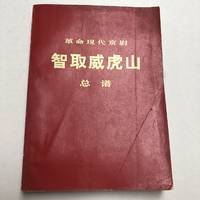
1971réf. AG10051Beijing: Published by People's Publishing House printed by Beijing Xinhua Printing Factory distributed by Xinhua Bookstore August 1971 FIRST EDITION. The July 1970 Script Revised and Performed Collectively by Shanghai Peking Opera Troupe. 8vo. xii 425 3 pp. Colophon. Quotations from Chinaman Mao on the second and third page. Printed red tilted wrappers minor crease to the cover minor tear to the foot of the binding else fine condition. 《智å–å¨è™Žå±±ã€‹æ€»è°± 北京: 人民出版社出版,å‰2页带有毛主席语录,1971年8月出版,由上海京剧团《智å–å¨è™Žå±±ã€‹å‰§ç»„改å˜é›†ä½“演出,1970年演出本。第一版第一å°ã€‚å°çš®ç¨å¾®æœ‰åˆ’痕,其他完好。 In China revolutionary operas or model operas Chinese: yangban xi æ ·æ¿æˆ were a series of shows planned and engineered during the Cultural Revolution 1966–1976 by Jiang Qing the wife of Chairman Mao Zedong.1 They were considered revolutionary and modern in terms of thematic and musical features when compared with traditional Chinese operas. Many of them were adapted to film. Originally eight revolutionary operas Chinese: Ba Ge Yangban Xi å…«ä¸ªæ ·æ¿æˆ were produced eighteen by the end of the period. Instead of the "emperors kings generals chancellors maidens and beauties" of the traditional Peking opera which was banned as "feudalistic and bourgeois" they told stories from China's recent revolutionary struggles against foreign and class enemies. They glorified the People's Liberation Army and the bravery of the common people and showed Mao Zedong and his thought as playing the central role in the victory of socialism in China. Although they originated as operas they soon appeared on LPs in comic books lianhuanhua on posters postcards and stamps; on plates teapots wash basins cigarette packages vases and calendars. They were performed or played from loudspeakers in schools factories and fields by special performing troupes. The Eight Model Operas dominated the stage in all parts of the country during these years leading to the joke "Eight hundred million people watched eight shows." æœ¬å‰§æ˜¯æ–‡é©æ—¶æœŸçš„å…«å¤§æ ·æ¿æˆä¹‹ä¸€ã€Šæ™ºå–å¨è™Žå±±ã€‹ï¼Œç”±æ¯›ä¸»å¸å¤«äººæ±Ÿé’è´Ÿè´£åˆ¶ä½œå’Œæ¼”å‡ºã€‚å¾ˆå¤šè¢«æ‹æˆäº†ç”µå½±ã€‚ æœ€åˆæœ‰å…«ä¸ªæ ·æ¿æˆï¼ŒåŽæ¥åœ¨æ–‡é©æ—¶æœŸçš„åŽæœŸå‘展到了18个。ä¸åƒå› å°å»ºå’Œèµ„产阶级的被ç¦äº†çš„ä¼ ç»Ÿäº¬å‰§ï¼Œé‡Œé¢å‡ºçŽ°çš„ä¸çš„国王大臣少女和美人,é©å‘½çŽ°ä»£äº¬å‰§ä¸»è¦è®²è¿°ä¸å›½è¿‘å¹´æ¥çš„æŠ—战故事,宣扬人民解放军的光辉è£è€€å’Œæ¯›ä¸»å¸çš„è‹±å‹‡ã€‚è™½ç„¶æ˜¯äº¬å‰§ï¼Œå¾ˆå¿«å°±å˜æˆäº†å„ç§å½¢å¼å‡ºçŽ°åœ¨è¿žçŽ¯ç”»ã€æµ·æŠ¥ã€æ˜Žä¿¡ç‰‡ã€é‚®ç¥¨ã€é¦™çƒŸã€èŠ±ç“¶ã€æ—¥åކç‰å„ç§åœ°æ–¹ï¼Œç”¨æ‰©éŸ³å–‡ååœ¨å¦æ ¡ã€å·¥åŽ‚ç‰åœ°æ–¹ï¼Œç”±æ¼”出团进行表演。8ä¸ªæ ·æ¿æˆä¸»å¯¼äº†å…¨å›½æ‰€æœ‰çš„舞å°ï¼Œå› æ¤æœ‰äº†8亿人共看8个剧的笑è¯ã€‚ People’s Publishing House paperback books
1980réf. 41218NY:: Cambridge University Press. Fine in Near Fine dust jacket. 1980. Hardcover. 0521229111 . Translated from the Italian and edited by Roger Parker. First edition thus. Fine in a near fine one short closed edge tear dust jacket. . Cambridge University Press, hardcover books
1886réf. 55097Denver: Denver Lith. Co 1886. 1 vols. 10 in x 7 in lithographed card with printed silk cover overlay. One inch tear in card at fold silk spotted with creases and very small holes. 1 vols. 10 in x 7 in lithographed card with printed silk cover overlay. Denver Lith. Co unknown books
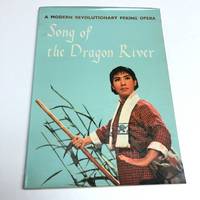
1972réf. AG-10060Beijing: Published by Foreign Language Press 1972 FIRST EDITION the January 1972 Script Revised by the Song of the Dragon River Group of Shanghai. Started with Quotation from Chairman Mao on the first page large 8vo xii 44 pp. 12 colophon fine condition fine condition 北京:外语出版社出版,1972年第一版,由上海《龙江颂》改编,开头带有毛主席语录。本册共44页12页彩色舞å°ç…§ç‰‡ï¼Œå“相éžå¸¸å¥½ã€‚ In China revolutionary operas or model operas Chinese: yangban xi æ ·æ¿æˆ were a series of shows planned and engineered during the Cultural Revolution 1966–1976 by Jiang Qing the wife of Chairman Mao Zedong.1 They were considered revolutionary and modern in terms of thematic and musical features when compared with traditional Chinese operas. Many of them were adapted to film. Originally eight revolutionary operas Chinese: Ba Ge Yangban Xi å…«ä¸ªæ ·æ¿æˆ were produced eighteen by the end of the period. Instead of the "emperors kings generals chancellors maidens and beauties" of the traditional Peking opera which was banned as "feudalistic and bourgeois" they told stories from China's recent revolutionary struggles against foreign and class enemies. They glorified the People's Liberation Army and the bravery of the common people and showed Mao Zedong and his thought as playing the central role in the victory of socialism in China. Although they originated as operas they soon appeared on LPs in comic books lianhuanhua on posters postcards and stamps; on plates teapots wash basins cigarette packages vases and calendars. They were performed or played from loudspeakers in schools factories and fields by special performing troupes. The Eight Model Operas dominated the stage in all parts of the country during these years leading to the joke "Eight hundred million people watched eight shows." æœ¬å‰§æœ¬å±žäºŽæ–‡é©æ—¶æœŸçš„å…«å¤§æ ·æ¿æˆï¼Œç”±æ¯›ä¸»å¸å¤«äººæ±Ÿé’è´Ÿè´£åˆ¶ä½œå’Œæ¼”å‡ºã€‚å¾ˆå¤šè¢«æ‹æˆäº†ç”µå½±ã€‚ æœ€åˆæœ‰å…«ä¸ªæ ·æ¿æˆï¼ŒåŽæ¥åœ¨æ–‡é©æ—¶æœŸçš„åŽæœŸå‘展到了18个。ä¸åƒå› å°å»ºå’Œèµ„产阶级的被ç¦äº†çš„ä¼ ç»Ÿäº¬å‰§ï¼Œé‡Œé¢å‡ºçŽ°çš„ä¸çš„国王大臣少女和美人,é©å‘½çŽ°ä»£äº¬å‰§ä¸»è¦è®²è¿°ä¸å›½è¿‘å¹´æ¥çš„æŠ—战故事,宣扬人民解放军的光辉è£è€€å’Œæ¯›ä¸»å¸çš„è‹±å‹‡ã€‚è™½ç„¶æ˜¯äº¬å‰§ï¼Œå¾ˆå¿«å°±å˜æˆäº†å„ç§å½¢å¼å‡ºçŽ°åœ¨è¿žçŽ¯ç”»ã€æµ·æŠ¥ã€æ˜Žä¿¡ç‰‡ã€é‚®ç¥¨ã€é¦™çƒŸã€èŠ±ç“¶ã€æ—¥åކç‰å„ç§åœ°æ–¹ï¼Œç”¨æ‰©éŸ³å–‡ååœ¨å¦æ ¡ã€å·¥åŽ‚ç‰åœ°æ–¹ï¼Œç”±æ¼”出团进行表演。8ä¸ªæ ·æ¿æˆä¸»å¯¼äº†å…¨å›½æ‰€æœ‰çš„舞å°ï¼Œå› æ¤æœ‰äº†8亿人看8个剧的笑è¯ã€‚ Foreign Language Press books
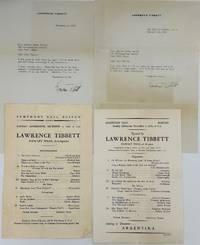
réf. 686304to. Each one-page. Accompanied by a signed photograph 10 x 8 inches programs for four 1930s Tibbett recitals and an inscribed photograph and signed autograph-book sheet of Tibbett's accompanist Stewart Wille. All very good. For the 9 items unknown books
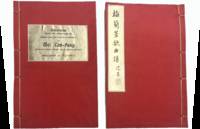
1929réf. AG20057SELECTIONS FROM REPERTOIRE OF OPERATIC SONGS AND TERPSICHOREAN MELODIES OF MEI LAN-FANG - by Professor Liu T'ien. Hua 梅兰芳歌曲谱 Published in 1929 specially edited and printed for Mei Lan-Fang's performance in the United States. Mei Lan-Fang was invited by America in the winter of 1929 to help the people better understand Chinese Opera the master of Chinese songs Liu Tianhua produced two volumes of books one in Chinese 126pp. and the other in English 118pp. which includes 18 Kunqu Opera with music script and score. Signed and stamped by the Author on the English version 1050 copies printed and only 50 copies were signed this is No. 43 on Chinese art paper 4to matching red silk sewn thread binding with printed gold paper labels very fine condition. 本套书å°åˆ·äºŽ1929年,共分为2册,精装,此书为梅兰芳赴美演出特制,共1050部,其中的50部为æˆåŒ–宣纸å°åˆ¶ï¼Œåˆ—有编å·ï¼Œç¬¬ä¸€å·ä»·æ ¼äº”百美元,二至五åå·ä¸€ç™¾ç¾Žå…ƒï¼Œæ¤å¥—为50部中的第43å·ï¼Œæœ‰åˆ˜å¤©åŽäº²å°å¹¶è‹±æ–‡ç¾å。两套书分别为ä¸è‹±æ–‡ç‰ˆï¼Œå…±æ”¶å½•了18æ¡æ˜†æ›²çš„å”±è¯ã€å”±è…”å·¥å°ºè°±å’Œäº”çº¿è°±ï¼ŒåŽ†ç»æ•°æœˆå®Œæˆ å“相如新,ä¿å˜å¦‚æ¤å®Œå¥½çš„éžå¸¸å°‘è§ã€‚ paperback books
1989réf. 159645San Francisco: San Francisco Opera 1989. Vintage flyer advertising a costume sale by the San Francisco Opera SFO on April 22-23 1989 at the War Memorial Opera House. The SFO has held costume sales nearly every year for the last few decades frequently leading to lines stretched around the block. The SFO's costume sales serve not only to clear items from productions no longer performed to make room for new costumes but to generate much needed additional income for the arts organization. In recent years the SFO has begun holding their annual costume sale online. 8.5 x 11 inches on goldenrod paper. Very Good plus with light creasing overall and two small bruises on the bottom edge. San Francisco Opera unknown books
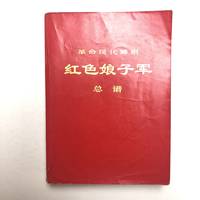
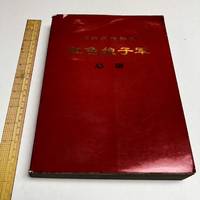
1970réf. AG-10062Red Detachment of Women full Score 红色娘å军总谱 Hong Se Niang Zi Jun Beijing: Published by People's Publishing House printed by Beijing Xinhua Printing Factory distributed by Xinhua Bookstore December 1970 FIRST EDITION. The July 1970 Script Revised and Performed Collectively by Shanghai Peking Opera Troupe. 25×18 cm. xiv 534 1 pp. Colophon. Quotations from Chinaman Mao on the second and third page printed red tilted wrappers minor tear to the cover slight tears to the foot of the binding else very fine condition. 北京:人民出版社,1970年12月第一版,新åŽä¹¦åº—å‘行。本总谱由上海京剧演出团于1970年演出本集体改编,å‰ä¸¤é¡µå¸¦æœ‰æ¯›ä¸»å¸è¯å½•,书皮有轻微磨æŸï¼Œå…¶ä»–å“相éžå¸¸å¥½ã€‚ In China revolutionary operas or model operas Chinese: yangban xi æ ·æ¿æˆ were a series of shows planned and engineered during the Cultural Revolution 1966–1976 by Jiang Qing the wife of Chairman Mao Zedong. They were considered revolutionary and modern in terms of thematic and musical features when compared with traditional Chinese operas. Many of them were adapted to film. Originally eight revolutionary operas Chinese: Ba Ge Yangban Xi å…«ä¸ªæ ·æ¿æˆ were produced eighteen by the end of the period. Instead of the "emperors kings generals chancellors maidens and beauties" of the traditional Peking opera which was banned as "feudalistic and bourgeois" they told stories from China's recent revolutionary struggles against foreign and class enemies. They glorified the People's Liberation Army and the bravery of the common people and showed Mao Zedong and his thought as playing the central role in the victory of socialism in China. Although they originated as operas they soon appeared on LPs in comic books lianhuanhua on posters postcards and stamps; on plates teapots wash basins cigarette packages vases and calendars. They were performed or played from loudspeakers in schools factories and fields by special performing troupes. The Eight Model Operas dominated the stage in all parts of the country during these years leading to the joke "Eight hundred million people watched eight shows." æœ¬ç»„å‰§æœ¬å±žäºŽæ–‡é©æ—¶æœŸçš„å…«å¤§æ ·æ¿æˆï¼Œç”±æ¯›ä¸»å¸å¤«äººæ±Ÿé’è´Ÿè´£åˆ¶ä½œå’Œæ¼”å‡ºã€‚å¾ˆå¤šè¢«æ‹æˆäº†ç”µå½±ã€‚ æœ€åˆæœ‰å…«ä¸ªæ ·æ¿æˆï¼ŒåŽæ¥åœ¨æ–‡é©æ—¶æœŸçš„åŽæœŸå‘展到了18个。ä¸åƒå› å°å»ºå’Œèµ„产阶级的被ç¦äº†çš„ä¼ ç»Ÿäº¬å‰§ï¼Œé‡Œé¢å‡ºçŽ°çš„ä¸çš„国王大臣少女和美人,é©å‘½çŽ°ä»£äº¬å‰§ä¸»è¦è®²è¿°ä¸å›½è¿‘å¹´æ¥çš„æŠ—战故事,宣扬人民解放军的光辉è£è€€å’Œæ¯›ä¸»å¸çš„è‹±å‹‡ã€‚è™½ç„¶æ˜¯äº¬å‰§ï¼Œå¾ˆå¿«å°±å˜æˆäº†å„ç§å½¢å¼å‡ºçŽ°åœ¨è¿žçŽ¯ç”»ã€æµ·æŠ¥ã€æ˜Žä¿¡ç‰‡ã€é‚®ç¥¨ã€é¦™çƒŸã€èŠ±ç“¶ã€æ—¥åކç‰å„ç§åœ°æ–¹ï¼Œç”¨æ‰©éŸ³å–‡ååœ¨å¦æ ¡ã€å·¥åŽ‚ç‰åœ°æ–¹ï¼Œç”±æ¼”出团进行表演。8ä¸ªæ ·æ¿æˆä¸»å¯¼äº†å…¨å›½æ‰€æœ‰çš„舞å°ï¼Œå› æ¤æœ‰äº†8亿人看8个剧的笑è¯ã€‚ People’s Publishing House paperback books
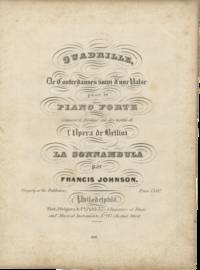
1837réf. List3613Philadelphia: Firth Meignen & Co. Publishers & Importers of Music and Musical Instruments No. 41 Chestnut Street 1837. Seven pages complete including dance figures. Folio sheet music. Very good with scattered foxing and light edge wear. A rare early American operatic dance arrangement by Francis Johnson 1792-1844 widely regarded as the first published Black composer in the United States. Issued circa 1837 this work adapts themes from Vincenzo Bellini's opera La Sonnambula 1831 into a set of quadrilles with concluding waltz arranged for piano forte and structured for social dancing. The internal headings "Pantalon" "Ladies Chain" etc. retain the formal quadrille sequence reflecting the popularity of European ballroom forms in Philadelphia during the period. Johnson a Philadelphia bandleader composer and virtuoso keyed bugle player published approximately seventy compositions over nearly three decades. Active in Philadelphia from at least the 1810s he became one of the city's most sought-after musicians leading ensembles for cotillions public balls military functions and civic celebrations. In 1818 became the first African-American composer known to have sheet music published in the United States. His band performed for elite social events and public commemorations including celebrations for the Marquis de Lafayette's visit to Philadelphia. In 1838 he toured Europe with his ensemble performing in England and reportedly receiving a silver trumpet from Queen Victoria. This piece was composed a year earlier per the Johnson page at Musicalgeography.com six years after Bellini's work. Operatic paraphrases and dance adaptations of fashionable European works were central to Johnson's output. Overall a quite scarce early title from an important composer. We find two copies in OCLC 692295106 at AAS and the William Clements Library. See "Francis Johnson's Compositions - With Sheet Music" https://musicalgeography.org/francis-johnsons-compositions/. Firth, Meignen & Co., Publishers & Importers of Music and Musical Instruments, No. 41 Chestnut Street books
2000réf. 40471NY:: St. Martin's. Fine in Fine dust jacket. 2000. Hardcover. 0312244185 . Part of The New Grove Composers Series. First edition. Fine in a fine dust jacket. . St. Martin's, hardcover books
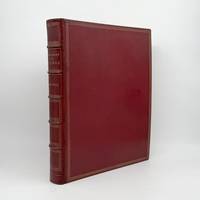
1923réf. 370639New York 1923. Mounted photograph of the Opera House. Calligraphic presentation leaf extracts from programs inlaid in large folio leaves 120 2 index ff. 1 vols. Folio. Full deep red morocco gilt spine with five raised bands boards with triple fillet borders navy blue doublures silk flyleaves t.e.g. Faintest traces of rubbing. Fine. Mounted photograph of the Opera House. Calligraphic presentation leaf extracts from programs inlaid in large folio leaves 120 2 index ff. 1 vols. Folio. Elaborate and attractive album of extracts from the printed programs of the Metropolitan Opera House in New York a record of opera productions from 1915 to 1922 listing the principal performances and also retaining the lists of box holders which functions as a who's-who of New York society. There are several newspaper clippings including an account of the farewell performance of Mrs. Geraldine Farrar in Tosca. Presented to Henry Fletcher by his wife Ethel née Thompson on the tenth anniversary of their wedding. Henry Fletcher 1877-1953 of Greenwich Connecticut was a member of the Grolier Club until his death and a major benefactor of the Yale libraries. unknown books