12 693 résultats
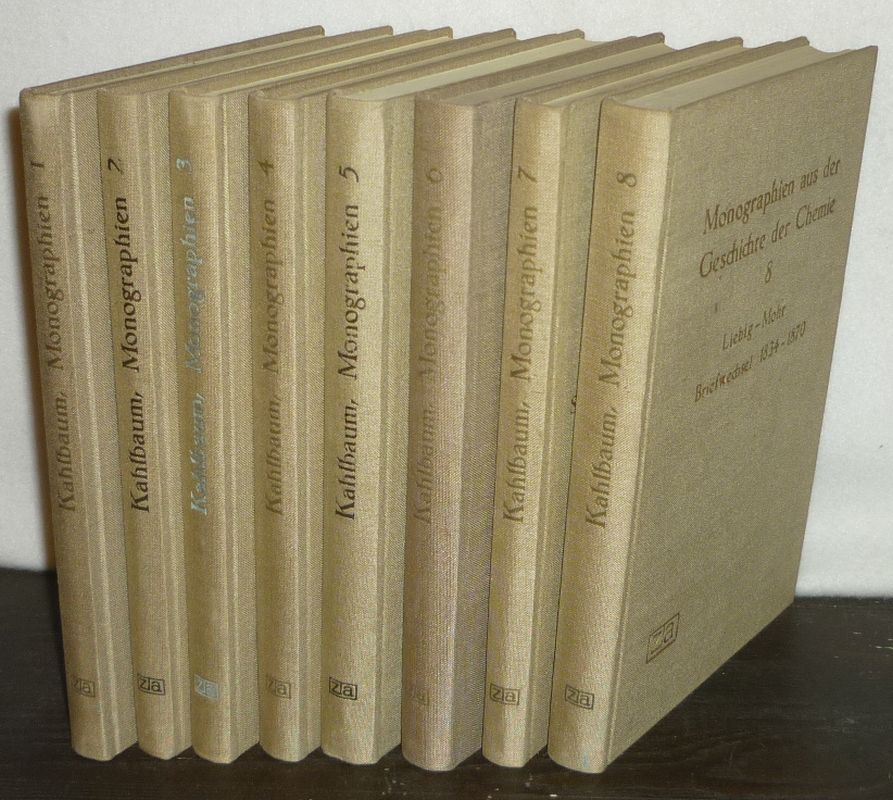
1970réf. 2124708Leipzig: Zentralantiquariat der Deutschen Demokratischen Republik 1970. Jeweils ca. 200 Seiten. 8° (21,5 x 14,5 cm). Orig.-Leinenbände mit goldgeprägtem Titel auf Deckel und Rücken. [Hardcover / fest gebunden].
réf. DADAX0367320568New unknown
réf. ria9780387983677_inpHardcover. New. New Book; Fast Shipping from UK; Not signed; Not First Edition; A broad-ranging survey of our current understanding of visual languages and their theoretical foundations. Its main focus is the definition specification and structural analysis of visual languages by grammars logic and algebraic me hardcover
réf. SONG354060443XUsed: Good unknown
réf. DADAX0387947531New unknown
réf. DADAX3030003108New unknown
réf. DADAX0817641513New unknown
réf. DADAX0195085914New unknown
réf. DADAX0792337247New unknown
réf. DADAX0134531515New unknown
réf. DADAX0792311477New unknown
réf. DADAX0792302338New unknown
1982réf. __0821800256American Mathematical Society 1982. Paperback. New. 125 pages. 10.00x6.75x0.50 inches. American Mathematical Society paperback
réf. DADAX0472110659New unknown
réf. DADAX052111117XNew unknown
réf. DADAX052111599XNew unknown
réf. DADAX0415131405New unknown
réf. DADAX0521873738New unknown
réf. SONG0803945760Used: Good unknown
1964réf. 2111902152802577Kodansha 1964. Soft Cover. Fine. Volume: 1 Kodansha paperback
1993Very minor shelfwear to book. Small chips to top of spine. DJ has creasing and 1 tear (repaired with clear tape) along upper edge. ; 2 x 10 x 8 Inches; 340 pages; Roman epic lays firm claim to being Western civilization's prime literary form. Roman Epic draws together 14 critically and methodologically distinct essays, focusing on particular epicists, their reaction to, influence on, and rewriting of each other. The book examines the formation and transformation of Roman epic from its beginnings in the third century B. C. Saturnian poets Livius and Naevius to the Renaissance Latin epic of Petrarch and Vida. What results is the revelation of Roman epic not only as Rome's highest poetic genre but as a self-consciously intertextual, primarily political form. The Roman epicist's creative exploitation of his predecessors is not restricted to stylistic similarities and generic codes, but often encompasses more important levels of social, moral and political meaning. In the Roman tradition, the epic form shows an impetus to reform the celebratory values implicit in the form itself, admitting a plurality of interactive, often critical narrative voices. This book reveals how the epic developed and critically considers the generic and literary tradition to which the texts belong. It demonstrates epic's critical significance for the foundational culture of the Western world.
1998Very faint foxing to top of textblock else book is fine. Dustjacket is protected in plastic sleeve. ; Oxford Classical Monographs; 1.3 x 8.7 x 5.6 Inches; 360 pages; Madness plays a vital role in many ancient epics: not only do characters go mad, but madness also often occupies a central thematic position in the texts. In this book, Debra Hershkowitz examines from a variety of theoretical angles the representation and poetic function of madness in Greek and Latin epic from Homer through the Flavians, including individual chapters devoted to the Iliad and Odyssey, Virgil's Aeneid, Ovid's Metamorphoses, Lucan's Bellum Civile, and Statius' Thebaid. The study also addresses the difficulty of defining madness, and discusses how each epic explores this problem in a different way, finding its own unique way of conceptualizing madness. Epic madness interacts with ancient models of madness, but also, even more importantly, with previous representations of madness in the literary tradition. Likewise, the reader's response to epic madness is influenced by both ancient and modern views of madness, as well as by an awareness of intertextuality.
réf. DADAX0754667308New unknown
réf. ria9780198860549_inpHardback. New. New Book; Fast Shipping from UK; Not signed; Not First Edition; Independence for Children presents an alternative conception of parenting. It offers an elaboration and defence of anti-perfectionist parenting. The central argument of the book is that as they develop children become entitled to adop hardcover
réf. DADAX0817680918New unknown

