7 833 résultats
1965141 S. Gr. 8°. OKart. Notenbeisp.
1986réf. 1216836Düsseldorf ; Darmstadt : Verlag Wirtschaft u. Finanzen., 1986. 37 S., 22 cm Fadengeheftet.
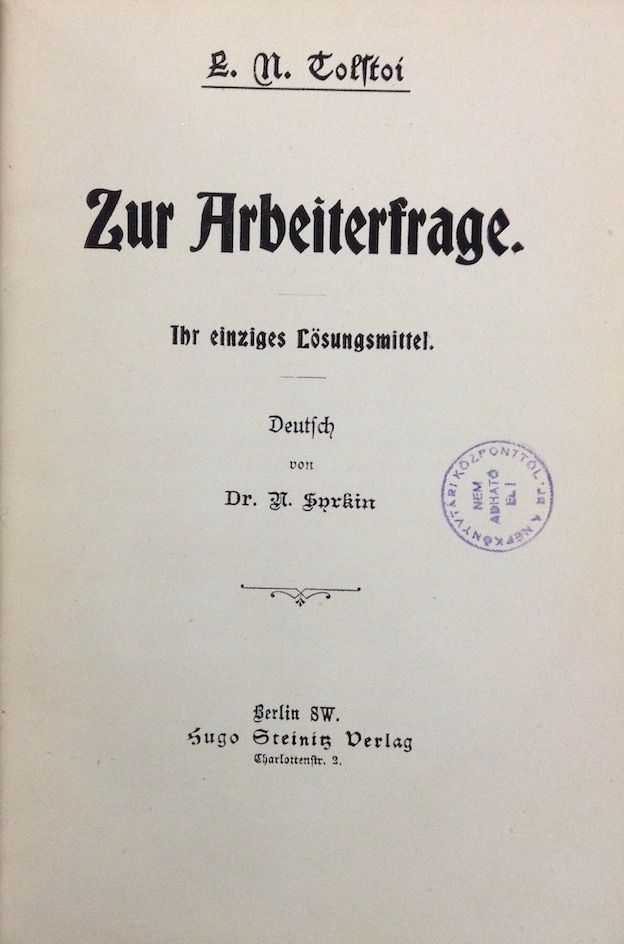
1901réf. 127912Berlin, Steinitz, (1901. 48 S. Halbleinen d. Zeit (gering berieben). [2 Warenabbildungen]
1869réf. 3479053Linz, Ewert, 1869. 140 S. Broschiert unter Verwendung des Originalumschlages (Stempel auf Titelrückseite).
190138 S. Notenbeisp. Mod. Ln.
1960réf. 3308165Berlin, Akademie-Verlag, 1960. XI, 279 S. OKart.
1984réf. 55162Frankfurt am Main : Suhrkamp, 1984. Physik in Deutschland 1740 - 1890 558 S. (20,5 cm) Pappband mit Umschlag / gebundene Ausgabe
193651 S. + Appendix (Notenbeisp.). Rücken besch., teilw. lose. Bleistift-Eintr.
Szeged, Acta Universitatis Szegediensis de Attila Jòzsef nominatae, 1985, in-8, brossura editoriale. Estratto di 9 pp. da “Studia in honorem Elemer Pòlay septuagenarii”.
1939réf. 3332387Jena, Fischer, 1939. X, 148 S. Hlwd (Stempel auf Titel).
47 S. + 30 S. Anhang 8°. OU. Umschlag mit kl. Aufkleber und leicht beschabt.
1983réf. 100036BBBerlin, (1983). 4°. 180 S., 3 Blatt. Roter Halbleinenband.
1899réf. 3466875Jena, Fischer, 1899. 42 S. OBroschur.
1977174 S. 8°. OKArt. Notenbeisp.
1989réf. 106378Marburg: SP-Verlag 1989. 200 Seiten. 8° (17,5-22,5 cm). Orig.-Broschur. [Softcover / Paperback].
1901réf. 121619ABBerlin / Bern, Akademischer Verlag für sociale Wissenschaften John Edelheim, 1901. Gr.8°. 426 S., 1 BLatt. Halbleinenband der Zeit mit goldgeprägtem Rückentitel (Bernstein).
1974réf. 975461München: Hanser. 1974. 142 S. 19 cm. Zustand: Sehr Gut gering gebräunt (Innen); Kleiner Schrifteintrag vor dem Titelblatt; Einband (Außen) hat min. Gebrauchsspuren; Hinterdeckel ist min. uneben-knickspurig; Broschiert Reihe Hanser ; 149
1971réf. 52886Basel : Edition Etcetera 1971. 117 S.; ; 21 cm, Eigentümersignatur auf Vorsatzblatt kart., Softcover/Paperback, Exemplar in gutem Erhaltungszustand
1935réf. 95431Prag, Neuer Weltbühne, 1935. 109 S. Kl.-8° Klein-Oktav, Softcover/Paperback
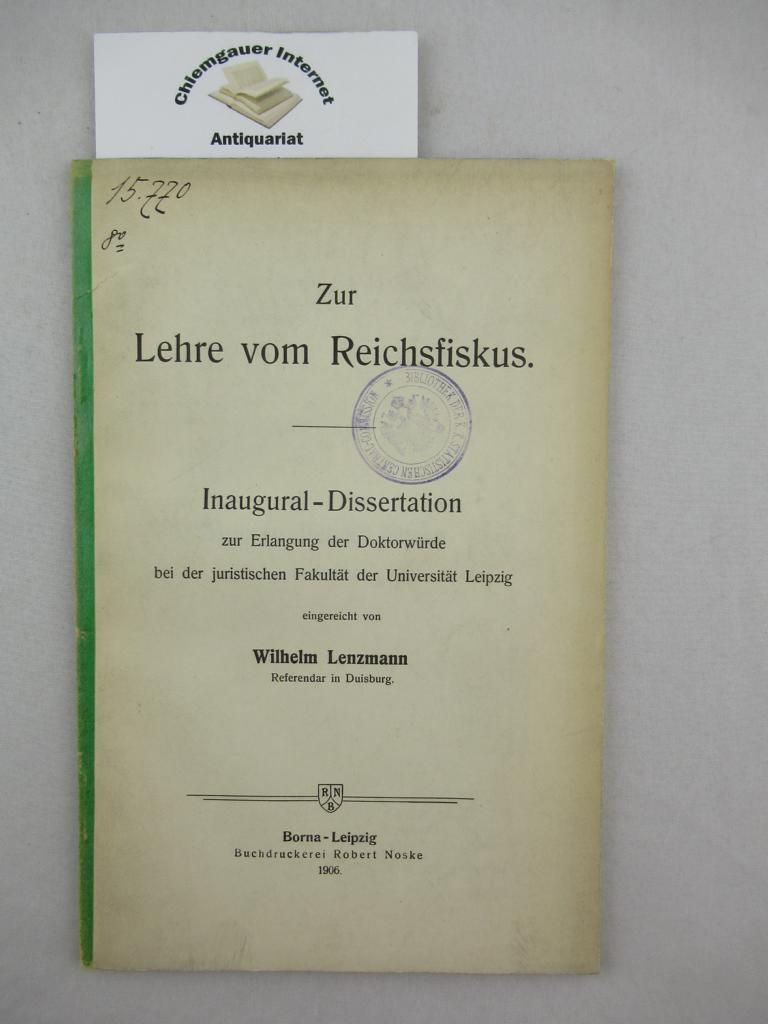
1906réf. 127223Borna-Leipzig, 1906. VIII, 53 Seiten. Originalbroschur 19 cm
1981réf. 1111515Berlin : Duncker und Humblot, 1981. 121 S. ; 24 cm kart.
1907réf. 3123193Karlsruhe, Braun, 1907. 128 S. Kart. (Stempel auf Titel und Umschlag).
1929réf. 48182Berlin Julius Springer 1929 u. 1930. Bound in 2 contemp. uniform hcloth over marbled boards. A stamp to top of titlepages. Gilt lettering to spine. In: "Zeitschrift für Physik. Herausgegeben von Karl Scheel" 56. und 59. Band. VII867 pp. u. VII874 pp. 2 entire volumes offered. Heisenberg & Pauli's paper: pp. 1-61 a. pp. 168-190. Internally clean and fine. First appearance of these two papers of seminal importence as Heisenberg and Pauli here laid the foundation by using a new method for the quantum field theory and gave the "relativistic formulation of quantum electrodynamics in the presence off charges and currents"Pais. They were the first to attempt a general formulation of quantum electrodynamics by setting up a general scheme for the quantization of fields which they hoped would be applicable to the Maxwell field.In the papers they also introduced what is today called "gauge fixing" which from then on are among the precious tools of field theory."Heisenberg and Pauli thus established the basic structure of QFT which can be found in any introduction to QFT up to the present day" Stanford Encyclopaedia of Philosophy. hardcover
1929réf. 48904Berlin Julius Springer 1929 u. 1930. Bound in 2 contemp. uniform hcloth. Spine ends a bit worn cloth broken on fronthinge to vol. 56. binding not loose. In: "Zeitschrift für Physik. Herausgegeben von Karl Scheel" 56. und 59. Band. VII867 pp. u. VII874 pp. 2 entire volumes offered. Heisenberg & Pauli's paper: pp. 1-61 a. pp. 168-190. Internally clean. First appearance of these two papers of seminal importence as Heisenberg and Pauli here laid the foundation by using a new method for the quantum field theory and gave the "relativistic formulation of quantum electrodynamics in the presence off charges and currents"Pais. They were the first to attempt a general formulation of quantum electrodynamics by setting up a general scheme for the quantization of fields which they hoped would be applicable to the Maxwell field.In the papers they also introduced what is today called "gauge fixing" which from then on are among the precious tools of field theory."Heisenberg and Pauli thus established the basic structure of QFT which can be found in any introduction to QFT up to the present day" Stanford Encyclopaedia of Philosophy. hardcover