MAIN (Monique), PERREAUX (Françoise)Livre Rare Book

270 Ergebnisse
2007Best.-Nr. L5041Massin, 2007, 174 p.
1989Best.-Nr. 20296Lausanne, Payot, collection Atlas visuels Payot, série "Comment vivent-ils". 1989. In-8, cartonnage photographique, à l'état de neuf. Abondamment illustré en noir et en couleurs photographies, dessins et cartes.
1990Best.-Nr. 20304Lausanne, Payot, collection Atlas visuels Payot, série "Comment vivent-ils". 1990. In-8, cartonnage photographique, à l'état de neuf. Abondamment illustré en noir et en couleurs photographies, dessins et cartes.
Best.-Nr. 13976550Paris, Le Caire: Editions et Publications des Pères Jésuites en Egypte, 1981 in-8, pp. 141-184, bibliographie. Broché, très bon état.
Best.-Nr. 13976551Paris, Le Caire: Editions et Publications des Pères Jésuites en Egypte, 1981 in-8, pp. 141-184, bibliographie. Broché.
Best.-Nr. 201004357Paris, Stock, 1966 ; in-8, 224 pp., broché, couverture illustr. Broché sous couverture illustrée en couleurs rempliée. Très nombreuses illustrations. Bel exemplaire. zoologie animaux serpents.
1937Paris, Payot 1937. In-8 broché, covuerture illustrée de 275 pages. 6 figures dans le texte. Bon état
Best.-Nr. 6357Paris, Payot, Bibliothèque scientifique, 1937. In-8, broché, 275 pp.
1937Best.-Nr. 57261937 Paris, Payot, Bibliothèque scientifique, 1937 ; in-8, broché, 275 pp. Avec six figures dans le texte.bon état,
Paris, Payot, Bibliothèque scientifique, 1937. In-8, broché, 275 pp. Avec six figures dans le texte.
2010Best.-Nr. 117812Nürnberg: Verlag für Moderne kunst, 2010. 168 S. ; 27,5 x 21 cm , Pp. ;
Best.-Nr. 6479Angers imp. Express sans date - Agrafé 13 5 cm x 21 cm 20 pages - Texte de François Jourdy chasseur de vipères - Au sommaire : Commenbt reconnaître les serpents (vipère Aspic vipereau vipère Bérus) - Les couleuvres - Les lézards - Les ennemis des serpents - Le V qui carctérise la vipère - Morsures de vipères - Traitements (premiers soins) etc. - Photos N&B hors-texte - Bon état
Best.-Nr. 6293Paris, Payot, Bibliothèque scientifique, 1943. In-8, broché, 216 pp.
Paris, Payot, Bibliothèque scientifique, 1943. In-8, broché, 216 pp. Avec 46 dessins de l'auteur. Bon ex.
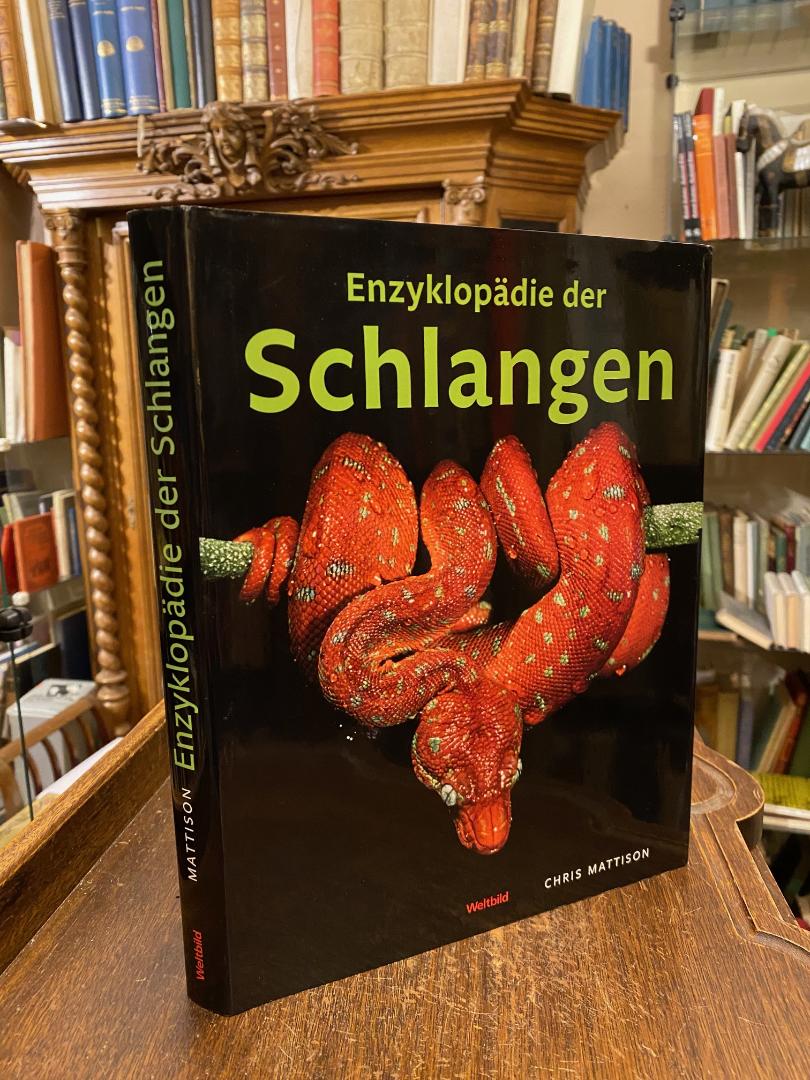
2011Best.-Nr. 59010ABAugsburg, Weltbild Verlag, 2011. 4° (28x22), 272 S., mit zahlr. fotograf Aufnahmen, Verbreitungskarten, OPbd mit fotoill OU, ohne Gebrauchsspuren, offensichtlich ungelesen, frisch,
2001Best.-Nr. 26117ARTEMIS 2001 In-4 broché. Très bon état d’occasion.
1949Best.-Nr. 5636Editions Gilbert Droin 1949 220 pages in8. 1949. broché. 220 pages. Roman autobiographique publié en 1946 qui décrit l'expérience traumatisante de l'auteure lors de son internement dans un hôpital psychiatrique offrant un témoignage critique sur les conditions de traitement des patients en psychiatrie à cette époque
1941A clean, unmarked book with a tight binding. 365 pages. Attractive small format: 4 1/8"w x 6 7/8"h. Full maroon cloth boards. Small tears and edge wear to dust jacket. With four colored plates and 103 drawings by Albert A. Enzenbacher.
1994Best.-Nr. 26124Ouest France 1994 In-4 broché. Couverture poussiéreuse, et marquée par les lectures. Bon état d’occasion.
1906pp. 113-208 + Numerous full page photographs of snakes. Numerous text drawings. Plate XVII torn. Fore edges stained. Ownership initials of E.L.S. on title page. Tall 8vo. Original pink printed wraps, spine and front cover crudely taped. Covers worn with loss at edges. PA PAMPH 20_26 BX7 x 2nd c. lacks wraps and last page.
Bella incisione colorata a mano del 1825 circa tratta dalla monumentale opera di storia naturale di Buffon, carta spessa. L'incisione rappresenta due specie di serpenti: Bitis atropos del Sud Africa e un Dipsas In buone condizioni, fioriture. TECNICA: Incisione su acciaio colorata AUTORE: Lacepede DIMENSIONI FOGLIO: cm 22x13,5 DIMENSIONI INCISIONE: cm 15,5x9,5 EPOCA: 1825 circa Buffon fu un'esponente del movimento scientifico legato all'illuminismo e le sue teorie influenzarono le generazioni successive di naturalisti in particolare Jean Baptiste Lamarck e Charles Darwin. Questa è la sua opera più celebre ed è l'"Histoire Naturelle" pubblicata per la prima volta tra il 1749 ed il 1789 in 36 volumi di cui 8 postumi grazie al lavoro di Bernard Lacepede. Buffon espone tutto il sapere dell'epoca nel campo delle scienze naturali e proprio in questo scritto rilevò le somiglianze tra l'uomo e la scimmia e la possibilità di una genealogia comune. Nice engraving of 1825 circa taken from the monumental work of natural history by Buffon, wide paper. The engraving represents ttwo species of snakes: Bitis atropos of South Africa and one Dipsas. In good conditions, foxings. TECHNIQUE: coloured steel engraving AUTHOR: Lacepede LEAF SIZE: cm 22x13,5 PRINT'S SIZE: cm 15,5x9,5 PERIOD: 1825 circa Buffon was an exponent of the scientific movement connected to illuminism and his theories inspired the next generations of naturalists in particular Jean Baptiste Lamarck and Charles Darwin. His most famous work is l'"Histoire Naturelle" published for the first time between 1749 and 1789 in 36 volumes of which 8 are posthumous thanks to the work of Bernard Lacepede. Buffon exposes in the work all the notions in natural history and in this writing in particular underlined the similarity between monkeys and man with a possibility of common genealogy.
Bella incisione colorata a mano del 1825 circa tratta dalla monumentale opera di storia naturale di Buffon, carta spessa. L'incisione rappresenta due specie di serpenti: la Natrix natrix o biscia dal collare e una specie di Bali In buone condizioni, fioriture. TECNICA: Incisione su acciaio colorata AUTORE: Lacepede DIMENSIONI FOGLIO: cm 21,5x13,5 DIMENSIONI INCISIONE: cm 15,5x9,5 EPOCA: 1825 circa Buffon fu un'esponente del movimento scientifico legato all'illuminismo e le sue teorie influenzarono le generazioni successive di naturalisti in particolare Jean Baptiste Lamarck e Charles Darwin. Questa è la sua opera più celebre ed è l'"Histoire Naturelle" pubblicata per la prima volta tra il 1749 ed il 1789 in 36 volumi di cui 8 postumi grazie al lavoro di Bernard Lacepede. Buffon espone tutto il sapere dell'epoca nel campo delle scienze naturali e proprio in questo scritto rilevò le somiglianze tra l'uomo e la scimmia e la possibilità di una genealogia comune. Nice engraving of 1825 circa taken from the monumental work of natural history by Buffon, wide paper. The engraving represents tto species of snakes: Natrix natrix or grass snake and a species from Bali In good conditions, foxings.TECHNIQUE: coloured steel engraving AUTHOR: Lacepede LEAF SIZE: cm 21,5x13,5 PRINT'S SIZE: cm 15,5x9,5 PERIOD: 1825 circa Buffon was an exponent of the scientific movement connected to illuminism and his theories inspired the next generations of naturalists in particular Jean Baptiste Lamarck and Charles Darwin. His most famous work is l'"Histoire Naturelle" published for the first time between 1749 and 1789 in 36 volumes of which 8 are posthumous thanks to the work of Bernard Lacepede. Buffon exposes in the work all the notions in natural history and in this writing in particular underlined the similarity between monkeys and man with a possibility of common genealogy.
Bella incisione colorata a mano del 1825 circa tratta dalla monumentale opera di storia naturale di Buffon, carta spessa. L'incisione rappresenta due specie di serpenti: il colubro di Esculapio e una specie di biscia In buone condizioni, fioriture. TECNICA: Incisione su acciaio colorata AUTORE: Lacepede DIMENSIONI FOGLIO: cm 22x13,5 DIMENSIONI INCISIONE: cm 15,5x9,5 EPOCA: 1825 circa Buffon fu un'esponente del movimento scientifico legato all'illuminismo e le sue teorie influenzarono le generazioni successive di naturalisti in particolare Jean Baptiste Lamarck e Charles Darwin. Questa è la sua opera più celebre ed è l'"Histoire Naturelle" pubblicata per la prima volta tra il 1749 ed il 1789 in 36 volumi di cui 8 postumi grazie al lavoro di Bernard Lacepede. Buffon espone tutto il sapere dell'epoca nel campo delle scienze naturali e proprio in questo scritto rilevò le somiglianze tra l'uomo e la scimmia e la possibilità di una genealogia comune. Nice engraving of 1825 circa taken from the monumental work of natural history by Buffon, wide paper. The engraving represents two species of snakes: the esculapian snake and a species of snake. In good conditions, foxings. TECHNIQUE: coloured steel engraving AUTHOR: Lacepede LEAF SIZE: cm 22x13,5 PRINT'S SIZE: cm 15,5x9,5 PERIOD: 1825 circa Buffon was an exponent of the scientific movement connected to illuminism and his theories inspired the next generations of naturalists in particular Jean Baptiste Lamarck and Charles Darwin. His most famous work is l'"Histoire Naturelle" published for the first time between 1749 and 1789 in 36 volumes of which 8 are posthumous thanks to the work of Bernard Lacepede. Buffon exposes in the work all the notions in natural history and in this writing in particular underlined the similarity between monkeys and man with a possibility of common genealogy.
Bella incisione colorata a mano del 1825 circa tratta dalla monumentale opera di storia naturale di Buffon, carta spessa. L'incisione rappresenta due specie di serpenti: una vipera e un serpente brasiliano In buone condizioni, fioriture. TECNICA: Incisione su acciaio colorata AUTORE: Lacepede DIMENSIONI FOGLIO: cm 22x13,5 DIMENSIONI INCISIONE: cm 15,5x9 EPOCA: 1825 circa Buffon fu un'esponente del movimento scientifico legato all'illuminismo e le sue teorie influenzarono le generazioni successive di naturalisti in particolare Jean Baptiste Lamarck e Charles Darwin. Questa è la sua opera più celebre ed è l'"Histoire Naturelle" pubblicata per la prima volta tra il 1749 ed il 1789 in 36 volumi di cui 8 postumi grazie al lavoro di Bernard Lacepede. Buffon espone tutto il sapere dell'epoca nel campo delle scienze naturali e proprio in questo scritto rilevò le somiglianze tra l'uomo e la scimmia e la possibilità di una genealogia comune. Nice engraving of 1825 circa taken from the monumental work of natural history by Buffon, wide paper. The engraving represents ttwo species of snakes: one viper and a Brazil snake. In good conditions, foxings TECHNIQUE: coloured steel engraving AUTHOR: Lacepede LEAF SIZE: cm 22x13,5 PRINT'S SIZE: cm 15,5x9 PERIOD: 1825 circa Buffon was an exponent of the scientific movement connected to illuminism and his theories inspired the next generations of naturalists in particular Jean Baptiste Lamarck and Charles Darwin. His most famous work is l'"Histoire Naturelle" published for the first time between 1749 and 1789 in 36 volumes of which 8 are posthumous thanks to the work of Bernard Lacepede. Buffon exposes in the work all the notions in natural history and in this writing in particular underlined the similarity between monkeys and man with a possibility of common genealogy.1
Bella incisione colorata a mano del 1825 circa tratta dalla monumentale opera di storia naturale di Buffon, carta spessa. L'incisione rappresenta due specie di serpenti: La biscia comune e il Cervone (Elaphe quatuorlineata) In buone condizioni, fioriture. TECNICA: Incisione su acciaio colorata AUTORE: Lacepede DIMENSIONI FOGLIO: cm 21,5x13,5 DIMENSIONI INCISIONE: cm 15,5x9,5 EPOCA: 1825 circa Buffon fu un'esponente del movimento scientifico legato all'illuminismo e le sue teorie influenzarono le generazioni successive di naturalisti in particolare Jean Baptiste Lamarck e Charles Darwin. Questa è la sua opera più celebre ed è l'"Histoire Naturelle" pubblicata per la prima volta tra il 1749 ed il 1789 in 36 volumi di cui 8 postumi grazie al lavoro di Bernard Lacepede. Buffon espone tutto il sapere dell'epoca nel campo delle scienze naturali e proprio in questo scritto rilevò le somiglianze tra l'uomo e la scimmia e la possibilità di una genealogia comune.Nice engraving of 1825 circa taken from the monumental work of natural history by Buffon, wide paper. The engraving represents two species of snakes: common snake and Four lined snake (Elaphe quatuorlineata).In good conditions, foxings. TECHNIQUE: coloured steel engraving AUTHOR: Lacepede LEAF SIZE: cm 21,5x13,5 PRINT'S SIZE: cm 15,5x9,5 PERIOD: 1825 circa Buffon was an exponent of the scientific movement connected to illuminism and his theories inspired the next generations of naturalists in particular Jean Baptiste Lamarck and Charles Darwin. His most famous work is l'"Histoire Naturelle" published for the first time between 1749 and 1789 in 36 volumes of which 8 are posthumous thanks to the work of Bernard Lacepede. Buffon exposes in the work all the notions in natural history and in this writing in particular underlined the similarity between monkeys and man with a possibility of common genealogy.