5 261 résultats
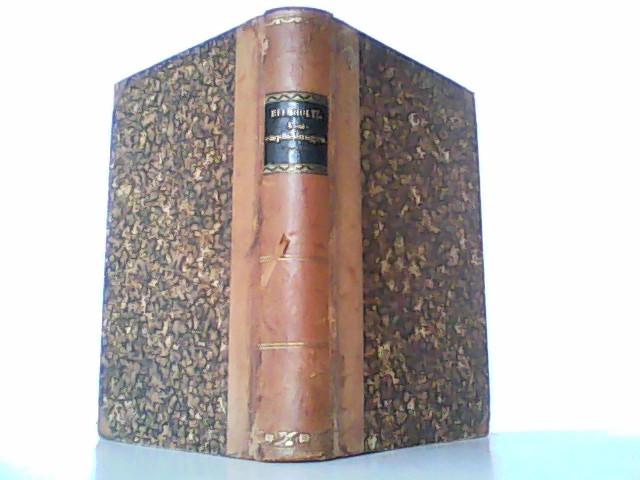
1875réf. W79715Paris, G. Masson 1875 Complet en 2 volumes: iii,388,[iv] + [iv],423,[4] pp.illustré avec des tables et figures dans le texte + 39 planches gravées & 3 planches chromolithographiques & 8 cartes géographiques en couleurs dont 7 double-page, 1e édition, reliures cart. (plats marbrés, dos en cuir avec titre et fleurons dorés, coins peu touchés), feuilles de garde marbrées, rousseurs (texte toujours bien lisible), bon exemplaire, W79715
1875Complet en 2 volumes: iii,388,[iv] + [iv],423,[4] pp.illustré avec des tables et figures dans le texte + 39 planches gravées & 3 planches chromolithographiques & 8 cartes géographiques en couleurs dont 7 double-page, 1e édition, reliures cart. (plats marbrés, dos en cuir avec titre et fleurons dorés, coins peu touchés), feuilles de garde marbrées, rousseurs (texte toujours bien lisible), bon exemplaire, W79715
1713In 4° (23,5×17,3 cm); (10), 179, (3) pp. Legatura dei primissimi del novecento in piena pergamena rigida. Esemplare ancora in barbe e con ampi margini. Iniziali ornate. Conservati i fogli di guardia originali. Antica nota di possesso di “Antonio Laghi” al frontespizio che definisce questo esemplare esser appartenuto con tutta probabilità al celebre architetto bolognese, Antonio Maria Laghi (1676-1756). Non comune prima edizione di questa importante opera del celebre medico, anatomista e fisiologo originario di Crevalcore (Bologna), Marcello Malpighi. Quest’opera vide le stampe postuma solo grazie all’opera del medico veronese Girolamo Gaspari e all’interessamento di Antonio Vallisnieri. L’opera è particolarmente interessante per l’ampio spazio dedicato a riflessioni psichiatriche dedicate a varie malattie mentali. Opera non comune, in prima edizione in barbe, dalla provenienza celebre ed in ottime condizioni di conservazione. Cfr. BLAKE 285; Heirs of Hippocrates 575; HIRSCH IV, 110; PIANTANIDA 1949: “Pregiata e rara ediz. orig.”; WALLER 6195; WELLCOME III, 284.
1630In-8 p. (mm. 222x156), p. pergamena coeva, titolo ms. al dorso, cc.nn. 32 (frontesp., dedica, index), cc.nn. 244 con 972 colonne numer. (i.e. 976, ripetute nella paginazione le colonne 603-606), ornato da testatine, grandi capilettera e finalini inc. su legno. Importante seconda edizione, accresciuta e corretta dall’autore. In quest’opera Santorio sviluppa il suo metodo sperimentale nel campo della diagnostica e della terapia, descrive diversi strumenti da lui espressamente escogitati e parla dell’uso medico del pendolo. Cfr. Castiglioni “Storia della medicina”, p. 541: “Il capodistriano Santorio Santorio (1561-1636) medico e fisiologo. completati gli studi di medicina a Padova nel 1582, esercitò la professione per molti anni in Croazia. Nel 1599 tornò a Venezia dove fece amicizia con Paolo Sarpi, G. F. Sagredo e Galileo Galilei. Il suo adattamento del pendolo alla pratica medica fu probabilmente ispirato dalle discussioni con Galileo sugli esperimenti condotti da quest’ultimo con i pendoli nel 1602. L’impiego medico del pendolo fu descritto nel "Methodi vitandorum errorum omnium.." pubblicato da Santorio nel 1603..”. Cfr. anche Krivatsy, 10251 - Garrison-Morton 572.1. Con fori di tarlo sulle ultime 40 carte che intaccano anche alcune lettere del testo e altri restaurati; qualche lieve uniforme arross. ma discreto esemplare.
réf. EYL-52Lyon, Jean Antoine Huguetant & Guill. Barbier, 1670. In 4 de 4 ff., 396 p. Veau blond de l’époque, triple filet doré sur les plats, dos à nerfs orné de fleurons dorés, pièce de titre de maroquin rouge, charnière sup. fendillée mais solide, coiffes arasées, coins frottés, rousseurs. Bon exemplaire.
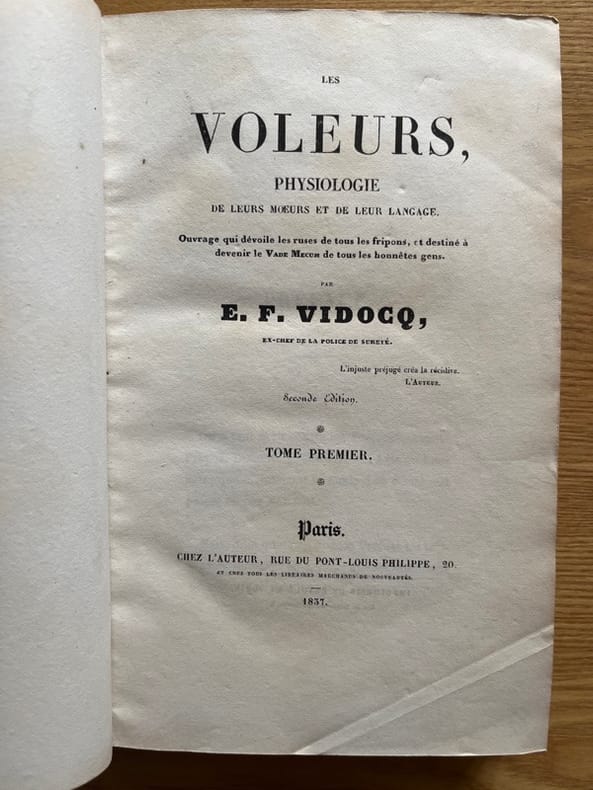
réf. 238145Paris, Chez l'Auteur, 1837 2 tomes en 1 vol. in-8, LXVIII-299 pp. et 397 pp., demi-basane rouge, dos à nerfs de guirlandes, de filets et de fleurons dorés (reliure de l'époque). Coiffes, nerfs et plats frottés, épidermures. Titré Oeuvres au dos. Sans le portrait.
1842réf. 30439ABBraunschweig, Vieweg, 1842?1853. Gr.-8°. Halblederbände der Zeit. + Wichtig: Für unsere Kunden in der EU erfolgt der Versand alle 14 Tage verzollt ab Deutschland / Postbank-Konto in Deutschland vorhanden +, A|B 4 in 5 Bänden. [2 Warenabbildungen]
réf. SONG3718651378Used: Good unknown
1813réf. 14086Philadelphia: M Thomas 1813. First English Edition. full contemporary calf. Very good; some minor offsetting; joints chafed. 8vo. Folding plate. An elusive and important title. Le Gallois described the action of the vagus nerve on respiration and located the respiratory center in the medulla. The plate accompanying the text is dramatic. See G - M # 928 citing the first French edition; Austin # 1139; Norman # 1324; Clarke & O'Malley Human Brain pp. 294 - 296. M Thomas unknown books
1836réf. 107295BBLeipzig, Leopold Voss, 1836. Imperial-Folio (46,5 x 34 cm.). [2] Bl., 15 S. und 2 Kupfertafeln. Orig.-Leineneinband mit mont. Deckelschild. [5 Warenabbildungen]
réf. DADAX0534395015New unknown
1865réf. 19234Braunschweig, Vieweg und Sohn, 1865. Halbleder
réf. SONG0792366360Used: Good unknown
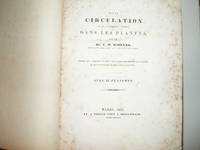
1839réf. 6206Paris / Berlin: A Hirschwald 1839. First Edition. Contemporary embossed binder's cloth. Good with spotty foxing throughout. 4to 2 1 - 110 pp. 23 large folding lithographic plates. An important study. The book identifies the circulation of nutrients in vascular plants and comments on their cell structure. Schultz's research took place during a crucial time in the development and understanding of the cell theory of plant and animal structures. Pritzel #8478; Hirsch V 159-160; Stafleu / Cowan V pp. 374-375. A Hirschwald hardcover books
réf. SONG0367541092Used: Good unknown
réf. DADAX0471560715New unknown
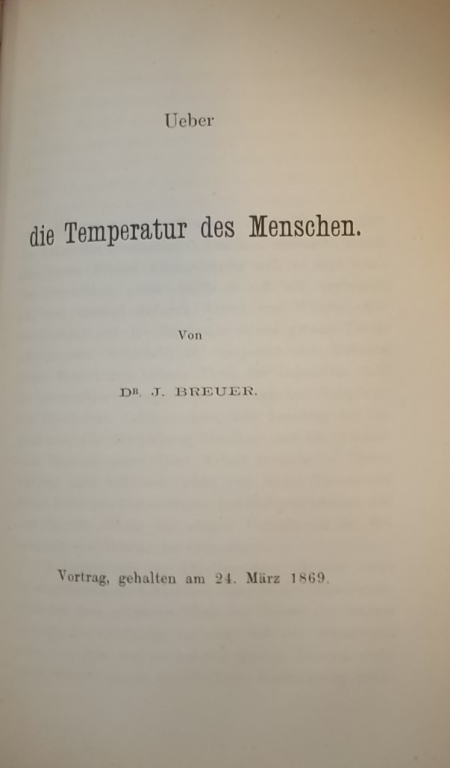
1869réf. 13344Wien, Gerold, 1869. S. (121) - 140. Kl.-8°. OHLdr. (beschabt).
réf. DADAX0471592277New unknown
réf. 4843Genève, Chirol, 1783, un volume in 8 relié en plein veau blond marbré, dos orné de fers dorés, filets dorés sur les plats, tranches mouchetées (reliure de l'époque), (travail de vers à un mors), (1), 159pp., (1pp.) (considérations sur la méthode suivie par Monsieur L'Abbé Spallanzani dans ses expériences sur la digestion par SENEBIER) ; 1 feuillet blanc, 320pp. (Expériences sur la digestion de l'homme et de différentes espèces d'animaux par l'Abbé SPALLANZANI traduites par SENEBIER)
réf. DADAX1560228741New unknown
réf. 11230016.exp5CGood. Vol. 2. DJ shows light-to-moderate surface and edge wear. Boards clean; binding intact. Edges of text block lightly toned; text appears clean and unmarked otherwise. hardcover
1789réf. 0005284London: John Murray H. Hunter T. Holloway 1789 - 1798. First edition thus. Hardcover. Poor. 173 full-page engravings; 364 vignettes in the text altho the title-page boasts more than 800 engravings but that was hyperbole. Tall quartos half-titles; collated; in need of a total make-over: tidal marks warped boards defective Contents leaves vol.3 pt. 2. Lavater's development of a science of Physiognomy was illustrated by his fellow theologian & countryman Henry Fuseli in its original appearance in 1775 as PHYSIOGNOMISCHE FRAGMENTE. Fuseli illustrated Boydell's magnificent Shakespeare and his art was a precursor of the Romantic Movement Sybolism and Surrealism. He was a close friend of William Blake -who engraved a handful of these plates. Blake's own treatment of the creation myth in Genesis was informed by this work by Lavater in Blake's exploration of God's exprression of his own image and likeness in the faces of contemporary mankind. Lavater's theories influenced contemporary artists the science of phrenology and Cesare Lombroso's criminology. This work is a translation from the French edition by H. Hunter : the French edition improves upon the original German because it was made from the author's revised manuscript with some revisions and enlargements. Lavater wrote of Fuseli "Spectres Demons and madmen; fantoms exterminating angels; murders and acts of violence - such are his favourite objects - as quoted by Gordon Ray THE ILLUSTRATED BOOK IN ENGLAND From 1790 to 1913 20." Brunet III 887; Lowndes 1321; Garrison-Morton 154 - "His work was very influential on portraiture." ; BIBLIOTHECA OSLERIANA 3178; ESTC T139902; Bentley and Nurmi's BLAKE BIBLIOGRAPHY 390. 173 full-page engravings; 364 vignettes in the text altho the title-page boasts more than 800 engravings but that was hyperbole. John Murray, H. Hunter, T. Holloway hardcover
réf. DADAX032347912XNew unknown
1816réf. R320137544Chez Méquignon-Marvis. 1816. In-8. Relié demi-cuir. Etat d'usage, Coins frottés, Dos à nerfs, Quelques rousseurs. VI + 326 pages - dos à 4 nerfs - auteur, titre, filets, tomaison dorés sur le dos - plats, contre plats et tranches jaspés - légères rousseurs et légères traces de mouillures sans réelle conséquence sur la lecture.. . . . Classification Dewey : 612-Physiologie humaine
1832réf. 002520Paris, Chez les Libraires de la place de la Bourse, 1832