|
British Museum Dept of Prints and D
Catalogue of Prints and Drawings in the British Museum: Division I. Political and Personal Satires; Volume 4
Hardback. New. hardcover
Bookseller reference : A9781018562162 ISBN : 1018562168 9781018562162

|
|
|
University Prints
Catalogue of the University Prints: Greek and Roman Sculpture Early Italian Art Later Italian Art Art of the Netherlands and Germany; Nov. 1 1910 Classic Reprint
hardcover. Good. Access codes and supplements are not guaranteed with used items. May be an ex-library book. hardcover
Bookseller reference : 048475887X.G ISBN : 048475887X 9780484758871

|
|
|
Christopher Eng Co [Engravings]
RICHMOND STORY OF RICHMOND ON THE JAMES
Richmond: Clarence E. Weaver; W. C. Hill Print. Co 1912. Original Wrappers. Good binding. Issued in the Spring of 1912 this tourist guidebook has photographic illustrations throughout accompanied with explanatory text. 48 pp. plus 2 ads. Rebound in burgundy cloth with the printed wrappers bound in. Illustrations throughout. Because of the protection of the later binding the wrappers are quite bright.~With the bookplate of Claude Monteiro of Richmond descendant of Confederate surgeon Aristides Monteiro.~~This guidebook is local item for us. Having said that this is but the second copy we have had. Uncommon with but a single copy found on OCLC. Good binding. Clarence E. Weaver; W. C. Hill Print. Co unknown
Bookseller reference : 292504

|
|
|
(FRENCH ENGRAVINGS)
Gravures en Couleurs Galantes et Classiques Francaises
Bale: Heufeld & Henius 1925. Limited. hardcover. very good. Illustrated with 48 handsomely printed color plates mounted on heavy art paper protected with numbered tissue guards. No text other than title and list of plates. Slim folio original 1/2 blue calf over patterned boards with ornate gilt-decorated spine. Bale: Heufeld & Henius no date circa 1925. A very good copy of this unusual book.<br/> <br/> One of 260 numbered copies.<br/> <br/> Heufeld & Henius unknown
Bookseller reference : 34365
|
|
|
Robert Frost, with a foreword by Edward Hyde Cox and wood engravings by Thomas W Nason
You Come Too: Favorite Poems for Young Readers signed by Robert Frost
New York: Henry Holt and Company 1959. First edition first printing. Hardcover. This strikingly clean jacketed copy of the first edition first printing of Robert Frosts 1959 collection of Favorite Poems for Young Readers is signed by him "Robert Frost" on the title page just above his printed name. <br /> <br />This collection takes its title from the words repeated at the end of each stanza of this book's first poem "The Pasture" first published as the prefatory to North of Boston in 1914. Of this collection the publisher said Frost "has gathered a group of his poems to be read to and by young people. To Robert Frost a great-grandfather with a remarkable number of small friends this was a labor of love. Frost dedicated the volume to his mother Belle Moodie Frost who knew as a teacher that no poetry was good for children that wasnt equally good for their elders. Evoking Frosts famous poem Mending Wall Frosts friend Edward Hyde Cox 1914-1988 who contributes a Foreword to this volume said of Frost that he had never added a single stone to the wall that so often separates age from youth. Prevalent among the 51 poems herein is Frost's gently subversive inclination to write verse that is superficially accessible "lovely dark and deep" upon sounding. <br /> <br />This is a handsome book bound in orange-yellow linen cloth with a vignette of a bird on a fence post stamped in black on the lower right front cover corner and spine print stamped in black with a red acorn and leaf device between at the spine's center. The contents feature wood engravings by Thomas W. Nason and are bound with endpapers of heavy light gray wove paper and red and yellow head and tail bands. The dust jacket printed on beige laid paper features a wood engraving of birches spanning the lower front face spine and extending onto the rear face. The rear face prominently features Yousuf Karsh's famous portrait photograph of Frost. <br /> <br />Condition is truly fine in a truly fine dust jacket. The illustrated cloth binding is immaculately clean and bright with sharp corners and only the most trivial hints of shelf wear to extremities. The contents are likewise pristine with no spotting soiling toning or previous ownership marks. "FIRST EDITION" is so stated on the title page verso. The contents retain a pleasingly stiff feel The dust jacket is crisp bright clean and entirely complete with no loss or tears and retaining the original "$3.00" upper front flap price. We note only a hint of wrinkling to the spine heel and a touch of soiling to the lower rear face. The jacket is protected beneath a clear removable archival cover. <br /> <br />Publisher's statements are often hyperbolic. In this case the dust jacket's front flap description of Robert Frost as "America's beloved poet ageless and for the ages" was and remains more accurate than advertising. Before this volume was published on 26 March 1959 Robert Frost 1874-1963 reached the age of eighty-five. His stature had risen to an apex arguably unequalled by any American poet since. Frost had long-since won all of his still-unrivaled four Pulitzer Prizes for poetry 1924 1931 1937 and 1943. He spent his final years as the most highly esteemed American poet of the twentieth century with an accumulating hoard of academic and civic honors. Two years before his death he became the first poet to read in the program of a U.S. Presidential inauguration Kennedy January 1961. <br /> <br />Reference: Crane A39; Tuten and Zubizarreta; ANB <br/><br/> Henry Holt and Company hardcover
Bookseller reference : 008606

|
|
|
Robert Frost, with wood engravings by Thomas W Nason
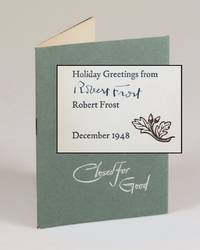
Closed for Good Robert Frost's 1948 Christmas Card one of 375 featuring his Christmas greeting under his name this copy inscribed and signed by Frost
New York: Printed at The Spiral Press 1948. First edition. Paperback. This original Robert Frost 1948 Christmas Card features a trifecta of virtues. This is the first published appearance of this poem which had an unusual text history detailed further below. Of 2275 copies printed for 9 different names this is one of 375 printed for the poet himself. Last but certainly not least this is not only one of Frost's copies but is inscribed and signed by him. Following the first and second printed lines on the presentation page "This new poem brings Holiday Greetings from Robert Frost December 1948" Frost wrote "the Hendersons" and signed "Robert Frost". <br /> <br />Condition is near fine. The gray-green card wraps are clean bright and sharp cornered the binding staple firmly intact and uncorroded. We note only a tiny blemish above the title on the front cover and a trivial hint of wear to the spine heel. The contents are crisp and clean lightly age-toned but with no spotting or soiling. <br /> <br />With the permission of Frost and his publishers in 1929 the Spiral Press began printing an annual Robert Frost Christmas Card featuring one of his poems. The tradition continued until 1962 Frost's final Christmas. Each annual Christmas poem publication was printed with varying names on the title page to accommodate their being sent by various Frost publishers artists and important friends. This copy is one of those printed for Frost himself. <br /> <br />The 1948 Christmas poem "Closed for Good" has an unusual textual history. After it was first printed here it appeared in a number of other Frost collections including in the 1949 edition of Complete Poems and the 1954 1955 and 1963 editions of selected poems. In 1962 a revised version of Closed for Good was published as part of In the Clearing. There the poem is altered; the first stanza lines 1-6 is deleted And becomes They in line 7 and the word brush becomes spread in line 24. <br /> <br />This is clearly how Frost wanted the poem to evolve. In the Clearing was his final new collection and in 1958 Frost told Elizabeth Shepley Sergeant that he was trying out a new version of four stanzas. Nonetheless When Edward Connery Lathems edition of The Poetry of Robert Frost was published in 1969 the poem was presented in five stanzas and the two word changes restored to original. Given both Frosts manifestly deliberative use of words and the fact that the poem is a commentary on Frosts inheritance from the past and his legacy to the future the changes do not seem incidental. <br /> <br />By 1948 when this poem first appeared in his annual Christmas card and he inscribed this copy Robert Frost 1874-1963 had already entered the final decades of his life as the most highly esteemed American poet of the twentieth century with an accumulating hoard of academic and civic honors. Half a decade had passed since he had won his still-to-this-day-unrivalled fourth Pulitzer Prize for Poetry. This is all the more remarkable given that he did not publish his first volume of poetry until he was nearly 40 years old. <br /> <br />References: Crane B19; Tuten and Zubizarreta; ANB <br/><br/> Printed at The Spiral Press paperback
Bookseller reference : 008728
|
|
|
Engravings by Matthew Dubourg; Aquatints by John Heaviside Clark
Whale Fishery from Foreign Field Sports Fisheries Sporting Anecdotes Etc.
E-160. Very Good. Hardcover. Hardcover. 4to. Edwd. Orme London UK. 1813. 12 pgs. Illustrated with a set of four whaling prints originally found in Williamson's "Foreign Field Sports." Bound by Zaehnsdorf in 3/4 leather and matching cloth boards with titles present to the spine. Boards have light shelf-wear present to the extremities. Previous owner's bookplate present to the front pastedown. Text is clean and free of marks. Binding tight and solid. A complete set of four fine colour aquatints depicting whaling in the early 19th century. Fine original colour. The titles of each plate : 'Whale Fishery Plate 1 A Ship's Boat Attacking a Whale' 'Whale Fishery Plate 2 Boats Approaching a Whale' ''Whale Fishery Plate 3 A Whale Brought Along-Side a Ship' 'Whale Fishery Plate 4 Shooting the Harpoon at a Whale'. EB; 8vo 8" - 9" tall . hardcover
Bookseller reference : 66656
|
|
|
Robert Kinney; with Color Block Prints by Eugenia and Bob Riley
The Bachelor in New Orleans A Handbook for Unattached Gentlemen and Ladies of Spirit Visiting or Resident in the Paris of America
E-386. Very Good. Paperback. Trade PB. 8vo. Bob Riley Studios New Orleans LA. Unknown Date 1943 . 115 pgs. Illustrated. Revised Edition. Wrappers lightly worn with some light shelf-wear to the extremities present. Book is free of ownership marks. Text is clean and free of marks. Binding tight and solid. French Quarter bohemians designed The Bachelor in New Orleans as an unauthorized guidebook before unauthorized guidebooks. Over forty marvelous block prints illustrate a remarkably jaunty text delivering a portrait of New Orleans nightlife unlike any other. The Bachelor in New Orleans discusses among other things: absinthe the Ramos Gin Fizz Cafe Brulot Bourbon Street The Sazerac Bar Court of the Two Sisters Pat O'Brien's The Monteleone Hotel Bar art Cafe Lafitte Tujague's Bar The Walnut Room Micky Finns Antoine's Galatoire's Dinkelspiel salad lonliness Mardi Gras drinking jazz and sporting houses. ; 8vo 8" - 9" tall . paperback
Bookseller reference : 71318
|
|
|
Paul Muldoon; Intaglio Prints by Diarmuid Delargy
Unapproved Road
E-075. Very Good. Hardcover. Hardcover. 4to. Published by Pied Oxen Printers Hopewell NJ 2002. This is copy number 73 of the Limited edition of 125 copies. Illustrated with 2 intaglio plates. Signed by Paul Muldoon on the half title page and Diarmuid Delargy on the intaglio plates and the printer David Sellers on the limitation page. Bound in original green Asahi cloth printed paper labels on spine and upper cover printed on Somerset Book Wove soft white the prints on Somerset Textured. Boards have light shelf-wear present to the extremities. No ownership marks present. Text is clean and free of marks. Binding tight and solid. 'Unapproved Road' is a masterpiece. For one so long and falsely charged with emotional evasiveness Muldoon will survive as one of our laureates of marriage and fatherhood. Paul Muldoon born 20 June 1951 is an Irish poet. He has published more than thirty collections and won a Pulitzer Prize for Poetry and the T. S. Eliot Prize. At Princeton University he is currently both the Howard G. B. Clark '21 University Professor in the Humanities and Founding Chair of the Lewis Center for the Arts. He held the post of Oxford Professor of Poetry from 1999 to 2004 and has also served as president of the Poetry Society UK and Poetry Editor at The New Yorker. EB; 8vo 8" - 9" tall . hardcover
Bookseller reference : 63186
|
|
|
Joseph Blumenthal | John De Pol [Wood Engravings]
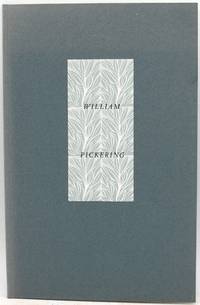
SPECIAL PRESS WILLIAM PICKERING
Maple Shade NJ: The Pickering Press 1984. Soft Cover. Near Fine binding. Large 8vo.; in blue paper-covered flexible boards with a decorative paper label to the upper board; 18 pages with a wood-engraved portrait as frontispiece and example of Pickering’s work tipped in and numerous illustrations in blue and black; there is minor fade to the spine. Near Fine binding. The Pickering Press unknown
Bookseller reference : 298176
|
|
|
Collection of French Pamphlets, with Beautiful & Fine French Engravings; Various Authors, and Illustrators
HEROIDES OU LETTRES EN VERS. Vols I & II.
Various publishers including . Paris &/or Geneva: -1769. 1764 Fourteen 14 Rare French Literary Pamphlets in two volumes. All 8vo. 205 mm. Leather backed marbled boards very slightly worn. Hardbound. Text in fine condition; some offsetting from the engravings. Contents include: Vol. I - 1. LETTRE AMOUREUSE D'HELOISE A ABAILARD. Translation of: Eloisa to Abelard by Alexander Pope. New Edition corrected by the autor. Chez la veuve Duchesne Paris: 1766. 30 p. large engraving by Eisen; Engraved headpiece by Colardeau. 2. LETTRE DE DON CARLOS A ELISABETH SUIVIE DUN PASSAGE DE L'AMINTE DU TASSE TRADUIT EN VERS & Du Poeme De La Nuit imite de Gesner. Panckoucke Paris & Duchesne Lille: 1768. pp. VIII 29 Gravelot engraved plate. 3. LETTRE DE JULIE FILLE D'AUGUSTE A OVIDE. By Claude Dorat. A Geneve Et se trouve a Paris: Chez Bauche: 1766. 23p. With Engraved head and tail pieces by Eisen and Massard. 4. LETTRE D'OVIDE A JULIE PRECEDEE DUNE LETTRE EN PROSE A M. DIDEROT. By the Marquis de Pezay. Geneva: 1767. 32p. Full page engraved plate and vignettes after Eisen. 5. LETTRE DE SAPHO A PHAON Precedee d'une Epitre a Rosine D'une vie de Sapho & suivie d'une Traduction en Vers des Ouvrages de ce Poete. By Blin de Sainmore. Sebastien Jorry Paris: 1766. 32 p. Engraved plate by Aliamet after Gravelot; Vignettes by Ghendt after Eisen another by Choffard. 6. LETTRE DE CATON D'UTIQUE A CESAR. By Abbe Parmentier. Lambert Paris: 1766. 34 p. Engraved plate after Gravelot. 7. LETTRE D'ALCIBIADE A GLICERE: Bouquetiere d'Athenes suivie d'une Lettre de Venus a Paris et d'une Epitre a la Maitresse que J'Aurai. By Marquis de Pezay. S. Jorry Geneva & Paris: 1764. 36 p. Large engraved plate and vignettes by Eisen. Vol. II - 1. LETTRE DU COMTE DE COMMINGES A SA MERE: Suivie d'une Lettre de Philomele a Progne. By Claude-Joseph Dorat. S. Jorry Paris: 1764. 68 p. Two full page engravings vignettes by Eisen & Massard. 2. L'HEUREUX JOUR EPITRE A MON AMI. By le Parquis de Pezay. Duchene Paris: 1768. pp. 29 1. Engraved title full page engraving & vignettes by Eisen & Massard. Cohen p. 797. 3. LISLE MERVEILLEUSE. Poeme en Trois Chants Traduit du Grec Suivi d'Alphonse ou de l'Alcide Espagnol Conte tres Moral. By C. J. Dorat. Geneva: 1768. 85 p. Engraved plate after Eisen. 4. L'HOPITAL DES FOUS Aesculapius - or The Hospital of Fools by William Walsh. A Play translated by De La Flotte. Jorry Paris: 1765. Large plate head-piece and tail-piece engraved by Delafosse after Eisen. Two lines of French manuscript about Fools. 5. EXTRAIT DE QUELQUES PIECES PRESENTEES A L'ACADEMIE FRANCOISE Pour concourir au Prix de poesie de L'Annee 1766. Regnard Paris: 1766. 27 p. 6. EPITRE AUX MALHEUREUX Piece qui a Eu L'Accessit du Prix de l'Academie Francois 1766. par M G.-H. Gaillard. Paris Regnard: 1766. 10p. 7. EPITRE A UN AMI SUR LA RECHERCHE DU BONHEUR. Cette Piece a concouru au Price de l'Academie Francois 1766. par M.D. Avocat au Parlement Cuissart & Regnard Paris: 1766. 19p. Small circular stain on first 10 pages. This collection is sometimes found with the texts in a different order and with different pagings and signatures and/or with one or more pieces omitted. There are often different printers and publishers where identified. The artists and engravers were among the best of this great era in illustration: Charles-Dominique-Joseph Eisen 1720-1778; Charles-Pierre Colardeau 1732-1776; Hubert Francois Gravelot 1699-1773; Jacques Aliamet 1726-1788; Jean Francois Rousseau; Emmanuel Jean Nepomucene de Ghendt 1738-1815; Joseph de Longueil 1730-1792; Jean Massard 1740-1822; Pierre-Philippe Choffard 1730-1809. A classic of 18th century French book illustration. CHEST 2/1. Hardcover. Very Good. Various publishers, including . Paris &/or Geneva: -1769. hardcover
Bookseller reference : 001R83
|
|
|
Micheal Justin Davis | Simon Brett {Engravings]
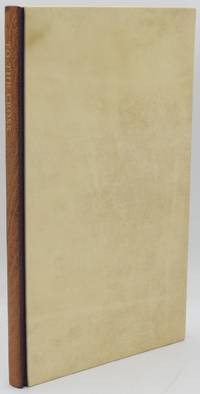
SPECIAL PRESS TO THE CROSS: A SEQUENCE OF DRAMATIC POEMS FOR HOLY WEEK WITH PORTFOLIO
Marlborough Wilts: Paulinus Press 1984. Limited Edition. Near Fine binding. Small quarto; in morocco-backed vellum with spine lettered in gilt; housed in slipcase with portfolio in the slipcase containing a set of nineteen wood engravings by Simon Brett printed on japon and signed by the artist; the morocco spine is a bit sunned; this edition with the portfolio is limited to 25 copies; of the engravings in the portfolio this is number 18 of xxv; signed on the colophon by Michael Justin Davis and Simon Brett. Near Fine binding. Paulinus Press unknown
Bookseller reference : 297104
|
|
|
Walter Shewring | Simon Brett (Engravings] | Christopher Skelton [Designer & Printer]
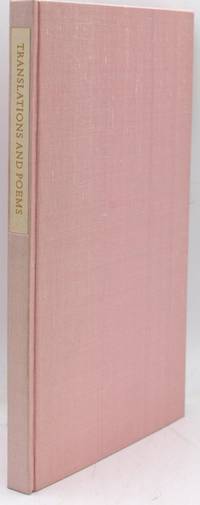
SPECIAL PRESS TRANSLATIONS AND POEMS
Marlborough Wilts England: Paulinus Press 1984. Limited Edition. Hard Cover. Fine binding. Large 8vo.; in the publisher’s pink silk bonding with a cream label to the spine lettered in gilt with slipcase; 55 pages with illustrations and a set of proofs; signed by the author Walter Shewring; the engraver Simon Brett the engraver; Christopher Skelton the printer; and Clare Skelton the binder.~~This edition limited to twenty-five special copies printed on Zerkall mould-made paper with additional pages bearing impressions of the engravings printed direct from the wood blocks; in the rear of the book is a loose set of proofs of the engravings on japon printed and signed by the artist.~~This special edition is signed by the author the engraver the printer and the binder “in recognition of its being the last book produced at Skelton’s Press under Christopher Skelton’s ownershipâ€. Fine binding. Paulinus Press unknown
Bookseller reference : 297106
|
|
|
British Museum Dept of Prints and Draw
Catalogue of Engraved British Portraits Preserved in the Department of Prints and Drawings in the British Museum Volume 4
Hardback. New. hardcover
Bookseller reference : A9781345900873 ISBN : 1345900872 9781345900873

|
|
|
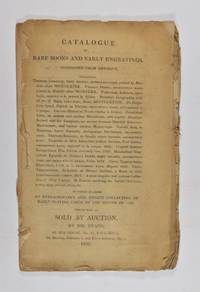
RARE BOOKS, ENGRAVINGS AND EARLY PLAYING CARDS
Catalogue of Rare Books and Early Engravings Consigned from Germany Mr. Halbach to which is added an extraordinary and unique collection of early playing cards by the Master of 1466. Which will be sold by auction by Mr Evans at his house No. 93 Pall-Mall on Monday February 6 and three following days
London: W. Nicol 1832. 8vo 2 57 1pp. title and terminal leaf dust soiled blank margins a little chipped stitched as issued 1109 lots. [London: W. Nicol], 1832 unknown
Bookseller reference : 42710
|
|
|
Hugo, Victor; Dore, Gustave (engravings)
TOILERS OF THE SEA THE: A Novel
New York NY: Harper & Brothers Publishers. Good/NO DUSTJACKET. 1875. . Hardcover. Sm 4to. 155 p.p. Cracked inner hinge; shelf lean; head and tail of spine; previous owner's bookplate approximately 2 and a half inches by 1 and a half inches on front pastedown previous owner's inscription on front free-end paper; corners of cover bumped in; pages lightly warped otherwise pages clean and unmarked. . Harper & Brothers Publishers hardcover
Bookseller reference : BOOKS350130
|
|
|
Ella Pontefract; wood engravings by Marie Hartley
Swaledale
J M Dent and Sons Ltd London 1946. Reprint. Hardcover. Good Condition/Good. Illustrator: wood engravings by Marie Hartley. Brown covers with white lettering on the spine lightly rubbed at spine-ends sound binding part of dust-jacket and 3 hand-taken black and white photographs pasted onto reverse of front end-paper and on half-title-page. Faint smudges on title-page clean pages. Fourth Impression. 174 pages. Previous owner's name in pencil at front. Illustrator: wood engravings by Marie Hartley. Quantity Available: 1. Shipped Weight: under 1 kg. Pictures of this item not already displayed here available upon request. Inventory No: 50322061071. All our books music and maps are sent by a tracked mail service. J M Dent and Sons Ltd hardcover
Bookseller reference : 50322061071
|
|
|
Jules Verne; illustrated by Ferat; engravings by Pannemaker
Les Voyages Extraordinaires - Adventures de trois Russes et de Trois Anglais dans L'Afrique Australe - illustres de 53 vignettes par Ferat Graves par Pannemaker
J Hetzel & Co Paris 1880. Edition Unstated. Hardcover. Very Good/No Dust Jacket. Illustrator: Ferat Pannemaker. Undated circa 1880. Ouvrage couronne par l'Academie francaise. Bibliotheque D'Education et de Recreation. Half leather with marbled boards small bookplate for John William Hoyland annotated by Rachel Barbara Hoyland green leather is worn with spine-label detached boards are good but paper is worn on edges binding sound pages are a little darkened but clean excellent illustrations full page map of Afrique Australe Southern Africa numbered 78 1878. Text is in French. Estimated date only. Illustrator: Ferat Pannemaker. Quantity Available: 1. Shipped Weight: under 1 kg. Pictures of this item not already displayed here available upon request. Inventory No: 04411110044. All our books music and maps are sent by a tracked mail service. J Hetzel & Co hardcover
Bookseller reference : 04411110044
|
|
|
Somerset de Chair (Translator, Editor, Author of Introduction); Clifford Webb (Wood Engravings)
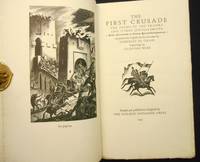
The First Crusade; The Deeds of the Franks and Other Jerusalemites.
Waltham Saint Lawrence: The Golden Cockerel Press 1945. Limited Edition. Hardcover. Very good. Webb Clifford. One of 500 copies folio size pp. The Golden Cockerel Press came together in autumn of 1920 at a time when post-World War I society was ushering in a renaissance of creative minds including another renaissance of the printing press as the artist's tool similar to that of William Morris and the arts and crafts printers of the previous century. The press worked with many notable artists including Eric Gill Blair Hughes-Stanton Robert Gibbings and the artist for this work Clifford Webb. <br /> <br /> Clifford Cyril Webb 1895-1972 studied art and is best known today for his wood engravings. He was a founder-member of the Society of Wood Engravers and "was a prominent figure in the group of engravers whobrought about the revival of wood engraving in the 1920s and benefited from the encouragement of Robert Gibbings and the Golden Cockerel Press" n.b. quote from Webb's entry in Horne "The Dictionary of 20th Century British Book Illustrators" p. 437. <br /> <br /> Per the bibliographical entry for this work "it is surprising that no complete translation of this unique eye-witness account of the First Crusade had ever been published in England before. What the pilgrims did in their fervour of blind fanaticism 'to the glory of God' makes astonishing reading!" <br /> <br /> ___DESCRIPTION: Bound by Sangorski & Sutcliffe in half vellum with orange buckram boards gilt vignette on the front board of crusaders on horseback by Clifford Webb top edge gilt frontis one of five full-page wood-engravings bound in throughout small title page wood-engraving also of crusaders on horseback wood-engraving of a cockerel holding a crusader pennant in its beak on p. 9; Poliphilus type on hand-made paper folio size 12 3/8" by 7 3/8" pagination: 1-4 5-92 1 colophon. <br /> <br /> ___CONDITION: A solid very good copy with clean boards the vellum smooth and without wear a strong square text block with solid hinges the interior is clean and bright and entirely free of prior owner markings; a small mark on the vellum on the back board light overall edgewear the corners bumped but not rubbed. <br /> <br /> ___CITATION: Cockalorum 168. <br /> <br /> ___POSTAGE: International customers please note that additional postage may apply as the standard does not always cover costs; please inquire for details. <br /> <br /> ___Swan's Fine Books is pleased to be a member of the ABAA ILAB and IOBA and we stand behind every book we sell. Please contact us with any questions you may have we are here to help. The Golden Cockerel Press hardcover
Bookseller reference : 33330952
|
|
|
[Christyn, Jean-Baptiste] (Text by); Pieter Danoot (Engravings by)
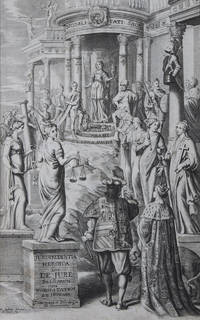
Jurisprudentia heroica sive de Jure Belgarum circa nobilitatem et insignia Demonstrato in Commentario ad Edictum Serenissimorum Belgii Principum Alberti et Isabellae Emulgatum 14. Decembris 1616 . 2-vol. in one Complete
Bruxeelis Brussels: Balthazaris Vivien 1668. First edition. Hardcover. g to g. Folio 14 1/4 x 9". 1 leaf Frontispiece 12pp 586 30pp. Vol. 1; 4 174 8pp. Vol. 2. Modern half dark brown calf over marbled paper covered boards with gold lettering to spine. Raised bands. Allegorical frontispiece engraved by Pieter Danoot after Er. Quellinius Erasmus Quellin. Engraved vignette on title. Title page in red and black lettering. Decorative head- tailpieces and initials. <br /> <br /> First edition of this remarkable work on the Belgian nobility its history and legislation splendidly illustrated throughout with 126 in-text engravings of armorial shields including 14 double-leaved plates of coats of arms and 5 full-page engravings depicting dignitaries fully dressed in the costume of their order. <br /> <br /> Binding partly rubbed along spine. Contemporary previous owner's inscription in ink on half-title and at upper margin of frontispiece not affecting the image. Sporadic age-toning and foxing throughout. Some closed tears at verso of six double-leaved plates were repaired with tape. Minor and sporadic previous owner's underlining in blue ink throughout. Fore-edge of a few pages in second part are partly water-stained never affecting lettering. Text in Latin with some French. Binding in overall good interior in good to good condition. About the author: Jean-Baptiste Christyn 1622-1690 baron of Meerbeek was a jurist and diplomat in the Spanish Netherlands and Chancellor of Brabant from 1687 to 1690. Balthazaris Vivien hardcover
Bookseller reference : 42902
|
|
|
PRINTS, A MAGAZINE DEVOTED TO GRAPHIC ART IN AMERICA
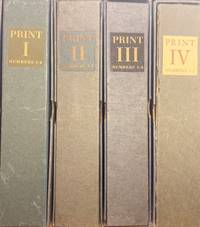
PRINTS A MAGAZINE DEVOTED TO GRAPHIC ART IN AMERICA. Volumes I-V
New York N.Y. William Edwin Rudge 1940-1948. 4to. Vol.I-Vol. V. Number 1-4 of each year plus Vol. V Number 4. 1940-1948. Printed wrappers for each volume. 1st Edition. All in fine condition each year encased in a blue paper covered sleeve. Vol. I: 1940 Vol 1-4 A mutitude of articles on prints and books as well as numerous illustrations. Vol. II: 1942 #1-4 "Aristocracy in Prints" American engraver Vol. III: #1-4 1943 t. Vol. IV: 1946 #1-4Vol. V:1948 #4 only. On request I will provide a detailed list of articles included.<br />The journal was founded by William Edwin Rudge to demonstrate "the far reaching importance of the graphic arts" including art prints commercial printing wallpaper etc. Contents were eclectic covering typography book making book printing fine prints as well as the trade journal aspects of printing candy bar wrappers.8<p>Initially the publication included original prints such as the frontispiece for Vol 1 #1 Jun 1940 a two color woodcut by Hans Alexander Mueller and Vol 1 #3 December 1940 a black and white wood engraving by Paul Landacre.</p><p>By Volume 8 1953 the focus of the periodical had shifted to a trade journal.</p> William Edwin Rudge
Bookseller reference : 2156
|
|
|
Furst (Herbert, editor) [WOOD ENGRAVINGS] [RAVILIOUS, ERIC] [NASH, JOHN]
THE WOODCUT: AN ANNUAL printed in 4 volumes a complete set of first editions FROM THE SPECIAL EDITION PRINTED ON HAND-MADE PAPER LIMITED TO 75 OR 80 COPIES 70 or 75 for sale
London 1927. First Edition. Hard Cover. London: Published by the Fleuron Limited and printed at the Curwen Press 1927-1930. CONTAINS SIGNED WOOD ENGRAVINGS BY JOHN NASH IN VOLUME 3 AND ERIC RAVILIOUS IN VOLUME 4. Publisher's yellow brown pink or purple buckram with gilt lettering to the spine t.e.g. others uncut spines a little faded. Robert Gibbings writes on the Golden Cockerel Press Eric Gill on intaglio printing from woodblocks Paul Nash on woodcut patterns Douglas Percy Bliss on the tools of the wood-engraver etc. W A Thorpe on the Wood-Engravings of John Nash Wood and Metal in the Invention of Printing by Victor Scholderer German Woodcut Lettering by Dr. Julius Rodenberg et al. Generously illustrated with examples of the work of many of the great wood engravers of the time Eric Ravilious John Nash Tirzah Garwood Gwen Raverat Clare Leighton et al. Vol 1 yellow buckram from 1927 is # 25 of 75 copies of which 70 are for sale. Vol 2 brown buckram from 1928 is # 42 of 80 copies of which 75 are for sale. In addition to the blocks in the text there is a fold-out in collotype of woodcut wall-papers opposite page 1. Vol 3 pink buckram from 1929 is # 18 of 80 copies of which 75 are for sale and contains one of the few woodcuts to be produced in Tirzah Garwood's lifetime Vol 4 purple buckram from 1930 is # 27 of 75 copies of which 70 are for sale. A very good set. Containing signed wood-engravings by Eric Ravilious and John Nash. NB: THESE SPECIAL EDITION SETS ARE VERY RARE AS THE SIGNED ENGRAVINGS BY ERIC RAVILIOUS AND JOHN NASH ARE USUALLY FOUND REMOVED. NNB: Dustwrappers not present. Further photographs available upon request. hardcover
Bookseller reference : 355490725414
|
|
|
[COSTUME - ANTIQUE ENGRAVINGS]
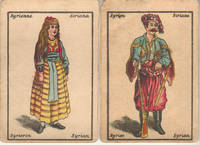
Twelve costume cards
Mid 19th Century. 12 hand-coloured engravings laid onto card rounded corners each approx 11.3 x 7.8cm title text in English Italian French and German slight toning and edgewear one with a chipped corner but overall in good condition. Single figure costume engravings likely prepared for an educational work for children these a larger format than those by Bauer the German family of globe makers. Ten of the cards are paired male and female examples: Spanish Russians "Black Peter" Gipsies a pair from Syria and two of female figures from the Tyrol and Greenland. <br> <br>This item is held off-site. Please note there may be a few days delay while it is brought into our shop for viewing or mailing to you. Thank you for your understanding. . unknown
Bookseller reference : 178023
|
|
|
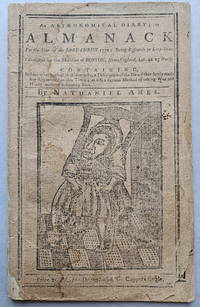
[Revere Engravings] Ames, Nathaniel
An astronomical diary; or almanack for the year of our Lord Christ 1772 : . Calculated for the meridian of Boston New-England lat. 42 25 north
<p>Three engravings by Paul Revere are certainly the most distinctive feature of this Boston almanac for 1772 namely:</p><p>Miss Emma Leach a dwarf born in Beverley Massachusetts on front cover.</p><p>The Patriotic American Farmer John Dickinson.</p><p>Mrs. Catharine M'Caulay.</p><p>Almanac making in colonial America was a rather unscrupulous affair at times. The notion of copyright was unknown among publishers. Indeed almanac piracy or perhaps liberal borrowing was the accepted industry practice.</p><p>The present almanac offers an excellent example of heavy borrowing. The Boston Ames <em>Almanack </em>for 1772 was published in two versions: one by Ezekiel Russell and the other a pirated version by an unnamed printer/publisher. The text and images of the two are very similar although the cuts of the three subjects differ very slightly between the two almanacs. Paul Revere's daybook for December 1771 identifies <strong>two</strong> purchasers of plates for a 1772 Ames almanac Ezekiel Russell and Edes & Gill. Within a matter of a week it's apparent that Revere produced two sets of plates of the same subjects for competing almanacs.</p><p>In an advertisement for Russell's version of the Ames almanac he "hopes that the publick with their usual impartiality will give him preference in buying of his Ames' genuine almanac before any pirated edition." Revere's contributions were in both the original and this pirated edition of the almanac.</p><p><strong>References: </strong> Evans: 11961; Drake <em>Almanacs of the U.S</em>.: 3205; Brigham <em>Paul Revere's Engravings</em>: pp. 202-203; Hamilton <em>Early American Book Illustrators and Wood Engravers</em>: 56; O'Neal <em>Early American Almanacs</em>: 115 mistakenly citing Russell as publisher.</p><p><strong>Condition:</strong> Disbound; leaves are separated with a later paper reinforcement in the gutter of two leaves. Chipping to lower corners of two leaves. Scattered mostly light staining and a few spots of foxing. Good.</p><p>ICN 7815.</p> [Printed by T. & J. Fleet and Edes & Gill. Price 2s. 8d. per dozen, and six coppers single. ]
Bookseller reference : 3835
|
|
|
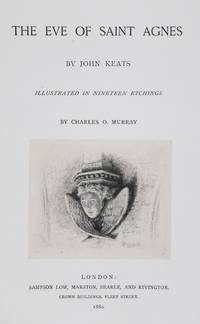
Keats, John; Charles O Murray (Engravings)
The Eve Of Saint Agnes SIGNED LIMITED EDITION
London: Sampson Low Marston Searle and Rivington 1880. First edition. Hardcover. Very good condition. 17/50. Large Folio. 51 leaves. Original three-quarter blue leather over textured blue cloth with gilt ruling on covers gilt lettering tooling and ruling on spine; raised bands. Top edge gilt. Decorative floral endpapers rendered in lithography. Frontispiece engraving. Title page with engraving. Decorative initials. Black ribbon marker. Signed "Edition limited to 50 copies No. 17 C. O. Murray" in blue handwriting on half-title. illustrated with nineteen etchings including frontispiece and title page. All but the title page etching with C. O. Murray signature in plate and reference to the respective stanza. All plates tissue guarded with heavy paper plates. Contains list of etchings at front. Light wear along edges of binding some rubbing along hinges of spine. Offsetting to outer edges of endpapers from cover leather. Some offsetting of engravings to guards. Sampson Low, Marston, Searle, and Rivington hardcover
Bookseller reference : 52357
|
|
|
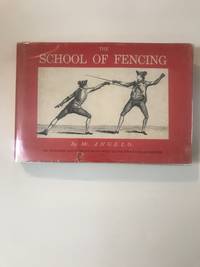
Domenico Angelo, Henry Angelo [Etchings and Engravings by Thomas Rowlandson]
The School of Fencing with a General Explanation of the Principal Attitudes and Positions Peculiar to the Art with Hungarian and Highland Broad Sword and The Angelo Cutlass Exercises
Land's End Press 1974. Hardcover. Good/Good. Scarce edition. From dust Jacket: "Here in one volume are facsimiles of three rare and valuable works of fencing by the noted eighteenth century fencing masters Domenico and Henry Angelo." Hard back binding in publisher's original crimson cloth covers gilt title and author lettering to the spine. Landscape 6½'' x 9¼''. Contains printed pages of text with full-page monochrome etchings and engravings throughout.Very Good condition book with minor rubbing of the cloth along the spine. Good condition dust jacket with some damage. Not price clipped.Names stamped on First page. Dust wrapper supplied in archive acetate film protection. <br/> <br/> Land's End Press hardcover
Bookseller reference : 000652
|
|
|
GILL, Eric
Autograph Letter Signed
<p>1934. "Eric Gill" in black fountain pen ink Jerusalem June 13 1934. 8" x 10". 1 page recto only. Very good. To Mr. Sutcliffe: In full: "Many thanks for your letter of June 4. I shall be back home in July & will come and see you about the matter as soon as possible. . ." Probably the London book binder George Sutcliffe.</p> unknown
Bookseller reference : 604838

|
|
|
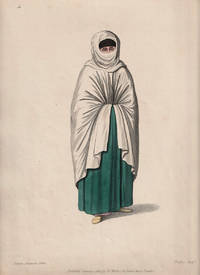
[OTTOMAN EMPIRE - COSTUME PRINTS] DALVIMART, OCTAVIEN
A Turkish Woman in a Provincial Dress.
London.: W. Miller. 1802. Hand-coloured engraving 34.7 x 26 cms sheet including plate-mark edge toning but in very good condition. Attractive large image prepared as Plate IV for Dalvimart's work "The Costume of Turkey". <br>"Dalvimart's is one of the basic works on Turkish costume which has provided the prototypes for numerous other illustrative material. It is known that Dalvimart travelled in Turkey and Greece in 1797-8" Atabey. . W. Miller. unknown
Bookseller reference : 219552
|
|
|
[OTTOMAN EMPIRE - COSTUME PRINTS] DALVIMART, OCTAVIEN
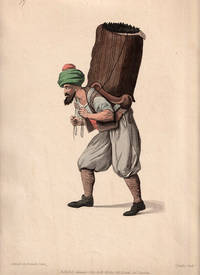
A Hamal or Common Porter.
London.: W. Miller. 1802. Hand-coloured engraving 34.7 x 25.8 cms sheet including plate-mark edge toning but in very good condition. Attractive large image prepared as plate 17 for Dalvimart's work "The Costume of Turkey". <br>"Dalvimart's is one of the basic works on Turkish costume which has provided the prototypes for numerous other illustrative material. It is known that Dalvimart travelled in Turkey and Greece in 1797-8" Atabey. . W. Miller. unknown
Bookseller reference : 219551
|
|
|
[OTTOMAN EMPIRE - COSTUME PRINTS] DALVIMART, OCTAVIEN
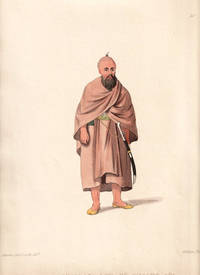
A Dervise or Dervish of Syria.
London.: W. Miller. 1802. Hand-coloured engraving 34.7 x 25.9 cms sheet including plate-mark edge toning but in very good condition. Attractive large image of a Dervise or Dervish prepared as Plate XXX for Dalvimart's work "The Costume of Turkey". <br>"Dalvimart's is one of the basic works on Turkish costume which has provided the prototypes for numerous other illustrative material. It is known that Dalvimart travelled in Turkey and Greece in 1797-8" Atabey. . W. Miller. unknown
Bookseller reference : 219553
|
|
|
[Germany]; [Saxony]; [Engravings and Images]
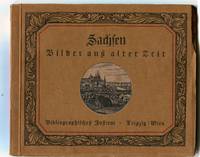
Sachsen = Saxony; Bilder aus alter Zeit = Pictures from Old Times
Leipzig / Wien = Vienna: Bibliographisches Institut 1920. Paperback. Near Fine. Oblong 8vo. 14 cm x 16.5 cm. Unpaginated. Brown paper wrappers printed in red and black. Illustrated with 22 black and white images of towns and landmarks from the state of Saxony. Minor wear to the extremities. Bibliographisches Institut paperback
Bookseller reference : 000012714
|
|
|
H Noel Humphreys, engravings by W B Cooke
Rome and its Surrounding Scenery. Engraved by W. B. Cooke
<p> Original publisher's binding of brown cloth with decorative gilt Romulus/Remus motif to front cover blindstamped to rear board Front cover detatched; Lacking spine covering. Complete with 30 plates 29th plate "Piazza Barberini" as frontispiece. Infrequent foxing throughout some markings to page edges. A nice copy without previous owners' names or other markings. ; 4to 11" - 13" tall; viii 216 pages;</p> David Bogue hardcover
Bookseller reference : 3466

|
|
|
Sterne, Laurence; Edited by Graham Petrie; Introduction by Gilbert Phelps; Foreword by Lindsey Davis; Wood Engravings by John La
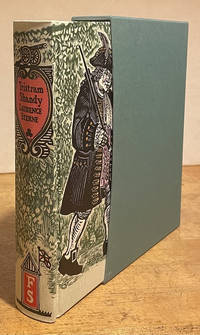
The Life and Opinions of Tristram Shandy Gentleman
<p>London: Folio Society 2005 Beautiful Folio Society Edition in green pink and black illustrated cloth & light blue slipcase First Printing with new Foreword and binding design no markings a Fine unread copy in Near Fine slipcase; 8vo; 493pp illus. First Edition. Hard Cover. As New.</p> London: Folio Society hardcover
Bookseller reference : 33693
|
|
|
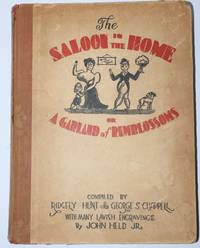
Hunt, Ridgely and George SChappell, compiled by With Many Lavish Engravings by John Held Jr S C
The Saloon in the Home or A Garland of Rumblossoms
New York: Coward-McCann Inc 1930. First Edition. Hardcover. Cloth spine. Paper pastedown on boards. Very Good. John Held Jr. A Prohibition Era paean to the bibulous lifestyle with many apercus and interspersed among these short pieces over 60 cocktail recipes and of course the inimitable woodcuts of John Held who made something of a specialty as an illustrator of cocktail literature. With a short inscription by compiler editor writer Hunt who was Librarian at Yale and who also had been a publishing executive. 8vo. 22.5 by 17 cm. xiv 2 95 1 pp. The short inscription was to a woman living on Christopher Street back when it was the backdrop for "My Sister Eileen". Cover stained. Hinge somewhat loose. Leaves fairly heavily age toned but generally clean otherwise. Coward-McCann, Inc hardcover
Bookseller reference : 20691
|
|
|
Selz, Peter Howard (with an essay on his prints by Susan Einstein)
Sam Francis
New York: Harry N. Abrams Inc. Publishers. Good hardcover copy with d/j 260 pp 1 pp ack text and B/W and 45 4/C illustrations throughout 185 total illustrations biographical outline 4 pp selected biblio 3 pp index. . Good. Hardcover. 1975. Harry N. Abrams Inc. Publishers hardcover
Bookseller reference : 1108267
|
|
|
Test Prints
Test Prints
unknown
Bookseller reference : 66428
|
|
|
Hardy, Thomas, Intro Robert Cantwell, Engravings by Agnes Miller Parker
FAR FROM THE MADDING CROWD Easton Press
Easton Press 1981. Hardcover. Good. Pages can have notes/highlighting. Spine may show signs of wear. ~ ThriftBooks: Read More Spend Less.Shelf and handling wear to cover and binding with general signs of previous use. Foxing to fore-edge. Secure packaging for safe delivery.Dust jacket quality is not guaranteed. Easton Press hardcover
Bookseller reference : 1591270543
|
|
|
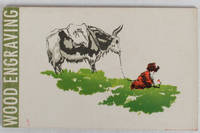
(CHINA - PRINTS).
Wood Engraving Postcards.
Peking.: Foreign Languages Press. 1960. Post card booklet containing 12 colour postcards of 20th century Chinese woodcuts each 15.5 x 10.5cm left edge perforated coloured pictorial wrappers. Very good condition. Artists include: Hung Chen-shan Shao Keh-ping Ku Yuan Li Huan-min Liu Kuang Cheng Shuang Chao Yen-nien Teng Ko Chao Tsung-tsao Tung Chi-chung Hsiu Chun Tu Chi and Li Ping-fan. . Foreign Languages Press. unknown
Bookseller reference : 177507
|
|
|
Michel Bohbot [poems]; James Coignard [engravings]
Par le Silence Vecu Limited Edition Signed by Bohbot and Coignard
Paris: A Parole Donnee 1976. Fine. Paris: A Parole Donnée 1976. First Edition Limited to 60 copies of which this is no. 34. Small square quarto 16.5cm; contents loose as issued in original printed dust jacket housed in scarlet cloth chemise and slipcase; 16pp.; two color engravings with tissue guards both engravings signed with limitation by the artist in pencil along bottom edge. A Fine example additionally signed by the artist and poet on colophon in rear. <br /> <br /> French artist's book of poems issued as the first volume in the "A Parole Donnée" series. We find no copies in the trade or OCLC as of October 2025. A Parole Donnee unknown
Bookseller reference : 36978

|
|
|
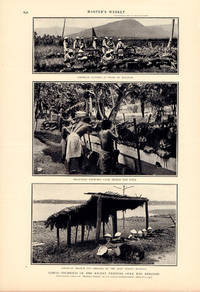
[PACIFIC AND SOUTHEAST ASIA - ANTIQUE PRINTS] ROSS, MALCOLM (AUTHOR AND PHOTOGRAPHER); RANSOM, FLETCHER C (ARTIST) AND BASS, JOH
Samoa - Incidents of the Recent Fighting Over Kingship and the Philippines - Three Instances of the Superb Courage of the American Troops Caption Titles.
New York.: Harper's Weekly. July 11899. Three photographic prints each approx 11 x 20 cms and three black and white engravings together 33.5 x 20.4 cms all captioned printed on two conjoined newspaper leaves pp 645-648 41 x 28.5 cms the associated articles: "Samoa in War-Time" in full with a cameo portrait of the Chief Justice of Samoa and "The Philippine Revolt." partial with a small sketch map of Malolos printed on the verso central fold a few small edge tears and faint toning but in good condition. Malcolm Ross the author and photographer of "Samoa in War-time" was a New Zealand freelance journalist and war correspondent for the New Zealand press as well as the Melbourne Age. In 1899 he spent three months in Samoa covering the clashes for the leadership of the colony that followed the death of Malietoa Laupepa the incumbent chief at the time. <br>Unusual late 19th Century coverage of Samoa especially by a New Zealand photojournalist. <br> <br>The second spread with the incomplete accompanying article by Joh F. Bass a "Special Correspondent of "Harper's Weekly" on "The Philippine Revolt" has an unsurprising pro-American tone: the armed conflict between the First Philippine Republic and the United States 1899-1902 was clearly viewed by the United States as an insurrection rather than as a continuation of the struggle for independence by Filipino nationalists that had begun in 1896 with the Philippine Revolution. . Harper's Weekly. unknown
Bookseller reference : 219046
|
|
|
Dumas, Alexandre; Roger-Miles, M L; Beraldi, Henri; Abot, Alassoniere, Toussaint et al (engravings)
Exposition Meissonier - Galerie Georges Petit Paris - Mars 1893 - EXEMPLAIRE SUR IMPÉRIAL JAPON NO. 72
Paris France: Galerie Georges Petit. Very Good. 1893. Hardcover. FREE UPGRADE to Courier/Priority Shipping Upon Request - IN STOCK AND IMMEDIATELY AVAILABLE FOR SHIPMENT - TEXT PRISTINE-- IN STOCK AND AVAILABLE IMMEDIATELY-- - EXEMPLAIRE SUR IMPÉRIAL JAPON NO. 72 --Text in French; 1465 works catalogued. Many lovely b/w illustrations. Pages tight to spine. Leather-trimmed marbled coverboards; decorated endpapers; top fore-edge gilt -- with a bonus offer--; Folio - over 12" - 15" tall . Galerie Georges Petit hardcover
Bookseller reference : 69768
|
|
|
Michel Bohbot [poems]; Camille Bryen [engravings]
Les Mots Comme un Semis Limited Edition Signed by Bohbot and Bryen
Paris: A Parole Donnee 1977. Fine/Fine. Paris: "A Parole Donnée" 1977. First Edition Limited to 10 copies including original engraving printed on both Arches and Japon papers of which this is no. 1. Small square quarto 16.5cm; loose as issued in original pale grey printed dust jacket housed in original emerald green cloth chemise and slipcase; 16pp.; two color engravings signed with limitation by the artist. A Fine example. Additionally signed by the poet Bohbot on colophon in rear. <br /> <br /> Issued as the third volume in the poet's "A Parole Donnée" series. The plates were signed by Bryen shortly before his death in May of 1977. The book was released posthumously in September. No copies in OCLC as of October 2025. A Parole Donnee unknown
Bookseller reference : 36980
|
|
|
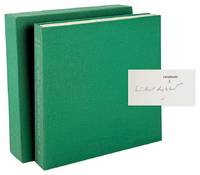
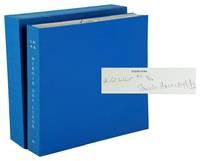
Michel Bohbot; Shoichi Hasegawa [engravings]
Miroir des Lieux Limited Edition Signed by Bohbot and Hasegawa
Paris: A Parole Donnee 1976. Fine. Paris: "A Parole Donnée" 1976. First Edition Limited to 72 copies of which this is no. 9 of 12 hors commerce copies. Small square quarto 16.5cm; loose as issued in grey printed dust jacket housed in bright blue cloth chemise and slipcase; 16pp.; two leaves of color engravings signed with limitation in pencil by the Japanese printmaker Shoichi Hasegawa. A Fine example additionally signed by the poet and artist on colophon in rear. <br /> <br /> Issued as the second volume in the poet's A Parole Donnée series. No copies located in OCLC as of October 2025. A Parole Donnee unknown
Bookseller reference : 36979
|
|
|
[Creative Prints] SHINOHARA Cao, artist
HISHÔ NO SHINTAN
1970. Creative Prints SHINOHARA Cao artist. HISHÔ NO SHINTAN. Shôwa 45 1970 A small 7.5 x 7.5 cm western style square book bound in white leather. Illustrated through in tiny engravings some colored signed by Shinohara numbered 83 of 100 copies. In a lovely little leather slipcase and wraparond paper like new. A very unusual work from the heyday of Japanese artist books after the War. unknown
Bookseller reference : 89807

|
|
|
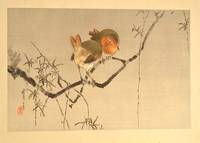
Seitei Kachō 省亭花鳥 [Prints] [Bird and Flower
Watanabe Seitei 渡辺çœäº also ShÅtei artist
1916. Seitei KachÅ çœäºèŠ±é³¥ Prints Bird and Flower<br /> <br /> Watanabe Seitei 渡辺çœäº also ShÅtei artist <br /> <br /> Tokyo: Okura Shoten Okura Yasugoro<br /> <br /> Taisho 5 1916<br /> <br /> Brown cloth clasped portfolio 28.2 x 38 cm. A complete collection of the 22 color prints the preface and table of contents page 24 sheets in all with a colophon label on the inside of the rear cover. <br /> <br /> A wonderful production in color woodblock of the work of the important artist Watanabe Seitei 渡辺çœäº 1851-1918. Okura Shoten was also the publisher of Seitei's other two books the 3 volume Seitei KachÅ Gafu çœäºèŠ±é³¥ç”»èœ of 1890-1 and the KachÅ Gafu èŠ±é³¥ç”»èœ of 1903 but this portfolio is by far the rarest of all his works. Prints from the series are seldom seen and much prized complete sets like this one are vanishingly rare. <br /> <br /> After studying under Kikuchi YÅsai èŠæ± 容斎 1788-1878 also known as Kikuchi Takeyasu and Kawahara RyÅhei and established artist Shibata Zeshin 柴田是真 1807-1891 in his youth he traveled to Europe in 1878. One of the early practitioners of the Nihonga 日本画 style of Western-influenced traditional painting he is primarily known for his work with bird and flower subjects which he revolutionized with his delicate and playful ability to capture the reality of color plumage and other details. <br /> <br /> Overall the condition of the covers is quite good and the prints are well printed. The heavy paper on which the prints are mounted are a bit toned but the prints themselves are quite good and clean with wonderful colors and impressions. A cornerstone of any Japanese bird and flower collection. Enclosed in a custom clasped cloth box. unknown
Bookseller reference : 89871
|
|
|
[CREATIVE PRINTS] WATARAI Jun'suke, artist
KOROPOKKURU NO SHI
CREATIVE PRINTS WATARAI Jun'suke artist. KOROPOKKURU NO SHI. a little 9.8 x 7.4 cm leather wraparound box gold embossed with 13 copperengravings inside illustrating a text of POEMS OF THE LITTLE PEOPLE the little people being humanculi of Ainu legend who "take their ease under the trees" of the great northern forests. Though undated this copy is #9 of 50 copies and was produced by Sawamura Gallery probably in the 1970s. In perfect condition throughout with the original wraparounds the text pamphlet and the outer shipping box as well. unknown
Bookseller reference : 89806

|
|
|
PRINTS - BOSTON
SOUTH BOSTON 1859 HANDCOLORED LITHOGRAPH BY JOSEPH FOXCROFT COLE
1859. PRINTS - BOSTON SOUTH BOSTON 1859 HANDCOLORED LITHOGRAPH BY JOSEPH FOXCROFT COLE. Boston: J. F. A. Cole ca. 1859. Image matted to 22 x 29 1/2 inches. Three spots of browning to the sky area faint arc of foxing a few more to the scenes below the main image. Main image features a main intersection of roads one signposted "G Street Ward 12". Great perspective. Very good overall. Below the title is printed: "To the citizens of South Boston this picture is most respectfully dedicated by the Artist. unknown
Bookseller reference : 83300

|
|
|
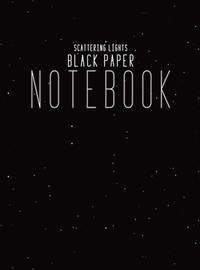
Scattering Lights Prints
Black Paper Notebook: Hardcover Lined Notebook With Black Pages 8.5x11 Minimalism Journal For Writing
Hardback. New. hardcover
Bookseller reference : B9781953987143 ISBN : 1953987141 9781953987143
|
|
|
Porter, Martha Byrd; with Wood Engravings by Hans Jelinek
Straight Down a Crooked Lane
John Marshall Press. As New. 1945. Hardcover. FREE UPGRADE to Courier/Priority Shipping Upon Request IN STOCK AND IMMEDIATELY AVAILABLE FOR SHIPMENT - AS NEW THE TEXT BLOCK IS PRISTINE CLEAN UNMARKED AND IN EXCELLENT CONDITION - - 233 pages. -- with a bonus offer-- . John Marshall Press hardcover
Bookseller reference : 56138
|
|
|
Beall, Karen F & Prints and Photographs Division Library Of Congress
American Prints in the Library of Congress: a Catalogue of the Collection
AW Fine Arts. New. 1991. Hardcover. 1556600887 . FREE UPGRADE to Courier/Priority Shipping Upon Request IN STOCK AND IMMEDIATELY AVAILABLE FOR SHIPMENT - Flawless copy brand new pristine never opened - 592 pp. 1600 illustrations. 1250 artists and 12000 works described. Reprint. -- with a bonus offer--; 2.25 x 10.25 x 8.75 Inches; 592 pages . AW Fine Arts hardcover
Bookseller reference : 59759 ISBN : 1556600887 9781556600883
|
|

 Receive by email
 Download as PDF document
 RSS feed
 Permanent link


