3989 risultati
1860rif. 55427Newhaven 1860. Contemp. clothbacked boards. Titlelabel with gilt lettering. Stamp on title-page. Offprint from "Am. Journ. of Science and Arts Vol. XXX Nov. 1860". 17 pp. 2 folded engraved plates 1 large folded engraved map. hardcover
1997rif. DADAX1572432845Triumph Books IL 1997-04-01. hardcover. New. 9.00x0.80x11.00. Buy with confidence. Excellent Customer Service & Return policy. Triumph Books (IL) hardcover
rif. DADAX1572431717Brand: Triumph Books 0000-00-00. hardcover. New. 0.00x0.00x0.00. Buy with confidence. Excellent Customer Service & Return policy. Brand: Triumph Books hardcover
2004rif. SONG1854109804Brand: Aurum Press 2004-04-01. 3rd. paperback. Used: Good. 5.00x1.75x8.00. Buy with confidence. Excellent Customer Service & Return policy. Brand: Aurum Press paperback
rif. K04L-00183National Academies Press. Used - Good. Good condition. A copy that has been read but remains intact. May contain markings such as bookplates stamps limited notes and highlighting or a few light stains. National Academies Press unknown
rif. Q13R-01365Triumph Books. Used - Good. Good condition. Good dust jacket. A copy that has been read but remains intact. May contain markings such as bookplates stamps limited notes and highlighting or a few light stains. Triumph Books unknown
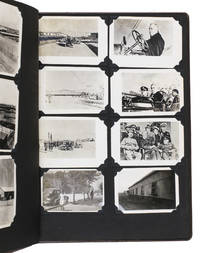
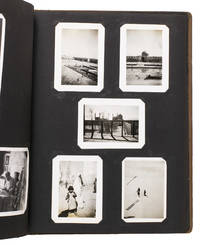
1943rif. ABC_484281943. Contemporary embossed brown cloth with the title embossed in silver on the front board and the green shoulder sleeve insignia of the Persian Gulf Command embedded in the front board. Ca. 32.5 x 26 cm. With 150 gelatin silver photographs various sizes. Unusual military photo album with 150 photographs of the activities of the Persian Gulf Command PGC at the base in Andimeshk Iran. The PGC was a branch of the United States Army established to facilitate the supply of material from the U.S. Lend-Lease programme through the Persian Corridor. This material was sent to the Soviet Union to strengthen it so it could help defeat Nazi Germany. The photographs in this album which cannot be found anywhere else offer a visual documentation of this time. However they show the simple soldiers; the men tasked with driving trucks maintaining oil supply lines or working alongside Iranians at the two factories producing trucks for the war effort. The work therefore offers a fascinating insight into daily life of PCG members in Persia in the Second World War.This album was compiled by John Stefano dates unknown a technician fourth grade in the PGC. It includes photographs of the Tehran conference in 1943 the first World War II conference between the Soviet Union the United States and the United Kingdom where it was decided to open a second front against Germany. Other than this there are photographs of the barracks the men lived in the military vehicles they used the marches and excercises they partook in but also the surrounding landscape and the local people.Inserted in the album is a booklet with images and information about Persia with a letter by PCG commander Donald Prentice Booth 1902-1993 which was sent to PCG members after the war to congratulate them on a job well done. He hoped the booklet would serve as a memento. Together with the album it continues to do so until this day.With the shoulder sleeve insignia of the Persian Gulf command mounted on the inside of the frfont board some of the photographs are captioned on the back. The eyelets for the string on the front board have come loose. The corners of the leaves are slightly creased. Overall in very good condition. hardcover
1943rif. ABC_484291943. Contemporary embossed brown cloth with the title embossed in silver on the front board the name of the owner painted in silver and the green shoulder sleeve insignia of the Persian Gulf Command embedded in the front board. Ca. 32.5 x 26 cm. With 76 gelatin silver photographs various sizes. Remarkable military photo album with 76 photographs of the activities of the Persian Gulf Command PGC at various locations in Iran. The PGC was a branch of the United States Army established in 1941 to assure the supply of U.S. Lend-Lease war material to the Soviet Union through the Persian Corridor. After the war members of the PCG received an empty album to fill with personal memories of their time in Iran. These albums are now relatively rare. The present one was compiled by Colonel S. Morgan Thomas dates unknown a PGC member who carried out inspections of the railroads. It includes various photographs of him at work.This album also contains photographs of PCG commander Donald Prentice Booth 1902-1993 a visit by Soviet soldiers and a young child military activity in Teheran locals and soldiers sending telegrams. Loosely inserted in the album are maps of Iran the lands surrounding Hamadan and the Trans Iranian Railroad which would have been important to carry for someone who inspected the railroads. The work offers a rare insight into life of a PGC member stationed in Iran.The corners of the boards are somewhat scuffed. One of the inserted maps is somewhat foxed and another has a tear that has been repaired with tape in the lower margin not affecting the image some leaves are missing one of the corner mounts the photographs are mounted on possibly missing a photograph on the verso of leaf 4. Otherwise in very good condition. hardcover
rif. ria9781119823346_inpHardback. New. New Book; Fast Shipping from UK; Not signed; Not First Edition; N/A hardcover
rif. 14266White House Presidential Seal golf gift set produced as a presentation object associated with the presidency and described as a gift presented to visiting dignitaries and friends. Its combination of presidential insignia and golf accessories places it within the material culture of White House gift giving where objects bearing official emblems could mark personal diplomatic or ceremonial encounters. White House Presidential Seal Gift Box Golf Set. The fitted set contains one divot tool and one ball marker each bearing a diecast Presidential Seal together with three golf tees. The components are housed in a presentation box displaying the Presidential Seal. The supplied description identifies these sets as presidential gifts to visiting dignitaries and friends; no accompanying documentation establishing a particular recipient presentation date or presidential administration is present. Unused and in mint condition. The intact boxed presentation preserves the complete grouping of presidential golf accessories and its original gift format. unknown
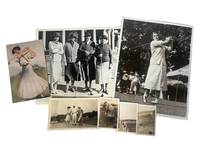
1910rif. 200811910. Women's competitive golf archive 1910s to 1930s documents women golfers in practice tournament and club settings during the formative decades of organized women's golf in the United States. The group provides visual evidence of women's athletic participation in a sport long associated with country-club respectability social access and gendered expectations about dress leisure and competition. The U.S. Women's Amateur Championship began in 1895 as one of the USGA's first three championships and the USGA identifies it as marking the beginning of women's competitive golf in the United States; these photographs and postcard show how that competitive culture appeared in everyday and press imagery in the decades that followed. The archive consists of seven items dated between the 1910s and 1930s: six silver gelatin photographs and one brightly illustrated postcard measuring from approximately 1.75 x 2.75 inches to 7.25 x 9 inches. The photographs include a 1934 press image of golfer Barbara Stoddard in a swing position; a 1935 lineup from the Annual Women's St. Valentine Golf Tournament identifying Helen Waring Sarah Fownes Wadsworth Myrom W. Marr and W.C. Fownes Jr.; three small circa 1928 photographs of women positioned with clubs on a golf range; and an early 1930s image of two women posed with a man at a country club the women holding several clubs with one woman wearing trousers. The illustrated postcard from the early twentieth century shows a woman swinging a club in an athletic outfit still shaped by long-skirted fashion rather than later sportswear. Across the group recurring details include golf clubs held as markers of athletic identity posed swings tournament lineup conventions country-club settings and changing women's clothing from long skirts to less restrictive dress. The archive records women's golf as both competitive sport and social performance making visible the relationship between athletic skill class-coded club culture and evolving public ideas about women's physical capability. Its strongest research value lies in the mix of press photographs vernacular practice images tournament documentation and illustrated popular culture allowing comparison between women as actual competitors and women as stylized sporting subjects. Light handling wear minor edge wear and typical surface wear to photographs and postcard; images remain clear and identifiable; overall very good. Cohesive women's sports archive documenting early twentieth-century women golfers as competitors club participants and subjects of changing athletic representation. unknown
rif. 8888Dunlop. Presidential Seal Golf Ball documents the use of presidential insignia on informal White House and executive-associated material culture. As a recreational object marked with the presidential seal it connects the public symbolism of the office with golf a sport closely associated with twentieth-century presidential leisure diplomacy and informal political sociability. Dunlop. Presidential Seal Golf Ball. N.p.: Dunlop n.d. White golf ball printed with blue presidential seal. The object combines a standard sporting form with official-style executive iconography making it a compact example of presidential presentation souvenir or recreational ephemera. Presidential golf objects belong to a broader category of White House-associated memorabilia in which leisure access and political symbolism intersect. No visible wear near fine. Concise example of presidential recreational ephemera linking executive imagery with golf culture. unknown
rif. DADAX170397719XIndependently Published 2019-11-01. paperback. New. 8.50x0.78x11.00. Buy with confidence. Excellent Customer Service & Return policy. Independently Published paperback
rif. DADAX1786604825Rowman & Littlefield Publishers 2018-04-30. hardcover. New. 6.30x1.09x9.27. Buy with confidence. Excellent Customer Service & Return policy. Rowman & Littlefield Publishers hardcover
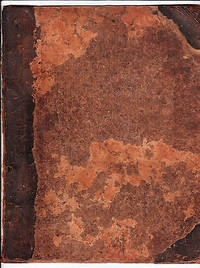
1807rif. 145581807. Waring Edward Scott. A Tour to Sheeraz 1807 travel narrative describing Persia during the early nineteenth century written by an officer of the British East India Company who journeyed to Shiraz in 1802 by way of the Persian Gulf. The work documents British encounters with Persian society at a moment when commercial diplomatic and strategic interests increasingly connected the Persian Gulf with British imperial networks centered in India. Waring records observations of Persian customs language literature and law while also describing economic activity and regional cultures encountered along the Gulf coast. His account places particular attention on the intellectual traditions of Persian literature and the social practices of Persian society providing commentary on classical Persian poetry as well as everyday cultural life. Waring Edward Scott. A Tour to Sheeraz by the Route of Kazroon and Feerozabad; with various remarks on the manners customs laws language and literature of the Persians. London: W. Bulmer for T. Cadell & W. Davies 1807. Second edition revised. Waring recounts his expedition to Shiraz and provides descriptions of landscapes towns and cultural practices encountered along the journey. The narrative includes discussions of hawk hunting Arabian horses and pearl fishing in the Persian Gulf with references to coastal communities stretching from Ras al Khaimah and Qatar to Bahrain and Kuwait. Waring also records an early European account of Muhammad ibn Abd al Wahhab and the religious movement associated with Wahhabi Islam. Throughout the text he comments on Persian language and literary traditions including references to major poets such as Hafiz and Saadi as well as the intellectual influence of Sufi thought. Travel literature concerning Persia and the Persian Gulf formed an important component of European knowledge about the region during the late eighteenth and early nineteenth centuries. British officials and merchants traveling between India and the Middle East produced accounts that combined geographic description with commentary on local society trade networks and political developments. Waring's narrative reflects this tradition presenting observations on Persian history and social customs alongside discussions of the literary heritage that shaped Persian intellectual culture. The author himself noted that the earlier 1804 edition printed in Bombay contained numerous errors that required correction leading to the publication of this revised edition. Folio volume containing 329 pages bound in quarter leather over original boards. The two plates called for are absent. Front board detached but present text block solid with staining and water damage visible throughout and writing on both front and rear pastedowns. Overall good condition. unknown
rif. 12130Clinton era Air Force One golf ball circa 1993-2001 is a piece of presidential commemorative material bearing the visual identity of the executive office and presidential air transport during Bill Clinton's administration. Air Force One serves as the call sign for a U.S. Air Force aircraft while the president is aboard and the two VC-25A aircraft used for presidential transport became among the most recognizable symbols of the modern presidency. The golf ball consequently belongs to the material culture surrounding presidential travel executive symbolism and the informal commemorative objects associated with the White House and Air Force One. Dunlop Air Force One commemorative golf ball. Clinton era circa 1993-2001. White golf ball manufactured by Dunlop and printed in full color with the Presidential Seal. Surrounding the seal is the inscription "Seal of the President of the United States / Air Force One." The design combines two immediately recognizable symbols of presidential authority: the official seal and the name associated with presidential air transport. No additional inscriptions presentation case or provenance information are noted in the supplied description. During Clinton's presidency presidential air transportation centered on two specially configured Boeing 747-200B aircraft designated VC-25A which served both practical and symbolic roles in the public presentation of the presidency. As an object rather than a document of a specific flight or event the golf ball is most useful for the study of presidential memorabilia executive branding and the informal material culture associated with Air Force One. No specific defects are noted in the supplied description. Near fine. A compact Clinton-era presidential souvenir combining the iconography of the Presidency with one of its most recognizable instruments of official travel. unknown
1950rif. 71531950. Player Gary. Signed contestant consent form for Challenge Golf documents the broadcast standards governing American television game shows through the participation of one of the twentieth century's most accomplished professional golfers. Winner of nine major championships and one of only five golfers to achieve the career Grand Slam Player frequently appeared on television as the popularity of televised sports expanded during the postwar decades. The document records the procedural safeguards employed by the American Broadcasting Company to ensure compliance with game show regulations demonstrating how contestants certified the fairness of televised competitions and providing primary-source evidence for the study of broadcast administration television production practices and the intersection of professional sports with entertainment programming. Player Gary. Contestant consent form for Challenge Golf. American Broadcasting Company. One page. Approximately 8 by 11 inches. Signed in blue ink "Gary Player." The printed form includes the statement in part ".I have never 1 been given the questions and/or answers in advance of their use on the contest in such program." requiring the participant to affirm that no advance knowledge of the program had been provided. Through its printed declarations and Player's signature the document illustrates the mechanisms by which television producers documented compliance with industry standards adopted following the game show quiz-show scandals of the late 1950s. The supplied information does not identify the broadcast date or Player's appearance on the program. The consent form reflects the heightened emphasis on transparency and fairness that became standard practice in American television after congressional investigations and public controversy over manipulated quiz programs reshaped network procedures. Signed by one of golf's most internationally recognized competitors it combines the history of professional sport with the institutional processes behind network television production. Two punch holes at the upper margin; otherwise very good condition. A substantial broadcast document revealing the contractual and regulatory framework governing televised competition through the participation of Hall of Fame golfer Gary Player. unknown
1747rif. 143611747. Bellin Jacques Nicolas. Ile d'Ormus ou de Jerun 1747 depicts Hormuz and the surrounding Persian Gulf maritime landscape more than a century after an Anglo-Persian force ended Portuguese control of the island in 1622. Published in Histoire générale des voyages the engraving identifies the Persian coast islands anchorages fortifications and channels while distinguishing Arab vessels from large-masted European sailing ships. Its concentration on ships coastal defenses and approaches to Hormuz records the strategic geography of a passage that connected Persian Gulf ports with Indian Ocean trading routes. Bellin Jacques Nicolas. Ile d'Ormus ou de Jerun. From Histoire générale des voyages 1747. Overall sheet size 13.5 x 9.5 inches; image size 7.5 x 9.75 inches. The upper portion identifies the "Cote de Perse" while inscriptions throughout the engraving include "Fortresse" "Ile de Kishom ou Quixema" "Entre des Vaisseaux" "Porte de derriere" "Parade Alkoran" "St. Lucia" and "Lardimira." Five Arab vessels occupy the foreground while additional Arab shipping appears at left and European ships with tall masts and multiple sails appear at right. The fortified settlement on Hormuz includes the fortress associated with Portuguese occupation of the island. Hormuz had been seized in 1507 by the Portuguese commander Afonso de Albuquerque and Portuguese control made the island a fortified base for regulating maritime commerce at the entrance to the Persian Gulf. The Portuguese constructed the Fort of Our Lady of the Conception there; in 1622 forces of Shah Abbas I assisted by ships of the English East India Company captured Hormuz and ended Portuguese rule on the island. Bellin's 1747 engraving therefore records a landscape shaped by earlier Portuguese fortification but returned to Persian control while its juxtaposition of Arab and European vessels documents the continuing international maritime character of the strait. Paper folded three times consistent with its original publication format. Overall very good condition. unknown
1950rif. 71591950. Player Gary. Signed contestant consent form for Challenge Golf documents the broadcast standards governing American television game shows through the participation of one of the twentieth century's most accomplished professional golfers. Winner of nine major championships and one of only five golfers to achieve the career Grand Slam Player frequently appeared on television as the popularity of televised sports expanded during the postwar decades. The document records the procedural safeguards employed by the American Broadcasting Company to ensure compliance with game show regulations demonstrating how contestants certified the fairness of televised competitions and providing primary-source evidence for the study of broadcast administration television production practices and the intersection of professional sports with entertainment programming. Player Gary. Contestant consent form for Challenge Golf. American Broadcasting Company. One page. Approximately 8 by 11 inches. Signed in blue ink "Gary Player." The printed form includes the statement in part ".I have never 1 been given the questions and/or answers in advance of their use on the contest in such program." requiring the participant to affirm that no advance knowledge of the program had been provided. Through its printed declarations and Player's signature the document illustrates the mechanisms by which television producers documented compliance with industry standards adopted following the game show quiz-show scandals of the late 1950s. The supplied information does not identify the broadcast date or Player's appearance on the program. The consent form reflects the heightened emphasis on transparency and fairness that became standard practice in American television after congressional investigations and public controversy over manipulated quiz programs reshaped network procedures. Signed by one of golf's most internationally recognized competitors it combines the history of professional sport with the institutional processes behind network television production. Two punch holes at the upper margin; otherwise very good condition. A substantial broadcast document revealing the contractual and regulatory framework governing televised competition through the participation of Hall of Fame golfer Gary Player. unknown
1950rif. 71641950. Player Gary. Signed contestant consent form for Challenge Golf documents the broadcast standards governing American television game shows through the participation of one of the twentieth century's most accomplished professional golfers. Winner of nine major championships and one of only five golfers to achieve the career Grand Slam Player frequently appeared on television as the popularity of televised sports expanded during the postwar decades. The document records the procedural safeguards employed by the American Broadcasting Company to ensure compliance with game show regulations demonstrating how contestants certified the fairness of televised competitions and providing primary-source evidence for the study of broadcast administration television production practices and the intersection of professional sports with entertainment programming. Player Gary. Contestant consent form for Challenge Golf. American Broadcasting Company. One page. Approximately 8 by 11 inches. Signed in blue ink "Gary Player." The printed form includes the statement in part ".I have never 1 been given the questions and/or answers in advance of their use on the contest in such program." requiring the participant to affirm that no advance knowledge of the program had been provided. Through its printed declarations and Player's signature the document illustrates the mechanisms by which television producers documented compliance with industry standards adopted following the game show quiz-show scandals of the late 1950s. The supplied information does not identify the broadcast date or Player's appearance on the program. The consent form reflects the heightened emphasis on transparency and fairness that became standard practice in American television after congressional investigations and public controversy over manipulated quiz programs reshaped network procedures. Signed by one of golf's most internationally recognized competitors it combines the history of professional sport with the institutional processes behind network television production. Two punch holes at the upper margin; otherwise very good condition. A substantial broadcast document revealing the contractual and regulatory framework governing televised competition through the participation of Hall of Fame golfer Gary Player. unknown
1950rif. 71631950. Player Gary. Signed contestant consent form for Challenge Golf documents the broadcast standards governing American television game shows through the participation of one of the twentieth century's most accomplished professional golfers. Winner of nine major championships and one of only five golfers to achieve the career Grand Slam Player frequently appeared on television as the popularity of televised sports expanded during the postwar decades. The document records the procedural safeguards employed by the American Broadcasting Company to ensure compliance with game show regulations demonstrating how contestants certified the fairness of televised competitions and providing primary-source evidence for the study of broadcast administration television production practices and the intersection of professional sports with entertainment programming. Player Gary. Contestant consent form for Challenge Golf. American Broadcasting Company. One page. Approximately 8 by 11 inches. Signed in blue ink "Gary Player." The printed form includes the statement in part ".I have never 1 been given the questions and/or answers in advance of their use on the contest in such program." requiring the participant to affirm that no advance knowledge of the program had been provided. Through its printed declarations and Player's signature the document illustrates the mechanisms by which television producers documented compliance with industry standards adopted following the game show quiz-show scandals of the late 1950s. The supplied information does not identify the broadcast date or Player's appearance on the program. The consent form reflects the heightened emphasis on transparency and fairness that became standard practice in American television after congressional investigations and public controversy over manipulated quiz programs reshaped network procedures. Signed by one of golf's most internationally recognized competitors it combines the history of professional sport with the institutional processes behind network television production. Two punch holes at the upper margin; otherwise very good condition. A substantial broadcast document revealing the contractual and regulatory framework governing televised competition through the participation of Hall of Fame golfer Gary Player. unknown
1950rif. 71621950. Player Gary. Signed contestant consent form for Challenge Golf documents the broadcast standards governing American television game shows through the participation of one of the twentieth century's most accomplished professional golfers. Winner of nine major championships and one of only five golfers to achieve the career Grand Slam Player frequently appeared on television as the popularity of televised sports expanded during the postwar decades. The document records the procedural safeguards employed by the American Broadcasting Company to ensure compliance with game show regulations demonstrating how contestants certified the fairness of televised competitions and providing primary-source evidence for the study of broadcast administration television production practices and the intersection of professional sports with entertainment programming. Player Gary. Contestant consent form for Challenge Golf. American Broadcasting Company. One page. Approximately 8 by 11 inches. Signed in blue ink "Gary Player." The printed form includes the statement in part ".I have never 1 been given the questions and/or answers in advance of their use on the contest in such program." requiring the participant to affirm that no advance knowledge of the program had been provided. Through its printed declarations and Player's signature the document illustrates the mechanisms by which television producers documented compliance with industry standards adopted following the game show quiz-show scandals of the late 1950s. The supplied information does not identify the broadcast date or Player's appearance on the program. The consent form reflects the heightened emphasis on transparency and fairness that became standard practice in American television after congressional investigations and public controversy over manipulated quiz programs reshaped network procedures. Signed by one of golf's most internationally recognized competitors it combines the history of professional sport with the institutional processes behind network television production. Two punch holes at the upper margin; otherwise very good condition. A substantial broadcast document revealing the contractual and regulatory framework governing televised competition through the participation of Hall of Fame golfer Gary Player. unknown
1950rif. 71571950. Player Gary. Signed contestant consent form for Challenge Golf documents the broadcast standards governing American television game shows through the participation of one of the twentieth century's most accomplished professional golfers. Winner of nine major championships and one of only five golfers to achieve the career Grand Slam Player frequently appeared on television as the popularity of televised sports expanded during the postwar decades. The document records the procedural safeguards employed by the American Broadcasting Company to ensure compliance with game show regulations demonstrating how contestants certified the fairness of televised competitions and providing primary-source evidence for the study of broadcast administration television production practices and the intersection of professional sports with entertainment programming. Player Gary. Contestant consent form for Challenge Golf. American Broadcasting Company. One page. Approximately 8 by 11 inches. Signed in blue ink "Gary Player." The printed form includes the statement in part ".I have never 1 been given the questions and/or answers in advance of their use on the contest in such program." requiring the participant to affirm that no advance knowledge of the program had been provided. Through its printed declarations and Player's signature the document illustrates the mechanisms by which television producers documented compliance with industry standards adopted following the game show quiz-show scandals of the late 1950s. The supplied information does not identify the broadcast date or Player's appearance on the program. The consent form reflects the heightened emphasis on transparency and fairness that became standard practice in American television after congressional investigations and public controversy over manipulated quiz programs reshaped network procedures. Signed by one of golf's most internationally recognized competitors it combines the history of professional sport with the institutional processes behind network television production. Two punch holes at the upper margin; otherwise very good condition. A substantial broadcast document revealing the contractual and regulatory framework governing televised competition through the participation of Hall of Fame golfer Gary Player. unknown
1950rif. 71611950. Player Gary. Signed contestant consent form for Challenge Golf documents the broadcast standards governing American television game shows through the participation of one of the twentieth century's most accomplished professional golfers. Winner of nine major championships and one of only five golfers to achieve the career Grand Slam Player frequently appeared on television as the popularity of televised sports expanded during the postwar decades. The document records the procedural safeguards employed by the American Broadcasting Company to ensure compliance with game show regulations demonstrating how contestants certified the fairness of televised competitions and providing primary-source evidence for the study of broadcast administration television production practices and the intersection of professional sports with entertainment programming. Player Gary. Contestant consent form for Challenge Golf. American Broadcasting Company. One page. Approximately 8 by 11 inches. Signed in blue ink "Gary Player." The printed form includes the statement in part ".I have never 1 been given the questions and/or answers in advance of their use on the contest in such program." requiring the participant to affirm that no advance knowledge of the program had been provided. Through its printed declarations and Player's signature the document illustrates the mechanisms by which television producers documented compliance with industry standards adopted following the game show quiz-show scandals of the late 1950s. The supplied information does not identify the broadcast date or Player's appearance on the program. The consent form reflects the heightened emphasis on transparency and fairness that became standard practice in American television after congressional investigations and public controversy over manipulated quiz programs reshaped network procedures. Signed by one of golf's most internationally recognized competitors it combines the history of professional sport with the institutional processes behind network television production. Two punch holes at the upper margin; otherwise very good condition. A substantial broadcast document revealing the contractual and regulatory framework governing televised competition through the participation of Hall of Fame golfer Gary Player. unknown
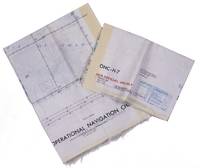
1969rif. L95DV18L9VQZSt Louis: Aeronautical chart and information center United States Air Force 1969. Two copies of two folding maps colour printed on both sides of a sheet of silk 103 x 78.5 cm on a scale of ca. 1:1000000. The two maps ONC-H-6 & ONC-H-7 show one continuous area. Rayon pilot's map of the Arabian Gulf region focusing on the Trucial States modern UAE Qatar Bahrain Oman Iran and Saudi Arabia including main oil installations. Items of specific interest to aircraft such as airfields and even seaplane bases are particularly listed. Warnings to stay within the specific flying routes while in Iran are placed on multiple locations. While the map depicts a continuous area on both side on of one sheets it actually consist of two maps originally published separately. We here include two copies so the whole area can be displayed. The maps are reproduced after the third and fourth edition.In very good condition. Aeronautical chart and information center, United States Air Force, unknown