siegfried wichmannLivre Rare Book

198 resultados
1982ref. CCC-691sj. edition chene/hachette 1982, reliure toile rouge sous jaquette, 431 pages, format : 27 cm X 33 cm et 3,5 cm d'épaisseur, la jaquette est legerement abimee, interieur tres bon, photos possibles 9782851083012
1906ref. ABE-2837923343COUVERTURE COULEURS DE JOSEPH BEUZON POUR L'APPEL DE LA FORET DE JACK LONDON-DANS LES RUES DE MADRAS/LE MARCHE AUX PANIERS/2 PHOTOS-LA CRIMINALITE AU JAPON/SINISTRES EXPLOITS D'UN SAMOURAI-LES GRANDS CATACLYSMES/UNE CITE EN RUINES/SAN FRANCISCO/TEXTE DE CLAUDE ALBARET/7 PHOTOS-AVENTURES D'UNE FAMILLE FRANCAISE AU GUATEMALA PAR H.M. DE MATHUISIEULX/LA TOUR DES ANDES-LE MOIS GEOGRAPHIQUE/TRAITE ANGLO CHINOIS AU SUJET DU TIBET/CONVENTION FRANCO ANGLAISE POUR LA FRONTIERE NIGER TCHAD/LES TRAVAUX DE L'EXPEDITION CHARCOT/LE NOUVEAU BEY DE TUNIS MOHAMED EL NACER/PHOTO-SPORTS HYGIENIQUES/LA COURSE A PIED/2 PHOTOS
1998ref. 964031998 Edition Prisca - 1998 - In-8 broché - 116 pages - nombreuses reproductions photographiques
1963ref. 2090202118205095Kadokawashoten 1963. Soft Cover. Fine. The book is in fine condition. Kadokawashoten paperback
2012ref. 2082702114910584Kanagawa Prefectural Museum of History 2012. Soft Cover. Fine. Number of pages: 303 pages Size: 30cm Kanagawa Prefectural Museum of History paperback
1800ref. 305220Nara 1800. 152 woodcut illustrations some double-page across several bifolia on mulberry paper. Folio 380 x260 mm. With a small stain on the opening pages thicker paper covers slightly soiled the upper cover with a few worm holes not affecting illustrations. upper cover title label not present. Stitched. Ownership chop of Sato Takekicho. 152 woodcut illustrations some double-page across several bifolia on mulberry paper. Folio 380 x260 mm. Woodcut book of the samurai armor at the Kasaga Shrine Nara Prefecture "A fine illustrated text on an important collection of ancient samurai armor. The Kasaga shrine in Nara was the shrine of the Fujiwara family first built in 768 and rebuilt several times over the centuries and is now one of the more important in Japan and a Unesco World Heritage Site. The family armor which came to be placed in the Shrine includes pieces dating from the 12th century such as a special helmet with a sparrow motif said to have been dedicated by Minamoto no Yokishitsune dating form the Kamakura period 1185. The shrine is famous for its bronze lanterns. unknown
1800ref. 305220Nara 1800. 152 woodcut illustrations some double-page across several bifolia on mulberry paper. Folio 380 x260 mm. With a small stain on the opening pages thicker paper covers slightly soiled the upper cover with a few worm holes not affecting illustrations. upper cover title label not present. Stitched. Ownership chop of Sato Takekicho. 152 woodcut illustrations some double-page across several bifolia on mulberry paper. Folio 380 x260 mm. Woodcut book of the samurai armor at the Kasaga Shrine Nara Prefecture "A fine illustrated text on an important collection of ancient samurai armor. The Kasaga shrine in Nara was the shrine of the Fujiwara family first built in 768 and rebuilt several times over the centuries and is now one of the more important in Japan and a Unesco World Heritage Site. The family armor which came to be placed in the Shrine includes pieces dating from the 12th century such as a special helmet with a sparrow motif said to have been dedicated by Minamoto no Yokishitsune dating form the Kamakura period 1185. The shrine is famous for its bronze lanterns. unknown books
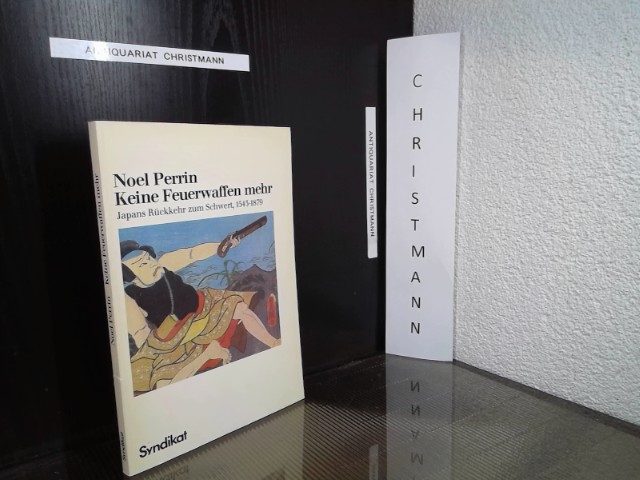
1982ref. 47942Frankfurt am Main : Syndikat 1982. 111 S. : Ill. ; 22 cm kart., Softcover/Paperback, Exemplar in gutem Erhaltungszustand
2007ref. 1161302007 Editions France Loisirs - 2007 - In-12, broché, sous jaquette illustrée en couleurs de l'éditeur - 378 planches illustrées en N&B
2007ref. 5932007 - reliure - Editions du Seuil - 2007 - In-8 format à l'italienne (17 x 24 cm) reliure cartonnée pleine toile décorée - 238 pages - Très nombreuses photographies et illustrations
2006ref. 2090502113717829Not Available 2006. Soft Cover. Fine. The book is in fine condition. Not Available paperback
2002ref. 1089532002 Editions Dupuis, Collection "Repérages" - 2002 - In-4, cartonnage illustré en couleurs - 45 planches illustrées en couleurs
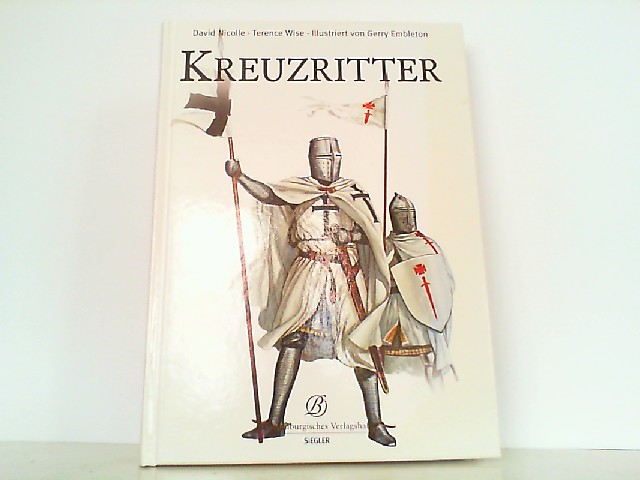
2009ref. 209205Brandenburgisches Verlagshaus / Lempertz, 2009.
2009ref. 255455Brandenburgisches Verlagshaus / Lempertz, 2009.
1992ref. 23178(Mchn, Monika Schmidt,, 1992). Heldengeschichten - Heroic stories. Mit einigen Signaturabbildungen, einer Karte, 50 ganzseitigen Farbabbildungen der vollständigen Serie und 4 Abbildungen von Triptychen. 15,8/10,9 cm. 2,119,5 S. Farb. ill. OKarton. Vereinzelt mit ergänzenden, handschriftlichen Anmerkungen, sonst schön.
ref. 24095Société Française d'Editions Littéraires et Techniques / Bibliothèque du Hérisson - Les Grand Romans Etrangers Contemporains 1932. In-12 broché de 283 pages au format 12 x 19 cm. Couverture avec titre imprimé et petite illustration. Bords des plats et mors, très, très légèrement insolés. Dos carré, un peu insolé, avec pâle petite tache verticale. Intérieur frais. Superbe état général. Un des 40 exemplaires du tirage de tête, numérotés sur vergé lafuma pur fil, seul grand papier ( n° 27 ). Rare édition originale en tirage de tête de ce Roman d'aventures mettant en scène des Samouraïs, traduit du polonais par A. Morzkowska.
2004ref. 1034202004 Editions Tonkam - 2004 - In-12, broché sous jaquette illustrée en couleurs de l'éditeur - 319 planches illustrées en N&B
2005ref. 1034212005 Editions Tonkam - 2005 - In-12 broché sous jaquette illustrée en couleurs de l'éditeur - 325 planches illustrées en N&B
2005ref. 1034222005 Editions Tonkam - 2005 - In-12 broché sous jaquette illustrée en couleurs de l'éditeur - 327 planches illustrées en N&B
2006ref. 1034252006 Editions Tonkam - 2006 - In-12, broché sous jaquette illustrée en couleurs de l'éditeur - 307 planches illustrées en N&B
1986ref. LFA-126736991Revue de 116 pages, format 200 x 275 mm, illustrée, brochée couverture couleurs, bon état
ref. 56925Viviane Hamy, coll. Chemins Nocturnes, 2005, 1 volume in-8 de 283 pages, broché.
2011br. La spada ha una posizione centrale nella cultura e nella storia del Giappone, ed è associata soprattutto ai samurai, la classe militare che fiorì tra il 1200 e il 1600. Nato come arciere a cavallo, il samurai lasciò poi l'arco per la lancia. Dal 1600 iniziò una nuova era di pace e armi come la lancia passarono in secondo piano; tecniche basate sull'uso dell'armatura furono rimpiazzate da altre che sfruttavano la mobilità permessa dagli indumenti civili. Poiché la spada era indossata ogni giorno dal samurai, fu in questo periodo storico che essa divenne il fulcro della sua identità marziale e la scherma la sua arte principale. In alcune scuole vennero introdotte le spade di bambù e un'armatura per l'addestramento, permettendo una sorta di combattimento. Il kendo moderno è una disciplina in cui la destrezza con la spada non è volta alla vittoria, ma alla crescita personale. I testi qui pubblicati, che coprono il periodo dal sette all'ottocento, sottolineano infatti l'importanza dei fattori interiori che coinvolgono la mente e lo spirito: la vera essenza dell'arte. I praticanti delle scuole intraprendevano lunghi periodi di allenamento ascetico allo scopo di raggiungere una sorta di illuminazione marziale, ossia lo stato di "non mente". Solo questo rende invincibili, non le tecniche, non la forza, né la destrezza. Finché nella mente esiste un avversario, quello potrà avere la meglio.
2020brossura L'etica dei samurai, il bushido, o "Via del Guerriero", è caratterizzata da un misto di onore, calma, coraggio, pensiero strategico e azione decisa. Quell'etica ci viene presentata in questa antologia da Thomas Cleary, uno dei maggiori esperti occidentali di pensiero orientale, che raccoglie testi sul bushido di vari guerrieri, studiosi, insegnanti e consiglieri politici dal quindicesimo al diciannovesimo secolo: una panoramica sulla vita e la filosofia dei samurai, ma anche una raccolta di testi su diverse materie, dalla strategia militare allo sviluppo della personalità, dalla disciplina di vita alla crescita interiore.
in-12, IX-201 pp., lettrines, bandeaux, cul-de-lampes, broche, couverture rempliée decoree.- Un des 500 Exemplaires sur Japon numéroté (N° 154). Très bel exemplaire. [CA31-4]