CANDY LOPESINOMareMagnum

7 122 résultats
2004Así nos lo hace saber a través de sus fotografías en las costas lusas donde despreocupándose de verse sorprendida con esa mirada de adoración que no puede evitar posar en el mar retrata magistralmente esa vida en el borde ese continuo hola y adiós en la orilla donde las familias de pescadores dudan y resuelven buscan y encuentran el sentido de sus vidas. Y ADEMÁS: Portugal devoradores de mar fue declarado libro del año por el Instituto Camoens de Portugal. Texto de Raul Brandão.
1958réf. RO20148283DENOEL. 1958. In-8. Broché. Bon état, Couv. convenable, Dos satisfaisant, Intérieur frais. 240 pages. Nombreux dessins, cartes, photographies et dessins repliés en noir et blanc dans et hors texte.. . . . Classification Dewey : 790-Loisirs et arts du spectacle
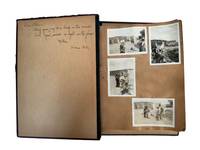
1939réf. 236791939. Mexico travel album documenting archaeology bullfighting urban leisure regional performance religious architecture and roadside travel from 1931 to 1939 during the first major expansion of tourism under the postrevolutionary government. The photographs follow visitors through Mexico City and its surrounding attractions presenting Teotihuacan Xochimilco public markets tropical landscapes and the bullring as components of a modern national itinerary. Mexican authorities during the 1930s institutionalized tourism within government policy and used historic centers architecture cultural traditions and natural scenery to shape an internationally recognizable image of the country. Photo album containing 96 items including 71 silver gelatin photographs 21 postcards and 4 pieces of printed Mexican ephemera including tickets and menus most photographs approximately 2.5" x 3.5" mounted in an album measuring approximately 8.5" x 11" Mexico 1931 to 1939. The photographs show bullfights before crowded stands at El Toreo; visitors standing among the monumental architecture of Teotihuacan; canal boats and waterside excursions at Xochimilco; church entrances plazas street markets gardens rural roads thatched buildings tropical vegetation animal displays and a roadside sign reading "Tropic of Cancer." Other scenes record costumed performers vendors working beside public buildings groups traveling by automobile social outings and companions posed at archaeological and scenic destinations. Printed material includes tickets for the 1939 season at "Plaza de Toros El Toreo" a color "Aguas de Lourdes" restaurant menu advertising "Un 'Seltzer' alcalino natural" newspaper clippings and postcards extending the private snapshots through commercially produced views of Mexican landscapes and monuments. An inscription on the front pastedown dated "Xmas 1931" establishes the beginning of the chronology while the El Toreo tickets extend the record through 1939. Tourism became an instrument of economic policy and national image making after the Mexican Revolution translating archaeological sites colonial architecture regional customs food and public spectacle into destinations for domestic and foreign visitors. Government tourism promotion of the period used bullfighting as a recognizable emblem of Mexico including official travel posters issued between 1930 and 1950 while preservation programs increasingly linked historic buildings and urban centers to the visitor economy. Pages and photos exhibit rippling but no apparent staining some minor wear consistent with age; several photographs remain securely mounted while others show lifting or losses. Overall in good condition. A sustained record of how postrevolutionary Mexico presented archaeology spectacle landscape and regional culture as the foundations of a modern tourist nation. unknown
1939réf. 236791939. Mexico travel album documenting archaeology bullfighting urban leisure regional performance religious architecture and roadside travel from 1931 to 1939 during the first major expansion of tourism under the postrevolutionary government. The photographs follow visitors through Mexico City and its surrounding attractions presenting Teotihuacan Xochimilco public markets tropical landscapes and the bullring as components of a modern national itinerary. Mexican authorities during the 1930s institutionalized tourism within government policy and used historic centers architecture cultural traditions and natural scenery to shape an internationally recognizable image of the country. Photo album containing 96 items including 71 silver gelatin photographs 21 postcards and 4 pieces of printed Mexican ephemera including tickets and menus most photographs approximately 2.5" x 3.5" mounted in an album measuring approximately 8.5" x 11" Mexico 1931 to 1939. The photographs show bullfights before crowded stands at El Toreo; visitors standing among the monumental architecture of Teotihuacan; canal boats and waterside excursions at Xochimilco; church entrances plazas street markets gardens rural roads thatched buildings tropical vegetation animal displays and a roadside sign reading "Tropic of Cancer." Other scenes record costumed performers vendors working beside public buildings groups traveling by automobile social outings and companions posed at archaeological and scenic destinations. Printed material includes tickets for the 1939 season at "Plaza de Toros El Toreo" a color "Aguas de Lourdes" restaurant menu advertising "Un 'Seltzer' alcalino natural" newspaper clippings and postcards extending the private snapshots through commercially produced views of Mexican landscapes and monuments. An inscription on the front pastedown dated "Xmas 1931" establishes the beginning of the chronology while the El Toreo tickets extend the record through 1939. Tourism became an instrument of economic policy and national image making after the Mexican Revolution translating archaeological sites colonial architecture regional customs food and public spectacle into destinations for domestic and foreign visitors. Government tourism promotion of the period used bullfighting as a recognizable emblem of Mexico including official travel posters issued between 1930 and 1950 while preservation programs increasingly linked historic buildings and urban centers to the visitor economy. Pages and photos exhibit rippling but no apparent staining some minor wear consistent with age; several photographs remain securely mounted while others show lifting or losses. Overall in good condition. A sustained record of how postrevolutionary Mexico presented archaeology spectacle landscape and regional culture as the foundations of a modern tourist nation. unknown books
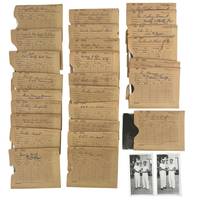
1951réf. 238661951. Large photo archive documenting recreational and civic life in Pinellas County Florida during the 1950s when rapid postwar migration was transforming communities along Florida's Gulf Coast. The photographs record the substantial postwar expansion of organized competitive sport in the United States particularly at the youth school amateur and spectator levels alongside the growth of commercial leisure and civic recreation. Through photographs of the Pinellas County Fair Clearwater Marina fishing and golf tournaments Clearwater High School athletics clubs theatrical productions dances and youth competitions the archive shows how Sunbelt population growth coincided with the proliferation of organized recreation spectator events and community institutions in Clearwater and the surrounding county. Fulmer's photographs document the social infrastructure of a rapidly expanding postwar population from school gymnasiums and golf courses to fairgrounds marinas clubs and tournament venues. Photo archive of approximately 193 items comprising 103 gelatin silver photographs and 91 corresponding large format negatives contained in 27 captioned envelopes Pinellas County Florida primarily 1951 to 1952. Photographs and negatives range from approximately 2½ x 4½ to 4 x 5 inches. Pinellas County Fair photographs show harness racing and horse competition crowded grandstands officials addressing spectators a woman riding before the crowd and aerial performers suspended above the fairgrounds. Golf appears repeatedly in a February 29 1952 Berg Golf Clinic at Pelican Golf Course; a "P.G.A. Boys & Girls Golf Tourn." with young competitors receiving trophies and certificates; junior champions; and adult tournament winners. Clearwater Marina provides another recurring center of organized leisure with charter fishermen displaying large catches beneath the "Clearwater Florida Marina" sign and Clearwater Fishing Tournament winners posing with certificates prizes and a results board sponsored by the Exchange Club of Clearwater. School athletics include basketball action inside a crowded Clearwater gymnasium Clearwater High School baseball a girls volleyball team and football players and coaches discussing plays on a chalkboard. Other assignments show boys competing with numbered model sailboats young archers practicing in formation boys and girls receiving tennis awards Scouts at ceremonies golfers at clinics and presentations a theatrical cast outside Phillips Park and civic groups at dinners and dances. Pinellas County's recreational culture expanded during the same postwar decades in which Florida became a principal destination of Sunbelt migration and Fulmer's assignments register that convergence. Between rapid population growth along the Gulf Coast and a national transformation in popular culture toward organized sport spectator entertainment commercial leisure and legalized wagering this photo archive documents the institutions which provided new residents and Pinellas County tourists with access to a modern sense of culture and American identity principally based on this kind of community organization. In Clearwater these developments coincided with the arrival of new residents drawn by Florida's climate automobile mobility expanding housing stock and promise of leisure producing a concentrated local version of the midcentury American "dream" in which prosperity was increasingly measured not only through homeownership and consumption but through access to recreation tourism sport and entertainment a population of with disposable income spiking an increase in wagering based activities. Fulmer's surviving job envelopes retain client or subject identifications job numbers and occasional dates preserving the working organization of a commercial photographer repeatedly hired to record the county's institutions and public occasions. Light surface wear and occasional handling marks to envelopes; photographs show minor curling few negatives in poor condition showing degradation. Archive in overall good condition. unknown
1951réf. 238661951. Large photo archive documenting recreational and civic life in Pinellas County Florida during the 1950s when rapid postwar migration was transforming communities along Florida's Gulf Coast. The photographs record the substantial postwar expansion of organized competitive sport in the United States particularly at the youth school amateur and spectator levels alongside the growth of commercial leisure and civic recreation. Through photographs of the Pinellas County Fair Clearwater Marina fishing and golf tournaments Clearwater High School athletics clubs theatrical productions dances and youth competitions the archive shows how Sunbelt population growth coincided with the proliferation of organized recreation spectator events and community institutions in Clearwater and the surrounding county. Fulmer's photographs document the social infrastructure of a rapidly expanding postwar population from school gymnasiums and golf courses to fairgrounds marinas clubs and tournament venues. Photo archive of approximately 193 items comprising 103 gelatin silver photographs and 91 corresponding large format negatives contained in 27 captioned envelopes Pinellas County Florida primarily 1951 to 1952. Photographs and negatives range from approximately 2½ x 4½ to 4 x 5 inches. Pinellas County Fair photographs show harness racing and horse competition crowded grandstands officials addressing spectators a woman riding before the crowd and aerial performers suspended above the fairgrounds. Golf appears repeatedly in a February 29 1952 Berg Golf Clinic at Pelican Golf Course; a "P.G.A. Boys & Girls Golf Tourn." with young competitors receiving trophies and certificates; junior champions; and adult tournament winners. Clearwater Marina provides another recurring center of organized leisure with charter fishermen displaying large catches beneath the "Clearwater Florida Marina" sign and Clearwater Fishing Tournament winners posing with certificates prizes and a results board sponsored by the Exchange Club of Clearwater. School athletics include basketball action inside a crowded Clearwater gymnasium Clearwater High School baseball a girls volleyball team and football players and coaches discussing plays on a chalkboard. Other assignments show boys competing with numbered model sailboats young archers practicing in formation boys and girls receiving tennis awards Scouts at ceremonies golfers at clinics and presentations a theatrical cast outside Phillips Park and civic groups at dinners and dances. Pinellas County's recreational culture expanded during the same postwar decades in which Florida became a principal destination of Sunbelt migration and Fulmer's assignments register that convergence. Between rapid population growth along the Gulf Coast and a national transformation in popular culture toward organized sport spectator entertainment commercial leisure and legalized wagering this photo archive documents the institutions which provided new residents and Pinellas County tourists with access to a modern sense of culture and American identity principally based on this kind of community organization. In Clearwater these developments coincided with the arrival of new residents drawn by Florida's climate automobile mobility expanding housing stock and promise of leisure producing a concentrated local version of the midcentury American "dream" in which prosperity was increasingly measured not only through homeownership and consumption but through access to recreation tourism sport and entertainment a population of with disposable income spiking an increase in wagering based activities. Fulmer's surviving job envelopes retain client or subject identifications job numbers and occasional dates preserving the working organization of a commercial photographer repeatedly hired to record the county's institutions and public occasions. Light surface wear and occasional handling marks to envelopes; photographs show minor curling few negatives in poor condition showing degradation. Archive in overall good condition. unknown books
1978réf. 29163572411978, Dessain et Tolra, in-8 cartonné carré de 96 pages, couverture illustrée couleurs. Ouvrage richement illustré de photos N&B et couleurs et de croquis explicatifs | Etat : Très bon état général mais quelques piqures, surtout sur les pages de garde et la tranche, ne nuisant pas à la lecture (Ref.: ref84771)
1999réf. 984Couverture souple Autrement 1999 25x17 cm
2016réf. 500092802Artémis 2016 64 pages 15 6x18 7x1 4cm. 2016. Broché. 64 pages.
1974réf. 023513Paris Grange Batelière 1974 In Quarto Collection " Documentaires Alpha " . Très belles photographies en couleurs à pleine page . Loisirs et jeux . - 64 p. , 650 gr.
1969réf. 009151Paris Bornemann 1969 In 12 Couverture en couleurs . Illustré par des dessins , schémas en noir et blanc . - 120 p. , 350 gr.
réf. 65399Paris, Editions Bornemann, 1978. 13 x 19, 126 pp., nombreux diagrammes, broché, bon état.
réf. ROD0115796FIRMIN-DIDOT ET CIE. NON DATE. In-8. Cartonnage d'éditeurs. Bon état, Couv. convenable, Dos satisfaisant, Intérieur frais. 186 pages. 122 figures en noir et blanc dans et hors texte.. . . . Classification Dewey : 790-Loisirs et arts du spectacle
1984réf. 3236Arthaud 1984 In-4 broché, 144 pp. Illustrations noir & couleurs
1953réf. RO30107180SPES. 1953. In-12. Broché. Etat d'usage, Couv. défraîchie, Dos satisfaisant, Intérieur acceptable. 253 pages. Nombreuses illustrations en noir et blanc dans le etxte et hors texte. Coiffes abîmées.. . . . Classification Dewey : 790-Loisirs et arts du spectacle
réf. 14907,Paris, Au Divan Coll. 'Les demi-dieux' 1945, pp., 1 vol. in 4 br. non paginé, [18] pages de texte, 44 grandes reproductions en héliogravure légendées.
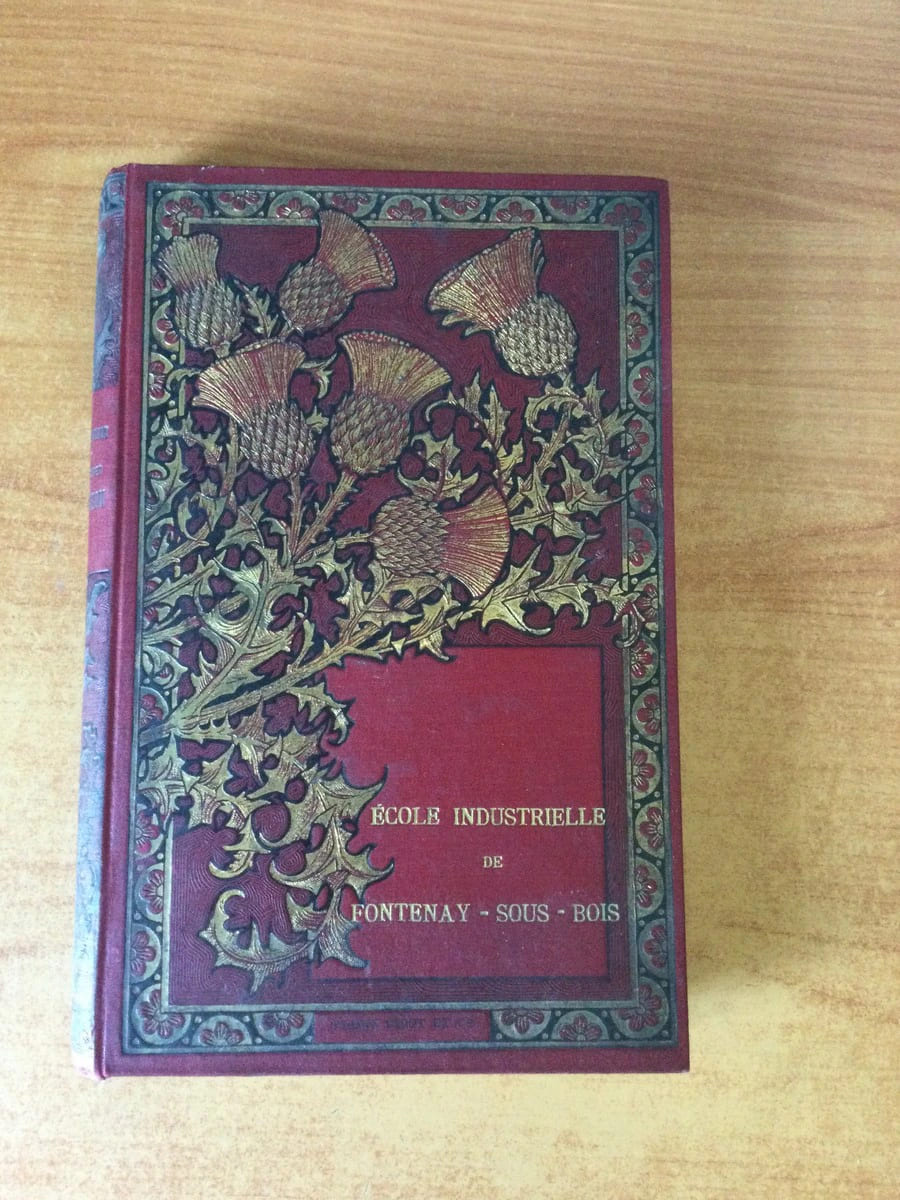
réf. 69183Librairie de Paris Firmin-Didot et cie 1910 livre guide 25*15,5 186 pages Ecole industrielle de Fontenay-sous-Bois
réf. RO20146657DELAGRAVE. Non daté. In-12. Broché. Etat d'usage, 1er plat abîmé, Dos frotté, Déchirures. 95 pages. Frontispice en noir et blanc, avec serpente. gros manques sur le premier plat et sur le haut des 8 premières pages.. . . . Classification Dewey : 790-Loisirs et arts du spectacle
1948réf. 257966Dunod 1948 in12. 1948. Broché.
1945réf. RO30079059NICHOLSON & WATSON. 1945. In-12. Broché. Bon état, Couv. convenable, Dos satisfaisant, Intérieur frais. 197 pages. Nombreux dessins en noir et blanc dans le texte.. . . . Classification Dewey : 790-Loisirs et arts du spectacle
1968réf. 014169Paris Fernand Nathan 1968 In 8 , carré Collection " A faire soi-même " . 50 modèles ravissants que vous pourrez faire facilement vous-mêmes à peu de frais . Adaptation française d'Anne Nathalie Goloubinov . Illustré en noir et blanc et couleurs . Beaux-arts . Pédagogie enseignement . Nom de l'école maternelle . - 60 p. , 400 gr .
1968réf. 124975Couverture rigide. Cartonné. 57 pages. Couverture légèrement défraîchie.
1968Collection " A faire soi-même " . 50 modèles ravissants que vous pourrez faire facilement vous-mêmes à peu de frais . Adaptation française d'Anne Nathalie Goloubinov . Illustré en noir et blanc et couleurs . Beaux-arts . Pédagogie enseignement . Nom de l'école maternelle . - 60 p. , 400 gr .
1969Couverture en couleurs . Illustré par des dessins , schémas en noir et blanc . - 120 p. , 350 gr.
1980réf. 18769By Alan Sontag.London, Boston, Faber and Faber - 1980 - 319 pages.Ouvrage cartonné avec jaquette. Pas de rousseur. Très bon état. Format in-8°(22x14).