Guilielmi Harvei ( HARVEY William)Livre Rare Book

685 risultati
1648rif. 3005Roterodami Medici Ordinarii1648 1648, 215pp, Comprenant la Dissertation de Harvey seule. Petit in 12 relié en plein maroquin rouge à grains longs, dos plat muet, tranches dorées, gardes dominotiers or et pourpre, bel exemplaire. Plaisant exemplaire en maroquin relié en ne comprenant que le texte de William Harvey (la page de titre annonce la dissertatio de corde de Jacob de Back qui ne se trouve pas dans cet exemplaire), complet de son frontispice et de ses deux célèbres planches.
rif. 3033Paris, Victor Masson, 1841 Grand in 4 de 2ff., 24 planches ; reliure de l’époque demi-chagrin vert, dos à nerfs orné de filets dorés. Accompagné du volume de texte in-8 de 482pp en demi-chagrin vert.
2010Dmitry Buriak's Collection, 2010. In English and Russian. Rilegato con copertina rigida e cofanetto. Spedizioni tracciabili con raccomandata entro 24 ore dall'ordine. Hardback cover with slipcase in fine conditions, no inscriptions or markings inside. Worldwide delivery.
1590In gr. 8vo, (12)+255+(1)+71+(1)+40+(8) pp., frontespizio con ritratto di Tasso e veduta di Genova entro cornice architettonica, capilettera, testatine e finalini figurati, 20 tavole fuori testo all’inizio di ogni canto, legatura inizio Novecento mezza pelle con angoli, piatti marmorizzati, titolo dorato al dorso.
1514[FIGURATO RARO] (cm.32) ottima piena pergamena fine 500 con nervi, vecchio rinforzo alla cuffia inferiore. -cc. 2nn., cc. CXLIX (149) ma 148 per errore di numerazione, il foglio LXX è stato saltato per errore di stampa. Frontis entro cornice xilografica e grande marca. bellissima xilografia a piena pagina al verso di carta A8 proveniente dal Cicerone epist. fam. del 27-V- 1511 e l'inquadratura a "fond criblè" dal Bergomensis del 4-V-1506. Altre 16 belle xilografie di vario genere sono riprese dall'ediz. del 7-V-1510 tratte a sua volta dalla Bibbia del malermi del 1490. Bellissima e celebre edizione di grande eleganza compositiva e tipografica, riccamente illustrata. Il commento del Calderini fu composto nel 1473 e quello del Merula apparve nel 1475. Alcune macchioline a carta 134 e alcuni forellini ben restaurati al margine bianco di qualche carta, altrimenti esemplare molto bello e nitido con incisioni in ottima tiratura. *ADAMS M 693 * BM.STC. 420 * ESSLING 1672 *SANDER 4397 *CHOIX 4826 * ISAAC 1347 *SCHWEIGER II 2, P 594.[f36] Libro
1655rif. 149XVIIe circa 1655 Pas de couverture Dim : 26 x 21 cm.Gouache sur vélin tendue sur panneau de bois. Première moitié du XVIIe s.
Magnifico, raro gioco del "Lotto Reale", databile attorno alla seconda metà dell'XVIII secolo. Base richiudibile, di cm. 95x84, posato su tavolo in legno con intarsi radica. Altezza cm. 76. La parte centrale è composta da 36 caselle rappresentate da incisioni in rame e acquerellate a mano, di squisita e raffinatissima fattura, sono rappresentate figure umane, animali, fiori e piante. Il gioco si compone di quattro ulterio fasce laterali, completamente eseguite a tempera e raffiguranti le varie file del "pari, dispari, fuori, sotto, sopra, destra sinistra". Il Lotto Reale (chiamato anche Biribissi) era un gioco d'azzardo diffusissimo in Italia nel Settecento, tanto nelle corti quanto tra il popolo: lo si giocava nelle osterie, nei teatri, in strada. Funzionava come una tombola figurata, con la differenza i giocatori puntavano somme in denaro sulle varie caselle della tabella. Il Banco avrebbe poi estratto da un sacchetto dei foglietti arrotolati con i vari numeri, determinando cos? la vincita o meno dei partecipanti. Le figure che arricchivano la tavola (in queso esemplare ripiegabile e dotata di manici) come frutti, animali esotici, putti, nani, dame e personaggi con abiti di foggia orientale, erano solitamente ritagliate da un repertorio a stampa. Immagini ricavate da xilografie o incisioni in rame, poi colorate con apposite maschere, prodotte nelle stesse botteghe di stampatori che realizzavano su larga scala carte da gioco, tarocchi e giochi da tavola.
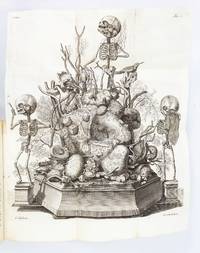
1417rif. ST20185Amsterdam: Joannes Wolters then Jansson-Waesberg 1701-14; 1715-16. FIRST EDITIONS. 224 x 168 mm. 8 3/4 x 6 1/2". 4 p.l. 62 pp. 1 leaf errata; 2 p.l. 98 pp.; 2 p.l. 70 pp.; 1 p.l. 55 pp.; 1 p.l. 54 pp. 2 p.l. 30 pp. 1 leaf 92 pp. 2 leaves 44 pp. 4 leaves 68 pp. 8 leaves 72 pp. 1 leaf errata 12 leaves 78 pp. 10 parts in one volume. Contemporary stiff vellum smooth spine with ink titling yapp edges. WITH 42 ENGRAVED PLATES as called for by Norman six of these folding. Text in Latin and Dutch. Blake 395; Garrison-Morton 389; Heirs of Hippocrates 627; Jeremy Norman's HistoryofMedicine.com 623; Norman 1875. Vellum lightly soiled front pastedown slightly defective but the original unsophisticated binding in perfect order. Final plate with small hole due to adhesion to facing page minor damage done to image a few other trivial imperfections a couple of negligible marginal tears a faint ink stain across the top inch of text a tiny burn hole but AN UNUSUALLY BRIGHT CLEAN COPY INTERNALLY with all the important plates in exceptionally fine condition. Scarce when seen bound from its original 10 parts as here this work describes the memorable "Anatomical Treasure" of Dutch physician and anatomist Frederick Ruysch being illustrated by surrealistic charmingly macabre engravings depicting "fantastic dream-like concoctions constructed of human anatomical parts." History of Medicine Described by Norman as "probably the most original artist in the history of anatomical preparations" Ruysch 1638-1731 "enjoyed making up elaborate three-dimensional emblems of mortality from his specimens" which included fetal skeletons and preserved organs. Heirs to Hippocrates says that "the engraved illustrations deserve special mention for their whimsical almost surrealistic quality: quaintly posed skeletons surrounded by stuffed monsters strange reptiles dried plants and sea creatures." According to Norman "Ruysch's methods allowed him to prepare organs such as the liver and kidneys and keep entire corpses for years. He used a mixture of talc white wax and cinnabar for injecting vessels and an embalming fluid of alcohol made from wine or corn with black pepper added. Using his injection methods Ruysch was the first to demonstrate the occurrence of blood vessels in almost all tissues of the human body thereby destroying the Galenic belief that certain areas of the body had no vascular supply. He was also the first to show that blood vessels display diverse organ-specific patterns." Ruysch's dioramas were displayed in his home museum in Amsterdam which was open to the public; visitors included Tsar Peter the Great of Russia who purchased the collection in 1717 for the foundation of Russia's first public museum the St. Petersburg Kunstkammer. Unfortunately the Russian climate was not kind to the fragile constructions and all deteriorated over time; the dramatic plates here are the best record we have of this unique collection. Joannes Wolters, then Jansson-Waesberg unknown