Drama en Cinco ActosBiblio.com

6 918 résultats
réf. 0282322248.Gpaperback. Good. Access codes and supplements are not guaranteed with used items. May be an ex-library book. paperback
1989Book is in excellent condition. Binding is solid and square, covers have sharp corners, exterior shows no blemishes, text/interior is clean and free of marking of any kind. Dust jacket shows light shelf wear, some scuffing, no tears, some price sticker residue on back. 146 pages with about 20 page section of Shaw's b&w photos, including a self portrait in the nude.
réf. 0428583229.Gpaperback. Good. Access codes and supplements are not guaranteed with used items. May be an ex-library book. paperback
2003Gallimard "Bibliothèque des idées", 2003. In-8 broché, 674 pages. Etat neuf.
réf. 43985Sony Pictures Entertainment Deutschland GmbH, 2017. Auflage: Standard Version DVD Blu-ray
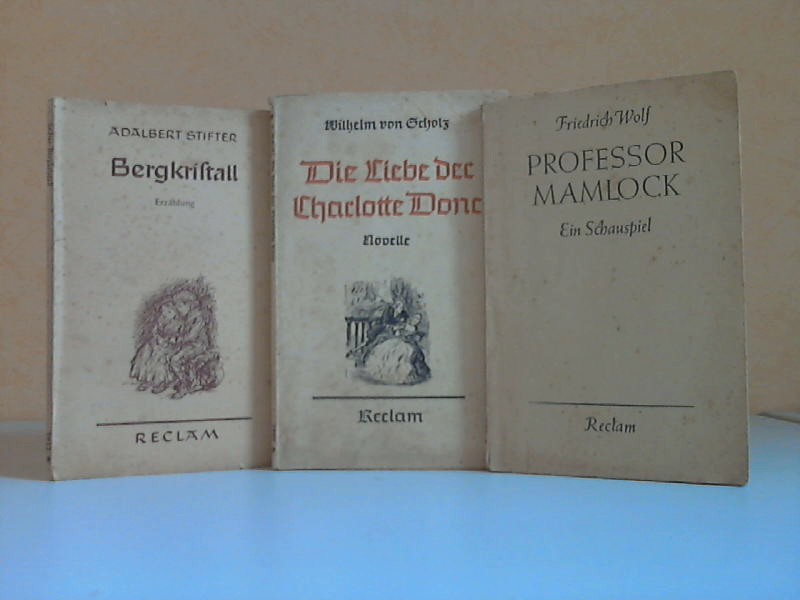
1959réf. 47654Leipzig: Verlag Philipp Reclam jun., 1940, 1956, 1959. 71, 77, 79 Seiten , 18 cm kart.,
réf. 1390550516.Gpaperback. Good. Access codes and supplements are not guaranteed with used items. May be an ex-library book. paperback
1962Scholar's bookplate to inner cover (G. P. Goold). Some browning to wraps. Edgewear with creasing to wraps. ; 223 pages
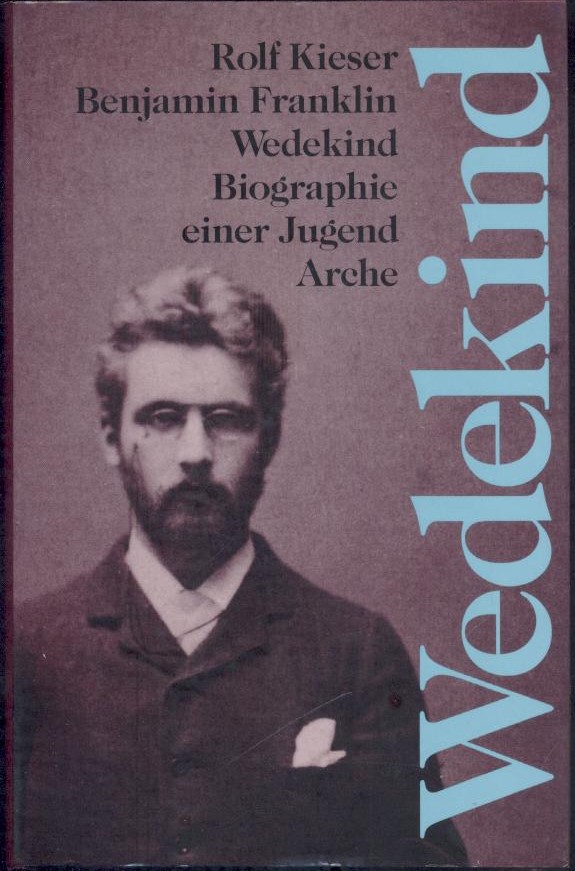
1990réf. 17166Arche, Zürich 1990. 400 S. mit mehreren Abbildungen. Ppbd. mit Schutzumschlag. Geringe Gebrsp. Umschlag etwas berieben. Schönes, wohl ungelesenes Exemplar.
2002réf. 20966Ascot Elite Home Entertainment GmbH, 2002. Auflage: Standard Version 1 DVD DVD
1976réf. 1069934Darmstadt: Wissenschaftliche Buchgesellschaft (WBG), 1976. XIV, 494 S. Originalbroschur.
réf. 0428145299.Gpaperback. Good. Access codes and supplements are not guaranteed with used items. May be an ex-library book. paperback
réf. 11672drame en trois actes en vers. In 8 demie reliure havane, façon cuir glacé, titre doré. Faux-titre, frontispice gravé, (portait de Beethoven) titre VIII, 134 pages, non rogné, A Paris aux éditions du Dauphin Dijon Août 1929. Exemplaire n°XLIX sur vergé de hollande Van Gelder, seul grand papier (tirage total 250 exemplaires) (petite trace de frottement en tête du dernier plat.
1959réf. 48Paris: La Table Ronde 1959. Mass-market paperback INSCRIBED on the half title to Holly Howarth who has translated and written about Jean Anouilh's works. This is one of Anouilh's best-known plays which explores the relationship between King Henry II of England and the archbishop of Canterbury Thomas à Becket. The play was presented for the first time on October 8 1959 in Paris at the Theatre Montparnasse-Gaston Baty. Text entirely in French. PHYSICAL DETAILS: Small Octavo 7.375 x 4.75 inches; 185 x 120 mm 209 5 pages in printed wrappers soft cover. CONDITION: Soiling staining and creasing to covers one-inch tear to rear panel where it meets the spine pages toned small tears to tops of some pages not affecting text extensive pencil underlining and marginalia some evidence of waterstaining. New York Times article laid in. Fair only. La Table Ronde paperback
2007réf. 55086eye see movies, 2007. DVD Digipak
réf. 35852LONDON JOHN PORTER 1817. PRESENTATION COPY FROM THE EDITOR. FINE FULL CALF BINDING CLEAN AND TIGHTLY BOUND. AN ATTRACTIVE COPY. LONDON, JOHN PORTER, 1817 unknown
1809réf. 028193Cambrai 1809 Chez Defrémery et Raparlier Hardcover 1st Edition
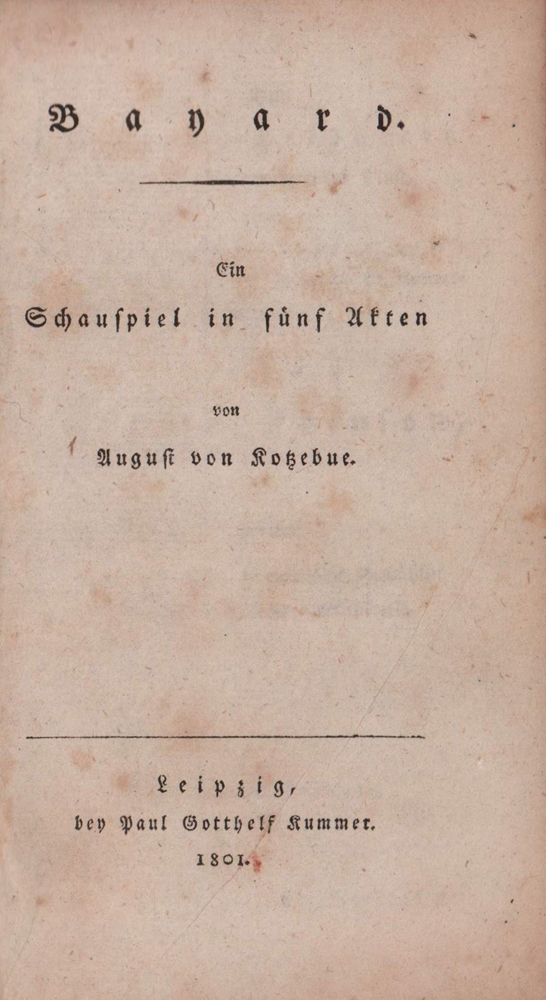
1801réf. 71410Leipzig, Paul Gotthelf Kummer, 1801. 2 Bll., 272 S. Kl.-8vo (17 x 10,5 cm). HLdr. d. Zt. mit RVergold.
1978No marks or inscriptions. Minor creasing to upper edge of front cover, none to spine. A clean tight copy with rubbed boards, tanned page edges and no bumping to corners. 157pp. Story about a deadly laboratory virus which escaped and would eventually wipe out all life forms.
2011réf. 47164Alive, 2011. DVD DVD
1951Play based on Socrates and his trial and death in Athens.101p. Blue-Green blue cloth binding faded on spine and edges Faint foxing on end papers, but interior very neat and clean. Book
1986Ex-library copy with usual stamps, call numbers. Pocket has been removed from ffep causing some damage. Else VG. ; Greeks divided the world into Greece vs. The land of foreigners, into Hellenes vs. Barbarians, seeing their country as a bastion of culture, learning, and military might surrounded by a sea of the uncivilized. Long shows how comedy expressed the Greek feeling of superiority over the barbarians, how it dealt with the so-called barbarian-Hellene antithesis. The result is a contribution to the study of ancient Greek comedy—both the comedy itself and the beliefs, the prejudices, the limitations, and the variety in the society from which the plays emerged. The comedians’ responses to the barbarians ranged from idealization to neutrality to raw racism. Although contemptuous of barbarians, the Hellenes could not keep elements of foreign culture from entering their own. Long’s major contention is that the Greek reaction to Oriental and other foreign influence can be seen in the treatment of barbarians in Greek comedy. ; 240 pages
1986Foxing/dustsoiling to top of textblock. Minor Foxing to DJ. ; Greeks divided the world into Greece vs. The land of foreigners, into Hellenes vs. Barbarians, seeing their country as a bastion of culture, learning, and military might surrounded by a sea of the uncivilized. Long shows how comedy expressed the Greek feeling of superiority over the barbarians, how it dealt with the so-called barbarian-Hellene antithesis. The result is a contribution to the study of ancient Greek comedy—both the comedy itself and the beliefs, the prejudices, the limitations, and the variety in the society from which the plays emerged. The comedians’ responses to the barbarians ranged from idealization to neutrality to raw racism. Although contemptuous of barbarians, the Hellenes could not keep elements of foreign culture from entering their own. Long’s major contention is that the Greek reaction to Oriental and other foreign influence can be seen in the treatment of barbarians in Greek comedy. ; 240 pages
1996Scholars' name to halftitle (Mark Golden). Very light shelfwear. ; In this volume William S. Anderson sets Plautus, who wrote Rome's earliest surviving poetry, in his rightful place among the Greek and Roman writers of what we know as New Comedy (fourth to second centuries). Anderson begins by defining major innovations that Plautus made on inherited Greek New Comedy (Menander, Philemon, and Diphilus) , transforming it from romantic domestic drama to a celebration of rollicking family anarchy. He shows how Plautus diminished the traditional importance of love and replaced it with a new major theme: 'heroic badness,' especially embodied in the rogue slave (ancestor of the impudent servant, valet, or maid). Anderson then examines the unique verbal texture of Plautus' drama and demonstrates his revolt against realism, his drive to have his characters defy everyday circumstances and pit their intrepid linguistic wit against social order, their Roman extravagant impudence against Greek self-control. Finally, Anderson explores the special form of metatheatre that we admire in Plautus, by which he undermines the assumptions of his Greek models' and replaces them with a new, confident Roman comedy. ; Robson Classical Lectures; 194 pages
1996Faint creasing to spine. Light shelfwear. Scholar's name to half-title (Robert Brown). ; In this volume William S. Anderson sets Plautus, who wrote Rome's earliest surviving poetry, in his rightful place among the Greek and Roman writers of what we know as New Comedy (fourth to second centuries). Anderson begins by defining major innovations that Plautus made on inherited Greek New Comedy (Menander, Philemon, and Diphilus) , transforming it from romantic domestic drama to a celebration of rollicking family anarchy. He shows how Plautus diminished the traditional importance of love and replaced it with a new major theme: 'heroic badness,' especially embodied in the rogue slave (ancestor of the impudent servant, valet, or maid). Anderson then examines the unique verbal texture of Plautus' drama and demonstrates his revolt against realism, his drive to have his characters defy everyday circumstances and pit their intrepid linguistic wit against social order, their Roman extravagant impudence against Greek self-control. Finally, Anderson explores the special form of metatheatre that we admire in Plautus, by which he undermines the assumptions of his Greek models' and replaces them with a new, confident Roman comedy. ; Robson Classical Lectures; 194 pages