Canosa RomanoMareMagnum
A caccia di ebrei. Mussolini, Preziosi e l'antisemitismo Fascista
8vo, ril, ed. sovracoperta pp.390. fasci antiamericanism and antisemitism. in italiano.

Pali s.r.l. · Italie20,00 €
484 résultats
réf. DADAX0548222320New unknown
réf. DADAX1566160073New unknown
réf. DADAX1437009522New unknown
réf. DADAX0548231176New unknown
réf. DADAX1436567122New unknown
réf. DADAX0548748446New unknown
réf. DADAX1436553768New unknown
réf. DADAX0521609372New unknown
réf. DADAX098623799XNew unknown
réf. DADAX162911779XNew unknown
réf. DADAX0802841880New unknown
réf. DADAX0814658156New unknown
réf. DADAX1577996402New unknown
réf. DADAX1436543002New unknown
réf. DADAX1436512204New unknown
réf. DADAX0548056528New unknown
réf. DADAX1436548454New unknown
réf. DADAX1851820698New unknown
réf. DADAX0548233519New unknown
8vo, pp.303. Quando i tedeschi occupano la Boemia e la Moravia, nel marzo 1939, Zdenka Fantlová ha 17 anni. Nonostante le discriminazioni che i nazisti impongono da subito agli ebrei, cerca di vivere normalmente la sua vita. Fino a quando il padre viene deportato a Buchenwald: Zdenka non lo rivedrà più. Nel 1942 viene deportata, insieme alla famiglia e al fidanzato Arno, a Terezín, un campo di concentramento a nord-ovest di Praga. Mentre Arno viene spedito in un campo a est, Zdenka vi rimane fino al 1944, quando viene «trasferita» ad Auschwitz: lei e la sorella Lydia sopravvivono alle selezioni, la madre no. Ma a questo punto le sorti della guerra si sono ribaltate, i russi incalzano e cominciano le terribili «marce della morte» verso ovest. Zdenka e Lydia transitano così da Kurzbach e poi dal famigerato campo di Gross-Rosen. E poi sono di nuovo «spostate» a Mauthausen e infine a Bergen-Belsen. Qui, dopo la morte della sorella, Zdenka viene infine liberata dagli inglesi, unica sopravvissuta della sua famiglia. Oggi, a 95 anni, Zdenka è impegnata a portare la sua testimonianza in giro per il mondo, perché tutto ciò che lei ha vissuto non sia dimenticato.
8vo, ril, ed. sovracoperta pp.390. fasci antiamericanism and antisemitism. in italiano.
pp. xliii-814. Illustrated by map endpapers. original red Cloth, lightly sunned spine, ow Very Good
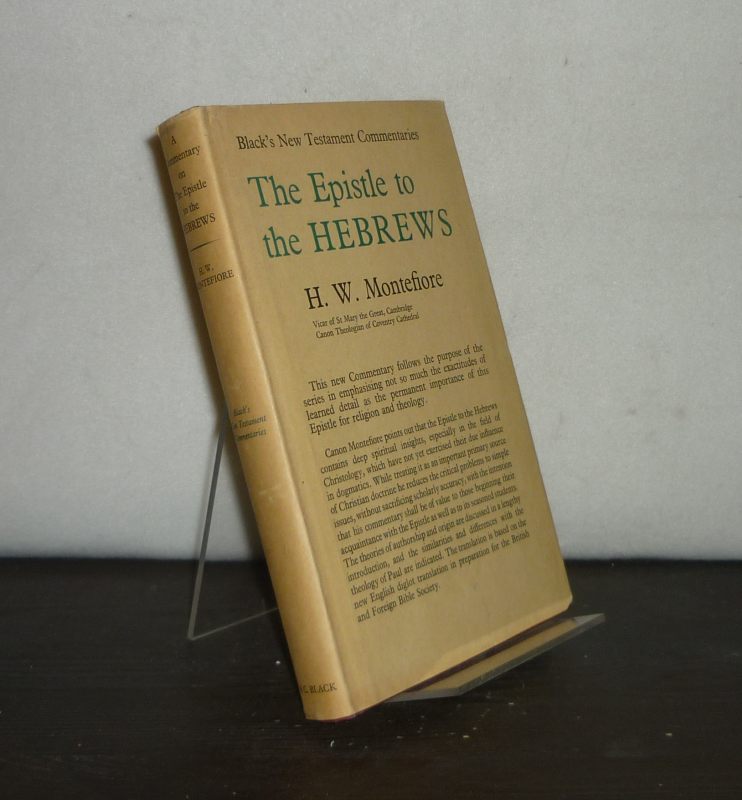
1964réf. 3132461London: Adam & Charles Black 1964. IX, 272 Seiten. 8° (17,5-22,5 cm). Orig.-Leinenband mit Orig.-Schutzumschlag. [Hardcover / fest gebunden].
8vo, cloth in dj. Translated by Leon J. Weinberger with Dena Ordan This slender anonymous work, spanning 1389 to 1611, presents the priorities and concerns of a Jewish community straddling the late medieval and early modern periods. Ample footnotes and explanations provide the lay reader with sufficient background to understand the references to historical events and figures, to ideologies and to institutions. A comprehensive introduction presents the realities of Prague and Bohemia, as well as offering a helpful discussion of the chronicle and other contemporary Jewish accounts. Conservative Jewish Quarterly In about 1615 an anonymous Jew from Prague composed a short Hebrew chronicle to recount 'the expulsions, miracles, and other occurrences befalling [the Jews] in Prague and the other lands of our long exile.' Abraham David discovered the manuscript [and] added glosses, historical notes, and an introduction. . . . The chronicle, with its brief annual entries, is not a continuous narrative, but does give a feeling of immediacy, like a newspaper. Polin: Studies in Polish Jewry.
Hard Cover. Good/No Jacket. 8vo - over 7¾" - 9¾" tall. 437 pp. + index,illustrations, gilt blue cloth