5 413 résultats
réf. 91481Paris, Flammarion, 2008. 12 x 19, 445 pp., reliure d'édition carton imprimé, sous étui carton blanc illustré, état neuf.
1995réf. R300330077PUF. 1995. In-12. Broché. Etat d'usage, Couv. convenable, Dos fané, Intérieur acceptable. 107 pages.. . . . Classification Dewey : 870-Littératures des langues italiques. Littérature latine
1867réf. 4402Boston lee and Shepard 1867. 1867. First edition. 8vo. Illustrated by Thomas Nast. Original gilt and blindstamped terra-cotta cloth slight rubbing light foxing; small marginal stain on top foredge of some pages. Very good. 299 pages. Ink signature of J. M. Howard 1867 on the front free endpaper. BAL 11820. 1st Edition. Hardcover. Very Good. Boston, lee and Shepard, 1867. hardcover
réf. 1347054855.Ghardcover. Good. Access codes and supplements are not guaranteed with used items. May be an ex-library book. hardcover
1867réf. 4402Boston lee and Shepard 1867. 1867. First edition. 8vo. Illustrated by Thomas Nast. Original gilt and blindstamped terra-cotta cloth slight rubbing light foxing; small marginal stain on top foredge of some pages. Very good. 299 pages. Ink signature of J. M. Howard 1867 on the front free endpaper. BAL 11820. 1st Edition. Hardcover. Very Good. Boston, lee and Shepard, 1867. hardcover books
1724réf. 2570# AUTEUR: Locke John # ÉDITEUR: Du Villard & Jaquier - Genève # ANNÉE ÉDITION: 1724 # COUVERTURE: Plein vélin - dos rond - pièce de titre rouge décor doré # DÉTAILS: In 12° relié 4ff (pdt et avertissement) + 365pp.+ 2ff. Nouvelle édition, traduit de l'Anglois. Le gouvernement civil de la véritable origine, de son étendue, de la fin. 1er traité du gouvernement civil (1690), qui est un des temps forts de l'histoire théologico-politique du XVII ème siècle. # PHOTOS visibles sur www.latourinfernal.com
1980réf. 001098Warner Brothers 1980. No Binding. Very Good. 4to - over 9¾ - 12" tall. A rare compete set of 8 lobby cards; 8" by 10". Slightest edge wear. Eastwood and his hirsuit chum battling the bikers. Please refer to pictures for content and condition. Please contact for further details. Warner Brothers unknown
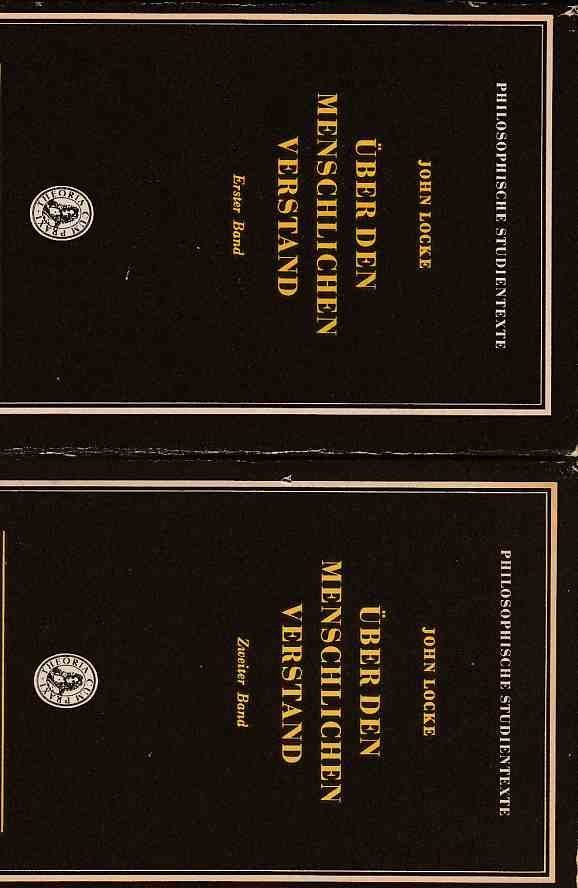
1962réf. 1157239Akademie Verlag Berlin, 1962. XXVI; 511 S. und 442 S.; 20,5 cm. 2 Originalleinenbände mit Schutzumschlägen.
réf. 0553560794-7-1-13Starfire. Acceptable. The item might be beaten up but readable. May contain markings or highlighting as well as stains bent corners or any other major defect but the text is not obscured in any way. Starfire unknown
1994réf. 1761729458Starfire 1994. Mass Market Paperback. Good. Pages can have notes/highlighting. Spine may show signs of wear. ~ ThriftBooks: Read More Spend Less.Shelf and handling wear to cover and binding with general signs of previous use. Wear on the covers. Previous owner's name on the interior front cover. Text is clear of markings and notations. Secure packaging for safe delivery.Dust jacket quality is not guaranteed. Starfire paperback
1994réf. 1862900276Starfire 1994. First Edition THUS. Mass Market Paperback. Good. Pages can have notes/highlighting. Spine may show signs of wear. ~ ThriftBooks: Read More Spend Less.First edition THUS first printing. Shelf and handling wear to cover and binding with general signs of previous use. Wear commensurate with age and use. Clean unmarked copy. Light scuffing and smudging to covers and spine strip. Secure packaging for safe delivery.Dust jacket quality is not guaranteed. Starfire paperback
réf. 0553560794.Gmass_market. Good. Access codes and supplements are not guaranteed with used items. May be an ex-library book. unknown
1994réf. G0553560794I5N00Starfire 1994. Mass Market Paperback. Acceptable. Readable copy. Pages may have considerable notes/highlighting. ~ ThriftBooks: Read More Spend Less.Dust jacket quality is not guaranteed. Starfire paperback
réf. Y09J-00161Octopus Bks. Used - Good. Good condition. A copy that has been read but remains intact. May contain markings such as bookplates stamps limited notes and highlighting or a few light stains. Octopus Bks. unknown
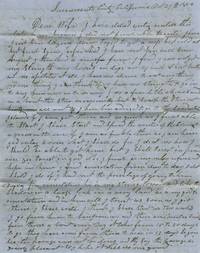
1850réf. BK0017Sacramento City California 1850. Autograph letter signed "Sam'l Locke" to his wife in Belfast Maine. 6 pp. Stampless folded letter with clear circular "SACRAMENTO CITY / CAL." postmark and "40" rate handstamp; manuscript notation recording receipt in Maine on December 19 1850. Light soiling; very good. A bleak California Gold Rush letter written during the 1850 Sacramento cholera epidemic by Samuel Locke a Maine emigrant suffering from prolonged fever and unable to regain his strength. Surrounded by sickness failed mining ventures violent crime and men too poor or ill to return home Locke plans to seek recovery in the Sandwich Islands while relying upon his religious faith for consolation. Locke had been ill since August and was now so weak that ordinary work exhausted him: "My limbs or legs are very weak short breath and no appetite at all. I have no desire to eat anything not one thing I can think of. I have no strength to go into any business or to do any. I do a few little chores round or about the store occasionally but to sweep the store it beats me all out . O how I long to get out of this place. Can't get any strength don't know as I can anywhere but I long to try." Friends advised him to spend the winter in the Sandwich Islands. He expected to travel first to San Francisco and then make the fifteen- to twenty-day passage to Hawaii though he feared that continued illness might leave him unable either to support himself there or return to Maine. He states that he will "trust in providence yes trust in God who I feel is my only refuge". Locke gives a grim account of California's climate and the spread of cholera through Sacramento claiming that the climate in California prevented the sick from recovering their strength as the "air is very light & bad middle of the day very hot and nights very cool." The previous week's report had stated forty dead but "nothing near all the cases were reported" with Locke himself knowing of several unreported cases personally. A local blacksmith died overnight after his companions borrowed Locke's syringe and "We can hardly see a healthy looking individual in the streets." The letter also records the uncertain fortunes of men from Locke's home region scattered through the mines. William Beckett and his partners had spent the summer constructing a mining dam had struck gold on the first day and then immediately "the dam was washed away so they lost all their summer's labor." Other acquaintances had moved to Kelsey's Bar the southern mines or Oregon or were preparing to return east by way of Panama. Some remained convinced that California would reward perseverance while others had "seen enough" after accomplishing nothing. Locke regarded success as largely accidental: "Thousands are here and in the mines who want to get home and cannot-not able to do seamen's duty and no money to pay but they have got to stay in the mines and do the best they can. Some it is true have been lucky. It is all luck. If they happen to hit a good place they do well." News that cholera had entered the mining districts increased his alarm. Locke feared especially for men living in tents as the rainy season approached with poor food and little protection from exposure. Sacramento itself was marked by nightly violence: "There are murders or robberies about every night. One man killed in front of our house a few nights ago. We heard him holler and heard the blows. Next morning he died. His head was dreadfully mangled." Locke closes with an emotional message to his wife and children. His health finances and prospects all appeared uncertain and he repeatedly asked his family and church to pray for him: "Tell the dear Children to be good and if they never see me again when I am gone they will have the satisfaction . of knowing they acted as thy Father requested . Pray for me ask the Church to pray for me indeed I know I have your prayers and you have mine often." A particularly bleak account of the human cost of the California Gold Rush documenting epidemic disease physical collapse failed mining schemes violent crime religious faith and the predicament of emigrants unable to escape California after their health and resources were exhausted. . unknown
1850réf. BK0017Sacramento City California 1850. Autograph letter signed "Sam'l Locke" to his wife in Belfast Maine. 6 pp. Stampless folded letter with clear circular "SACRAMENTO CITY / CAL." postmark and "40" rate handstamp; manuscript notation recording receipt in Maine on December 19 1850. Light soiling; very good. A bleak California Gold Rush letter written during the 1850 Sacramento cholera epidemic by Samuel Locke a Maine emigrant suffering from prolonged fever and unable to regain his strength. Surrounded by sickness failed mining ventures violent crime and men too poor or ill to return home Locke plans to seek recovery in the Sandwich Islands while relying upon his religious faith for consolation. Locke had been ill since August and was now so weak that ordinary work exhausted him: "My limbs or legs are very weak short breath and no appetite at all. I have no desire to eat anything not one thing I can think of. I have no strength to go into any business or to do any. I do a few little chores round or about the store occasionally but to sweep the store it beats me all out . O how I long to get out of this place. Can't get any strength don't know as I can anywhere but I long to try." Friends advised him to spend the winter in the Sandwich Islands. He expected to travel first to San Francisco and then make the fifteen- to twenty-day passage to Hawaii though he feared that continued illness might leave him unable either to support himself there or return to Maine. He states that he will "trust in providence yes trust in God who I feel is my only refuge". Locke gives a grim account of California's climate and the spread of cholera through Sacramento claiming that the climate in California prevented the sick from recovering their strength as the "air is very light & bad middle of the day very hot and nights very cool." The previous week's report had stated forty dead but "nothing near all the cases were reported" with Locke himself knowing of several unreported cases personally. A local blacksmith died overnight after his companions borrowed Locke's syringe and "We can hardly see a healthy looking individual in the streets." The letter also records the uncertain fortunes of men from Locke's home region scattered through the mines. William Beckett and his partners had spent the summer constructing a mining dam had struck gold on the first day and then immediately "the dam was washed away so they lost all their summer's labor." Other acquaintances had moved to Kelsey's Bar the southern mines or Oregon or were preparing to return east by way of Panama. Some remained convinced that California would reward perseverance while others had "seen enough" after accomplishing nothing. Locke regarded success as largely accidental: "Thousands are here and in the mines who want to get home and cannot-not able to do seamen's duty and no money to pay but they have got to stay in the mines and do the best they can. Some it is true have been lucky. It is all luck. If they happen to hit a good place they do well." News that cholera had entered the mining districts increased his alarm. Locke feared especially for men living in tents as the rainy season approached with poor food and little protection from exposure. Sacramento itself was marked by nightly violence: "There are murders or robberies about every night. One man killed in front of our house a few nights ago. We heard him holler and heard the blows. Next morning he died. His head was dreadfully mangled." Locke closes with an emotional message to his wife and children. His health finances and prospects all appeared uncertain and he repeatedly asked his family and church to pray for him: "Tell the dear Children to be good and if they never see me again when I am gone they will have the satisfaction . of knowing they acted as thy Father requested . Pray for me ask the Church to pray for me indeed I know I have your prayers and you have mine often." A particularly bleak account of the human cost of the California Gold Rush documenting epidemic disease physical collapse failed mining schemes violent crime religious faith and the predicament of emigrants unable to escape California after their health and resources were exhausted. . unknown books
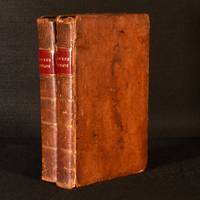
1796réf. 1021H22London: T. Longman; B. Law and Son; J. Johnson; C. Dilly; G. G. J. and J. Robinson; et al. 1796 . Leather. Good Only. 8.5" by 5.5". None. The twentieth edition of Locke"s foundational defence of empiricism with his related writings on personal identity and philosophy including the keeping of a 'commonplace' book. In a contemporary full calf binding. Complete in two volumes. First published in 1689 this is the twentieth edition. Complete with an analysis of Locke"s doctrine of ideas on a large folding sheet to volume I. Collated complete. Locke"s foundational investigation into the origins of human knowledge and understanding. Locke rejects the existence of innate ideas arguing that knowledge arises through sensation and reflection. The second volume also contains his writings on personal identity understanding and study natural philosophy and the keeping of a commonplace book. John Locke 1632-1704 was an English philosopher Oxford academic and medical researcher and one of the foremost early defenders of empiricism. ESTC No.: N6228. In a contemporary full calf binding. Externally worn. Rubbing and bumping to extremities resulting in slight loss and wear to calf. Joints cracked. Front board of volume II is loose held by the sewing at the joint; the rear board is almost entirely detached remaining attached by a small portion of webbing at the tail. The front board of volume I is also loose though somewhat firmer; the rear board is held only by the sewing at the head and tail. Internally text block firmly bound. Pages characteristically age toned with light scattered spotting and one or tow handling marks. Previous owner's ink inscription to front free endpapers dated 1843. Good Only T. Longman; B. Law and Son; J. Johnson; C. Dilly; G. G. J. and J. Robinson; et al. hardcover
1917Mm 120x190 Terza edizione. Volume nella sua brossura originale, titolo a stampa, tracce d'uso e fioriture alla copertina, 393 pagine con alcune rare sottolineature a matita. Legature ben salde.
1919Mm 125x190 Quinta edizione - Volume rilegato in tela con titolo in oro al dorso, 347 pagine. Segni d'uso e del tempo non gravi, ottima copia. SPEDIZIONE IN 24 ORE DALLA CONFERMA DELL'ORDINE.
2008réf. SKU0486858Cengage Learning 2008-11-19. Audio CD. Good. Textbook May Have Highlights Notes and/or Underlining BOOK ONLYNO ACCESS CODE NO CD Ships with Emailed Tracking Cengage Learning unknown
1995réf. AME_9781562054304New Riders 1995. Pap/Cdr. Paperback. New/New. New Riders paperback
1995réf. USD_9781562054304New Riders 1995. Pap/Cdr. Paperback. Used - Like New/Used - Like New. New Riders paperback
1688réf. 5037Amsterdam Wolfgang, Waesberge, Boom & van Someren 1688 in-12 pleine reliure Amsterdam, Wolfgang, Waesberge, Boom & van Someren, 1688. 14 x 8 cm, in-12, (12) 538 (24) pp. - 1 planche dépliante hors texte, 1 figure dans le texte, reliure de l'époque de pleine basane cramoisie, dos à 5 nerfs orné de caissons, pièce de titre, traces de roulette sur les coupes, tranches mouchetées.
réf. 651762984Heritage Books Inc. . Papeback. New. pp. 770 Index Heritage Books Inc. unknown
1928réf. 894M14Tunbridge Wells: D. Webster 1928. First edition. Cloth. Very Good. 9" by 6". Not Stated. A first edition copy of this bibliography of the renowned author Sir Arthur Conan Doyle. The first edition first impression of this uncommon work in the publisher's original quarter cloth binding with the very scarce original glassine wrapper. Harold Locke's bibliographical catalogue of the works of the renowned author Sir Arthur Conan Doyle covering his contributions to magazines pamphlets plays prefaces published works and uniform editions between 1879 and 1928. With an index to the rear. While Arthur Conan Doyle is best known for his Sherlock Holmes series he wrote on a wide range of topics both fictional and non-fictional.From the library of A. P. Watt & A. S. Watt of A. P. Watt and Son literary agent of Rudyard Kipling. In the publisher's original quarter cloth binding with the original glassine wrapper. Externally smart except for spotting to the title label to the front board. Internally firmly bound. Pages are bright with the odd spot. Significant losses to the glassine wrapper to the upper extremities and spine. Very Good D. Webster hardcover