Hugues le RouxLivre Rare Book

1 524 résultats
réf. CZC-8082illustré d'après les photographies de l'auteur, gravés par Petit & Cie "J’ai quitté la France dans le déluge de Saint-Médard. Je trouve un Alger glacial, sans soleil, avec une mer verte et houleuse, un vent si coupant, si sec, le long des quais, sous les arcades, que les terrasses de cafés sont désertes et les squares abandonnés. J’ai eu tout juste le temps de faire porter mes bagages à l’express de nuit qui marche sur Oran. Elle est divertissante à observer par une fenêtre de wagon, la vie de cette banlieue algérienne. " Vol relié demi cuir, in8, 180x120, leg. frottements, bel état intérieur, 308pp. Paris, Marpon & Flammarion, ss date, vers 1890 ref/212
réf. CZC-8082illustré d'après les photographies de l'auteur, gravés par Petit & Cie "J’ai quitté la France dans le déluge de Saint-Médard. Je trouve un Alger glacial, sans soleil, avec une mer verte et houleuse, un vent si coupant, si sec, le long des quais, sous les arcades, que les terrasses de cafés sont désertes et les squares abandonnés. J’ai eu tout juste le temps de faire porter mes bagages à l’express de nuit qui marche sur Oran. Elle est divertissante à observer par une fenêtre de wagon, la vie de cette banlieue algérienne. " Vol relié demi cuir, in8, 180x120, leg. frottements, bel état intérieur, 308pp. Paris, Marpon & Flammarion, ss date, vers 1890 ref/212
réf. cROU-991Paris,Jonquières,1925 ; in-8°,broché ,couverture rempliée vert pâle illustrée et imprimée en noir; 2ff.,131pp.;couverture un peu passée,sinon bon exemplaire.
In-8, demi-percaline chagrinée, 28 p., petite auréole claire en marge de quelques feuillets. Édition originale de ce rapport prononcé en séance le 15 mai 1843, résultat d'une enquête réalisée par une commission de l'Assemblée. A l'occasion d'une demande de crédits exceptionnels, le député de la Côte d'Or fait un historique de la conquête de l'Algérie depuis 1830, présente les doctrines en présence et évalue les progrès de la colonisation sur le terrain. (Manque à Tailliart et à Gay).
1868Very Good English Original bdg. with new spine. Roy. 8vo. (23 x 15 cm). In English. [xxviii], 507 p., 1 folded engraved color plate of Sebastopol from the sea, 12 numerous folded plans and maps. First Edition. Third volume. The invasion of the Crimea: Its origin, and an account of its progress down to the death of Lord Raglan. Vol. III. Kinglake was an English travel writer and historian. He was born near Taunton, Somerset, and educated at Eton College and Trinity College, Cambridge. He was called to the Bar in 1837, and built up a thriving legal practice, which, in 1856, he abandoned to devote himself to literature and public life. His first literary venture was Eothen; or Traces of travel brought home from the East (London: J. Ollivier, 1844), a very popular work of Eastern travel, apparently first published anonymously, in which he described a journey he made about ten years earlier in Syria, Palestine and Egypt, together with his Eton contemporary Lord Pollington. Elliot Warburton said it evoked "the East itself in vital actual reality" and it was instantly successful. However, his magnum opus was THE INVASION OF THE CRIMEA: Its Origin, and an Account of its Progress down to the Death of Lord Raglan, in 8 volumes, published from 1863 to 1887 by Blackwood, Edinburgh, one of the most effective works of its class. The History, which Geoff Bocca describes as a book "by which no intelligent man can fail immediately to be fascinated, no matter to what page he might open it" has been accused of being too favourable to Lord Raglan and unduly hostile to Napoleon III for whom the author had an extreme aversion. The town of Kinglake in Victoria, Australia, and the adjacent national park are named after him. A Whig, Kinglake was elected at the 1857 general election as one of the two Members of Parliament (MP) for Bridgwater, having unsuccessfully contested the seat in 1852. He was returned at next two general elections, but the result of the 1868 general election in Bridgwater was voided on petition on 26 February 1869. No by-election was held, and after a Royal Commission found that there had been extensive corruption, the town was disenfranchised in 1870.
1880Very Good English Original bdg. with new spine. Roy. 8vo. (23 x 15 cm). In English. [xviii], 482, [24] p., 1 folded sketch map frontispiece. First Edition. Sixth volume. The invasion of the Crimea: Its origin, and an account of its progress down to the death of Lord Raglan. Vol. VI. Kinglake was an English travel writer and historian. He was born near Taunton, Somerset, and educated at Eton College and Trinity College, Cambridge. He was called to the Bar in 1837, and built up a thriving legal practice, which, in 1856, he abandoned to devote himself to literature and public life. His first literary venture was Eothen; or Traces of travel brought home from the East (London: J. Ollivier, 1844), a very popular work of Eastern travel, apparently first published anonymously, in which he described a journey he made about ten years earlier in Syria, Palestine and Egypt, together with his Eton contemporary Lord Pollington. Elliot Warburton said it evoked "the East itself in vital actual reality" and it was instantly successful. However, his magnum opus was THE INVASION OF THE CRIMEA: Its Origin, and an Account of its Progress down to the Death of Lord Raglan, in 8 volumes, published from 1863 to 1887 by Blackwood, Edinburgh, one of the most effective works of its class. The History, which Geoff Bocca describes as a book "by which no intelligent man can fail immediately to be fascinated, no matter to what page he might open it" has been accused of being too favourable to Lord Raglan and unduly hostile to Napoleon III for whom the author had an extreme aversion. The town of Kinglake in Victoria, Australia, and the adjacent national park are named after him. A Whig, Kinglake was elected at the 1857 general election as one of the two Members of Parliament (MP) for Bridgwater, having unsuccessfully contested the seat in 1852. He was returned at next two general elections, but the result of the 1868 general election in Bridgwater was voided on petition on 26 February 1869. No by-election was held, and after a Royal Commission found that there had been extensive corruption, the town was disenfranchised in 1870.
2003Very Good Very Good English Original cloth bdg. Dusst wrapper. Folio. (32 x 24 cm). Edition in English. 251 p., b/w and color ills. An eyewitness of the Tulip Era: Jean-Baptiste Vanmour. Edited by Melis H. Seyhun, Arzu Karamani Pekin. An eyewitness of one the most interesting periods in Ottoman history is a Western artist: Jean-Baptiste Vanmour. Today, as part of the collection of Rijksmuseum Amsterdam, nearly sixty paintings of the artist depict the Ottoman world in a realistic style: Sultans, grand viziers, prominent imperial officials, daily life scenes from Istanbul, an ambassador´s audience with the Sultan and other significant events such as the Patrona Halil Rebellion. An eyewitness of Tulip Era: Jean Baptiste Vanmour, sheds light to the works of this unique painter and documents one of the most significant periods in Ottoman civilization and culture through the perspectives of four renowned art histroians.
réf. CZC-9431CURIOSA / LA PASSION DE YANG-KWE-FEI, favorite impériale, d'après les anciens textes chinois G. Soulié de Morant, avec un rare envoi de l'auteur " En hommage au génie homéopathique et au grand cœur humain du Docteur Rouy et en respectueux souvenirs de pour Madame Rouy. En m'excusant de ma main gauche. G.Soulié de Morant 20 octobre 1952 " vol. in-8, 180x130, relié demi cuir, couvertures d'origines conservées, 200pp, très bel état intérieur Édition d'Art Piazza 1924 ref/230
réf. CZC-9431CURIOSA / LA PASSION DE YANG-KWE-FEI, favorite impériale, d'après les anciens textes chinois G. Soulié de Morant, avec un rare envoi de l'auteur " En hommage au génie homéopathique et au grand cœur humain du Docteur Rouy et en respectueux souvenirs de pour Madame Rouy. En m'excusant de ma main gauche. G.Soulié de Morant 20 octobre 1952 " vol. in-8, 180x130, relié demi cuir, couvertures d'origines conservées, 200pp, très bel état intérieur Édition d'Art Piazza 1924 ref/230
1870Very Good English Original gold-tones albumen photograph from 'Holy Land pictures', London, 1870. Oblong folio. (30,5 x 38 cm); photographic image size: 15x20 cm. Descriptive text in English ( Baalbec, and the Lebanon range. This city may possibly have been built by King Solomon. "And Solomon built Balalath (Baalbek) and Tadmor in the wilderness (Palmyra)", I Kings ix, 18.). Frank Mason Good, born 1839 in Deal, Kent, began his photographic career as an assistant to photographer Francis Frith. Good is known to have been active during the 1860s and 1870s. He lived most of his life at Phoenix Green, Hartley Wintney, (and died there on 28th June 1928) but had studios in London and Brighton. In 1870 he married Margaretta Teape at St Mark, Goodman's Fields. Following Margaretta's death (on 29th December 1904) he married his second wife, Jessie Emily Waghorn, in 1906, at Hartley Wintney. He is best known for his stereographic photographs of the Near East, and it was Frith who sponsored Good's first trip there. Other geographic locations captured by Good include Spain, Greece, and the Isle of Wight. Frank Mason Good is best known for his series of views of the Middle East taken on four separate tours of the area in the 1860s and 1870s. He first traveled to Egypt as an assistant to Francis Frith in late 1857. He joined the Photographic Society in 1864, and in 1880 served as a judge of its annual exhibition. He lived at Hartley Wintney, Winchfield, Hampshire.
1870Very Good English Original gold-tones albumen photograph from 'Holy Land pictures', London, 1870. Oblong folio. (30,5 x 38 cm); photographic image size: 15x20 cm. Descriptive text in English. (Nazareth, from the East, with the Well of the Virgin. In this neighborhood, our Lord and Savior Jesus Christ spent nearly thirty years of his life: And over these "Sacred Acres" often roamed "Those blessed feet that once were nailed, for our advantage to the bitter cross.".). Frank Mason Good, born 1839 in Deal, Kent, began his photographic career as an assistant to photographer Francis Frith. Good is known to have been active during the 1860s and 1870s. He lived most of his life at Phoenix Green, Hartley Wintney, (and died there on 28th June 1928) but had studios in London and Brighton. In 1870 he married Margaretta Teape at St Mark, Goodman's Fields. Following Margaretta's death (on 29th December 1904) he married his second wife, Jessie Emily Waghorn, in 1906, at Hartley Wintney. He is best known for his stereographic photographs of the Near East, and it was Frith who sponsored Good's first trip there. Other geographic locations captured by Good include Spain, Greece, and the Isle of Wight. Frank Mason Good is best known for his series of views of the Middle East taken on four separate tours of the area in the 1860s and 1870s. He first traveled to Egypt as an assistant to Francis Frith in late 1857. He joined the Photographic Society in 1864, and in 1880 served as a judge of its annual exhibition. He lived at Hartley Wintney, Winchfield, Hampshire.
1870Very Good English Original gold-tones albumen photograph from 'Holy Land pictures', London, 1870. Oblong folio. (30,5 x 38 cm); photographic image size: 15x20 cm. Descriptive text in English. (Shechem (Nablus), between Ebal and Gerizim Shechem (Nablus), between Ebal and Cerizim: This was Abraham's first halting-place, Gen. xii. 6; Here Jacob settled and bought a piece of land, Gen, xxxiii, 19; Here Joshua assembled the people just before his death, Josh, xxiv; And here the ten tribes rebelled against Rehoboam, 1 Kings xii.). Frank Mason Good, born 1839 in Deal, Kent, began his photographic career as an assistant to photographer Francis Frith. Good is known to have been active during the 1860s and 1870s. He lived most of his life at Phoenix Green, Hartley Wintney, (and died there on 28th June 1928) but had studios in London and Brighton. In 1870 he married Margaretta Teape at St Mark, Goodman's Fields. Following Margaretta's death (on 29th December 1904) he married his second wife, Jessie Emily Waghorn, in 1906, at Hartley Wintney. He is best known for his stereographic photographs of the Near East, and it was Frith who sponsored Good's first trip there. Other geographic locations captured by Good include Spain, Greece, and the Isle of Wight. Frank Mason Good is best known for his series of views of the Middle East taken on four separate tours of the area in the 1860s and 1870s. He first traveled to Egypt as an assistant to Francis Frith in late 1857. He joined the Photographic Society in 1864, and in 1880 served as a judge of its annual exhibition. He lived at Hartley Wintney, Winchfield, Hampshire.
réf. 560464P., Braun, (1931). 2 vol. in-4 brochés, 244 et 522 pp., nbr. ill. in et h.-t. dont 60 planches. Edition limitée à 1000 exemplaires numérotés. Un des 900 sur vélin d’Arches, n°303.
réf. 91390aafPhiladelphia, J.W. Moore, 1856, in-8vo, 1 l. + XX + 132 p. (preliminary discourse) + 670 p. + 2 folded tables of Arabic tribes, on the first and the last leaves notices hw., some stains, cloth binding, borders and corners used, covers blindpressed.
1908réf. 80991908 Paris, Mannheim, 1908 in-4, demi toile rouge,titre doré, s, planches en héliogravure hors texte. Très bonne condition. Prix et parfois acquéreurs manuscrits à l'encre en marge
réf. boz_006235Dessin Original XIXe - Lavis Sépia - Vue de Coléah (Algérie) - Orientalisme Ravissant dessin original à l'encre et lavis de sépia, représentant une vue topographique ancienne de Koléa (Algérie). Cette œuvre finement exécutée offre un témoignage précieux de l'architecture et du paysage nord-africain au XIXe siècle. La composition détaille avec soin les remparts de la ville, un minaret élancé, une mosquée à coupole centrale, ainsi qu'un petit édifice à coupole (probablement un marabout) isolé sur la droite. Sujet : Orientalisme - Algérie. Technique : Plume, encre brune et lavis. Le dessin est mis en valeur par un élégant triple encadrement au trait rectiligne à l'encre. Le dessin est collé sur un grand feuillet de papier vergé. Légende : Titré de manière manuscrite à l'encre brune dans la marge inférieure, sous le trait d'encadrement : "Vue de Coléah. (afrique)". Dimensions : 40,7 x 28,9 cm État : Bel état de conservation. Voir photos et description pour plus de détails.
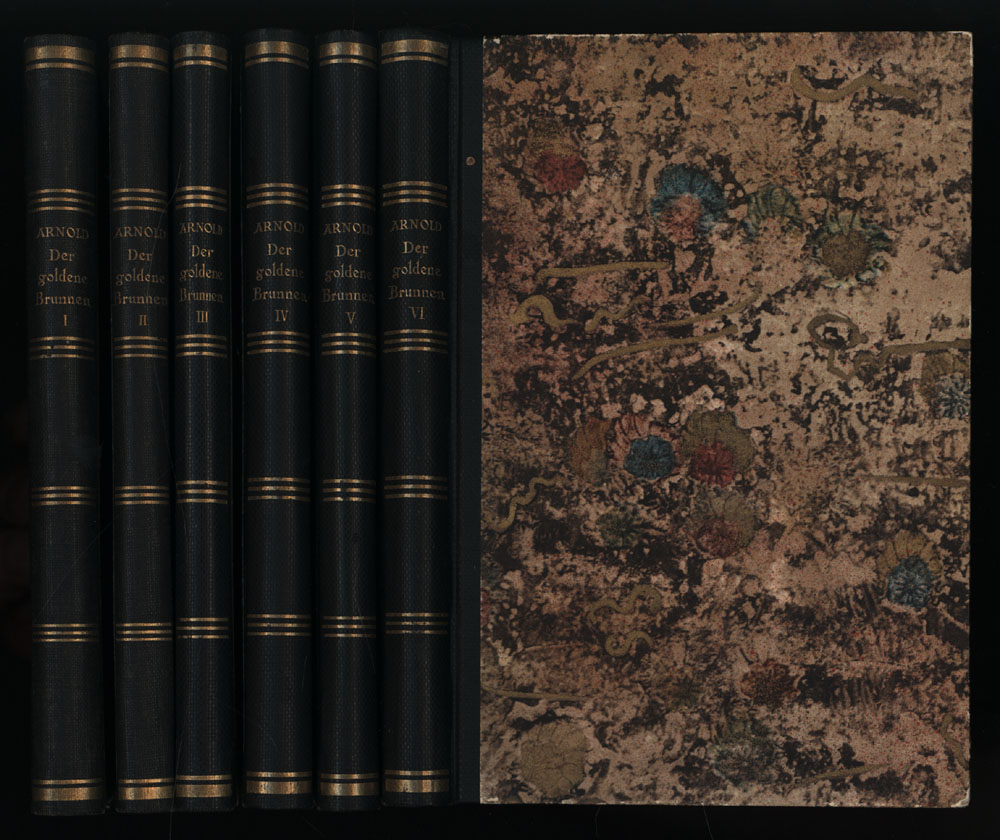
1924réf. 6214EBRegensburg/Leipzig, Habbel & Naumann Verlag, 1924-1925. 8°. 18,5 cm. VII, 195, 165, 151, 173, 163, 191 Seiten. Original-Halbleinenbände mit goldgeprägten Rückentiteln und schön illustriertem Bezugspapier.
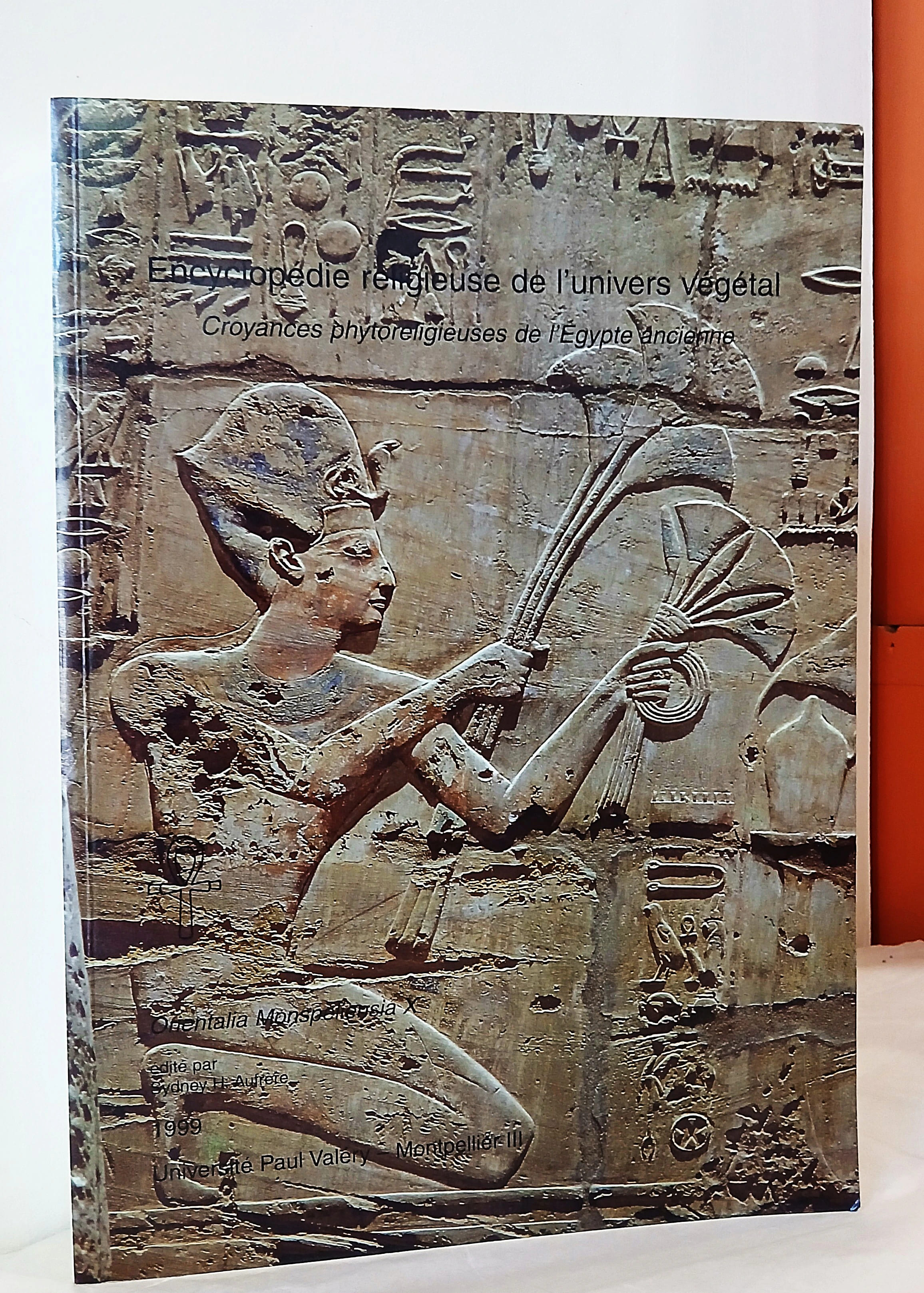
1999réf. 3066À Montpellier, Université Paul Valéry - Montpellier III, 1999.
réf. 217757Au Secrétariat Général De Congrès - Typographie Et Lithographie Marius Olive Marseille 1876 In-8 ( 255 X 165 mm ) de 464 pages, broché sous couverture imprimée. Contributions de Anselme de Puysaye, l'Abbé Bargès, Louis Charrel, Dupuis, le capitaine Girard, Legier de Mesteyme, , le Dr Adrien Sicard. 4 planches hors-texte et une double carte en couleurs. EDITION ORIGINALE tirée à 375 exemplaires hors-commerce pour les membres du Congrès. Rousseurs passim, bon exemplaire, non coupé. De la bibliothèque Ernest DE CROSET ( Ex-libris ).
In-8, broché, couverture imprimée (lég. défr.), 21 p. Edition originale. L'auteur fait le point sur le projet de transformer le Sahara oriental en mer intérieure, par le creusement d'un canal avec la Méditerranée. E. Cosson était membre de l'Académie des sciences.
réf. 46329Paris L'édition d'Art H. Piazza 1926 in 8 (22,5x16,5) 1 volume broché, XI [1] 175 pages [1], avec 16 illustrations de Etienne Dinet, dont 10 hors texte, et des encadrements et décors en noir d'après Mohammed Racim. Très bel exemplaire ( Photographies sur demande / We can send pictures of this book on simple request )
réf. est74t9Dimension extérieur 36,9 x 44,5 cm et image 21 x 28,6 cm. Lithographie en très bon état, nettoyée. Peint par Edouard Riou (1833-1900) et lithographie réalisée par Jules Didier (1831-1914). Cette lithographie de 1869 propose les travaux réalisés pour le canal de Suez.
1975In 4°, brossura editoriale, pp. 495, (3), con 20 tavole illustrate f.t. b/n; buon esemplare, lievissima mancanza alla prima bianca. (ZD5/B) (ZD5/B)
réf. 23228Paris, Eug. Fasquelle, s.d. 4 (sur 8) vol. in-folio, 395 pp. 27 pl. + 347 pp. 21 pl. + 339 pp. 20 pl. + 313 pp. 21 pl., demi-maroquin à coins brun, doubles filets dorés sur les plats, dos long romantique, tête dorée (quelques petits frottements et taches, 4 derniers volumes manquants).
réf. 058057Paris Edition d'Art H. Piazza 1926 in 4 (30,5x23,5) 1 volume broché, couverture rempliée ornée d'un encadrement doré, 199 pages [2], texte encadré, avec 12 illustrations hors-texte en couleurs par Léon Carré sous serpentes (twelve color plates by Léon Carré). Tirage numéroté, celui-ci un des 2200 exemplaires numérotés sur vélin chiffon. Tome 1 seul. Bel exemplaire ( Photographies sur demande / We can send pictures of this book on simple request )