8539 resultados
1999Paris, Presses Universitaires de Caen, 1999; in-8, 230 pp., broché (annoté au crayon de papier). Interventions d'Alain Goulet, Paul Gifford, Anne Chevalier, Michael Sheringham, Antoinnette Weber-Caflisch, David Gascoigne, Pierre Van den Heuvel, Johnnie Gratton, Joseph Long, Mairéad Hanrahan, Jean-François Jeandillou, Jean Bellemin-Noël. Très bon état.
1999ref. E0699Paris, les Arènes, 1999 ; in-8 carré, 64 pp., broché. Très bon état.
1999ref. J1617Paris, Presses Universitaires de Caen, 1999 ; in-8, 230 pp., broché (annoté au crayon de papier). Interventions d'Alain Goulet, Paul Gifford, Anne Chevalier, Michael Sheringham, Antoinnette Weber-Caflisch, David Gascoigne, Pierre Van den Heuvel, Johnnie Gratton, Joseph Long, Mairéad Hanrahan, Jean-François Jeandillou, Jean Bellemin-Noël. Très bon état.
1992ref. J1601S. l. (Paris), Hachette, 1992 ; in-4, 176 pp., reliure d'éditeur pleine toile vert olive, dos lisse, sous jaquette illustrée. Michel Butor explore à sa façon le Musée national des Techniques, fasciné par la mécanique des horloges, le geste du travail et l'intelligence des ingénieurs de tous les temps. Ce parcours littéraire est accompagné de photographies pleines de charme, de Pascal Dolemieux. Un hommage à Diderot. Très nombreuses illustrations en couleurs (photographies de Pascal Dolemieux). Très bon état.
1965ref. B3722Paris, Éditions Gallimard, 1965 ; in-8, 609 pp., reliure d'éditeur pleine toile, d'après la maquette de Massin. Collection «Soleil». Très bon état.
1964ref. C4194Paris, Seuil, 1964 ; in-8, 317 pp., reliure demi-parchemin blanc, dos lisse. Très bon état.
1976ref. D6166Paris, Éditions de la Différence, 1976 ; in-8, 252 pp., broché. Très bon état.
1942ref. J1855Paris, Grasset, 1942 ; in-8, 264 pp., broché (annoté au crayon). Ouvrage sur le besoin de créer et sur le besoin, le droit, l'envie, le choix de l'écriture… La dernière partie traite de la souffrance et du sacrifice que représente l'écriture à travers des écrivains, comme Proust et Rilke. Bon état.
1998ref. D2517Paris, Fourbis, 1998 ; in-8, 63 pp., broché. Très bon état.
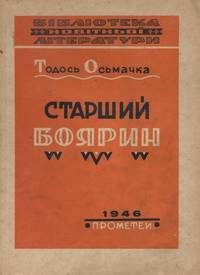
1946ref. 33697Munich; Prometheus 1946. Paperback. Original Wrappers. 8vo. 166 pages. 21 cm. First Edition. In Ukrainian. "Although his first poems were written in 1916 Osmachka began his literary career while he was a student at the Kyiv Institute of People's Education from 1920 to 1923. He belonged to the literary organizations Aspys and Lanka Later known as 'Maisternia Revoliutsiinoho Slovaâ' Workshop of the Revolutionary Word or MARS and published his first collection of poetry Krucha The Precipice in 1922; it was followed by two more collections Skytski vohni The Scythian Fires 1925 and Klekit Crane's Clacking 1929. Like other members of MARS he was attacked and arrested for his 'unpolitical' literary works but managed to save himself from execution by feigning insanity. During the 1930s he faced constant persecution by the authorities and was unable to publish any works. During the Second World War he fled to Western Ukraine then to displaced persons camps in Germany and finally to the United States. Osmachka's personal ordeal had lasting effects on him and until his death he suffered from a persecution complex. Nonetheless he resumed his literary career in 1943 in Lviv with the publication of his fourth collection of poetry Suchasnykam To My Contemporaries. In the displaced persons camps where he was a member of the MUR literary organization he published his epic poem written in octaves Poet Poet 1946 as well as his first prose work Starshyi Boiaryn The Best Man 1946 this work." Encyclopedia of Ukraine. Subjects: Ukraine; Fiction; Short Stories. OCLC: 8747925. Light age toning and edgewear. Very good contion. Scarce and important BK5 UKR-1-29xx. [Munich?]; Prometheus paperback
1975Milano, Selezione dal Reader's Digest, 1975, 16mo brossura, pp. 64.
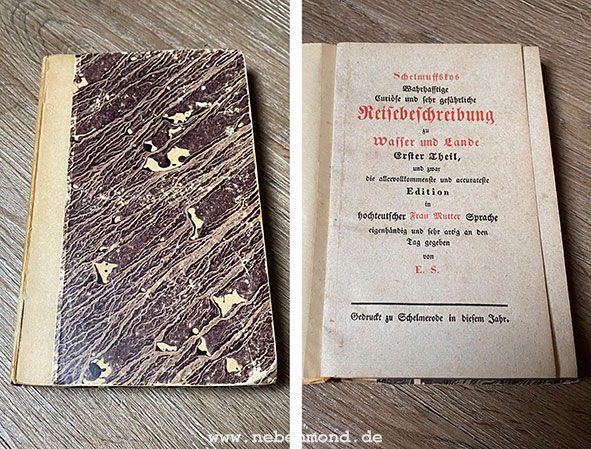
1848ref. 007337Leipzig, Breitkopf und Härtel, 1848. Marmorierter Pappband der Zeit, 160 / (8) 84 (30) Seiten, Kl.-8. Ausgabe: Breitkopf und Härtel (1848). Komplette Ausgabe: zwei Theile in einem Band. Erster Theil, und zwar die allervollkommenste und accurateste Edition in hochteutscher Frau Mutter Sprache eigenhändig und sehr artig an den Tag gegeben von E. S. / Gedruckt zu Schelmerode in diesem Jahr. Anderer Theil. Gedruckt zu Padua eine halbe Stunde von Rom bey Peter Martau in diesem Jahr. Bei der Ausgabe handelt es sich um die Fassung mit dieser Titelfolge: der Brief an den Gr. Mogul befindet sich im zweiten Teil nach dem Epigramm an den Räuber Barth. Einband an den Kanten etwas berieben. Die Seiten 13 und 113 sind unterhalb des Textblocks beschnitten. Insgesamt sehr gut erhaltenes Exemplar. Schöne Ausgabe mit marmoriertem Schnitt.
1815ref. FLFR0313Paris, Louis Janet o. J. [ca. 1815]. 12°. Gest. Titel, 164 S. Text, ohne die [6?] Kupfertafeln. Umlaufender Goldschnitt, Vorsätze mit Papiermoiréebezug, vorderer Spiegel mit Seidenschlaufe. Goldener OPappband mit aufkaschierten kol. Kupfertafeln auf den Deckeln u. kol. Bordüren a. Rücken. Im OSchmuckschuber mit aufkaschierten kol. Kupfertafeln, dieser leicht berieben. Buchblock stellenweise leicht gelockert. Innen a. d. Rändern leicht angegilbt. Sehr dekoratives Objekt. Der genaue Erscheinungsverlauf des vorliegenden Almanachs war für uns bibliographisch nicht eindeutig nachweisbar (1812 ?-1831?).
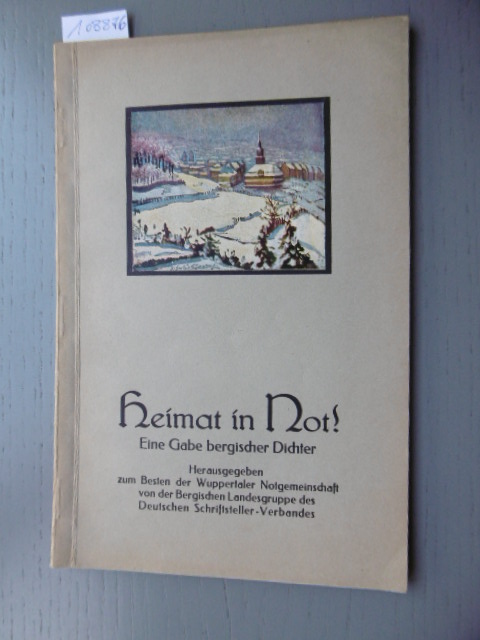
1932ref. 108876Barmen :: Montanus & Ehrenstein. 1932. 63 Seiten. 22cm. Zustand: Gut gering bis leicht gebräunt, Seiten oben rechts in der Ecke gering wellig (Innen); Einband Außen hat leichte Gebrauchsspuren; Hinterdeckel hat oben eine Feuchtigkeitsspur; Broschiert
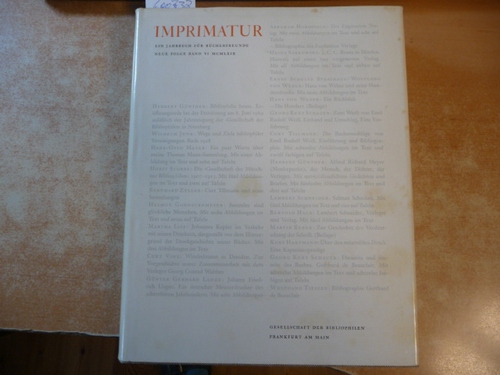
1969ref. 600732Frankfurt am Main: Verlag der Gesellschaft der Bibliophilen. 1969. 277; 34 Bildtafeln m. 82 Abb. 24cm. Zustand: Gut bis Sehr Gut min. bis gering gebräunt (Innen); Einband Außen hat geringe bis leichte Gebrauchsspuren; Schnitt oben mind. leicht fleckig; Deckel hat sehr wenige braunfleckige Stellen, sind schwer zu sehen; Schutzumschlag (hat leichte Gebrauchsspuren); Gewebe (HellBlauer Leinen oder Hellgrauer Leinen)
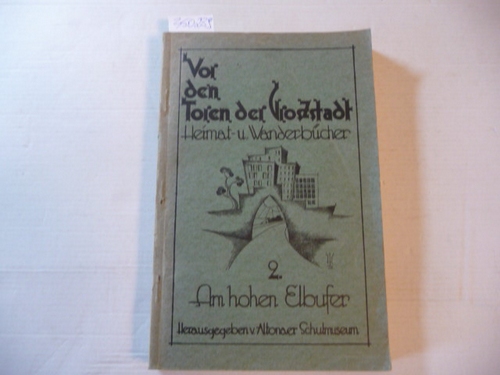
1930ref. 350289Hamburg-Altona: (Druck) Barkow. 1930. 294; 1 Karte. 22cm. Zustand: Gut gering gebräunt, Seite 261 bis 294 eher leicht gebräunt (Innen); Klammern etwas rostspurig; Einband Außen hat leichte Gebrauchsspuren; Buchrücken leicht lichtrandig; Buchrücken hat an einer Stelle eine Feuchtigkeitsspur; Schnitt ist im Durchschnitt geringfügig bis leicht braunfleckig; Broschiert
1992Rieti, Arti Grafiche Nobili, 1992, 8vo brossura con copertina illustrata, pp. 242, alcuni disegni e foto nel testo. Firma di possesso.
2020ill., ril. Il corpo in politica nel Novecento ha per emblema Mussolini, ma pochi sanno che il culto del capo ebbe inizio con la sacralizzazione del corpo di Oriani. Nel 1924 il corpo dello scrittore faentino era dissepolto e messo in un sarcofago esposto al Cardello, dov'era nato e vissuto (1852-1909). Nello stesso anno, a Mosca, il gruppo dirigente comunista sacralizzava Lenin, imbalsamandolo. Era l'inizio del primato del corpo in politica, che sarà alla base della ricerca di legittimità dei regimi totalitari, il fascismo e il comunismo sovietico. Ma Oriani eletto "precursore" del fascismo perdeva così la propria identità. Questo libro ricostruisce l'originalità di Oriani mettendo il corpo al centro dell'analisi: il corpo rappresentato nelle sue opere letterarie, quello recitato dal genio incompreso, quello di carne tentato dalla libertà. Tra i primi, Oriani ha saputo individuare nel nascente culto del corpo la polarità fra ozio dei ricchi e lavoro del proletariato, individuando una via di emancipazione sganciata da una logica di classe. La chiamò Rivolta ideale, guidata da una nuova "aristocrazia", aperta a tutti i singoli capaci di darsi una disciplina fisica e una coscienza. Il "matto" del Cardello aveva intuito, infatti, che la nuova tecnologia, come la bicicletta, potenziava il corpo, dandogli la forza di sfidare i fantasmi della notte, lo spazio e la fatica; di percepire inedite sensazioni intime: il vento sulla pelle e la velocità; e infine di costruire un tempo per sé.
1874in-8, pp. (4), 382, (2), legatura in tela figurata impressa in oro e a secco ai piatti (cerniere rotte). Ciascuna pagina entro cornice romantica. . Raineri Biscia n. 77..
Firenze, Stab. Tipografico Pisa & Lampronti, (1921), in-8, nato senza brossura, pp. (4). Con grande illustrazione di "Brivido" (attore sul proscenio che ringrazia il pubblico in platea) sulla prima pagina e programma della serata nelle pp. centrali. Brivido fu lo pseudonimo del giornalista e caricaturista Alberto Manetti (1887-1941), fondatore (1925) e direttore dell'omonimo giornale. Ottime condizioni.
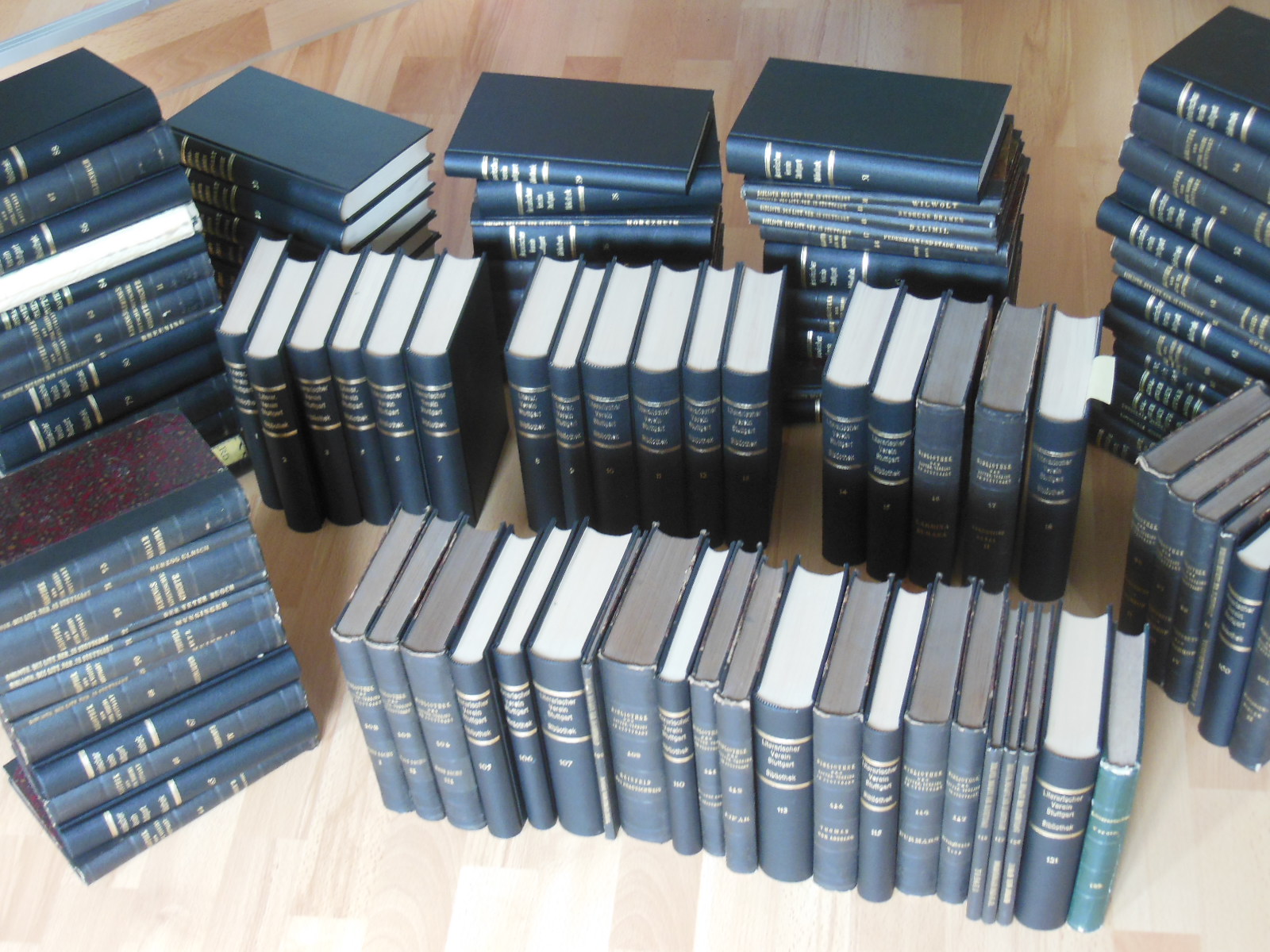
1843ref. 115748ABStuttgart, Tübingen:, 1843ff. 22 cm. Hln. und modernes Ln. mit Goldprägung. [7 Warenabbildungen] Wenige Einbände am Rücken oder am Gelenk lädiert. Bindung jedoch stets fest. Innen tls. wie üblich stärker braunfleckig. Solide Sammlung.
ref. 87617aafBulle, Les Hoirs de J. Perroud, s.d. (1934), in-8vo, 142 p., (Poèmes et prose en patois de la Gruyère de Biellmann, Genoud, Ruffieux, Gremion, Barras, Deillon, Plancherel, Brodard, Yerly, Murith, Castella, Vauthey) brochure originale. Exemplaire en bel état.
1789ref. 11982Nürnberg Officina Libraria Rigeliana, 1789. 436 S. 12° Duodez (Duodecimo) Hpgt.
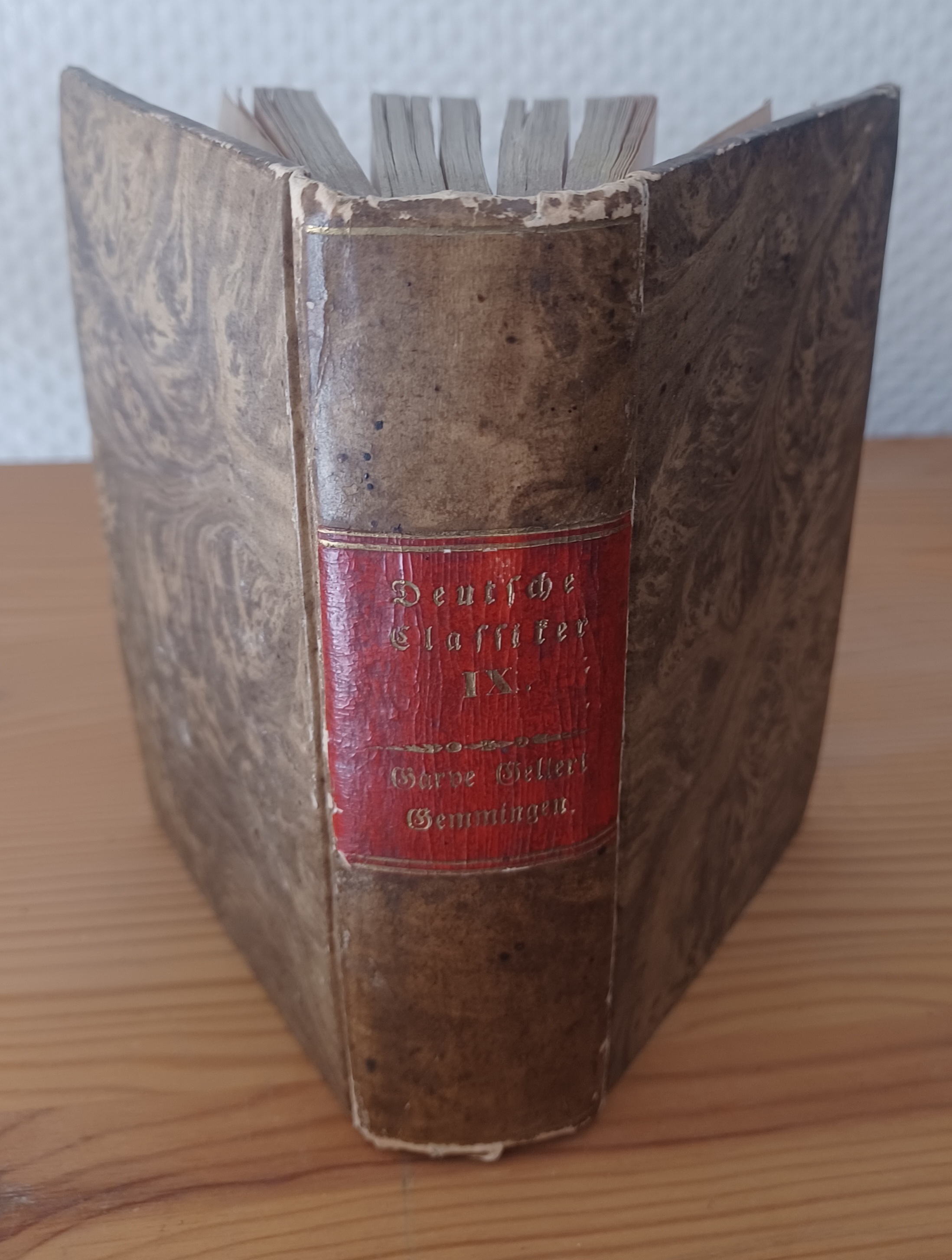
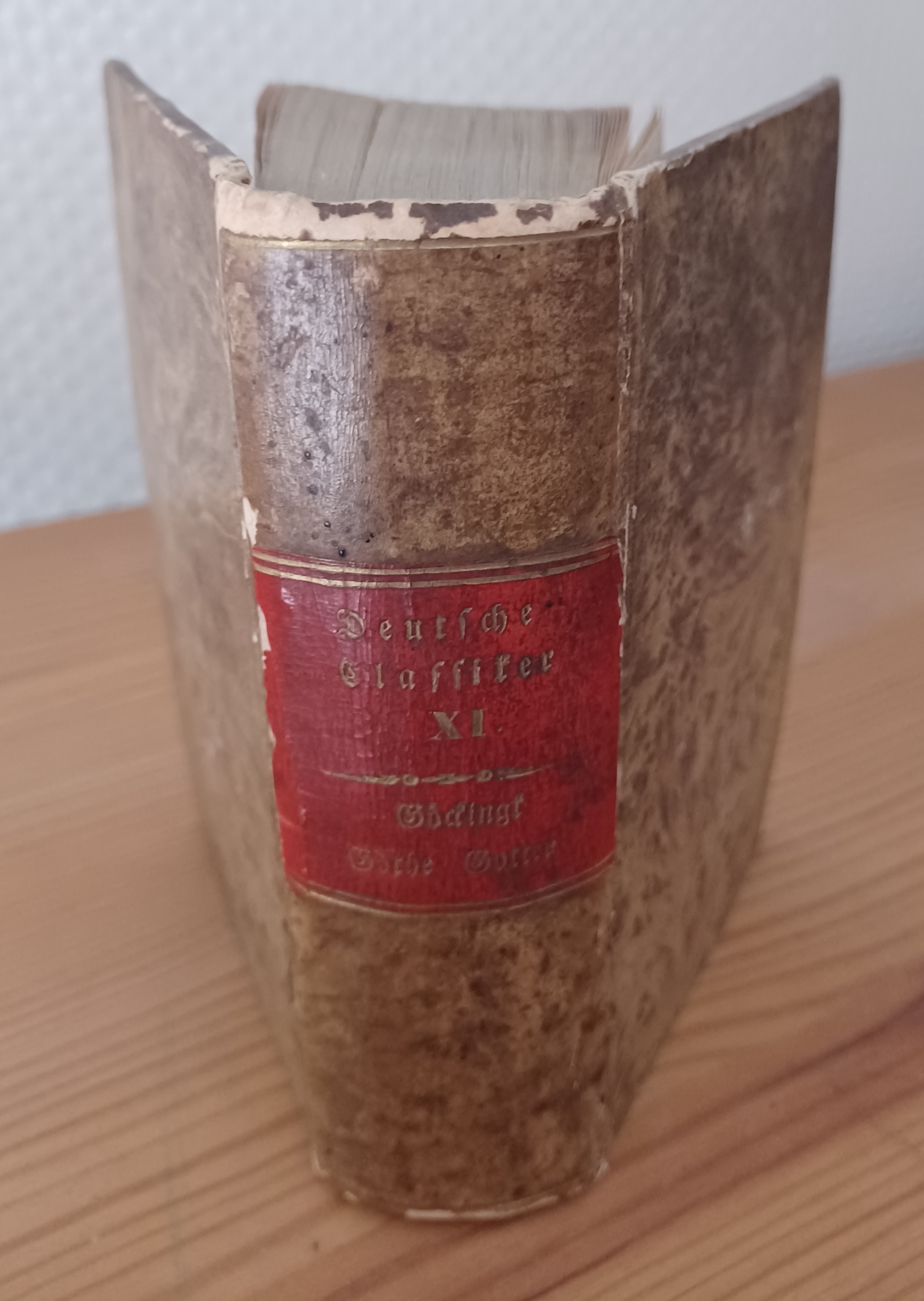
1829ref. 29666AHildburghausen, New-York:, Verlag vom Bibliographischen Institut., 1829/1831. Kl.8°. 119,143,94,126,143 S. Pappband der Zeit mit montiertem rotem goldgeprägtem Rückentitel. [2 Warenabbildungen] Einband leicht berieben, Ecken und Kapitale etwas bestoßen, Eigenvermerk auf fliegendem Vorsatz, papierbedingt leicht gebräunt, stellenweise leicht stockfleckig, insgesamt gut erhalten.
1829ref. 29665AHildburghausen, New-York:, Verlag vom Bibliographischen Institut., 1829/1830. Kl.8°. 126,122,208,96,125 S. Pappband der Zeit mit montiertem rotem goldgeprägtem Rückentitel. [3 Warenabbildungen] Einband leicht berieben, Ecken und Kapitale etwas bestoßen, Eigenvermerk auf fliegendem Vorsatz, papierbedingt leicht gebräunt, stellenweise leicht stockfleckig, insgesamt gut erhalten.