Baldasseroni, Prospero OmeroBiblio.com

306 resultados
2009ref. DADAX1104870851Kessinger Publishing 2009-08-10. paperback. New. 6.00x0.81x9.00. Buy with confidence. Excellent Customer Service & Return policy. Kessinger Publishing paperback
1784ref. 37819Pescia: per la Societ‡ Tipografica 1784. per la Societ‡ Tipografica unknown
1938(Collana : Biblioteca di cultura moderna - n. 321) (55f).
1936ref. 200120Lima: Antonio Lulli 1936. Paperback. Good Wraps are toned/edgeworn/scuffed/smudged; bookplate of former owner ifc; interior is toned with occasional smudging and foxing; binding is solid. Grey stapled wraps with black lettering and design; 24 pp.; richly illustrated. Text in Spanish. [Antonio Lulli] paperback
1936ref. 200120Lima: Antonio Lulli 1936. Paperback. Good Wraps are toned/edgeworn/scuffed/smudged; bookplate of former owner ifc; interior is toned with occasional smudging and foxing; binding is solid. Grey stapled wraps with black lettering and design; 24 pp.; richly illustrated. Text in Spanish. [Antonio Lulli] paperback books
1792ref. TNESBENE97Venice: Silvestri Gatti 1792. 1792. 2 Volumes in 1. 4to. pp. xvi 196; viii 304. with half-title in Vol. II. text in double columns. woodcut headpieces initials & title vignettes. contemporary half vellumn rubbed. Later edition of one of the Popes principal writings. "Great as a man a scholar an administrator and a priest Benedicts claim to immortality rests principally on his admirable ecclesiastical writings" of which this is one Catholic Encyc. First published in 1741 following his elevation to the Papacy it is an adaptation to diocesan administration of the general ecclesiastical law. Because of its influence this book is called by Schulte "one of the most important if not the most important modern work in canon law." Idem. Venice: Silvestri Gatti, 1792. hardcover
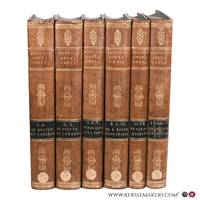
1763ref. 023278LOVANII (LOUVAIN) E TYPOGRAPHIA ACADEMICA 1763 Quatre forts volumes in-8°, [11] ff. (feuillet blanc, titre, préface, table) 512, X 564, VIII 565 et IV 516 pp. Reliure de l'époque en veau marbré d'époque, dos à nerfs orné de pièces de titre et de tomaison, caissons fleuronnés dorés, tranches marbrées, filet sur les coupes, gardes de papier marbré. (trois coiffes manquantes, plusieurs feuillets fortement brunis). Index en fin du tome IV (200 pp.). Cachet ancien sur les titres. Peu courant. Un des ouvrages les plus importants de Benoît XIV, pape " des lumières " et mécène.
1742ref. 81728Lovanii: Typis Martini van Overbeke 1742. 20 x 12 cm full leather 344 pages Text in Latin leather spine slightly damaged piece cut-out of endpaper stamp paper aged toned although condition still very good see picture. Typis Martini van Overbeke hardcover
1787ref. 79001Venetiis Venice: J. Remondini / A. Zatta 1787-1788. 39x26 cm half leather bindings with gilt decorations on the spines title labels and marbled paper-covered boards. Complete in 15 volumes bound in 6 physical tomes. Illustrated with some engravings in the text 7 plates and 5 folding engravings. Text in Latin. Bindings show small signs of wear labels on spines. with some rubbing on the corners and edges. Some volumes have some minor occasional stains and browning. Few pages with larger old waterstains not affecting the text. Although the set is in very good condition. Rare. See pictures. Contents: Volume 1 Tomi I-II: half-title portrait lxxxviii 363 folding engraving iv 380 pages. Volume 2 Tomi III-IV: iv 440 iv 476 pages. Volume 3 Tomi V-VII: 212 viii 2071 with 2 ill. in the text 7 plates and 4 folding engravings xii 215 1 pages. Volume 4 Tomi VIII-X: xx 240 iv 227 1 xii 284 pages. Volume 5 Tomi XI-XII: xx 218 iv 258 pages. Volume 6 Tomi XIII-XV: xii 246 ii 211 viii 158 pages. J. Remondini / A. Zatta hardcover
1761ref. R96528Lovanii [Leuven], Ex Typographia Academica 1761 Complete in 2 volumes: viii,532 + 580pp., contains an extensive index, 19cm., text in Latin, contemporary full leather bindings (raised spine with gilt decoration and title, small defect at lower end of spine of vol.1), text clean and bright with only few occasional foxing, old handwritten ex-libris on t.p., good condition, [Work in which Lambertini (1675-1758, pope from 1740 till his death) makes an attempt to reform and limit the calendar of feasts of the Church], R96528
1762ref. R96529Lovanii [Leuven], Ex Typographia Academica 1762 Complete in 2 volumes: xxxviii,502 + 551pp., contains an extensive index, 19cm., text in Latin, contemporary full leather bindings (raised spine with gilt decoration and title, corners bit bumped, small defect at upper end of front joint of vol.2), text clean and bright with only few occasional foxing, old handwritten ex-libris on t.p., good condition, R96529
1770ref. 43002Roma: Salvioni nella Sapienza 1770. Pp. 8. Unito a: PIZZI GIOACCHINO Romano. Per la venuta in Roma della Sacra Reale Cesarea Maestà di Giuseppe II… e per le feste date in sì fausta occasione. Sonetti… In Roma Salomoni 1769. Pp. 8. Due opere in un volume di cm. 26 leg. ottocentesca in cart. rigido decorato. Ben conservato. Salvioni nella Sapienza unknown
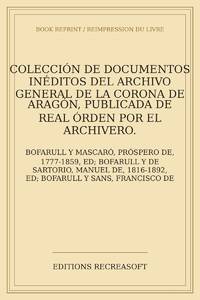
2026ref. LRB30002129Paris: Editions Recreasoft 2026 Idioma: Español. Aproximadamente 522 páginas. Volumen 16 de una obra en varios volúmenes. / Volume 16 of a multi-volume work. Español : Reimpresión bajo demanda. Edición original : 1847. Obra en español. Esta colección de documentos inéditos del Archivo General de la Corona de Aragón publicada por orden real es una obra fundamental para el estudio de la historia de la Corona de Aragón. Compilada y editada por los archiveros Próspero de Bofarull y Mascaró Manuel de Bofarull y de Sartorio y Francisco de Asís de Bofarull y Sans la obra recopila una amplia variedad de documentos históricos de gran valor para los investigadores. Imágenes del libro no contractuales English: Print-on-demand reprint. Original edition : 1847. Text in Spanish. This collection of unpublished documents from the General Archive of the Crown of Aragon published by royal order is a fundamental work for the study of the history of the Crown of Aragon. Compiled and edited by the archivists Próspero de Bofarull y Mascaró Manuel de Bofarull y de Sartorio and Francisco de Asís de Bofarull y Sans the work gathers a wide variety of historical documents of great value for researchers. Book images are non-contractual. Editions Recreasoft. Softcover. New. Editions Recreasoft paperback
ref. 3388471207.Gpaperback. Good. Access codes and supplements are not guaranteed with used items. May be an ex-library book. paperback
ref. 3388491208.Ghardcover. Good. Access codes and supplements are not guaranteed with used items. May be an ex-library book. hardcover
1836ref. 1230BARCELONA: de Juan Oliveres y Monmany 1836. 4º alargado.- 2 volúmenes.- 254 y 381 pags.- rustica cubiertas originales. Ejemplar con todos los margenes y barabas sin corte. de Juan Oliveres y Monmany unknown
1988ref. 2371117Barcelona.: Fundación Conde de Barcelona. 1988. Paperback. Good. 22 cm. 2 v. Encuadernación en tapa blanda de editorial. Bofarull y Mascaró Próspero de 1777-1859. Prólogo de Federico Udina Martorell. Reprod. facs. de la ed. de:. Barcelona : Imprenta de J. Oliveres y Monmary 1836. Barcelona Condes de. Aragón Reino. Reyes y soberanos. Cataluña. Historia. S. V-XV. Udina i Martorell Frederic. 1914-2011 . Depósito legal: B 15006-1988 Nobleza. Comunidad autónoma de Cataluña. 929.732460.23 929.7 Historia de la Edad Media y Moderna. Comunidad autónoma de Cataluña. Siglo V.-Siglo XV. 94460.23"04/14" 94 Genealogía especial. Historia familiar. Barcelona Condes de 929.52 Barcelona Condes de 929.52 Fundación Conde de Barcelona. paperback
1836ref. 20911PRIMERA EDICION ORIGINAL.- Barcelona: Imp. de J. Oliveres y Monmany 1836.- 2 Vols. vol. I: 4 h. 12 p. 29 p. XII p. 254 p.; vol. II: 2 h. 381 p.: el vol. I con una tabla cronológica un grabado al cobre de Wifredo I y un grabado al cobre plegado del Mirhab de la mezquita de la ciudad de Tarragona el vol. II con un cuadro genealógico; 4º 23 cm.; Magnífica impresión sobre excelente papel de hilo blanco y terso; Enc. en Tela de color rojo.- IMPECABLE ESTADO. GENEALOGÃA HERÃLDICA NOBILIARIA ÓRDENES MILITARES MEDALLAS BANDERAS. Libro en español Imp. de J. Oliveres y Monmany hardcover
2026ref. LRB6001913Paris: Editions Recreasoft 2026 Idioma: Español. Aproximadamente 564 páginas. Español : Reimpresión bajo demanda. Edición original : 1847-. Estudio histórico-documental de gran interés para el conocimiento de las antiguas cortes y parlamentos de Cataluña Aragón y Valencia. La obra reúne procesos conservados en el Archivo General de la Corona de Aragón y constituye una referencia valiosa para la historia institucional jurídica y política de la Corona de Aragón así como para la investigación sobre sus tradiciones parlamentarias y su organización medieval y moderna. Imágenes del libro no contractuales English : Print-on-demand reprint. Original edition : 1847-. Historical-documentary work of great interest for the study of the ancient courts and parliaments of Catalonia Aragon and Valencia. The volume brings together proceedings preserved in the General Archive of the Crown of Aragon and is an important reference for institutional legal and political history as well as for research into the parliamentary traditions and medieval and early modern organization of the Crown of Aragon. Book images are non-contractual. Editions Recreasoft. Softcover. New. Editions Recreasoft paperback
2026ref. LRB6023219Paris: Editions Recreasoft 2026 Idioma: Español. Aproximadamente 606 páginas. Español : Reimpresión bajo demanda. Edición original : 1847. Obra de referencia dedicada a los procesos y actos de las antiguas Cortes y Parlamentos de Cataluña Aragón y Valencia conservados en el marco de los archivos de la Corona de Aragón. Interesante para la historia institucional el derecho público medieval y moderno así como para la investigación sobre las tradiciones políticas de los antiguos reinos de la península ibérica. Imágenes del libro no contractuales English : Print-on-demand reprint. Original edition : 1847. Reference work devoted to the proceedings and acts of the ancient Courts and Parliaments of Catalonia Aragon and Valencia preserved within the archives of the Crown of Aragon. Of interest for institutional history medieval and modern public law as well as for research into the political traditions of the former kingdoms of the Iberian Peninsula. Book images are non-contractual. Editions Recreasoft. Softcover. New. Editions Recreasoft paperback
1991In folio; 231, (1) pp. Legatura editoriale con sopraccoperta editoriale. Importante opera di storia locale che ripercorre la vita e le gesta di numerosi personaggi nati in quelle terre. Personaggi di Pegognaga, S. Prospero, Suzzara, Villa Saviola, Brusatasso, S. Benedetto Po, Portiolo, Polesine, Scorzarolo, Tabellano, Monteggiana ecc.
First (NAP) edition. Illustrated paper boards, quarter green cloth, thick paper issue. Large Post 8vo. pp. 143. VG+/No jacket. Slight dye loss to top of spine, traces of edgewear, one rear nick to boards, internally NF. [BL-En] Eight tales.
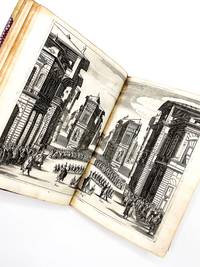
1620ref. 50700Firenze Florence: Pietro Cecconcelli 1620. Second state. Very good. First edition of this landmark neoclassical tragedy - the first documented performance using moveable scenes - with exquisite double-page etchings of the stage by an influential innovator of the form. First performed in Florence in 1619 IL SOLIMANO was a turning point in modern European theater. Bonarelli not only rejected the chorus format of the long-established ancient Greek model but made use of extravagant set design to tell his political-historical drama. Bonarelli based the tragedy loosely on Suleiman the Magnificent the famed Turkish sultan of the 16th century under whose rule the Ottoman Empire experienced a Golden Age of the arts. The story of a tyrant who puts to death his eldest son IL SOLIMANO culminates in the awe-inspiring destruction of the city by fire. Otto Benesch calls the moveable scenes created for the performance "the first in the history of theatre" 17 and notes that despite the ostensibly Turkish setting these sets depict early modern Florence. A mixture of neoclassicism and orientalism IL SOLIMANO captured the imagination of Europe going through multiple editions over the century and inspiring further plays and operas. This first edition remains highly sought for its Callot plates that not only depict the innovative set but show many of the subtleties of style and technique that Callot pioneered under the patronage of the Medicis. His well-known mastery of stoppings out for example is evident in the final plate of the city in flames where tendrils of smoke and individual bursts of fire cross the scene in a variety of depth light and shade. An important work in both the history of theater and of the graphic arts. Quarto 8.75'' x 6.45''. Later half parchment with marbled boards gilt-ruled spine red goatskin spine label. Complete with six plates by Callot engraved title page and 5 double-page etchings. Engraved title with Callot's name in bottom left. 10 162 2 pages. Repairs in gutters of a number of leaves including reinforcements or new stubs to engraved spreads. Light scattered foxing spot of browning to title page gutter. Engravings crisp. Pietro Cecconcelli unknown
1620ref. 50700Firenze Florence: Pietro Cecconcelli 1620. Second state. Very good. First edition of this landmark neoclassical tragedy - the first documented performance using moveable scenes - with exquisite double-page etchings of the stage by an influential innovator of the form. First performed in Florence in 1619 IL SOLIMANO was a turning point in modern European theater. Bonarelli not only rejected the chorus format of the long-established ancient Greek model but made use of extravagant set design to tell his political-historical drama. Bonarelli based the tragedy loosely on Suleiman the Magnificent the famed Turkish sultan of the 16th century under whose rule the Ottoman Empire experienced a Golden Age of the arts. The story of a tyrant who puts to death his eldest son IL SOLIMANO culminates in the awe-inspiring destruction of the city by fire. Otto Benesch calls the moveable scenes created for the performance "the first in the history of theatre" 17 and notes that despite the ostensibly Turkish setting these sets depict early modern Florence. A mixture of neoclassicism and orientalism IL SOLIMANO captured the imagination of Europe going through multiple editions over the century and inspiring further plays and operas. This first edition remains highly sought for its Callot plates that not only depict the innovative set but show many of the subtleties of style and technique that Callot pioneered under the patronage of the Medicis. His well-known mastery of stoppings out for example is evident in the final plate of the city in flames where tendrils of smoke and individual bursts of fire cross the scene in a variety of depth light and shade. An important work in both the history of theater and of the graphic arts. Quarto 8.75'' x 6.45''. Later half parchment with marbled boards gilt-ruled spine red goatskin spine label. Complete with six plates by Callot engraved title page and 5 double-page etchings. Engraved title with Callot's name in bottom left. 10 162 2 pages. Repairs in gutters of a number of leaves including reinforcements or new stubs to engraved spreads. Light scattered foxing spot of browning to title page gutter. Engravings crisp. Pietro Cecconcelli unknown books
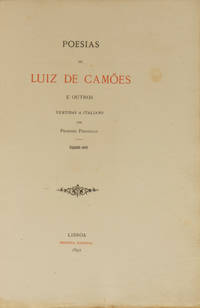
ref. 2505PG001E outros. Vertidas a italiano por Prospero Peragallo. Segunda serie. Imprensa Nacional. Lisboa. 1892. De 286x20 cm. Com ii 144 págs. Magnífica encadernação artística da época inteira de marroquim vermelho com nervos e ferros a ouro em casas fechadas título com ferros a ouro na segunda casa e a data no pé da lombada. Pastas com esquadrias constituídas por dois filetes a seco e três filetes a ouro que enquadram molduras com elaborados ferros a ouro com motivos vegetalistas similares aos dos cabeções e vinhetas do livro que cobrem também as seixas. Cortes das folhas dourados à cabeça e por aparar nos restantes cortes. Folhas de guarda em papel de seda moirée. Exemplar n.º 123 da tiragem de apenas 150 impresso em papel de linho branco. Tem a folha com o colofon na frente e o verso em branco encadernada no início e não no fim como devia ser. Muito rara. Não existem exemplares nas principais bibliotecas de Portugal com a excepção da BNP que possui 4. Edição esplêndida comemorativa do décimo segundo aniversário do Tricentenário de Camões que foi patrocinada por António Augusto Carvalho Monteiro a quem o autor dedica a sua obra. Bela e nítida impressão em caracteres redondos com a letra inicial de cada poema a vermelho cabeções no início do prefácio nas duas páginas do início do episódio dos Lusíadas e vinhetas de remate no fim de todas as poesias. Edição bilingue com os textos originais em português impressos nas páginas da esquerda e as respectivas traduções em italiano nas páginas da direita. As páginas 1 a 10 compreendem a folha de anterrosto com a justificação da tiragem na página 2 a folha de rosto com a 4 em branco a página 5 apresenta a dedicatória impressa do autor a A. A. de Carvalho Monteiro possuidor de uma magnífica biblioteca camoniana página 6 em branco página 7 com o prefácio datado de 28 de Março de 1892 a página 8 em branco. Na página 9 Começa o texto com o título da primeira peça até à página 141. Página 142 em branco e as páginas 143 a 144 com o índice. Inclui o episódio da Batalha do Salado dos Lusíadas Canto III 101-117; 29 sonetos; a Ode III Se do meu pensamento; a Canção XVII A vida já passei assás contente; e três Redondilhas. A partir da página 126 até à página 141 inclui as seguintes poesias camonianas de outros poetas: Soneto de Bocage em louvor de Camões; Soneto à Fonte dos Amores de um anónimo e outro de Elpino Duriense; poesia à Fonte das Lágrimas de Garret; e poesia à Fonte dos Amores de Soares de Passos. Prospero Luigi Peragallo Génova 1823 - Génova 1916 Estudou na escola do Seminário Arquiepiscopal de Génova e no noviciado dos Franciscanos Reformados na mesma cidade onde mudou o seu nome de Luigi para Prospero que passou a usar toda a vida. Foi ordenado sacerdote em 19 de Setembro de 1846 e incardinado no clero secular da diocese de Génova em 1858. Na sua cidade natal foi professor do ensino secundário. Chegou a Lisboa em Agosto de 1865 para prencher o munus de pároco e Reitor da Igreja do Loreto em Lisboa que desempenhou até Julho de 1896 data em que voltou para a sua terra natal. Foi um dos sócios fundadores da Sociedade de Geografia. Dedicou um grande interesse à figura de Cristóvão Colombo e à literatura portuguesa que divulgou em Itália mediante numerosas traduções e estudos de escritores portugueses. Brito Aranha continuador do Dicionário Bibliográfico de Inocêncio elenca 34 obras de Peragallo até 1904 tendo consciência que não as conhecia todas. Escreveu obras de caracter didáctico e religioso em italiano enquanto viveu em Génova. Depois de vir para Portugal escreveu obras sobre Cristóvão Colombo sobre italianos que viveram em Portugal nomeadamente influindo nos descobrimentos e um Manual do Christianismo para a Missa Confissão e Comunhão com pelo menos 10 edições a partir de 1881 além de ter muito colaboração dispersa por diversas publicações periódicas nomeadamente sobre música no períódico A Arte Musical onde publicou 16 artigos. Mas destacou-se especialmente pelas suas numerosas traduções para italiano de muitos poetas portugueses em especial de Camões publicadas em revistas jornais obras colectivas e em livro as quais elencamos a seguir: O soneto de Luiz de Camões: Alma minha gentil Traduzido em verso italiano Lisboa. Casa Portuguesa. 1884 e 1903; Sonetos escolhidos de Luiz de Camões traduzidos em sonetos italianos. Lisboa. Empreza Editora de Francisco Arthur da Silva. Lisboa typ. Elzeveriana. 1885; Poesias de Luiz de Camões e outras vertidas a italiano. Lisboa imprensa Nacional. 1890; O gigante Adamastor. Episodio dos Lusiadas de Luís de Camões com a traducção em versos italianos de Prospero Peragallo e um prefacio de Xavier da Cunha. Lisboa typ. Castro Irmão 1898; Due episodi del poema I Lusiadi di Camões: ed altri poeme stranieri colla traduzione in versi italiani per Prospero Peragallo. Genova: Stab. Tipografico Ved. Papini & Figlio 1905. EN 28.6x20 cm. ii 144 pages. Magnificent contemporary artistic binding in full red morocco with raised bands and gilt tools at spine title in the second panel and the date at the foot of the spine. Covers with frames made up of two blind fillets and three gold fillets with elaborate gilt work with plant motifs similar to those of the book's headpieces and vignettes which also cover the panels. Trimmed gilt top untrimmed in the remaining edges. Moirée silk endpapers. Copy no. 123 of a print run of only 150 printed on white linen paper. It has the colophon on the front with blank back bound at the beginning and not at the end as it should be. Very rare. There are no copies in the main libraries in Portugal with the exception of the National Library which has four. A splendid edition commemorating the twelfth anniversary of the Camões Tricentenary sponsored by António Augusto Carvalho Monteiro to whom the author dedicates his work. Beautiful clear printing in round characters with the initial letter of each poem in red headpieces at the beginning of the preface on the two pages at the beginning of the episode of the Lusiads and closing vignettes at the end of all the poems. Bilingual edition with the original texts in Portuguese printed on the left-hand pages and the respective Italian translations on the right-hand pages. Pages 1 to 10 comprise the title page with the justification for the print run on page 2 the title page with page 4 blank page 5 with the author's printed dedication to A. A. de Carvalho Monteiro possessor of a magnificent Camonian library page 6 blank page 7 with the preface dated 28 March 1892 page 8 blank. Page 9 begins with the title of the first play until page 141. Page 142 blank and pages 143 to 144 with the table of contents. It includes the episode of the Battle of Salado from the Lusiads Canto III 101-117; 29 sonnets; Ode III Se do meu pensamento; Song XVII A vida já passei assás contente; and three Redondilhas. From page 126 to page 141 it includes the following Camonian poetry by other poets: Soneto de Bocage in praise of Camões; Soneto à Fonte dos Amores by an anonymous author and another by Elpino Duriense; poesia à Fonte das Lágrimas by Garret; and poesia à Fonte dos Amores by Soares de Passos. Prospero Luigi Peragallo Genoa 1823 - Genoa 1916 studied at the school of the Archiepiscopal Seminary of Genoa and at the novitiate of the Reformed Franciscans in the same city where he changed his name from Luigi to Prospero which he used all his life. He was ordained a priest on 19 September 1846 and incardinated into the secular clergy of the diocese of Genoa in 1858. In his hometown he was a secondary school teacher. He arrived in Lisbon in August 1865 to take up the post of parish priest and Rector of the Church of Loreto in Lisbon which he held until July 1896 when he returned to his homeland. He was one of the founding members of the Geographical Society. He took a great interest in the figure of Christopher Columbus and in Portuguese literature which he publicised in Italy through numerous translations and studies of Portuguese writers. Brito Aranha continuator of Inocêncio's Bibliographical Dictionary lists 34 works by Peragallo up to 1904 realising that he didn't know them all. He wrote didactic and religious works in Italian while living in Genoa. After coming to Portugal he wrote works on Christopher Columbus on Italians who lived in Portugal namely influencing the discoveries and a Manual do Christianismo para a Missa Confissão e Comunhão with at least 10 editions from 1881 onwards as well as his many collaborations in various periodicals particularly on music in the periodical A Arte Musical where he published 16 articles. But he stood out especially for his numerous translations into Italian of many Portuguese poets especially Camões published in magazines newspapers collective works and books which we list below: Luiz de Camões somnet: Alma minha gentil Translated into Italian verse Lisboa. Casa Portuguesa. 1884 e 1903; Selected sonnets by Luiz de Camões translated into Italian sonnets . Lisboa. Empreza Editora de Francisco Arthur da Silva. Lisboa typ. Elzeveriana. 1885; Poems by Luiz de Camões and others translated into Italian . Lisboa imprensa Nacional. 1890; The giant Adamastor. Episode from the Lusiadas by Luís de Camões with the Italian verse translation by Prospero Peragallo and a preface by Xavier da Cunha. Lisboa typ. Castro Irmão 1898; Due episodi del poema I Lusiadi di Camões: ed altri poeme stranieri colla traduzione in versi italiani per Prospero Peragallo. Genova: Stab. Tipografico Ved. Papini & Figlio 1905. Referências/References: Pe. Sérgio Filippi - Monsignor Prospero Peragallo. Fábrica da Igreja Italiana do Loreto. Lisboa. 2017 212 e 280. Vitor Aguiar e Silva - Dicionário de Luís de Camões. Caminho. Lisboa. 20 p. 1321. Inocêncio XVIII 12-15 pág. 14 n.º 17 José do Canto - Colecção Camoniana. Imprensa Nacional. Lisboa. 1895. Edição fac-similada 1972 n.º 231 exemplar n.º 25. M-11-C-78 hardcover