[SURREALISM; DADAISM]. ROCHE, JULIETTEBiblio.com
571 résultats
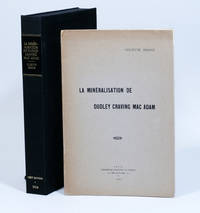
1924réf. 2729Paris: Imprimerie Croutzet et Depost 1924. First edition. Original wrappers. Very Good. FIRST EDITION of Roche's surreal dadaist roman à clef exposing the misogynistic world of the French avant-garde. With annotations likely in Roche's hand. Like too many women artists of the early twentieth century French writer and artist Juliette Roche 1884 - 1980 has been long overshadowed by her male contemporaries. Roche came of age amidst leading artistic and literary salons of early 20th century Paris. She studied at Académie Ranson then considered the absolute best art school in Paris and was an early adopter of Cubism. However she is most closely associated with Dadaism. Despite Dada being a movement of absolute rebellion it harbored the normalized misogyny of the early twentieth century. Roche's most explicit critique of this discrepancy of rebellion vs repression can be found in La Minéralisation de Dudley Craving Mac Adam her groundbreaking novella. Part satire and part Dada nonsense the thinly veiled roman à clef is a prime example of the daring poetic style that Roche developed while living in New York during World War I. Having watched artistic vanguards come and go in Paris' salons and exhibitions Roche observed the New York City hijinks of Francis Picabia French 1879 - 1953 and Marcel Duchamp 1887 - 1968 with a level of detachment that alluded their American peers. She had close access to Picabia perhaps too close: in 1917 he and his wife Gabrielle Buffet-Picabia moved into an apartment directly beneath one Roche shared with her husband Albert Gleizes a French artist and philosopher who helped popularize Cubism on the Upper West Side. While Roche admired Picabia's iconoclasm she was disturbed by the misogyny she saw in works like his manometres where woman as 'la machine' was at best a manipulable object at worst the butt of a private joke. If taking Roche's ambivalence towards and her neighborly proximity to Picabia into consideration the novella could be inspired in part by an age-old story: pure contempt of one's neighbor. The novella is an indirect indictment of certain illicit behaviors Roche found annoying and dangerous. She synthesizes her fellow expatriates' personalities and physical traits to create the decadent Mac'Adam and the men he encounters on the day of his demise. Picabia becomes Mac'Adam. Swiss writer and boxer Arthur Craven 1887 - 1918 lends his name to the protagonist while becoming Lloyd Willow. Juliette Roche herself appears as Juliette Granite a play on words since roche means rock in French. Roche spins the narrative in poetic and surreal fragments at turns absurd and others told in a stream-of-consciousness style. La Minéralisation moves beyond conventional storytelling to allow readers into the minds of her characters through rich interior monologues revealing in each case her estimation of the particular model's idiosyncrasies. Roche seemed to find the antics of the all-male world of the Dadaists to be too limited and they're wickedly satirized among these pages. Written in ink on the first page is "Publié dans 'La Vie des Lettres' en 1921 / New York 1918" and there are a few words written on page 20 in the same hand. It appears to be Roche's handwriting from the few samples we've seen but we can't guarantee it. Paris: Imprimerie Croutzet et Depost 1924. Thin octavo 33pp terminal blank original printed wrappers stapled as issued; custom box. Small tear and split at top of spine; a near-fine extremely well-preserved copy. EXCEEDINGLY RARE: We can find records of no other copies that have been on the market. References: Burke Carolyn "Recollecting Dada: Juliette Roche." Women in Dada: Essays on Sex Gender and Identity edited by Naomi Sawelson-Gorse MIT Press 1998 557. Imprimerie Croutzet et Depost unknown
1966réf. 99643Zürich, Sanssouci, [ 1966]. 92 S. Mit Illustr. u. Faksimiles im Text u. zahlr. Abb. auf Tafeln (= Sammlung Horizonte). 15,5 x 14,5 cm. OLn.
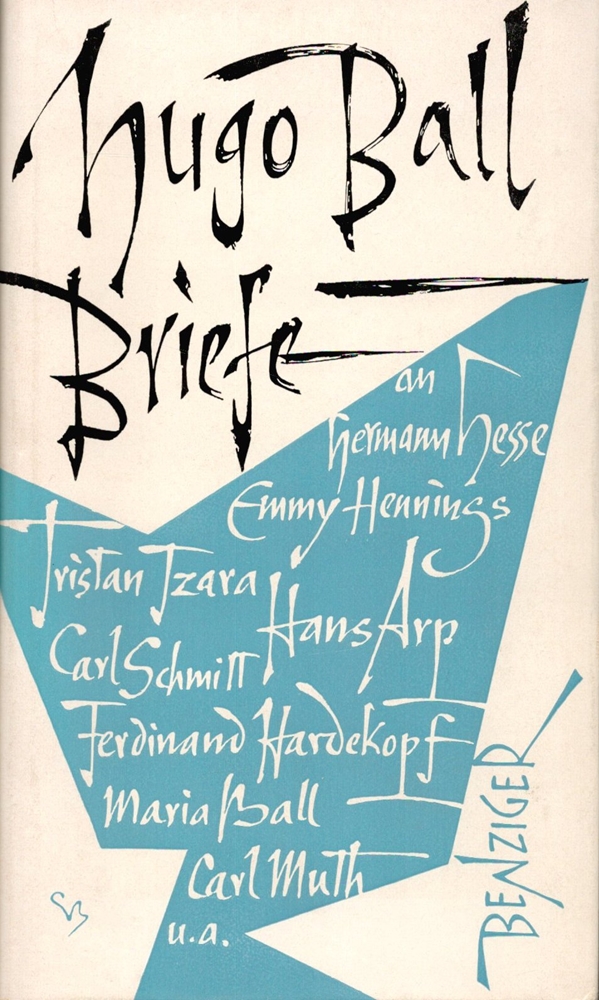
1957réf. 13611Einsiedeln, Benziger Verlag, ( 1957). 315 S. Mit 12 Abb. a. Taf. 21 cm. OLn.
1981réf. 74504Brühl, Max-Ernst-Kabinett, [1980/1981]. 160 S.(durchgehend paginiert). Mit zahlr. s/w.Abb. 4to (30 cm). OBroschuren m. Klemmschienen.
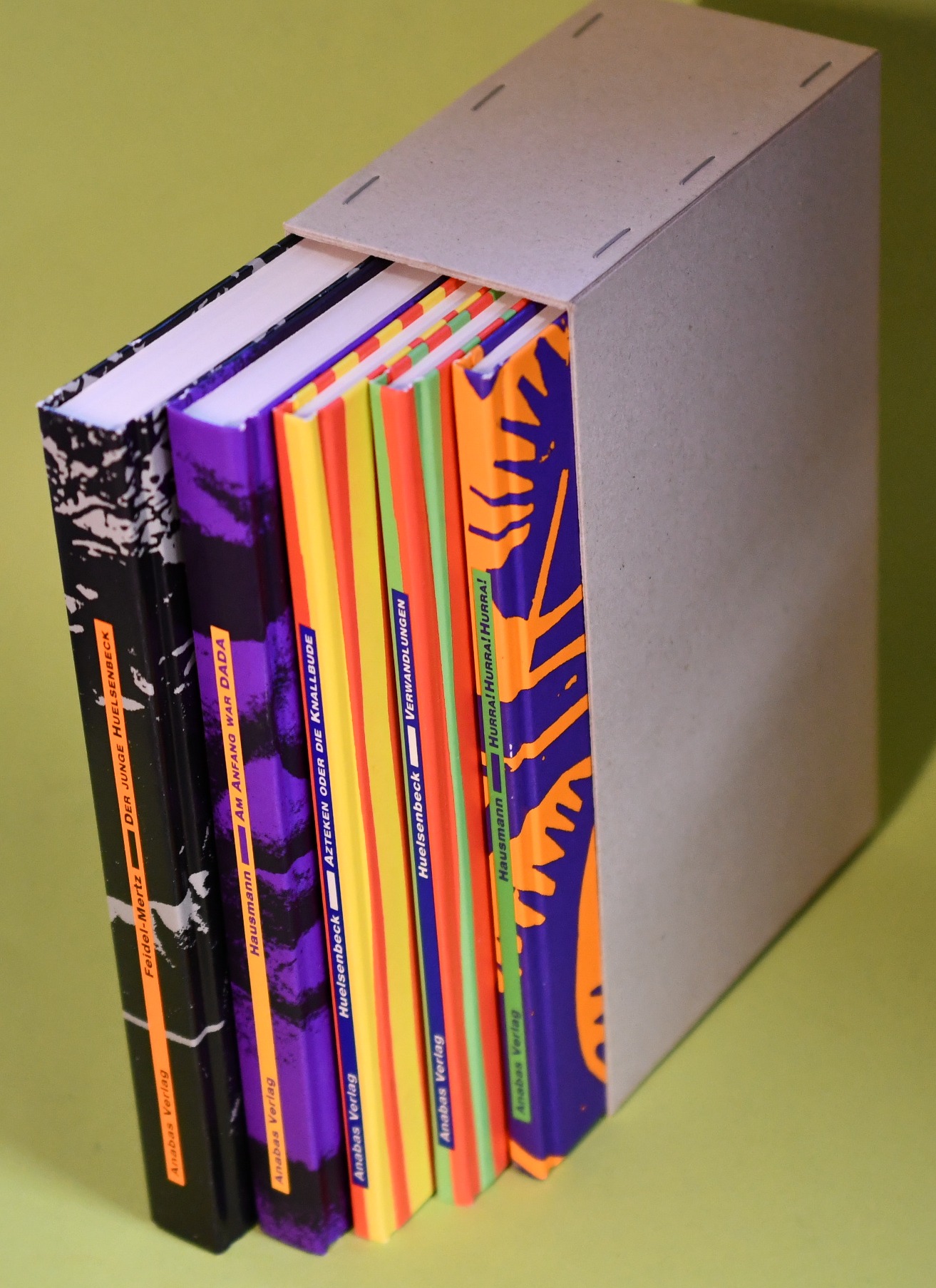
1992réf. 82450Gießen, Anabas-Verlag 1992. etwa 640 S., 22cm Pappe [2 Warenabbildungen] 0
2008réf. 58624BBDüsseldorf, Galerie Remmert und Barth, 2008. Groß-8°. 24,5 cm. 144 Seiten. Original-Pappband. Original-Schutzumschlag. Hannah Höch, eigentlich Anna Therese Johanne Höch,geboren am 1. November 1889 in Gotha; gestorben am 31. Mai 1978 in Wes
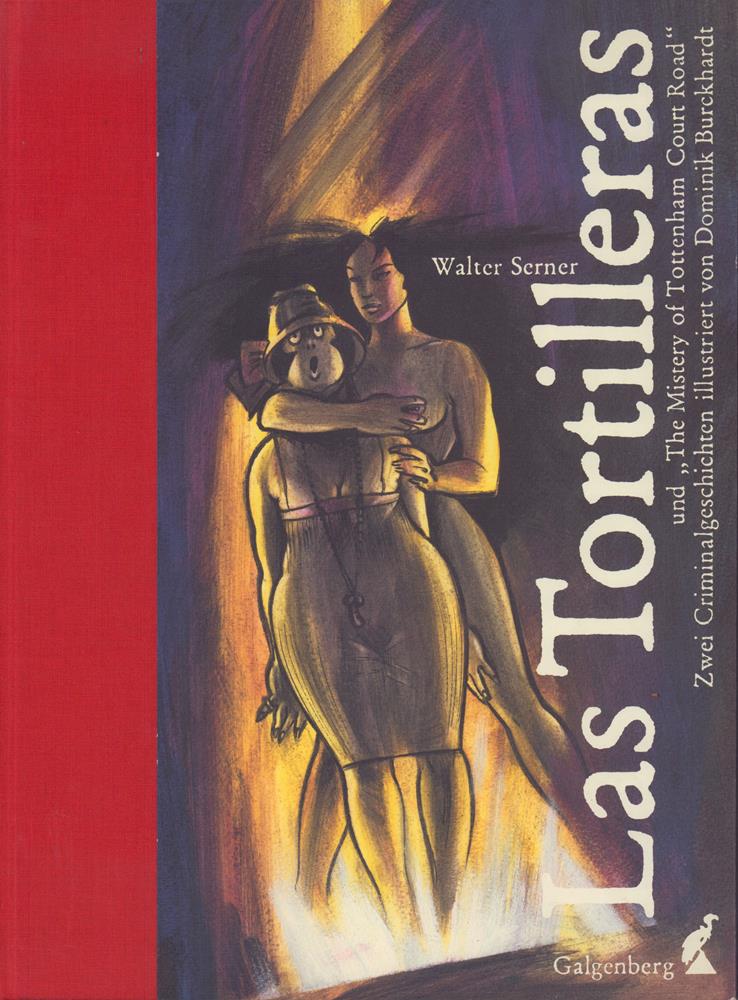
1991réf. 68164(Hamburg, Verlag am Galgenberg, 1991). 55 S. Mit zahlr. farb. Illustr. 4to (31 x 23,5 cm). Farb. illustr. OHLn.
2013réf. 78890(Paris, Orbis Pictus Club, 2013). 12 nn. illustr. S. Quer-Gr.-8vo (20,5 x 24,5 cm). OKart.
1921réf. 66464München, Kurt Wolff, 1921. 129 S. Mit 8 ganzseit. Illustr. Gr.-8vo (ca. 25,5 x 19 cm). OHLn.
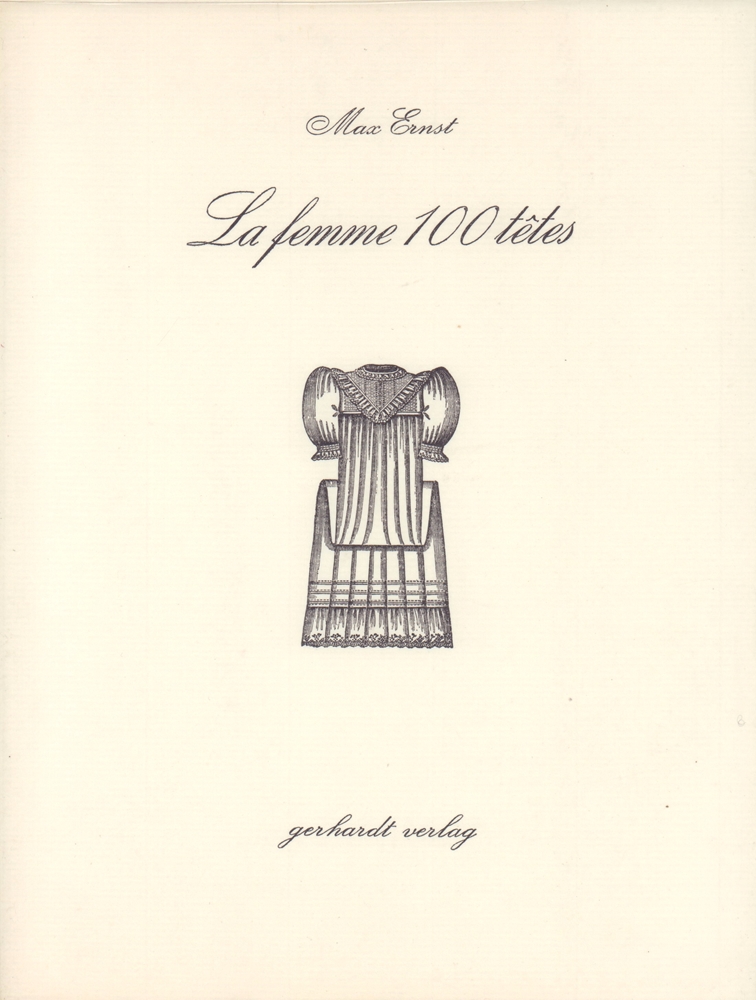
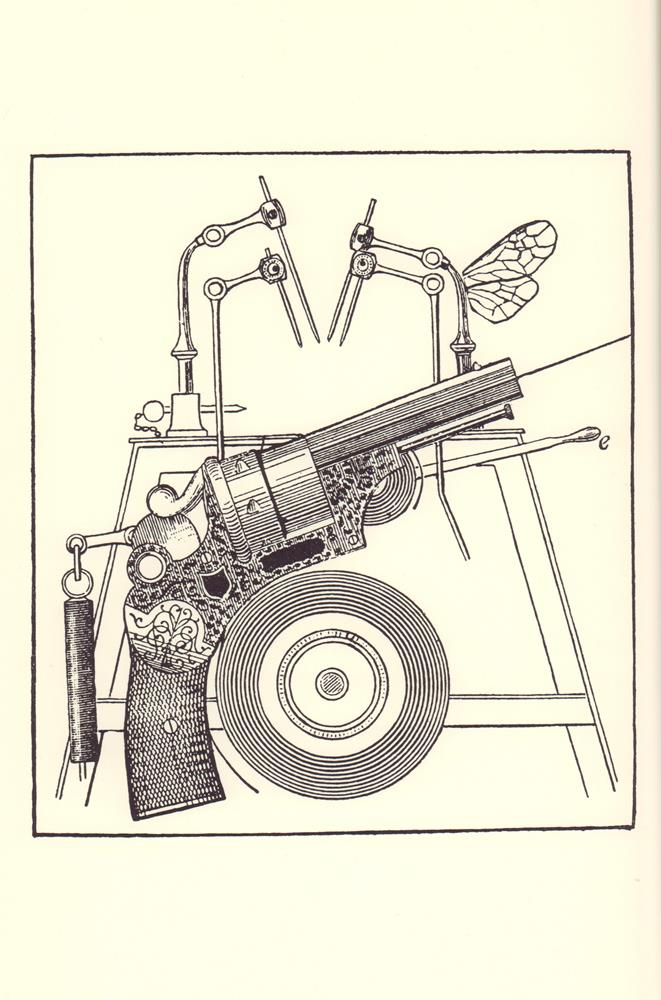
1962réf. 71140(Berlin), Gerhardt Verlag, (1962). 328 nn. S. Mit sehr zahlr. Abb. Gr.-8vo (25 x 19 cm). Illustr. OKart.
1960réf. 71638[Köln, Galerie der Spiegel, 1960]. [25] Doppelbl. (Blockbuchbindung). Mit 21, teils ganzseitigen s/w Zinkätzungen nach Collagen von Max Ernst und mit Texten von Max Ernst u. Paul Eluard. 4to (32 cm). Illustr. Orig. Engl. Broschur.
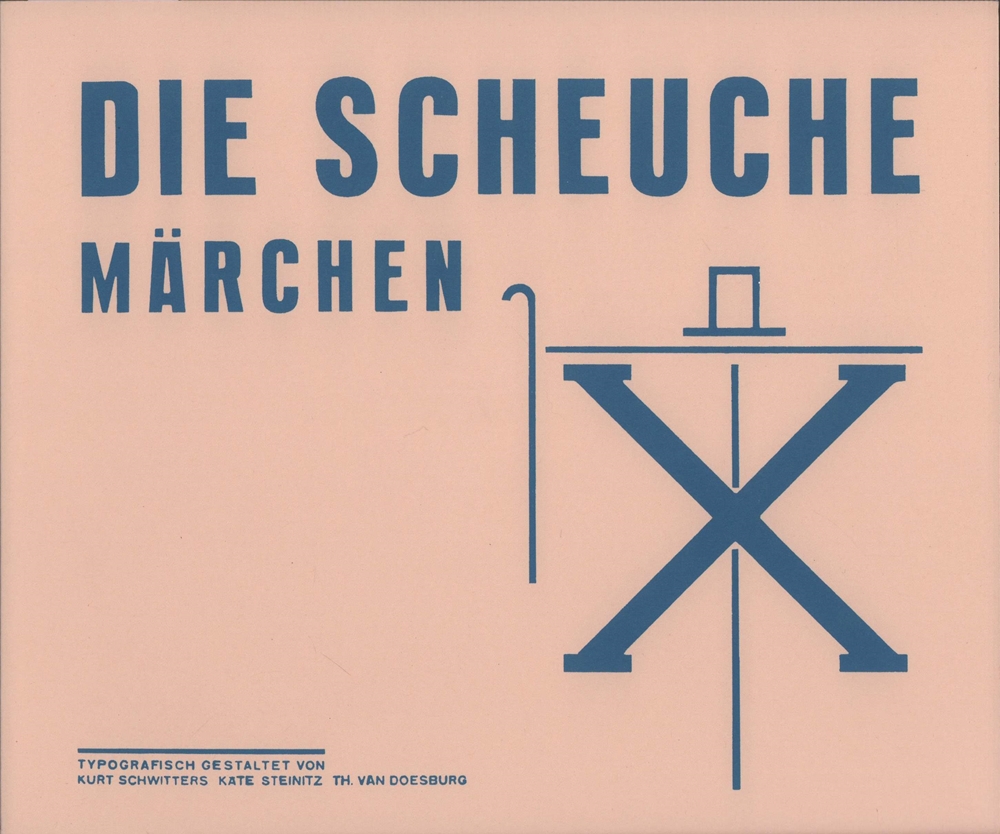
1963réf. 40849ABZürich, Verlag der Arche (= Sammlung Horizont), im Impressum: 1963 [recte 1988]. quadr.8°, 123 S. mit s/w-Abb. und Illustr. im Text und auf Tafelseiten, illustr. original Kartonage (Paperback), [Neuausgabe] dezenter Namensvermerk des Publizisten Stefan Fricke auf der Vorsatzseite, sonst ein gutes, sauberes Exemplar
2002réf. 4212FBLauenförde, Verlag Galerie Hesselbach, 2002. 4°. 29 x 24,5 cm. 175 Seiten. Farbig illustrierter Original-Pappband.
1981réf. 66380CBKöln, Rheinland-Verlag, 1981. 4°. 27 x 21 cm. 317 Seiten und 3 Blatt Verlangsanzeigen. Original-Klappenbroschur.
1931réf. 98299Hamburg, [Druck von Hammerich & Lesser], 1931. 15 S. Mit 2 Originalholzschnitten (von Erwin Muck und Karl Graudenz) u. 1 Notenklischee u. 2 Bl. als lose Beilage: Liste derTombola-Stifter. Montierte farb. Muratti-Reklame im hinteren Innendeckel. Kl.-8vo, 16 cm. OBroschur mit Originalholzschnitt von Hans Leip auf dem Vorderdeckel.
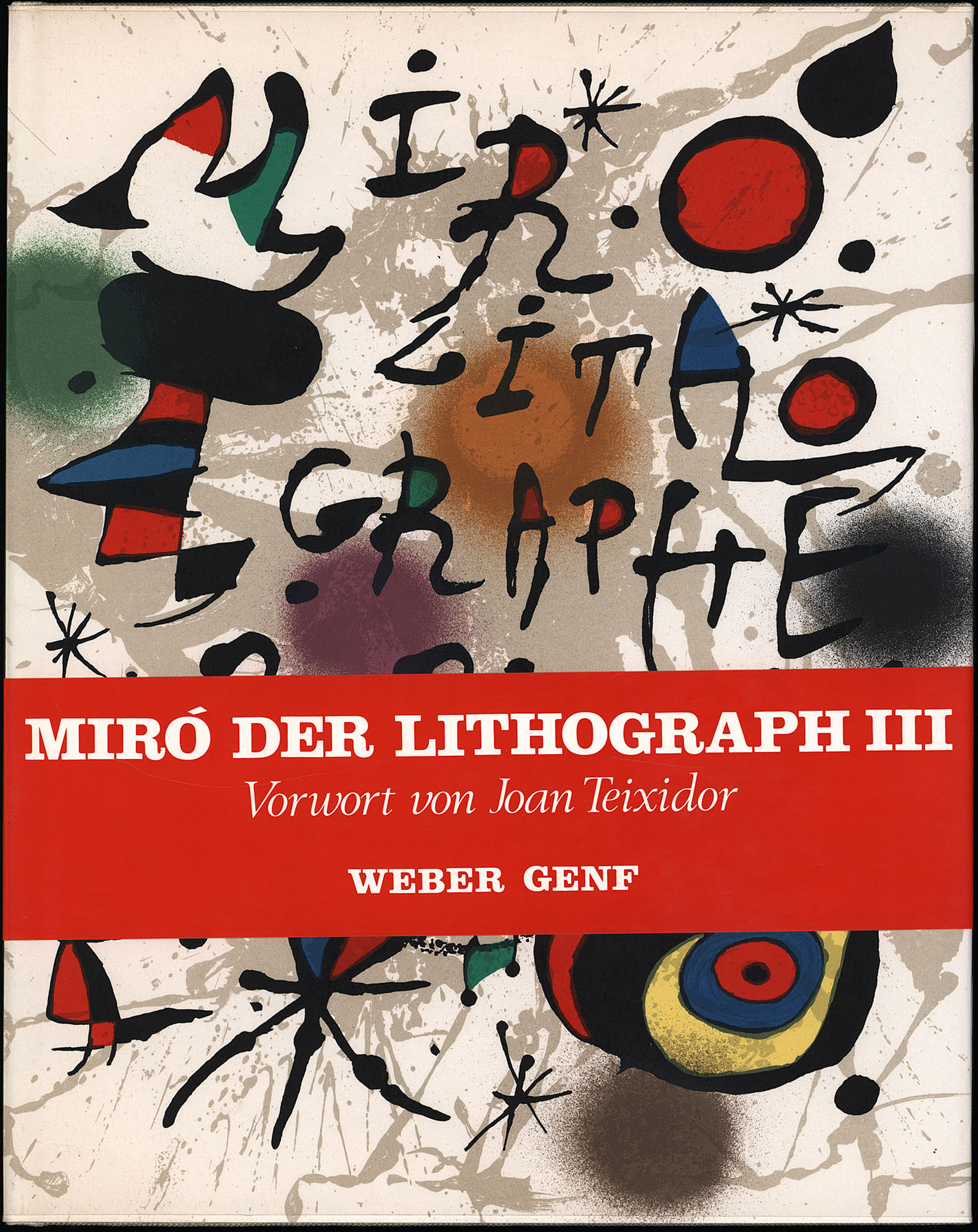
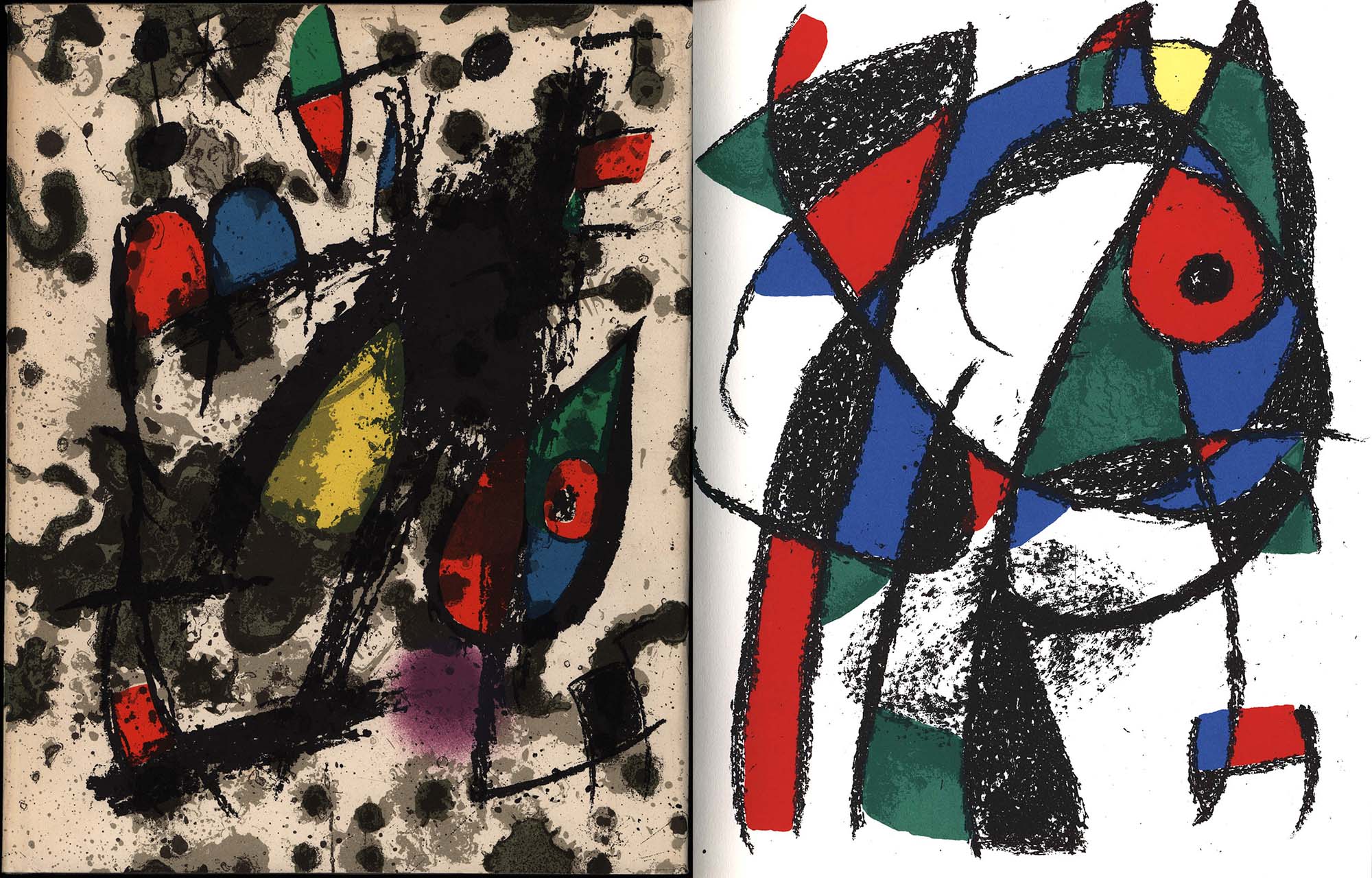
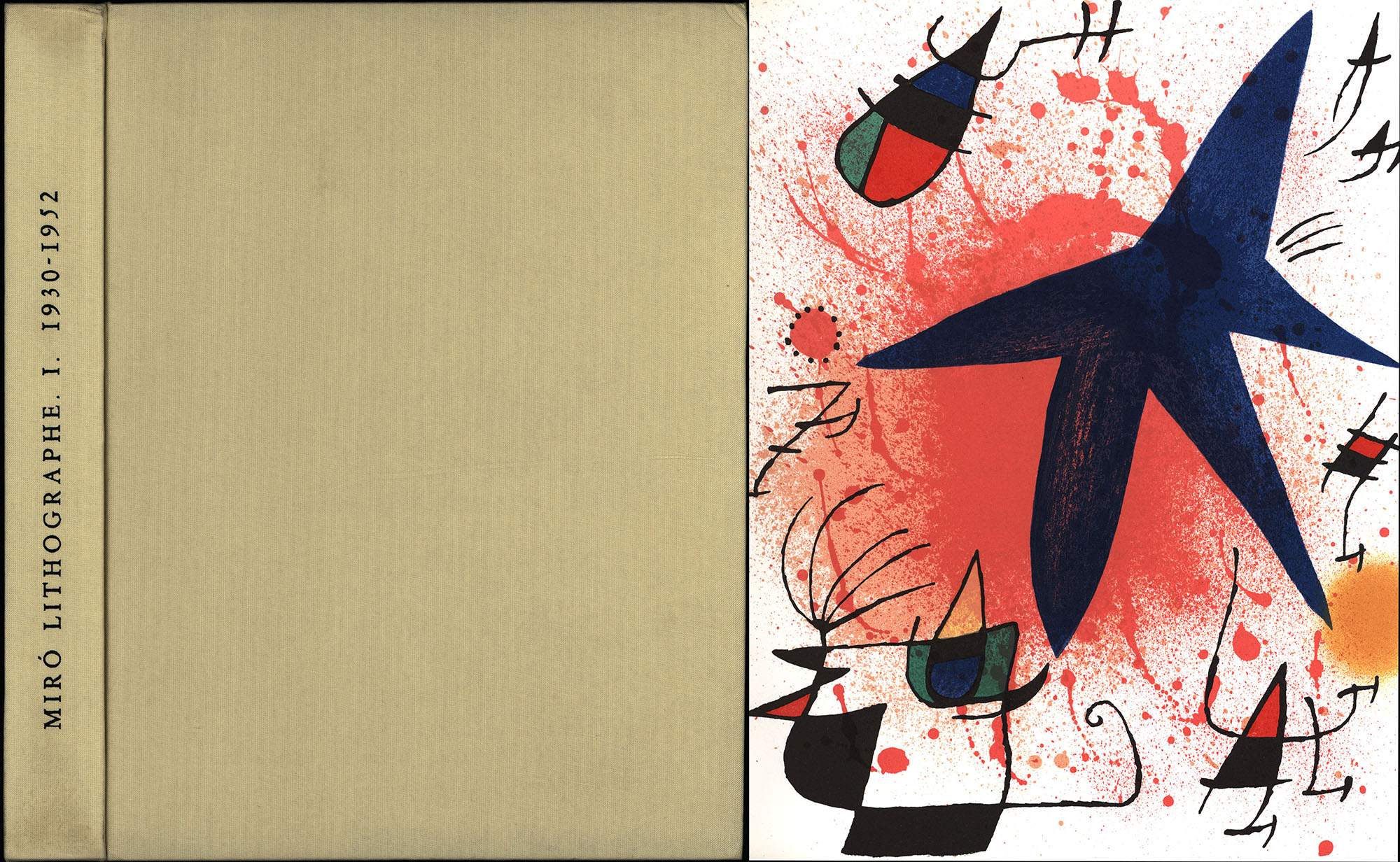
1977réf. 66311CBParis, Verlag La Poligrafa/Maeght, 1977. 4°. 33 x 26 cm. 207 Seiten. Original-Leinenband mit illustriertem Original-Schutzumschlag mit Bauchbinde. [6 Warenabbildungen]
1975réf. 66310CBParis, Verlag La Poligrafa/Maeght, 1975. 4°. 33 x 26 cm. 248 Seiten. Original-Leinenband mit illustriertem Original-Schutzumschlag. [8 Warenabbildungen]
1972réf. 66309CBParis, Mazo Verlag, 1972. 4°. 33 x 26 cm. 226 Seiten. Original-Leinenband. [10 Warenabbildungen]
2004réf. 4123FBKöln, DuMont-Literatur-und-Kunst-Verlag, 2004. 4°. 31 x 25 cm. 439 Seiten. Original-Halbleinenband mit farbig illustriertem Original-Schutzumschlag.
1992réf. 66200CBParis, Nouvelles Éditions Françaises, 1992. 4°. 33 x 24,5 cm. 229 (1) Seiten. Ungebundene Bögen in Original-Kunstlederchemise mit goldgeprägtem Rückentitel und Deckelillustration in Original-Kunstlederschuber.
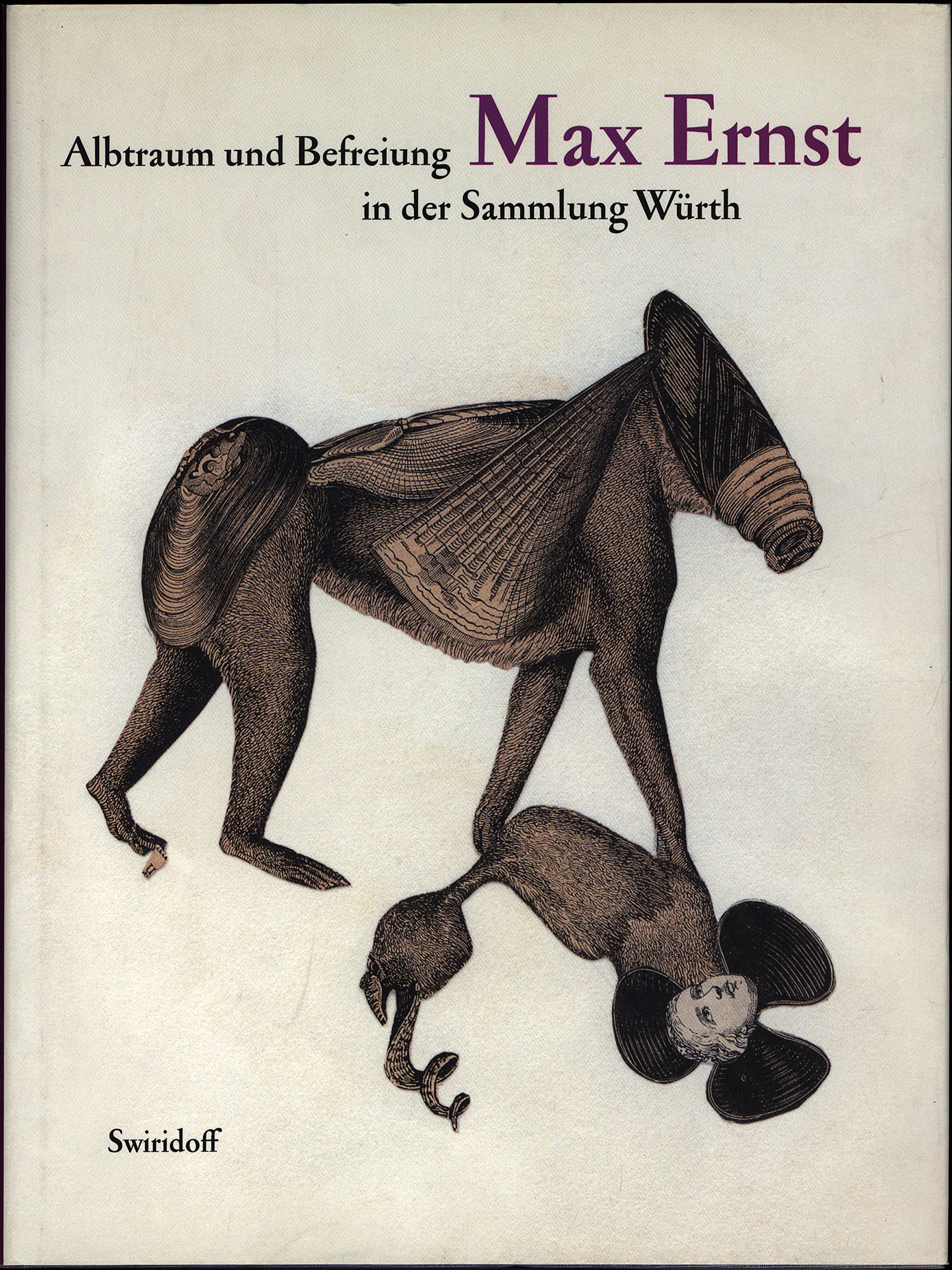
2009réf. 4073FBKünzelsau, Swiridoff Veralg, 2009. 4°. 32 x 24 cm. 368 Seiten. Original-Leinenband mit farbig illustriertem Original-Schutzumschlag.
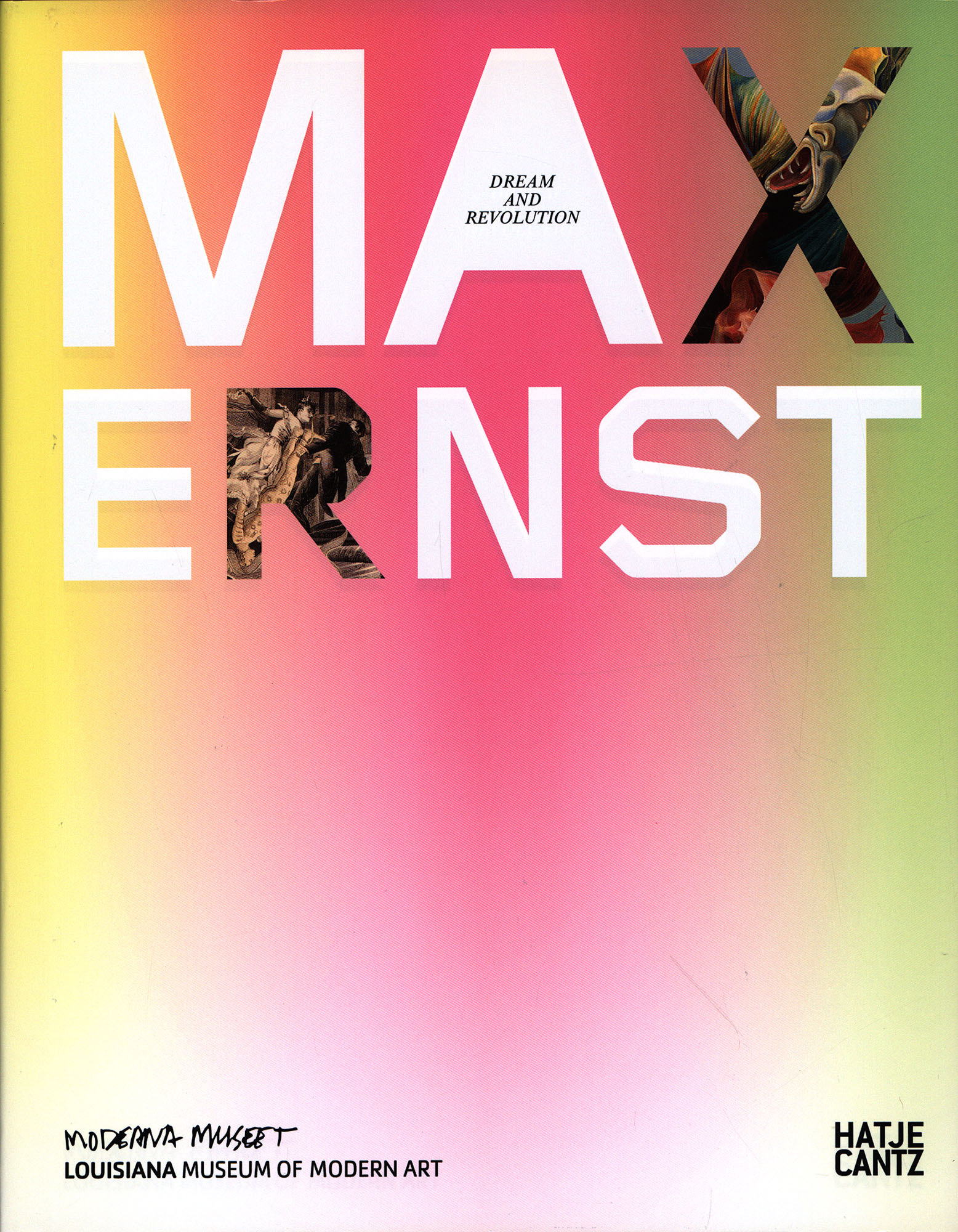
2008réf. 4076FBOstfildern, Hatje Cantz Verlag, 2008. 4°. 28 x 23 cm. 255 Seiten. Original-Pappband mit Original-Schutzumschlag. (= Moderna Museet exhibition catalogue, Band 347).
1979réf. 97518Nürnberg, Edition Tiamat Klaus Bittermann, 1979. 95 S. mit einigen Abb. Kl.-8vo, 17 cm. Illustr. OKart.
1971réf. 11776DBProvidence, Museum of Art, Rhode Island, Island School of Design, 1971. 8°. 22 cm. 55 Seiten. Original-Karton. [3 Warenabbildungen]
1963réf. 97508Tours, Bibliothèque Municipale / Paris, Galerie le Point cardinal, 1963. VIII, 83 S. Mit 41 s/w, teils ganzseitigen Abb. 21 cm. OBroschur.