6 684 résultats
1982réf. 60206ABMünchen/Berlin, Herbig, 1982. Völlig überarb., erg. u. um e. neuen Bildteil erw. Ausg., 2. Aufl. 23 cm. 387 S., Ill., graph. Darst., Pp., OU., sehr guter Zust., sauber erhalten. 2
1968réf. 38515ABGütersloh. Mohn 1968. kl.4°. 687 S. Text 2-spaltig mit ca. 750 Abbildungen z. Teil farbig. OLeinen. Minim. Einr. d. Kapit., Tit.-Bl. etwas berieb., Gelenke minim. gelockert, innen gut erhalten, Besitzereintr. a. Vors.
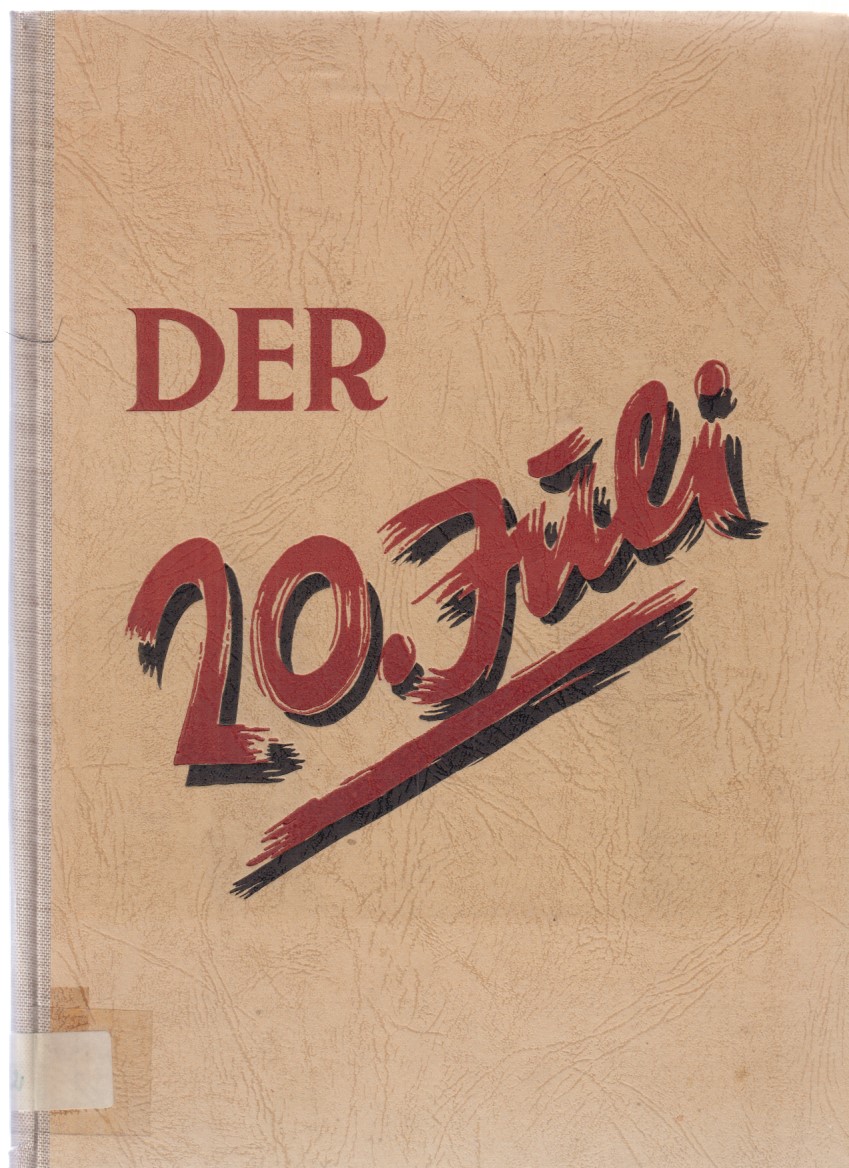
1952réf. 1204205Verlag H. Raven; Düsseldorf, (1952). 152 Seiten; Illustr. auf Tafelseiten; 30 cm; fadengeh. Orig.-Halbleinenband.
1952Gutes Ex.; Einband und Seiten nachgedunkelt; Bibliothesex. mit Stempeln sowie kl. hs. Eintragungen (auf Vorsatz). - Die meisten Fotos dieses Buches hat der Verlag Dr. Franz Burda in Offenburg (Baden) freundlicherweise zur Verfügung gestellt. Die Fotos sind dem Band II (Von Stalingrad bis Nürnberg) des einzigartigen Bildwerks "Der zweite Weltkrieg im Bild" entnommen, welches kraß und schonungslos den Wahnsinn eines aus Verblendung und Ehrgeiz von Hitler entfesselten Krieges zeigt. (Impressum) // INHALT : Einleitung. --- Was war das Hitler-Regime?. --- Charakteristik Hitlers durch einen Verteidiger in Nürnberg. --- Erklärungen nationalsozialistischer Persönlichkeiten über Hitler und das Hitler-Regime. --- Ausschnitte aus Geheim-Ansprachen von Goebbels und Himmler. --- Urkundliche Feststellungen über das nationalsozialistische System. --- Die politische und militärische Situation im Sommer 1944. --- 1. Die politische und militärische Situation im Sommer 1944. --- Erklärungen von Goebbels, Botschafter von Hassel, Kriegstagebuchführer Prof. Dr. Schramm im Wehrmacht. -führungsstab, Generalfeldmarschall von Rundstedt, Himmler, Rüstungsminister Dr. Speer, Generalfeldmarschali Rommel. --- 2. Motive der Widerstandskämpier und Geschehnisse am 20. Juli 1944. --- Gutachten des Historiker Prof. Dr. Seraphim als Sachverständiger im Remer-Prozeß in Braunschweig. --- Der Prozeß gegen Generalfeldmarschall von Witzleben und sieben andere Offiziere vor dem --- Volksgerichtshof unter dem nationalsozialistischen Präsidenten Dr. Roland Freisler. --- Die Terrorwelle nach dem 20. Juli 1944. --- Vernehmungsmethoden der Gestapo. --- Ein aufschlußreiches Gestapo-Dokument. --- Wie man die Angeklagten für die Hauptverhandlung präparierte. --- Hitlers Ratschläge für Gestapo-Vernehmungsmethoden. --- Das vorher bestimmte Todesurteil. --- Wie das stenographische Protokoll über die Hauptverhandlung gerettet wurde. --- Der Prozeß als nationalsozialistische Großpropaganda. --- Der Verlauf der Hauptverhandlung. --- Die rechtswidrigen Methoden des Volksgerichtshof-Präsidenten bei der Vernehmung der Angeklagten unter Ausschluß der Öffentlichkeit?. --- Historisch-politische Schlußfolgerungen aus der Aktion des 20. Juli. --- Was wollten die Männer des 20. Juli?. --- Erklärungen von Keitel, Raeder, Speer. --- Der eigene Attentats-Plan von Speer gegen Hitler. --- Überlegungen des Abfalls durch Goebbels. --- Erklärungen von Goebbels gegen die Alten Kämpfer. --- Hitlers politische Testamentsverfügung gegen Göring und Himmler als Verräter. --- Die Gutachten des katholischen Theologen Prof. Dr. Angermair und der evangelischen Theologen Prof. Dr. Iwand und Prof. Dr. Wolf über das Verhalten der Männer vom 20. Juli 1944 vom religiösen Standpunkt. --- Auszug aus dem Plädoyer des Generalstaatsanwalt Dr. Bauer im Remer-Prozeß über den nationalsozialistischen Staat und das Rechtsproblem des Landesverrats. --- Auszug aus dem Gutachten des Sachverständigen Generalleutnant a. D. Friebe über die wahre Bedeutung des Fahneneides. --- Erklärungen von Schacht und Rauschning. --- Das deutsche Offizierkorps und seine Einstellung zum 20. Juli. --- Nachwort: Was wäre geworden, wenn …?. --- Was muß heute geschehen?. --- Quellen-Verzeichnis. --- Literatur-Verzeichnis zur Geschichte des 20. Juli.
1964réf. V16112Frankfurt/Berlin (Ullstein) 1964 (= Erste deutsche Ausgabe). 8°, Orginalkarton mit illustriertem Originalumschlag (Hardcover), 240 S., einige Kartenskizzen 1
EDITION DES ARCHERS. 24 FEVRIER 1942. In-4 Carré. Broché. Bon état. Couv. convenable. Dos satisfaisant. Intérieur frais. 192 pages. Nombreuses illustrations en noir et blanc hors texte.
1948(FT) Original Wrappers. 8vo. 55 pages. 23 cm. First edition. Title page verso: The Old Man of Lompaduni and other Stories. This beautifully illustrated book of childrens stories is printed in seven colors of ink. The author of these seven stories in Yiddish was Yuri Suhl, who emigrated from Poland to the United States in the 1920s, and became well known as a Yiddish poet and childrens writer. His other works included the popular "They Fought Back: The Story of Jewish Resistance in Nazi Europe. " That work was praised as a landmark contribution to Holocaust literature and Suhl spent more than five years documenting it before it was published in 1967. His other works included "Eloquent Crusader: Ernestine Rose, " a biography of the Polish-born feminist, and two autobiographical novels: "One Foot in America" and "Cowboy on a Wooden Horse. " He was also a trustee of the fund set up for the sons of Julius and Ethel Rosenberg. The illustrator, William Gropper (18971977) , a cartoonist, painter, lithographer, and muralist; he grew up in the lower east side, and an aunt of his died in the triangle shirtwaist factory fire. He was a dedicated left wing political cartoonist for both English and Yiddish papers. During the second half of the 1930s, Gropper dedicated his art to the efforts to raise popular opposition to fascism in Europe. Following World War II, Gropper traveled to Poland to attend the inaugural convention of the World Congress of Intellectuals for Peace of 1948 in Wroclaw. This Yiddish childrens book was printed there, both for an audience of international anti-fascist partisans and survivors gathering to found the World Peace Council, as well as for those survivors living in Wroclaw, one of the largest post-war Jewish communities in Poland for a few years. Rare, OCLC lists 12 copies. Subjects: Children's stories, Yiddish. Holocaust, Jewish (1939-1945) . Front cover repaired with tape, edges chipped. All pages lightly aged, but clean and fresh. Good condition. Scarce and important (HOLO2-97-42)
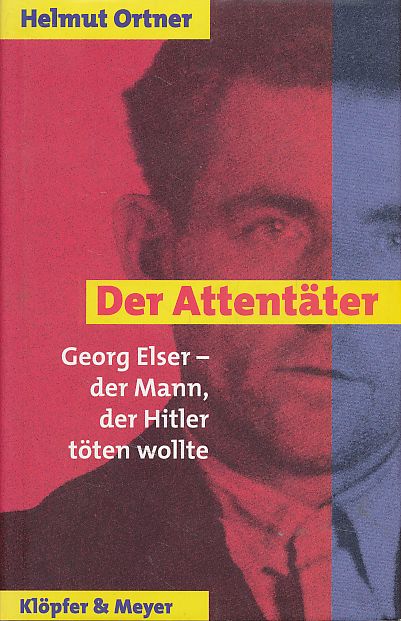
1999réf. 1090502Tübingen : Klöpfer und Meyer, 1999. 245 S. Originalhardcover mit Schutzumschlag.
1939From the estate of Karl Gerhard, NSDAP member and leader of Deutscher Bund Canada. Given its publication date just prior to the onset of WWII, this issue makes for fascinating retrospective reading. Pages 185-220. Text in German. Features: Die nichtdeutschen Volksgruppen im Reich (the non-German ethnic groups in the Reich); Deutsches Staatsangehorigkeitsrecht (German citizenship law); An der Geburtsstatte des Buna (At the birthplace of Buna); Bilder aus dem deutschen Danzig (pictures from the German Gdansk); Ruckwanderer-Heime; Die Heimat ist noch schoner!; Das Reich zum Schutz jedes Auslandsdeutschen entschlossen (the Reich determined to protect every foreign German); 21 Punkte und ein Standpunkt - Rede des Fuhrers (text of Hitler speech); Nebenbei; Wissenswertes aus Heimat und Fremde (worth knowing from home and foreign); Lander- und Gruppenberichte; Rechtsschutz und Rechtsberatung; Ecke der Schriftleitung; Empfehlenswerte Bucher. Unmarked with average wear. Binding intact. A sound vintage copy. Magazine
19821st edition. Original cloth. 4to, x + 205 (English) + 396 (Yiddish) + v pages. Illustartions throughout. Bialystok's strength rests only in its extraordinary features but in its normal characteristics as well. The fifty thousand living there are doing reasonably well financially and also spiritually, like other Jews in Poland. Still, Bialystok was the first, at the end of the German occupation after World War I, to abolish its autocratic community leadership, replacing it with an exemplary democratic system that will do down in history. The Hebraist movement in Bialystok was only a part of the diffuse cultural advance in all of Poland. But when Bialystok established its Hebrew Gymnasium (high school) it was the rank and file Jews, not the radical Hebraists, who erected it. The tall, sturdy building evoked the admiration of the local community as well as of visitors from near and far, especially since it could accommodate seven hundred students. The Yiddish influence in Bialystok was also only a part of the Yiddish movement in all of Poland and in the entire world. But with the exception of Wilno, no other Jewish town besides Bialystok was able to fashion such an intricate Yiddish school network, let alone a high school, despite difficult circumstances. The orphan problem became one of the most critical social issues in Bialystok after World War I. Surely no other city had someone like Mrs. Rabinowicz, who, when the situation became next to hopeless, was the only leader in all of Poland who went to America to obtain the necessary assistance for these unfortunate children. It is possible to mention hundreds of other examples of community and private initiatives in Bialystok which clearly depict its special atmosphere of effervescing creativity a contagion transmitted from one to another compelling everyone to outdo his neighbour. Such is the breeding ground for important accomplishments. (Pejsach Kaplan, a prominent Bialystoker writer and social activist) SUBJECT(S) : Jews -- Poland -- Bialystok. World War, 1939-1945 -- Jews. Memorial books (Holocaust) . Jewish (1939-1945) Ethnic relations. OCLC: 19303249. Ex library with usual marks, inscription on front end page by Max Ranter, Honorary Chairman of the Book Committee. Very Good Condition Overall (YIZ-16-2A)xx
19821st edition. Original cloth with dust jacket. 4to, x+ 205 (English) + 396 (Yiddish) + v pages. Illustrations throughout. Bialystok's strength rests only in its extraordinary features but in its normal characteristics as well. The fifty thousand living there are doing reasonably well financially and also spiritually, like other Jews in Poland. Still, Bialystok was the first, at the end of the German occupation after World War I, to abolish its autocratic community leadership, replacing it with an exemplary democratic system that will do down in history. The Hebraist movement in Bialystok was only a part of the diffuse cultural advance in all of Poland. But when Bialystok established its Hebrew Gymnasium (high school) it was the rank and file Jews, not the radical Hebraists, who erected it. The tall, sturdy building evoked the admiration of the local community as well as of visitors from near and far, especially since it could accommodate seven hundred students. The Yiddish influence in Bialystok was also only a part of the Yiddish movement in all of Poland and in the entire world. But with the exception of Wilno, no other Jewish town besides Bialystok was able to fashion such an intricate Yiddish school network, let alone a high school, despite difficult circumstances. The orphan problem became one of the most critical social issues in Bialystok after World War I. Surely no other city had someone like Mrs. Rabinowicz, who, when the situation became next to hopeless, was the only leader in all of Poland who went to America to obtain the necessary assistance for these unfortunate children. It is possible to mention hundreds of other examples of community and private initiatives in Bialystok which clearly depict its special atmosphere of effervescing creativity a contagion transmitted from one to another compelling everyone to outdo his neighbour. Such is the breeding ground for important accomplishments. (Pejsach Kaplan, a prominent Bialystoker writer and social activist) SUBJECT(S) : Jews -- Poland -- Bialystok. World War, 1939-1945 -- Jews. Memorial books (Holocaust) . Jewish (1939-1945) Ethnic relations. OCLC: 19303249. Dust jacket has light wear on edges and corners, else near perfect condition. Very Good Condition overall. (YIZ-16-2B)xx
1938réf. 307555München, Justin Moser Abteilung Vertriebsstelle amtlicher Publikationen und Veröffentlichungen aus Kriegs-, Militär-, Gerichts- und Reichs-Archiven, 1938. 404 Seiten, 341 Abbildungen nach Origiginal-Photographien, Dokumenten aus Staats- u. Reichsarchiven u.a. ; 4 Originalhalbleinen. 27 cm
1961réf. 34366Styria, Graz, 1961. 3. Auflage, 467 Seiten, 8° , 21 x 15,5 cm, Leinen
réf. 92848Berlin Büttner 1941. 8° 23 S. Geh. Einband etw. fleckig in unterer Ecke etw. bestossen innen tadellos. 010 Berlin, Büttner, [1941] unknown
1966réf. 3477427Stuttgart, Deutsche Verlagsanstalt, 1966. 464 S. OLwd.
2001réf. 62518Tübingen : Grabert 2001. 509 S. : Ill. ; 21 cm kart., Softcover/Paperback
1987(Codice ME/7802) In 4° (30 cm) 36 pp. German text, many illustrations. Stapled paperback. Fine. ~~~ SPEDIZIONE IN ITALIA SEMPRE TRACCIATA
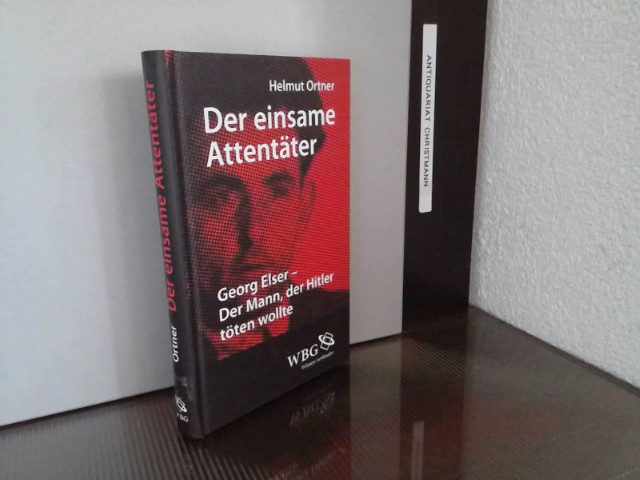
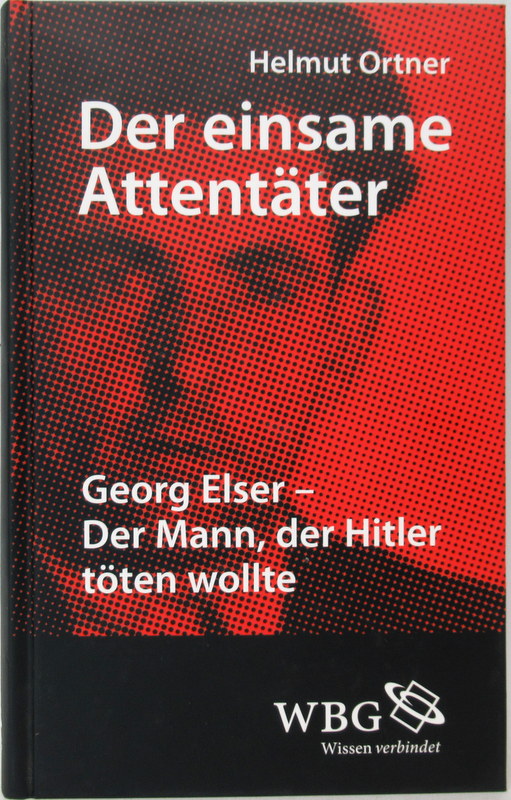
2013réf. 29866Darmstadt : WBG (Wiss. Buchges.), [Abt. Verl.] 2013. 246 S. ; 22 cm Pp., gebundene Ausgabe, Hardcover/Pappeinband
2013réf. 31633Darmstadt, WBG, 2013. 246 Seiten. 8°, Hardcover/Pappeinband.
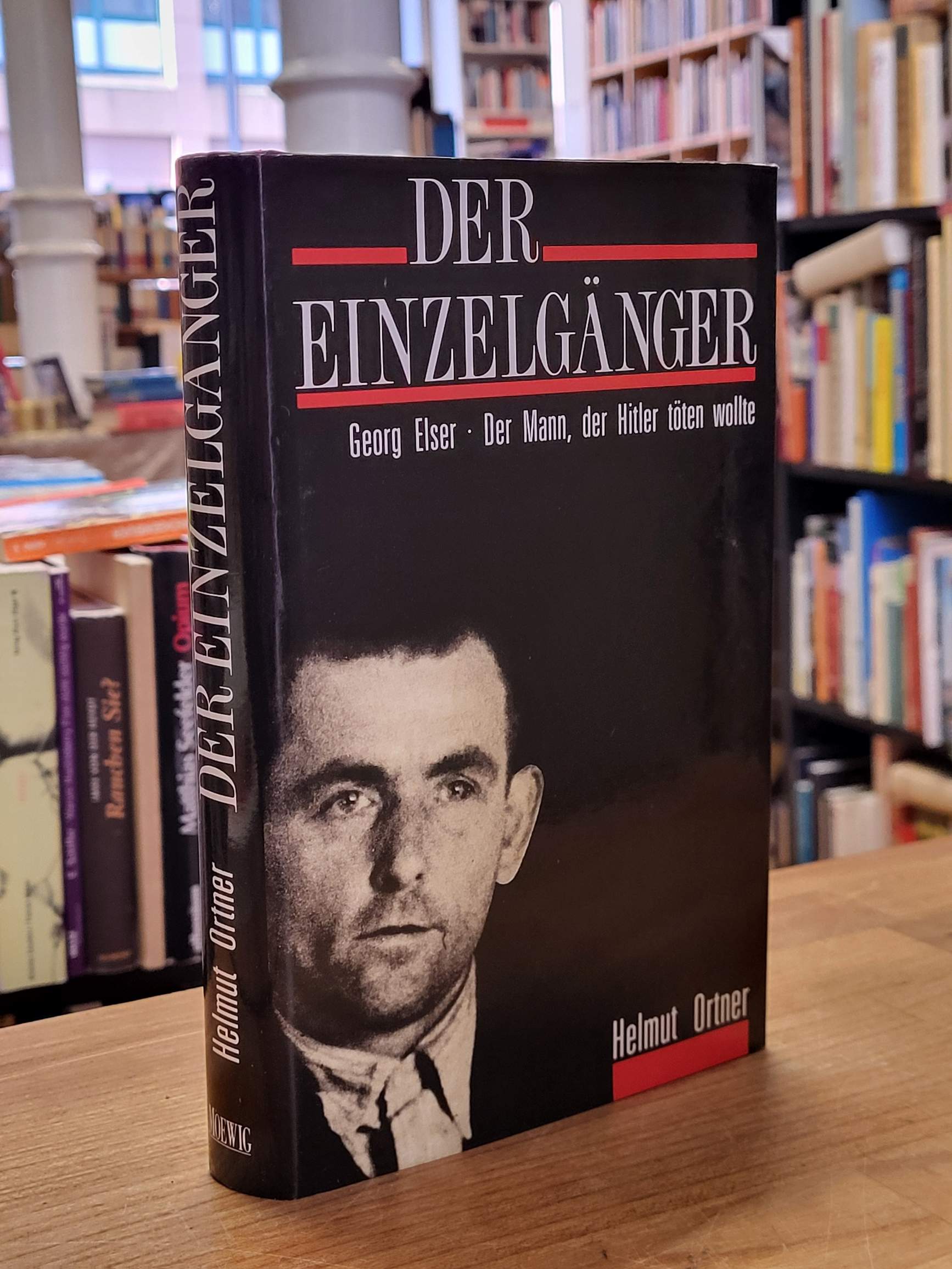
1989réf. 23543CBRastatt, Moewig, 1989. 8°, 239 S. mit 8 Tafelseiten mit s/w-Abbildungen, original Pappband (Hardcover) mit original Schutzumschlag, Erstausgabe Schutzumschlag minimal berieben, sonst schönes, sauberes Exemplar
1989réf. 200826Rastatt: Erich Pabel - Arthur Moewig, 1989. 239 S., Ill., 22 cm. Opp., gebundene Ausgabe, SU.
2002réf. 223979Wirtschaftsverlag Ueberreuter, 2002.
19678vo., First Edition thus; red cloth, gilt back, a near fine copy in unclipped dustwrapper. First edition in English of a work first published in German in 1944.
1944788p. Hardcover Good condition
réf. 0092-25Wien NSDAP Gaupropagandaamt 1939. 26 x 44 5 cm. Gefalt. In gutem Zustand. Nach dem Überfall des Deutschen Reiches auf Polen am 1. September 1939 erklärten am 3. September 1939 Frankreich und das Vereinigte Königreich aufgrund ihrer Garantieerklärung für Polen dem Deutschen Reich den Krieg. Hier die Antwort: Seit Jahrhunderten habe England versucht den deutschen Lebensraum einzuengen. 'England hat Polen zu jener Haltung veranlaßt die eine friedliche Verständigung unmöglich machte.' 'Den Kampf gegen diesen neuen Versuch Deutschland zu vernichten nehmen wir nunmehr auf'. 'Solange das deutsche Volk einig war ist es noch nie besiegt worden'. 'Wer sich daher jetzt an dieser Einigkeit und Einheit versündigt hat nicht anderes zu erwarten als daß er als Feind der Nation vernichtet wird.' Interessant an dem Text ist daß Frankreich mit keinem Wort erwähnt wird. Trotz der Bestandsverflichtung Frankreichs und Englands für Polen wurde an der Westfront nicht ernsthaft gekämpft. Der Sitzkrieg - Drôle de guerre - im Westen begann während Polen vernichtet wurde. Dieses Objekt enthält nationalsozialistisches rassistisches antisemitisches und diskriminierendes Gedankengut wir distanzieren uns klar und entschieden von derartigen Inhalten sowie von jeder Form verfassungswidriger rassistischer und diskriminierender Ideologie! Das Objekt wird hier ausschließlich im Sinne und zum Zweck der wissenschaftlichen Forschung und historischen Aufarbeitung angeboten. Wien, NSDAP, Gaupropagandaamt 1939. unknown