Wiedemeyer, GerhardAntiquariat.de
30 213 résultats
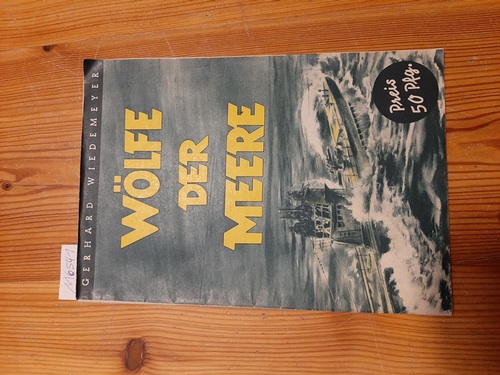
1941réf. 116541Berlin: Karl Curtius. 1941. 48 Seiten. 25,5cm. Zustand: Gut gering bis leicht gebräunt (Innen); Einband (Außen) hat geringe bis leichte Gebrauchsspuren; Heft mit Klammern
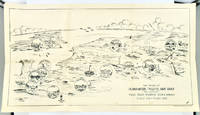
1945réf. 2442Bad Wildungen Germany: Tac Echelon HQ 12th Army Group 1945. First Edition. Single Sheet Paper. Very Good Plus/4-mil clear mylar envelope. This is an ORIGINAL folded MAP showing the travels of the "Tac Echelon" Headquarters 12th Army Group in WWII through England France Luxenbourg Belgium and Germany from 15 July 1944 through 9 May 1945. On the verso of the map is the description of the "VICTORY IN EUROPE" Dinner Dance presented in honor of General Omar N. Bradley by the Officers of Tac Echelon Headquarters 12th Army Group at the Hotel Furstenhof in Bad Wildungen Germany on 12 May 1945; i.e. 4 days after the Surrender of Germany. The document is SIGNED in ink by General Omar Bradley "O N Bradley". The map measures 11 1/2" x 20" opened and 6 3/4" x 5 1/2" folded. One of the MOST REMARKABLE MAPS of WW2 the map was hand-drawn by an artist who signs his name RWD in the print. The document was produced by "Engr. Repro. Det. 12 A Gp." The map shows the various locations of the Headquarters 12th Army Group during its progress in combat in WWII from the "Staging Area" in England to Bad Wildungen Germany. Beverages are described for most of the locations ending in "V-E Specials" for Germany. We believe this map was distributed at the dinner dance celebrating the "Victory in Europe" just 4 days after the War in Europe ended and was signed by General Bradley at the dinner. The 12th Army Group was the largest military formation of the United States in the history of the Country. The 12th Army Group was deactivated shortly afterward on July 12 1945 upon General Bradley’s departure to become Director of the Veterans Administration. NOTE: This map will be accompanied by a CERTIFICATE OF PROVENANCE dated and signed by Debbie Chapman Luckinbill certifying that the map was brought home as a souvenir by her aunt the late Helen Chapman who was a member of Red Cross Clubmobile Group C which served in Europe during WW2. Red Cross Clubmobiles were large food trucks which were driven by Red Cross women to troop assembly areas where the women would open up the sides and serve doughnuts coffee and snacks to the fighting men. We have not found this map anywhere on the internet or other research. The map is foldedrubbed and lightly soiled from handling but is Very Good or better and now in a 4mil clear mylar protective envelope. Tac Echelon, HQ 12th Army Group unknown
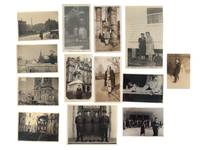
1945réf. 214301945. WWII era Women's Army Corps photo archive documenting servicewomen including two African Americansand four partially identified individuals. Creation of the WAC in 1942 marked the first permanent institutional incorporation of women into the U.S. Army placing female personnel into administrative communications intelligence and logistical roles across both domestic bases and overseas commands. One photograph identified on the verso as "Gynnie Polly Corsica '45" provides additional documentation of Black women serving overseas in segregated Army units during the final year of the war. Archive of 18 silver gelatin photographs from W.W.II. Photographs measure approximately 3 x 2 inches to 6 x 3.5 inches. The images depict American servicewomen in a range of wartime contexts including official uniform portraits informal snapshots and scenes taken in European cities damaged by combat. Several photographs show women wearing standard WAC dress uniforms with garrison caps and enlisted insignia while others depict personnel wearing British style battledress associated with American administrative units stationed in Europe. One photograph shows three uniformed personnel two women and one man standing at attention before a formal government building likely in Britain. Another image places a uniformed American servicewoman before the gilded equestrian statue of Joan of Arc in Paris a landmark associated with Allied presence in liberated France. Additional photographs depict ruined urban landscapes with bombed churches and collapsed structures suggesting scenes from Germany or France shortly after liberation. A photograph inscribed "Chattanooga Tenn." shows a woman standing in civilian clothing at the entrance of a home indicating a stateside context connected to the servicewoman's life before or after deployment. Another photograph labeled "Ann & Lillie Mother" shows two women standing outside a residence likely relatives of one of the servicewomen. Women's military service expanded rapidly during World War II as the War Department created organizations such as the Women's Army Corps and the Navy's WAVES to address labor shortages across the armed forces. Overseas deployments placed WAC personnel in newly liberated European cities and military headquarters throughout the Allied command structure. Light toning minor edge wear and occasional handling marks. Overall very good condition. Although African American women served within segregated units their participation in overseas assignments including Mediterranean theater postings marked a significant shift from earlier military policy which had typically limited Black women's service to domestic assignments within segregated support units. unknown books
1940réf. 238411940. American women's wartime service photo archive belonging to an unidentified WAC member depicting women in US military and hospital uniforms during World War II as mobilization opened military and medical assignments previously closed to women. Congress established the Women's Army Auxiliary Corps through Public Law 77-554 on May 15 1942; Public Law 78-110 converted it into the Women's Army Corps with full Army status on July 1 1943. Approximately 150000 women served as WAACs or WACs in administrative communications transportation mechanical medical and other assignments. Army Nurse Corps strength grew from fewer than 1000 nurses in December 1941 to more than 59000 by the end of the war. The personal snapshots place formal service dress beside caregiving public ceremony travel and off duty friendships recording how wartime mobilization entered women's daily lives. Photo archive of 18 silver gelatin photographs ranging from 2.5 x 3 to 3 x 4 inches New York City and other United States locations circa 1942 to 1945. Many of the women are seen in multiple photos with one standing out in most. The photos depict women in tailored dark uniforms wear neckties garrison or brimmed caps and collar devices; one woman in trousers and a service shirt stands beside an Army corporal while another gestures amid a crowded city street in a white crowned cap. Hospital and caregiving scenes include women in aprons and pale duty dresses three women in matching protective work garments and two attendants posed with infants and a young Black child. Additional views record a marching formation uniformed pairs and groups women seated outside Gothic institutional buildings a formal ceremony with bouquets and the flag hung facade of St. Patrick's Cathedral in New York City. The archive connects the wartime service preceding the Women's Armed Services Integration Act of June 12 1948 with the histories of military dress nursing women's labor institutional life and friendship outside official publicity settings. Occasional creasing edge wear surface scratches fading and curling; overall in good condition. Its movement between duty uniforms hospital clothing city streets ceremonial dress and relaxed group portraits preserves the range of public and private experience created by women's wartime service through the lens of one member of the Woman's Army Corps. unknown books
1940réf. 238411940. American women's wartime service photo archive belonging to an unidentified WAC member depicting women in US military and hospital uniforms during World War II as mobilization opened military and medical assignments previously closed to women. Congress established the Women's Army Auxiliary Corps through Public Law 77-554 on May 15 1942; Public Law 78-110 converted it into the Women's Army Corps with full Army status on July 1 1943. Approximately 150000 women served as WAACs or WACs in administrative communications transportation mechanical medical and other assignments. Army Nurse Corps strength grew from fewer than 1000 nurses in December 1941 to more than 59000 by the end of the war. The personal snapshots place formal service dress beside caregiving public ceremony travel and off duty friendships recording how wartime mobilization entered women's daily lives. Photo archive of 18 silver gelatin photographs ranging from 2.5 x 3 to 3 x 4 inches New York City and other United States locations circa 1942 to 1945. Many of the women are seen in multiple photos with one standing out in most. The photos depict women in tailored dark uniforms wear neckties garrison or brimmed caps and collar devices; one woman in trousers and a service shirt stands beside an Army corporal while another gestures amid a crowded city street in a white crowned cap. Hospital and caregiving scenes include women in aprons and pale duty dresses three women in matching protective work garments and two attendants posed with infants and a young Black child. Additional views record a marching formation uniformed pairs and groups women seated outside Gothic institutional buildings a formal ceremony with bouquets and the flag hung facade of St. Patrick's Cathedral in New York City. The archive connects the wartime service preceding the Women's Armed Services Integration Act of June 12 1948 with the histories of military dress nursing women's labor institutional life and friendship outside official publicity settings. Occasional creasing edge wear surface scratches fading and curling; overall in good condition. Its movement between duty uniforms hospital clothing city streets ceremonial dress and relaxed group portraits preserves the range of public and private experience created by women's wartime service through the lens of one member of the Woman's Army Corps. unknown
1945réf. 214301945. WWII era Women's Army Corps photo archive documenting servicewomen including two African Americansand four partially identified individuals. Creation of the WAC in 1942 marked the first permanent institutional incorporation of women into the U.S. Army placing female personnel into administrative communications intelligence and logistical roles across both domestic bases and overseas commands. One photograph identified on the verso as "Gynnie Polly Corsica '45" provides additional documentation of Black women serving overseas in segregated Army units during the final year of the war. Archive of 18 silver gelatin photographs from W.W.II. Photographs measure approximately 3 x 2 inches to 6 x 3.5 inches. The images depict American servicewomen in a range of wartime contexts including official uniform portraits informal snapshots and scenes taken in European cities damaged by combat. Several photographs show women wearing standard WAC dress uniforms with garrison caps and enlisted insignia while others depict personnel wearing British style battledress associated with American administrative units stationed in Europe. One photograph shows three uniformed personnel two women and one man standing at attention before a formal government building likely in Britain. Another image places a uniformed American servicewoman before the gilded equestrian statue of Joan of Arc in Paris a landmark associated with Allied presence in liberated France. Additional photographs depict ruined urban landscapes with bombed churches and collapsed structures suggesting scenes from Germany or France shortly after liberation. A photograph inscribed "Chattanooga Tenn." shows a woman standing in civilian clothing at the entrance of a home indicating a stateside context connected to the servicewoman's life before or after deployment. Another photograph labeled "Ann & Lillie Mother" shows two women standing outside a residence likely relatives of one of the servicewomen. Women's military service expanded rapidly during World War II as the War Department created organizations such as the Women's Army Corps and the Navy's WAVES to address labor shortages across the armed forces. Overseas deployments placed WAC personnel in newly liberated European cities and military headquarters throughout the Allied command structure. Light toning minor edge wear and occasional handling marks. Overall very good condition. Although African American women served within segregated units their participation in overseas assignments including Mediterranean theater postings marked a significant shift from earlier military policy which had typically limited Black women's service to domestic assignments within segregated support units. unknown
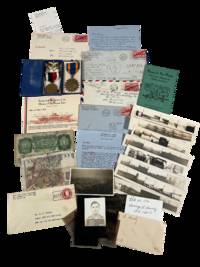
1945réf. 229161945. WWII Lt. Colonel Henry L. Hively U.S. Army Air Forces correspondence and war archive 1945 comprising medals letters documents photographs negatives and ephemera including Panama Canal Zone tourist booklet wartime train-journey photo strips through France namely Grenoble and Valence aerial transport photographs and extensive emotional correspondence from Oakland and San Francisco at the end of World War II. Archive includes 4 letters 5 envelopes two foreign currency bills a Panama tour guide a donation certificate six medals and ribbons and over 30 very small photographs. This substantial personal archive documents the long U.S. Army career of Lt. Colonel Henry L. Hively 1915-2010 beginning with his formative early-career service tied to the U.S. Army's border militarization and expeditionary presence in Mexico during the opening decades of the twentieth century when American forces pursued Pancho Villa and asserted federal authority along the U.S.-Mexico border. That experience-rooted in mobile warfare logistics and hemispheric military infrastructure-prefigures the global operational networks that would later define American power during World War II. Hively's career thus bridges early twentieth-century expeditionary service in Mexico with his later World War II service across the European and Pacific theaters and the immediate postwar demobilization period. The archive is anchored by an extraordinary run of intimate 1945 letters from Hively's girlfriend Mrs. Dorothy "Dottie" Rishel a civilian hospital worker at Green's Eye Hospital in San Francisco and later Oakland. Her correspondence chronicles daily life wartime anxiety women's labor Bay Area domestic arrangements and-most critically-the immediate civilian reaction to the atomic bomb and the end of the war. On August 10 1945 Rishel wrote: "I'm so confused over the state of affairs regarding the war and probable termination of it I don't know what to say. Without reservation Hank what's your personal opinion of this atomic bomb Its destructive power absolutely floors me." Only one day later as news of Japan's surrender became imminent she added "Allow me to say 'Happy V-J Day to you.' The war will absolutely be over tomorrow so the radio says. Golly I'm so thrilled I can't even concentrate on anything." These letters provide rare real-time reactions from a young working woman confronting the moral and emotional consequences of nuclear warfare. Materially the archive includes Hively's medals-among them a boxed Army of Occupation Medal ribbon bars and a boxed U.S. Air Medal-alongside his wartime photographic portrait labeled "Henry L. Hively 2nd Lt. Sig C." The photographic material consists of mostly very small vernacular silver-gelatin prints about 1' x 1" in rows of about 5 with a few larger images and a few negatives. several stamped on the verso "March 1945" showing Hively with other U.S. soldiers during the final months of the war including soldiers disembarking from U.S. Army aircraft traveling by rail through Europe gathering around Army jeeps and socializing outdoors. One image records a street-level view of a building in Grenoble France situating the archive geographically within southeastern France during the Allied occupation period. Additional prints show European landscapes rivers military encampments and aircraft on runways. Also present is the USO pamphlet Panama in Your Pocket: What to Do Where to Go While on the Isthmus reflecting the Pacific transit network anchored by the Canal Zone alongside foreign currency from France and England and photographic negatives documenting off-duty military life. A later handwritten note identifying "Ret Lt. Col. Henry L. Hively 1915-2010 - 94 yrs old" aligns with his published obituary confirming his long military career and postwar administrative service. The correspondence between Hively and Rishel forms the emotional core of the archive documenting female wartime labor emotional resilience and the uncertainty of demobilization. Rishel's account-"The work here in the hospital is absolutely fascinating. this hospital has been doing an awful lot of experimental work on cornea transplantation"-captures women's medical labor during WWII while her September 21 1945 letter reflects anxiety surrounding separation and discharge: "they have decided to send all eligible officers to their separation centers sometime in the next two months." Together these materials articulate the psychological and social transition from global war to fragile peace. Letters well preserved and legible with expected toning and folds; envelopes present with postmarks and Army Postal Service stamps. Photographs and negatives crisp some very good and a few over exposed. Medals well kept in original boxes with ribbons and devices. Overall very good condition. unknown books
2008réf. 68570np.: Periscope Film 2008. 1st ed. thus. As New. lge. octavo. stiff wrappers c.250pp. b/w pls. text ills. Facsimile edition of the 1943 edition Periscope Film unknown
1945réf. 229161945. WWII Lt. Colonel Henry L. Hively U.S. Army Air Forces correspondence and war archive 1945 comprising medals letters documents photographs negatives and ephemera including Panama Canal Zone tourist booklet wartime train-journey photo strips through France namely Grenoble and Valence aerial transport photographs and extensive emotional correspondence from Oakland and San Francisco at the end of World War II. Archive includes 4 letters 5 envelopes two foreign currency bills a Panama tour guide a donation certificate six medals and ribbons and over 30 very small photographs. This substantial personal archive documents the long U.S. Army career of Lt. Colonel Henry L. Hively 1915-2010 beginning with his formative early-career service tied to the U.S. Army's border militarization and expeditionary presence in Mexico during the opening decades of the twentieth century when American forces pursued Pancho Villa and asserted federal authority along the U.S.-Mexico border. That experience-rooted in mobile warfare logistics and hemispheric military infrastructure-prefigures the global operational networks that would later define American power during World War II. Hively's career thus bridges early twentieth-century expeditionary service in Mexico with his later World War II service across the European and Pacific theaters and the immediate postwar demobilization period. The archive is anchored by an extraordinary run of intimate 1945 letters from Hively's girlfriend Mrs. Dorothy "Dottie" Rishel a civilian hospital worker at Green's Eye Hospital in San Francisco and later Oakland. Her correspondence chronicles daily life wartime anxiety women's labor Bay Area domestic arrangements and-most critically-the immediate civilian reaction to the atomic bomb and the end of the war. On August 10 1945 Rishel wrote: "I'm so confused over the state of affairs regarding the war and probable termination of it I don't know what to say. Without reservation Hank what's your personal opinion of this atomic bomb Its destructive power absolutely floors me." Only one day later as news of Japan's surrender became imminent she added "Allow me to say 'Happy V-J Day to you.' The war will absolutely be over tomorrow so the radio says. Golly I'm so thrilled I can't even concentrate on anything." These letters provide rare real-time reactions from a young working woman confronting the moral and emotional consequences of nuclear warfare. Materially the archive includes Hively's medals-among them a boxed Army of Occupation Medal ribbon bars and a boxed U.S. Air Medal-alongside his wartime photographic portrait labeled "Henry L. Hively 2nd Lt. Sig C." The photographic material consists of mostly very small vernacular silver-gelatin prints about 1' x 1" in rows of about 5 with a few larger images and a few negatives. several stamped on the verso "March 1945" showing Hively with other U.S. soldiers during the final months of the war including soldiers disembarking from U.S. Army aircraft traveling by rail through Europe gathering around Army jeeps and socializing outdoors. One image records a street-level view of a building in Grenoble France situating the archive geographically within southeastern France during the Allied occupation period. Additional prints show European landscapes rivers military encampments and aircraft on runways. Also present is the USO pamphlet Panama in Your Pocket: What to Do Where to Go While on the Isthmus reflecting the Pacific transit network anchored by the Canal Zone alongside foreign currency from France and England and photographic negatives documenting off-duty military life. A later handwritten note identifying "Ret Lt. Col. Henry L. Hively 1915-2010 - 94 yrs old" aligns with his published obituary confirming his long military career and postwar administrative service. The correspondence between Hively and Rishel forms the emotional core of the archive documenting female wartime labor emotional resilience and the uncertainty of demobilization. Rishel's account-"The work here in the hospital is absolutely fascinating. this hospital has been doing an awful lot of experimental work on cornea transplantation"-captures women's medical labor during WWII while her September 21 1945 letter reflects anxiety surrounding separation and discharge: "they have decided to send all eligible officers to their separation centers sometime in the next two months." Together these materials articulate the psychological and social transition from global war to fragile peace. Letters well preserved and legible with expected toning and folds; envelopes present with postmarks and Army Postal Service stamps. Photographs and negatives crisp some very good and a few over exposed. Medals well kept in original boxes with ribbons and devices. Overall very good condition. unknown
réf. 0981652697.Gperfect. Good. Access codes and supplements are not guaranteed with used items. May be an ex-library book. unknown
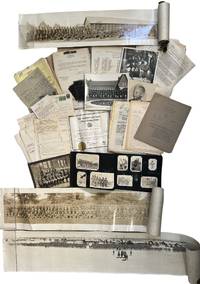
1917réf. 190211917. WWINational GuardWWII Primary-source archive documenting U.S. Army transportation command operations supporting Allied logistics following the Normandy landings centered on the development of Cherbourg as a critical supply hub. Assembled from the career of Lieutenant Colonel George C. Sullivan the collection spans World War I mobilization through World War II and into postwar reserve service with particular emphasis on mid-twentieth-century military infrastructure and coordination. The archive comprises hundreds of pages of official documents correspondence and service records alongside a substantial photographic component including large-format panoramic rolls depicting assembled training formations and unit organization at scale. Together the materials provide detailed evidence of the administrative and logistical systems that sustained Allied operations in Europe situating individual service within broader frameworks of wartime transportation supply distribution and postwar military restructuring. Archive comprises hundreds of pages of military documents dated primarily from the 1940s through the 1950s; three panoramic photographic rolls from World War I service; one photograph album containing 83 photographs from 1917-1918; four loose photographs; and three letters dated 1945-1948. The World War I album depicts training at Fort Sill Oklahoma mounted artillery drills including a three-inch field gun mounted cavalry movement across desert terrain doughboy uniformed infantry and a Peace Parade in Lawton Oklahoma in November 1918. Sullivan's own written service summary records his federal call-up transfers promotion to corporal commissioning and discharge in December 1918. The panoramic rolls measuring approximately 44 to 56 inches in length show large assembled formations at Camp Cody New Mexico and officer training at Camp Taylor Kentucky including the 25th Battery Central Officers Training School. World War II and postwar materials include commendations transfer requests rosters promotion records certificates and administrative correspondence. A 1949 silver gelatin photograph of Headquarters Company 371st Support Group summer training personnel includes a roster naming forty-eight officers among them First Lieutenant Catherine M. Henry documenting the integration of women officers in postwar reserve structures. Sullivan's World War II documentation centers on transportation command responsibilities essential to sustaining Allied operations in Normandy and the rapid development of Cherbourg as a logistical hub following D-Day. The archive traces the evolution of the United States Army from early twentieth-century National Guard mobilization to logistics work in World War II. Postwar papers reflect Sullivan's continued reserve duty into the mid-1950s and his civilian engagement in the sale of military surplus goods in Seattle Washington illustrating the reintegration of career officers into postwar commercial life. Documents generally clean and legible with occasional edge wear; panoramic photographs show some cracking but remain intact; photograph album well preserved; loose photographs with light handling wear. Overall very good condition. Extensive archive chronicling four decades of a United States Army officer's career. unknown books
1945réf. 226061945. WWII Japan Linguistics Katakana: Japanese Syllabic Script. Chief Intelligence Officer Air Command South-East Asia November 1944. First edition. Illustrated throughout with syllabary charts and pronunciation tables. Original printed wrappers. 6 pages. 8vo. Issued for Allied intelligence personnel during World War II this scarce pamphlet provided military staff with an introduction to katakana one of the two Japanese phonetic syllabaries. Prepared under the authority of the Chief Intelligence Officer for Air Command in Southeast Asia the manual emphasizes the script's military utility noting that "on account of its clarity katakana has been adopted by the Armed Forces of Japan for use in the spelling of foreign names and words in signals in maps etc." Explanatory text outlines the history of Japanese writing systems the role of katakana in phonetic transcription and its function in military communications. Pages feature full katakana syllabary charts "additional katakana groups" for voiced and combined sounds a section on Japanese numerals and examples of transliterated foreign names such as "Singapore" "Java" and "Sumatra." The pamphlet also instructs readers that katakana can be written "in almost any direction; left to right or right to left or from top to bottom and even diagonally." Light toning bottom right cover corner clipped interior clean and well-preserved overall very good condition. A rare wartime intelligence manual bridging linguistics and military history this ephemeral publication documents Allied efforts to train personnel in Japanese language recognition and highlights the central role of katakana in wartime communication systems. Particularly significant for institutions collecting on Japanese linguistics World War II intelligence and the history of language pedagogy in military contexts. unknown books
1945réf. 226061945. WWII Japan Linguistics Katakana: Japanese Syllabic Script. Chief Intelligence Officer Air Command South-East Asia November 1944. First edition. Illustrated throughout with syllabary charts and pronunciation tables. Original printed wrappers. 6 pages. 8vo. Issued for Allied intelligence personnel during World War II this scarce pamphlet provided military staff with an introduction to katakana one of the two Japanese phonetic syllabaries. Prepared under the authority of the Chief Intelligence Officer for Air Command in Southeast Asia the manual emphasizes the script's military utility noting that "on account of its clarity katakana has been adopted by the Armed Forces of Japan for use in the spelling of foreign names and words in signals in maps etc." Explanatory text outlines the history of Japanese writing systems the role of katakana in phonetic transcription and its function in military communications. Pages feature full katakana syllabary charts "additional katakana groups" for voiced and combined sounds a section on Japanese numerals and examples of transliterated foreign names such as "Singapore" "Java" and "Sumatra." The pamphlet also instructs readers that katakana can be written "in almost any direction; left to right or right to left or from top to bottom and even diagonally." Light toning bottom right cover corner clipped interior clean and well-preserved overall very good condition. A rare wartime intelligence manual bridging linguistics and military history this ephemeral publication documents Allied efforts to train personnel in Japanese language recognition and highlights the central role of katakana in wartime communication systems. Particularly significant for institutions collecting on Japanese linguistics World War II intelligence and the history of language pedagogy in military contexts. unknown
20188vo., with numerous photographs and illustrations throughout; pictorial boards, a fine copy.
1916réf. C103330Egypt 1916. Original. Very Good. Original Dimensions: 160mm x 135mm.pp. 24. Small attractive photograph album with 24 pages containing 92 small format photographs 55mm x 40mm mostly taken in Alexandria Cairo Egypt during the First World War. Circa 1916; no date given. Featuring the Army Veterinary Corps most of the captions are in a small neat hand with several named men: Sgt. Ronald with monkey Sgt. Long and QMS Swanson; which opens the door for further research. By contrast the final five pages are personal in nature featuring family group photographs and comrades relaxing in a very British-looking setting. Original publisher's limp boards in a soft tobacco brown suede blind lettered 'Reminiscences' on the front cover. Pages in brown card with window mounts four per page. Very good. hardcover
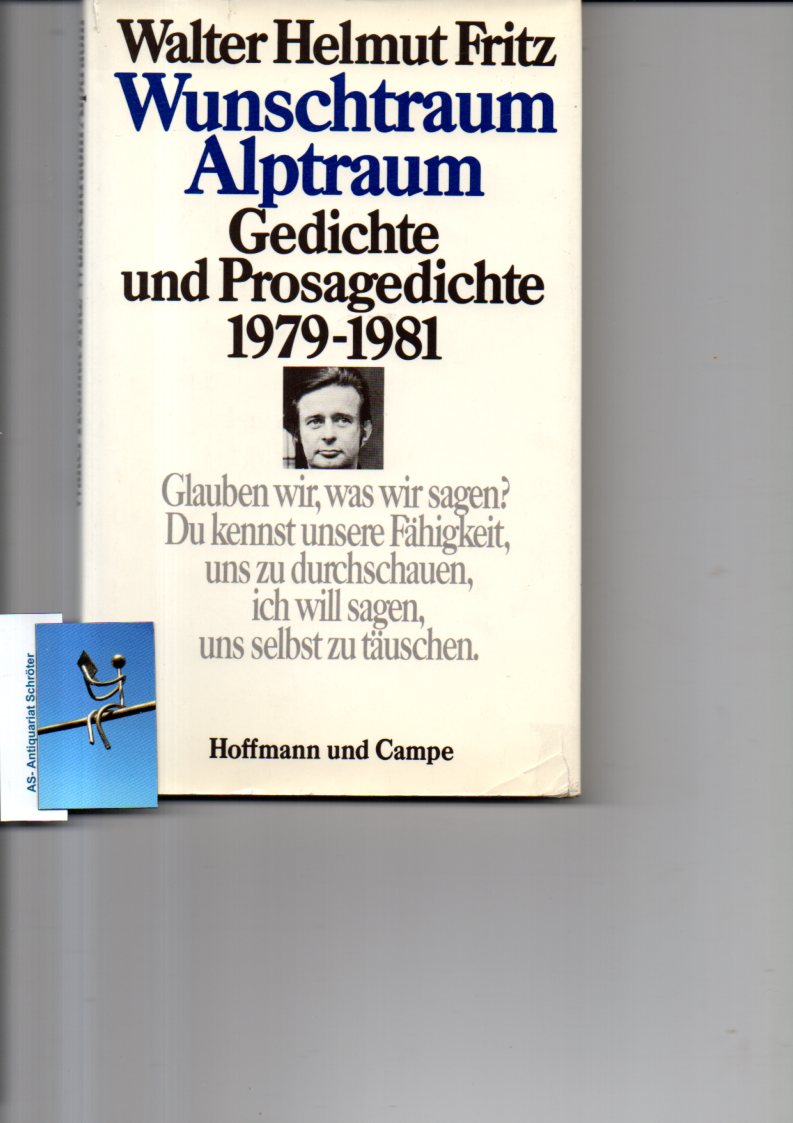
1981réf. 14016Hoffmann und Campe Verlag, Hamburg, 1981. 79 Seiten, OLeinen m. OU, vom Autor datiert, gewidmet und signiert. ("Für Horst Bienek / Sehr herzlich / Ihr / Walter Helmut Fritz / 25.10.81"). Minimale Randeinrisse am Umschlag, Braunflecken am oberen Rand des Einbandes. Ein gutes Exemplar. Selten. Very rare. Good copy, signed by the author. Das Buch stammt aus der Bibliothek eines Autographensammlers. Horst Bienek (Schriftsteller, 1930-1990).
1962réf. 031907Fort Benning GA: U.S. Army Infantry School 1962. Paper Back. Very Good/No Jacket. 4to - over 9¾" - 12" tall. 99pp.; SC staple-bound w/5-holes&no title on spine; blue w/blk.; slight rub w/sun on edges; cleantight pgs. "This handbook covers the principles of clear logical effective writing. It contains specific information on how to apply these principles to the type of writing required in the preparation of staff papers and an aritlcle for publication." bttm.last pg.reads: "34606 Army-Ft.Benning Ga. 9 Jul 62 5500" rare. U.S. Army Infantry School unknown
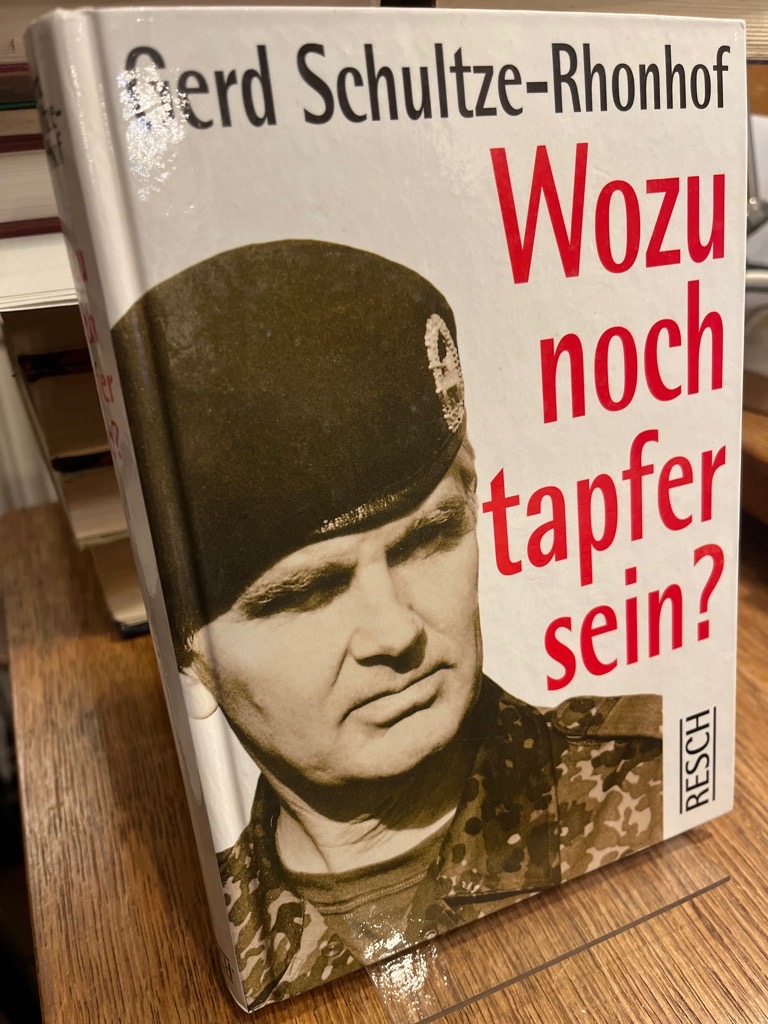
1998réf. 60685Gräfelfing : Resch 1998. 302 S. ; 22 cm Pp., gebundene Ausgabe, Hardcover/Pappeinband +++ auf Titelseite ein Buchhandelwerbung über dieses Buch eingeklebt und seitlich mit Rotstift markiert ++++ sonst Exemplar in gutem Erhaltungszustand
1997réf. 140639Gräfelfing : Resch, 1997. 302 S. ; 22 cm; gebunden, illustrierter Orig.-Pappband;
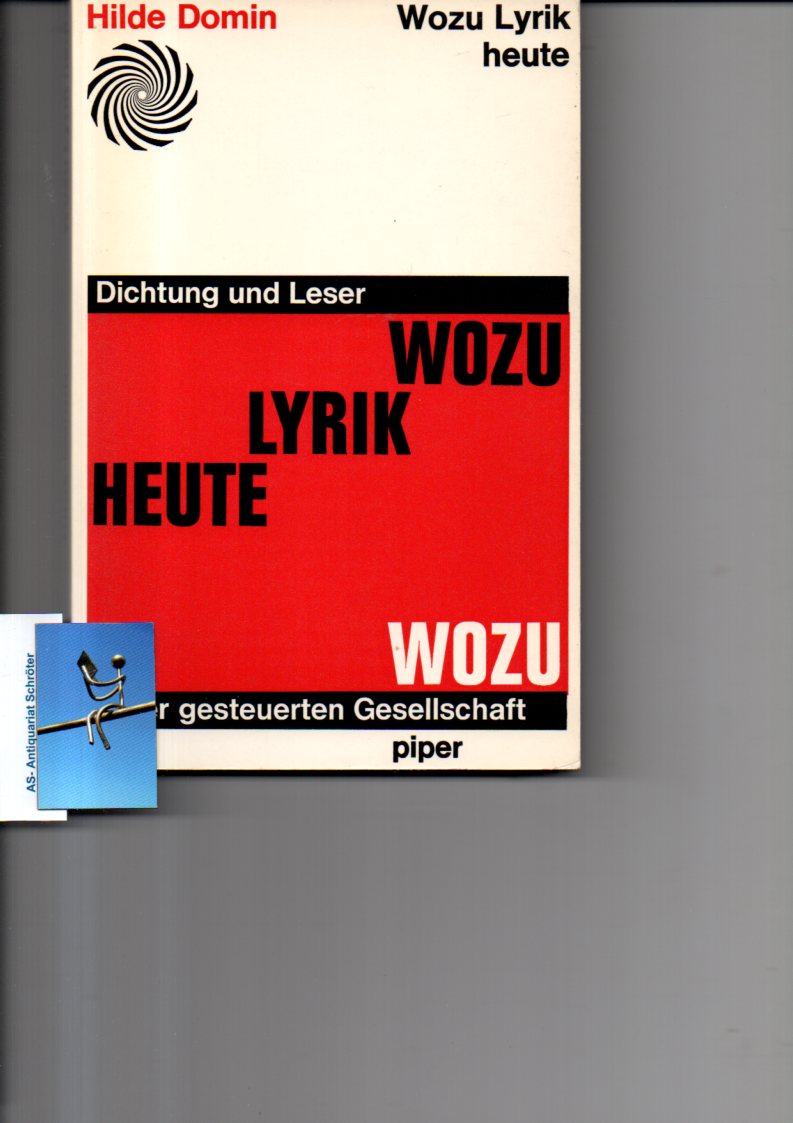
1968réf. 14101Piper Verlag, München, 1968. 201(1) Seiten, OBroschur, signiert, gewidmet. ("Für Sebastian Haffner Hilde Domin Sept. 69"). Reihe: piper paperback. Das Papier an den Rändern etwas gegilbt. Gutes Exemplar. 6.-8. Tausend. Selten. Rare. Good copy, signed by the author. Das Buch stammt aus der Bibliothek eines Autographensammlers. Sebastian Haffner (bürgerlich: Raimund Pretzel; * 27.12.1907 in Berlin; 2.1.1999 ebenda) war ein deutsch-britischer Journalist, Publizist und Schriftsteller..
2003Faint foxing to top of textblock else book is fine. Very light shelfwear to DJ. Dustjacket is protected in mylar. ; W. H. Friedrich's "Verwundung und Tod in Der Ilias", originally published in 1956, discusses in detail the plausibility (or otherwise) of the wounds received on the Homeric battlefield and is therefore of considerable interest to historians of medicine. It also makes a serious and sustained effort to grapple with the question of style, and thus confronts an issue which oral theory has scarcely touched. Peter Jones adds a preface briefly locating the work within the terms of oral theory. A medical analyses in a full appendix is also added. ; 192 pages
1993réf. 264075PN. New. 1993. Soft Cover. Date is original print. This is a reprint edition . PN paperback
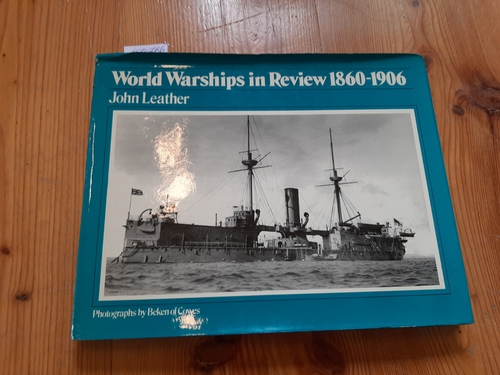
1976réf. 470766London: Macdonald and Jane's. 1976. 264;; Quer. 27,5x22cm. Zustand: Gut bis Sehr Gut min. bis gering gebräunt (Innen); Minischildchen (2x1cm) auf dem Vorsatzblatt, läßt sich wohl entfernen, mir gelang das einmal; Einband (Außen) hat geringe Gebrauchsspuren; Schutzumschlag hat Mängel - gemeint ist hier mehr als leichte Gebrauchsspuren; Ppbd.
1945réf. 100070008Oxford university press 1945 in12. 1945. Cartonné jaquette.
1994réf. 25995Santa Fe, New Mexico : Bear, 1994. XXXVI, 609 pp. Gr. 8°. Orig. half cloth with gold-printing, without DJ.