Eggebrecht, Jürgen in: Ernst PenzoldtAntiquariat.de
30 930 résultats
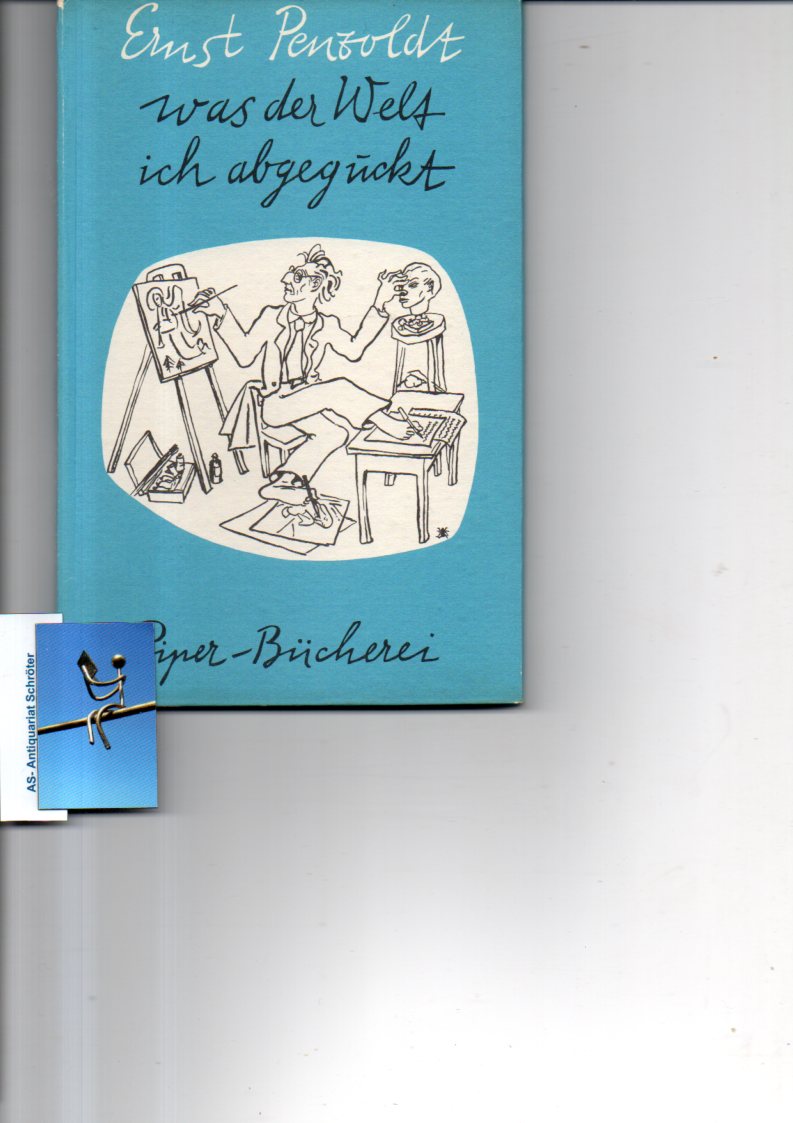
1956réf. 14031Piper-Bücherei Verlag, München, 1956. 58(5) Seiten, OPappband m. OU, von dem Herausgeber Eggebrecht gewidmet und signiert. ("Meinen Freunden Hans-Josef Mundt und seiner Edith mit vorweihnachtlichen Grüßen Jürgen Eggebrecht...2.XII.62"). Ein gutes Exemplar. Die Einbandränder berieben. Selten. Very rare. Good copy, signed by the author. Das Buch stammt aus der Bibliothek eines Autographensammlers. (Eggebrecht, 1898-1982, Schriftsteller, Lektor). (Mundt, 1914-2002, Schriftsteller und Lektor).
1999réf. 37608[Hamburg] : Eidos Interactive, 1999. 194 S. : zahlr. Ill. 4°. Ill. orig. engl. Broschur.
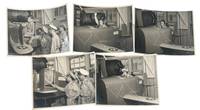
1942réf. 235381942. World War II U.S. Army Air Forces Link Trainer training photo archive of five large format silver gelatin prints circa 1942 to 1945 documenting simulator instruction during the wartime expansion of American military flight training using the first effective training device. The men wear Army Air Forces uniforms aviation badges officer caps and the winged star shoulder sleeve insignia commonly called the Hap Arnold emblem an insignia approved in 1942 for AAF personnel. The photographs place the pilot inside a ground based cockpit trainer while instructors and fellow cadets observe a visual record of how instrument procedure radio communication and cockpit discipline were taught before airborne practice. Invented by Edwin Albert Link in 1929 the Link Trainer was the world's first widely successful and effective mechanical flight simulator. Affectionately dubbed the "Blue Box" it revolutionized aviation by allowing pilots to safely train for blind instrument-only flying and poor weather conditions without leaving the ground. Photo archive of 5 silver gelatin photographs 8 x 10 inches United States circa 1942 to 1945. The photographs show Army Air Forces cadets and officers in a training room with a large cockpit simulator built with stub wings a tail round U.S. star insignia hinged canopy panels external bracing and a cockpit just large enough for one seated trainee. Several images show a trainee wearing headphones and working inside the enclosed trainer; another shows a man raising the canopy while holding a hand microphone; another shows three uniformed men observing a cadet seated at the controls. One image shows a pilot being congratulated or greeted at the simulator door by three officers with a placard on the fuselage reading "International flight." Visible uniform details include the AAF shoulder patch on a cadet's sleeve pilot or aircrew wings over shirt pockets aviation branch collar devices and officer cap insignia linking the group to the Army Air Forces rather than the postwar U.S. Air Force. The Link Trainer became one of the defining instruments of World War II flight instruction because it moved dangerous lessons in blind flying night navigation instrument reading and radio procedure into a controlled classroom setting. The U.S. Army Air Corps had adopted the device before the war and wartime mobilization turned simulator instruction into a standard component of pilot preparation as the Army Air Forces trained pilots at unprecedented scale for bomber fighter transport and liaison service. These photographs are strongest where they show the training process itself: the student isolated inside the cockpit the instructor watching from outside the headset and microphone linking simulated flight to communication procedure and the fuselage marked for an "International flight" exercise. Light curling and occasional creasing; some handling marks in the margins. Overall good condition. A focused visual record of World War II Army Air Forces simulator training and the classroom machinery that converted cadets into wartime pilots. unknown books
1942réf. 235381942. World War II U.S. Army Air Forces Link Trainer training photo archive of five large format silver gelatin prints circa 1942 to 1945 documenting simulator instruction during the wartime expansion of American military flight training using the first effective training device. The men wear Army Air Forces uniforms aviation badges officer caps and the winged star shoulder sleeve insignia commonly called the Hap Arnold emblem an insignia approved in 1942 for AAF personnel. The photographs place the pilot inside a ground based cockpit trainer while instructors and fellow cadets observe a visual record of how instrument procedure radio communication and cockpit discipline were taught before airborne practice. Invented by Edwin Albert Link in 1929 the Link Trainer was the world's first widely successful and effective mechanical flight simulator. Affectionately dubbed the "Blue Box" it revolutionized aviation by allowing pilots to safely train for blind instrument-only flying and poor weather conditions without leaving the ground. Photo archive of 5 silver gelatin photographs 8 x 10 inches United States circa 1942 to 1945. The photographs show Army Air Forces cadets and officers in a training room with a large cockpit simulator built with stub wings a tail round U.S. star insignia hinged canopy panels external bracing and a cockpit just large enough for one seated trainee. Several images show a trainee wearing headphones and working inside the enclosed trainer; another shows a man raising the canopy while holding a hand microphone; another shows three uniformed men observing a cadet seated at the controls. One image shows a pilot being congratulated or greeted at the simulator door by three officers with a placard on the fuselage reading "International flight." Visible uniform details include the AAF shoulder patch on a cadet's sleeve pilot or aircrew wings over shirt pockets aviation branch collar devices and officer cap insignia linking the group to the Army Air Forces rather than the postwar U.S. Air Force. The Link Trainer became one of the defining instruments of World War II flight instruction because it moved dangerous lessons in blind flying night navigation instrument reading and radio procedure into a controlled classroom setting. The U.S. Army Air Corps had adopted the device before the war and wartime mobilization turned simulator instruction into a standard component of pilot preparation as the Army Air Forces trained pilots at unprecedented scale for bomber fighter transport and liaison service. These photographs are strongest where they show the training process itself: the student isolated inside the cockpit the instructor watching from outside the headset and microphone linking simulated flight to communication procedure and the fuselage marked for an "International flight" exercise. Light curling and occasional creasing; some handling marks in the margins. Overall good condition. A focused visual record of World War II Army Air Forces simulator training and the classroom machinery that converted cadets into wartime pilots. unknown
1933réf. 2091502135407520Not Available 1933. Soft Cover. Fine. Number of books: 1 Not Available paperback
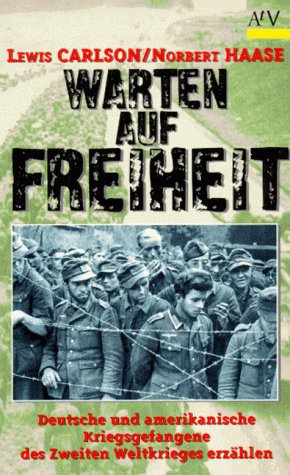
1996réf. 137982Berlin : Aufbau-Taschenbuch-Verl., 1996. 272 S. Kl.-8°, Softcover/Paperback
1973réf. R300262548David & Charles. 1973. In-4. Relié. Bon état, Couv. convenable, Dos satisfaisant, Intérieur frais. U.K., David & Charles, 1973, in 4, reliure éditeur sous jaquette, nombreux dessins à la plume légendés, 96 pp.. Avec Jaquette. . . Classification Dewey : 359-Marine militaire
2004réf. 129691Silverdale Books, Leicester, 2004. 256 S. ; 30,5 x 23,5 cm , Pp. ;
1978réf. R300262532Ian Allan. 1978. In-8. Relié. Bon état, Couv. convenable, Dos satisfaisant, Intérieur frais. London, Ian Allan, 1978, in 8, reliure éditeur sous jaquette, nombreuses photos et fiches techniques, 128 pp. texte en langue anglaise.. Avec Jaquette. . . Classification Dewey : 359-Marine militaire
1979réf. R300262533Ian Allan. 1979. in-8. Relié. Bon état, Couv. convenable, Dos satisfaisant, Intérieur frais. London, Ian Allan, 1979, in 8, reliure éditeur sous jaquette, nombreuses photos et fiches techniques,152 pp. texte en langue anglaise.. Avec Jaquette. . . Classification Dewey : 359-Marine militaire
1981réf. 28382JANE'S, 1981, in-4°, New Edition. London, Jane's 1981, 120p., in-4, illustré, index, reliure d'éditeur & jaquette (bon état).
2006réf. 129688Udyat S. L., Spain, 2006. 96 S. ; 29 x 22,5 cm ; Pp. ;
1977réf. 129547Conway Maritime Press, London, 1977. 64 S. ; 24 x 18,5 cm ; kart. ;
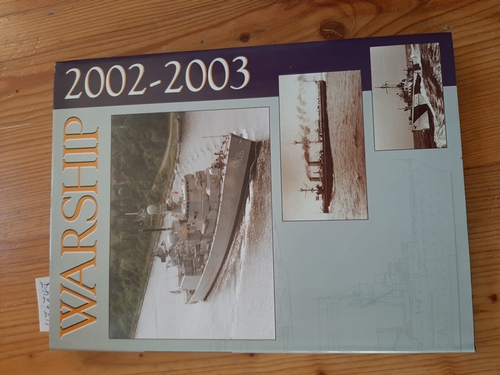
2003réf. 470747London: Conway. 2003. 202 Seiten. 27,5x20cm. Zustand: Sehr Gut, eher ungelesen; Minischildchen (2x1cm) auf dem Vorsatzblatt, läßt sich wohl entfernen, mir gelang das einmal; Ppbd.
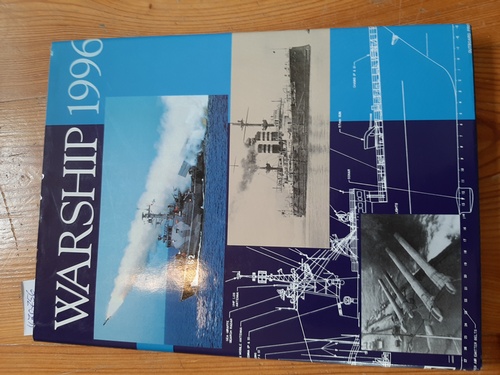
1996réf. 470756London: Conway. 1996. 224 Seiten. 27,5x20cm. Zustand: Sehr Gut, eher ungelesen; Minischildchen (2x1cm) auf dem Vorsatzblatt, läßt sich wohl entfernen, mir gelang das einmal; Ppbd.
1995réf. 470757London: Conway. 1995. 224 Seiten. 27,5x20cm. Zustand: Sehr Gut, eher ungelesen; Minischildchen (2x1cm) auf dem Vorsatzblatt, läßt sich wohl entfernen, mir gelang das einmal; Ppbd.
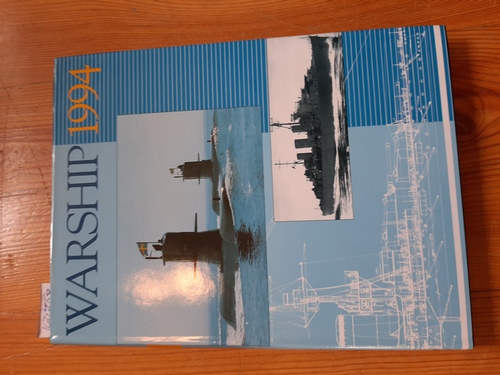
1994réf. 470758London: Conway. 1994. 256 Seiten. 27,5x20cm. Zustand: Sehr Gut, eher ungelesen; Minischildchen (2x1cm) auf dem Vorsatzblatt, läßt sich wohl entfernen, mir gelang das einmal; Ppbd.
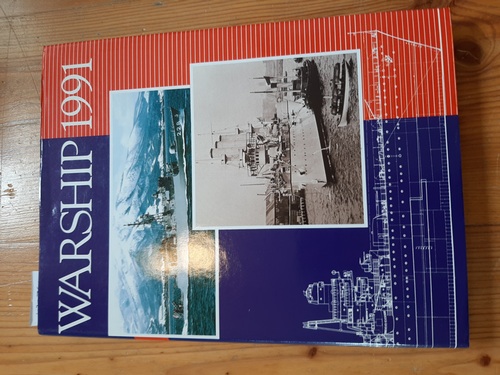
1991réf. 470760London: Conway. 1991. 256 Seiten. 27,5x20cm. Zustand: Sehr Gut, eher ungelesen; Minischildchen (2x1cm) auf dem Vorsatzblatt, läßt sich wohl entfernen, mir gelang das einmal; Ppbd.
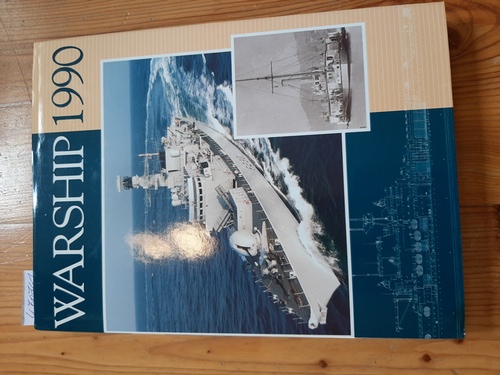
1990réf. 470761London: Conway. 1990. 255 Seiten. 27,5x20cm. Zustand: Sehr Gut, eher ungelesen; Minischildchen (2x1cm) auf dem Vorsatzblatt, läßt sich wohl entfernen, mir gelang das einmal; Ppbd.
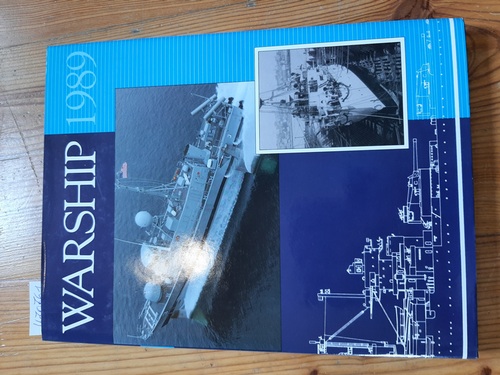
1989réf. 470762London: Conway. 1989. 255 Seiten. 27,5x20cm. Zustand: Sehr Gut, eher ungelesen; Minischildchen (2x1cm) auf dem Vorsatzblatt, läßt sich wohl entfernen, mir gelang das einmal; Ppbd.
1938réf. 43963172552746ВаршавÑко-ИвангородÑÐºÐ°Ñ Ð¾Ð¿ÐµÑ€Ð°Ñ†Ð¸Ñ. / Сборник документов мировой империалиÑтичеÑкой войны на руÑÑком фронте 1914–1917 гг. Маневренный период 1914 г. Генеральный штаб РККÐ. МоÑква : ГоÑвоениздат Ðародного комиÑÑариата обороны СССР 1938. 512 Ñ. 4 л. Ñхем. ИздательÑкий коленкоровый переплет Ñ ÑеребрÑным тиÑнением по передней крышке и корешку формат 26 × 17 Ñм. СоÑтоÑние: залом верхнего уголка переплета; блок в хорошей ÑохранноÑти. Схемы к документам. / МоÑква : Воениздат 1938. ИздательÑÐºÐ°Ñ ÐºÐ¾Ð»ÐµÐ½ÐºÐ¾Ñ€Ð¾Ð²Ð°Ñ папка Ñ ÑеребрÑным тиÑнением формат 26 × 165 Ñм. СоÑтоÑние: в хорошем ÑоÑтоÑнии; карты 1–3 отÑутÑтвуют. Warsaw-Ivangorod Operation. / Collection of documents of the world imperialist war on the Russian front 1914–1917. Maneuverable period of 1914. General Staff of the Red Army. Moscow : Gosvoenizdat of the People's Commissariat of Defense of the USSR 1938. 512 pp. 4 leaves of diagrams. Publisher's calico binding with silver embossing on the front cover and spine 26 × 17 cm. Condition: fold in the upper corner of the binding; the text block is in good condition. Diagrams for the documents. / Moscow: Voenizdat 1938. Publisher's calico folder with silver embossing 26 × 16.5 cm. Condition: good; maps 1–3 are missing. In Russian. This massive 1938 publication by the General Staff of the Red Army is a vital scholarly resource documenting the Warsaw-Ivangorod Operation one of the most significant strategic encounters on the Eastern Front during the opening months of World War I. Spanning September to early November 1914 this maneuverable phase of the war saw the Imperial Russian Army successfully repel a major offensive by combined Austro-German forces securing a critical victory for the Entente. The volume consists of an exhaustive collection of primary source documents including operational orders reports and telegrams from the front lines. These materials provide an unfiltered look at the decision-making processes of the Russian High Command and the tactical realities of early 20th-century warfare. The inclusion of the separate folder of diagrams and maps notably produced by Voenizdat highlights the logistical and geographic complexity of an operation that covered a vast front in Poland. The "world imperialist war" terminology used in the title reflects the historiographical approach of the People's Commissariat of Defense NKO during the late 1930s. Despite the ideological framing the technical and military analysis within remains rigorous as the Red Army General Staff studied these Imperial-era battles intensely to prepare for future conflicts. The physical presentation is typical of high-level academic military editions of the Stalinist era featuring a durable calico binding with striking silver embossing. For military historians researchers of World War I and collectors of Red Army General Staff publications this work is a cornerstone primary source on Russian strategic successes and the immense human cost of the Great War's Eastern Front. History Gosvoenizdat of the People's Commissariat of Defense of the USSR hardcover
2004Very Light shelfwear. ; This brilliant account covers a millennium of Greek warfare. With specially commissioned battle maps and vivid illustrations, Victor Davis Hanson takes the reader into the heart of Greek warfare, classical beliefs, and heroic battles. This colorful portrait of ancient Greek culture explains why their approach to fighting was so ruthless and so successful. Development of the Greek city-state and the rivalries of Athens and Sparta. Rise of Alexander the Great and the Hellenization of the Western world. Famous thinkers—Sophocles, Socrates, Demosthenes—who each faced his opponent in battle, armed with spear and shield. Unsurpassed military theories that still influence the structure of armies and the military today. ; Smithsonian History of Warfare; 240 pages
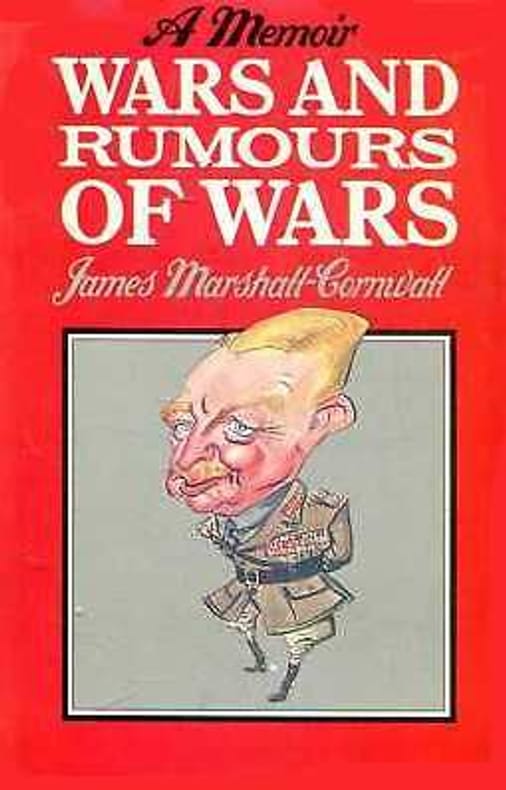
1984réf. 73374London, Leo Cooper, Secker & Warburg, 1984 in-8°, vi-257 pp, 24 photos sur 16 pl. hors texte, notes, index, reliure éditeur, jaquette illustrée, bon état