Antiquariat.de
30 954 résultats
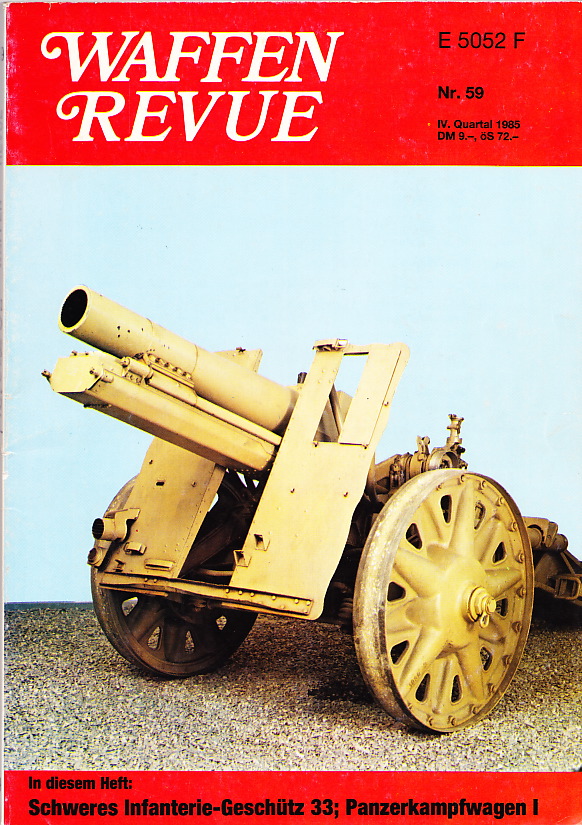
1985réf. NAT2385Schwäbisch Hall, Schwend, 1985. IV. Quartal. 9353 - 9512 S, Ill., graph. Darst., 8° (21 cm H.), ill. OKart. (TB) - gute Erhaltung. broschiert/ Taschenbuch/ paperback
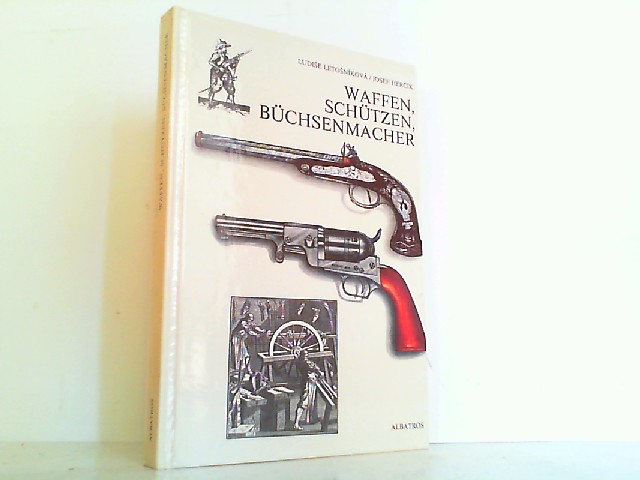
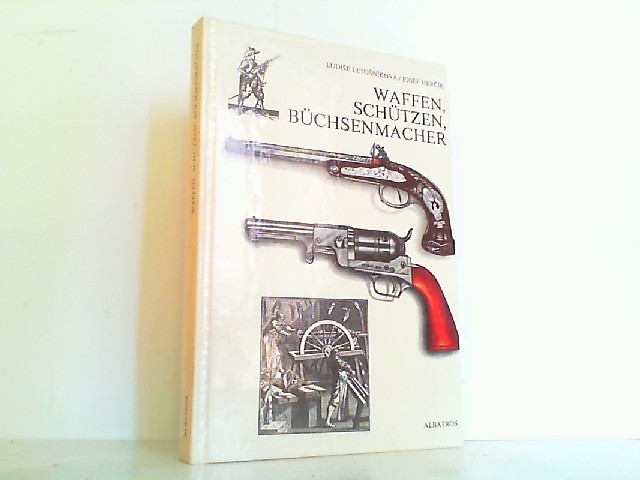
1982réf. 241112Prag, Albatros Verlag, 1982.
1982réf. 50360Prag, Albatros Verlag, 1982.
19878vo., First Edition, text in German, with photographs, illustrations and diagrams in the text; black cloth, backstrip lettered in red, a near fine copy in unclipped dustwrapper.
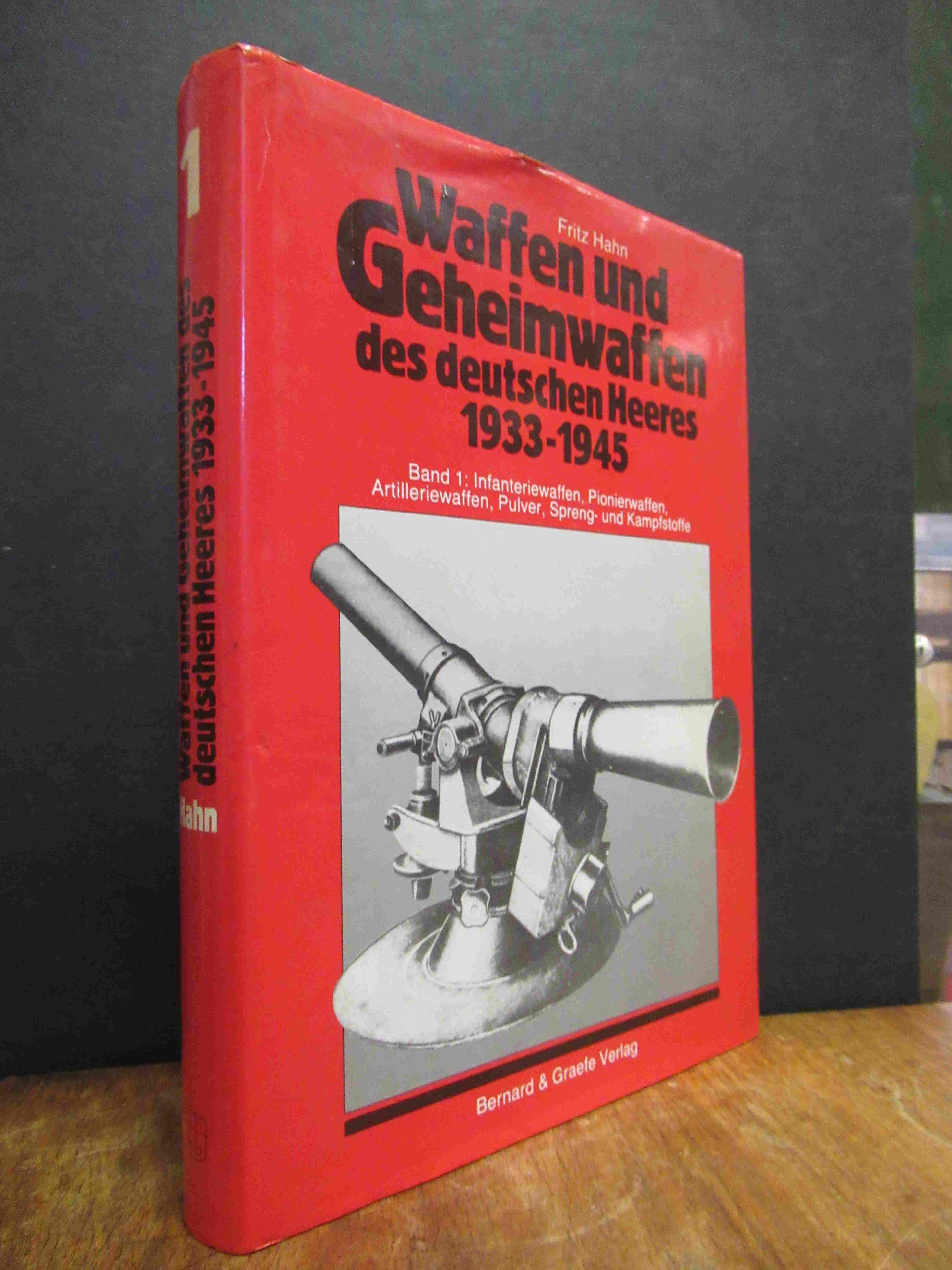
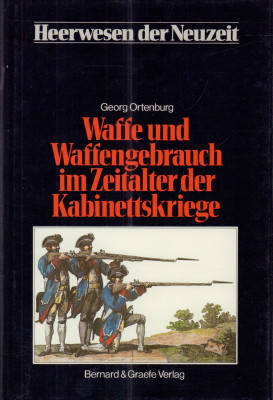
1986réf. 40750ABKoblenz, Bernard und Graefe, 1986. gr.8°, 239 S. mit sehr zahlreichen s/w-Abbildungen, Illustrationen, technischen Zeichungen etc., original Leineneinband mit illustr. original Schutzumschlag, Erstausgabe ganz leichter Nikotingeruch (verliegt), sonst ein gutes, sauberes Exemplar
1992réf. 128727Bonn: Bernard & Graefe Verlag, 1992. 239, 320 S. ; 24 x 17 cm ; Pp. ;
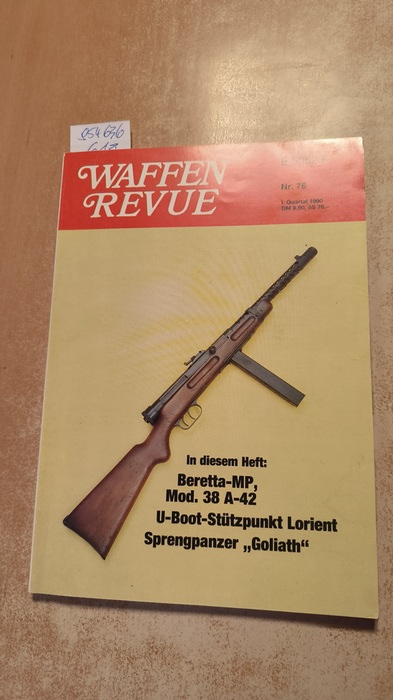
1990réf. 954636Nürnberg: Publizistisches Archiv für Militär- und Waffenwesen Pawlas. 1990. 21cm. Zustand: Gut bis Sehr Gut min. bis gering gebräunt (Innen); Einband (Außen) min. bis geringe Gebrauchsspuren; Broschiert
1972réf. 954786Nürnberg: Publizistisches Archiv für Militär- und Waffenwesen Pawlas. 1972. 689-855 Seiten. 21cm. Zustand: Gut gering bis leicht gebräunt, etwas wellig (Innen); Einband (Außen) hat leichte Gebrauchsspuren; Broschiert
1973réf. 954011Nürnberg: Publizistisches Archiv für Militär- und Waffenwesen Pawlas. 1973. 1497-1656 Seiten. 21cm. Zustand: Gut gering bis leicht gebräunt (Innen); Einband (Außen) hat leichte Gebrauchsspuren; Schnitt ist min. bis geringfügig fleckig; Broschiert
1990réf. 27689Stuttgart : Motorbuch-Verl. 1990. 348 S. : 557 Abb. ; 27 cm Pp., gebundene Ausgabe, Hardcover/Pappeinband
1992réf. 1236566Bonn : Bernard und Graefe, 1992. 276 S. : Ill., graph. Darst., Kt. Originalbroschur mit Schutzumschlag.
1986réf. 1236562Koblenz : Bernard u. Graefe, 1986. 208 S. : 98 Ill., graph. Darst. u. Kt. Festeinband mit Schutzumschlag.
1986réf. 52878Koblenz, Bernard und Graefe Verlag, 1986. Mit zahlreichen Abbildungen. 208 S. Gr.-8°, Ln., OU. Leichte Gebrauchsspuren, sonst gut erhalten.
1990réf. 1236569Koblenz : Bernard u. Graefe, 1990. 227 S. : 95 Ill., graph. Darst. u. Kt. Originalbroschur mit Schutzumschlag.
1990réf. 231017PN. New. 1990. Soft Cover. Date is original print. This is a reprint edition . PN paperback
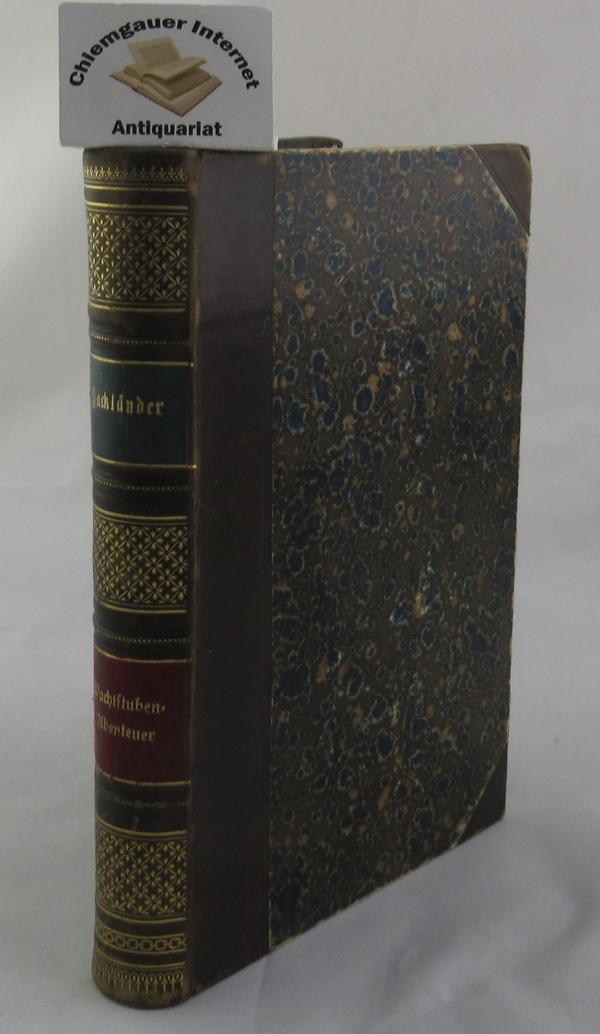
1885réf. 256761Carl Krabbe, 1885. 511 Seiten. Originalhalblederband mit reicher Rückentitelvergoldung und Lederecken. 20 cm. Halbleinen
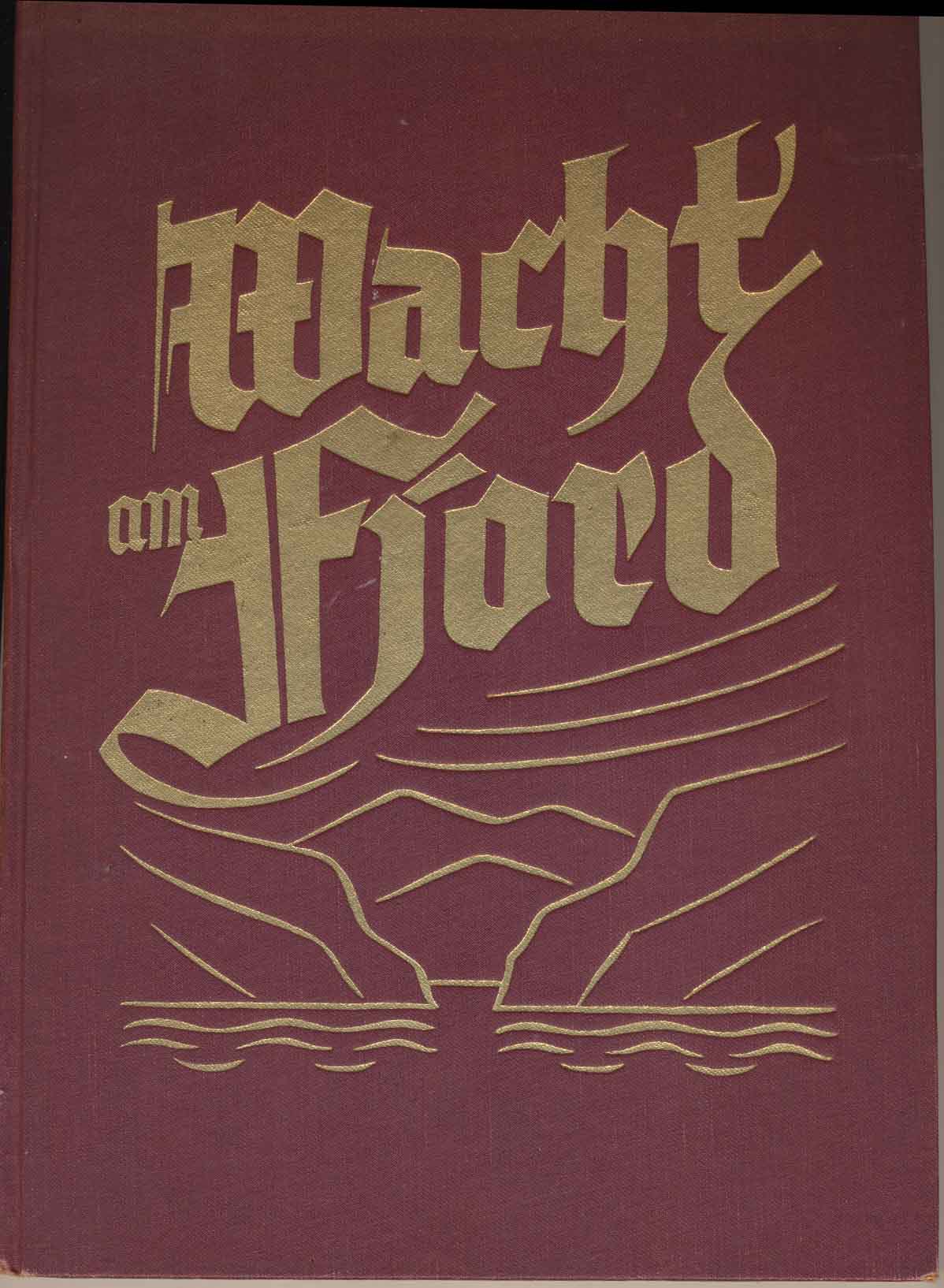
1941réf. 15714verlag des Nordland - Echo .[in Norwegen gedruckt mit deutschen Druckfarben], 1941. mit vielen schwarzweißen fot. Abb. ill. OLwd. (Gold-Blindprägung), 80 nn. S., Gr.8° (=24 cm)
1950réf. 231531950. WACKorean War Women's Army Corps photo album compiled by Sgt. Elizabeth Adamek of Cairnbrook PA ca. early to mid 1950s extensively recording enlisted women in post-1948 U.S. Army administrative operations at Camp Zama Japan during the Korean War period. Elizabeth Adamek later Elizabeth Adamek Pierce 1932-2016 served approximately twenty years in the United States Army as an administrative assistant and instructor including service in Japan and the Korean Theater during the Korean War. Adamek is shown several times in uniform with her twin sister Cpl. Cristania Adamek indicating the sisters served in the WAC around the same time period. This album documents postwar U.S. Army overseas base administration showing how clerical labor recordkeeping and office management were carried out by WAC personnel during the Korean War. Images of Hill and fellow servicewomen engaged in office work reveal women's roles in the Army's daily bureaucratic and logistical functions while stationed abroad. A comprehensive primary-source documentation of the operational role of women within permanent peacetime Army structures following the formal establishment of the Women's Army Corps in 1948. Photo archive of approximately 240 silver gelatin photographs from Camp Zama Japan and the United States circa early to mid 1950s. The album is housed in a Japanese lacquer-style postbound binding with black paper leaves containing a mixture of small snapshot prints deckle-edge photographs and larger mounted images. The visual content centers on Hill frequently shown in WAC uniform posed in front of barracks administrative buildings and landscaped areas as well as inside office environments seated at desks surrounded by stacked files paperwork and card index systems. Several images explicitly depict clerical workspaces including a servicewoman operating a typewriter beside filing drawers reinforcing the administrative function of WAC personnel. A clearly legible building sign reads "Camp Zama 8030th Army Unit APO 50" situating the album within a specific military unit structure. Additional photographs include formal military reviews with officers and dignitaries group portraits of uniformed women before display walls and social scenes in dining facilities and clubs. Off-duty life is extensively documented through images of Japanese urban streets market stalls rail platforms commercial signage shrine gateways temple architecture zoo enclosures and landscaped gardens alongside recreational scenes such as swimming roadside travel and barracks exteriors collectively illustrating both the operational and social dimensions of overseas Army life. Adamek is posed throughout the album with a romantic partner one Sgt. Kidder whose service at Camp Zama is also documented extensively. The album captures the workings of U.S. Army overseas base administration demonstrating the process by which women in the Women's Army Corps sustained military infrastructure through administrative labor. Camp Zama functioned as a major logistical and support installation during the Korean War era and the photographs provide insight into the women that maintained its operations while also recording the social networks and cultural encounters experienced by American service personnel in postwar Japan. Elizabeth Adamek Pierce's obituary in The Oklahoman indicates she was honorably discharged from the US Army in 1971 after which she relocated to Oklahoma City and worked in an administrative role with the OKC Police Department. Adamek was a member of the Civil Air Patrol the VFW Post 1335 and a volunteer at Tinker Air Force Base in Oklahoma City. Light edge wear and chipping to album leaves occasional corner wear scattered fading and softness to prints and general handling wear to the binding; overall good condition. A cohesive and well-identified visual record of women's military service in the U.S. Army in East Asia. unknown books
1950réf. 231531950. WACKorean War Women's Army Corps photo album compiled by Sgt. Elizabeth Adamek of Cairnbrook PA ca. early to mid 1950s extensively recording enlisted women in post-1948 U.S. Army administrative operations at Camp Zama Japan during the Korean War period. Elizabeth Adamek later Elizabeth Adamek Pierce 1932-2016 served approximately twenty years in the United States Army as an administrative assistant and instructor including service in Japan and the Korean Theater during the Korean War. Adamek is shown several times in uniform with her twin sister Cpl. Cristania Adamek indicating the sisters served in the WAC around the same time period. This album documents postwar U.S. Army overseas base administration showing how clerical labor recordkeeping and office management were carried out by WAC personnel during the Korean War. Images of Hill and fellow servicewomen engaged in office work reveal women's roles in the Army's daily bureaucratic and logistical functions while stationed abroad. A comprehensive primary-source documentation of the operational role of women within permanent peacetime Army structures following the formal establishment of the Women's Army Corps in 1948. Photo archive of approximately 240 silver gelatin photographs from Camp Zama Japan and the United States circa early to mid 1950s. The album is housed in a Japanese lacquer-style postbound binding with black paper leaves containing a mixture of small snapshot prints deckle-edge photographs and larger mounted images. The visual content centers on Hill frequently shown in WAC uniform posed in front of barracks administrative buildings and landscaped areas as well as inside office environments seated at desks surrounded by stacked files paperwork and card index systems. Several images explicitly depict clerical workspaces including a servicewoman operating a typewriter beside filing drawers reinforcing the administrative function of WAC personnel. A clearly legible building sign reads "Camp Zama 8030th Army Unit APO 50" situating the album within a specific military unit structure. Additional photographs include formal military reviews with officers and dignitaries group portraits of uniformed women before display walls and social scenes in dining facilities and clubs. Off-duty life is extensively documented through images of Japanese urban streets market stalls rail platforms commercial signage shrine gateways temple architecture zoo enclosures and landscaped gardens alongside recreational scenes such as swimming roadside travel and barracks exteriors collectively illustrating both the operational and social dimensions of overseas Army life. Adamek is posed throughout the album with a romantic partner one Sgt. Kidder whose service at Camp Zama is also documented extensively. The album captures the workings of U.S. Army overseas base administration demonstrating the process by which women in the Women's Army Corps sustained military infrastructure through administrative labor. Camp Zama functioned as a major logistical and support installation during the Korean War era and the photographs provide insight into the women that maintained its operations while also recording the social networks and cultural encounters experienced by American service personnel in postwar Japan. Elizabeth Adamek Pierce's obituary in The Oklahoman indicates she was honorably discharged from the US Army in 1971 after which she relocated to Oklahoma City and worked in an administrative role with the OKC Police Department. Adamek was a member of the Civil Air Patrol the VFW Post 1335 and a volunteer at Tinker Air Force Base in Oklahoma City. Light edge wear and chipping to album leaves occasional corner wear scattered fading and softness to prints and general handling wear to the binding; overall good condition. A cohesive and well-identified visual record of women's military service in the U.S. Army in East Asia. unknown
19358vo., Seventh Impression; red cloth, upper board and backstrip ruled and lettered in black, a very good, bright, clean copy. With 6pp publishers' catalogue bound in at end. First published in 1930. Apparently not recorded by Enser.
1944réf. 24341Buffalo NY: Camp Specialty Co 1944. Very good condition. Silk color illustrated souvenir pillow cover from Army Sgt Charles B. Russell who was serving "somewhere in Australia" to be presented to his sister Miss Maxine Russell of Hopkins MO. With the original envelope in which it was posted on April 28 1944. The pink silk cover has a poem printed on the front: "US Army Sister of all the girls I ever knew; there never was one like you. You're the nearest -You're the dearest - pal I ever knew". The edges are decorated with vignettes of an antiaircraft gun machine gun paratrooper field gun tank and bomber printed in blue & green with an American flag and American crest. Navy blue & yellow fringe sewn around the edges The pillow cover 17 x 17". The envelope 11 3/4 x 6 1/2" Camp Specialty Co unknown
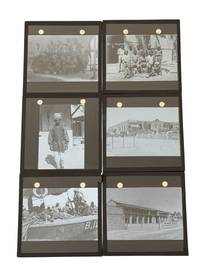
1916réf. 235501916. British Indian Army medical and transport lantern slide archive circa 1916 documenting the hospital personnel river craft and built environment of the Mesopotamia Campaign during World War I. The sign for "No. 10 Indian General Hospital" places the group within the British Indian Army medical network operating at Basra after the disastrous siege of Kut and the rapid expansion of medical facilities for Indian Expeditionary Force D. The slides record the imperial military system through hospitals military harbor craft Indian attendants British soldiers and institutional buildings. Photo archive of 8 glass lantern slides each 3.25 x 3.25 inches likely Basra Mesopotamia present day Iraq circa 1916. The slides show a group portrait of Western military men in shirtsleeves and campaign dress; a group of Indian men posed outside a palm shaded compound; an Indian man in turban coat and light trousers standing near a building; and a large institutional structure identified by a foreground sign reading "No. 10 Indian General Hospital." Other views show soldiers and crew aboard a river vessel marked "B.12"; a river steamer or launch moving along a waterway; a long bungalow or hospital ward with verandah fencing and palms; and a cemetery or memorial setting with military graves crosses and a decorated headstone. The images emphasize hospitals transport quarters and personnel with Indian and Western subjects appearing within the same military geography. No. 10 Indian General Hospital was part of the medical expansion that followed the early failures of the Mesopotamia Campaign when heat disease inadequate evacuation routes and insufficient hospital capacity exposed the weakness of British Indian medical planning. Basra became the principal receiving and hospital base for the campaign linking river transport from the front to permanent and temporary medical facilities near the Gulf. Light surface wear minor fading and occasional abrasions visible; glass show no signs of cracking or scratching mounts appear intact. Overall very good condition. A small record of British Indian Army medical logistics and colonial military presence in Mesopotamia during the First World War. unknown books
1916réf. 235501916. British Indian Army medical and transport lantern slide archive circa 1916 documenting the hospital personnel river craft and built environment of the Mesopotamia Campaign during World War I. The sign for "No. 10 Indian General Hospital" places the group within the British Indian Army medical network operating at Basra after the disastrous siege of Kut and the rapid expansion of medical facilities for Indian Expeditionary Force D. The slides record the imperial military system through hospitals military harbor craft Indian attendants British soldiers and institutional buildings. Photo archive of 8 glass lantern slides each 3.25 x 3.25 inches likely Basra Mesopotamia present day Iraq circa 1916. The slides show a group portrait of Western military men in shirtsleeves and campaign dress; a group of Indian men posed outside a palm shaded compound; an Indian man in turban coat and light trousers standing near a building; and a large institutional structure identified by a foreground sign reading "No. 10 Indian General Hospital." Other views show soldiers and crew aboard a river vessel marked "B.12"; a river steamer or launch moving along a waterway; a long bungalow or hospital ward with verandah fencing and palms; and a cemetery or memorial setting with military graves crosses and a decorated headstone. The images emphasize hospitals transport quarters and personnel with Indian and Western subjects appearing within the same military geography. No. 10 Indian General Hospital was part of the medical expansion that followed the early failures of the Mesopotamia Campaign when heat disease inadequate evacuation routes and insufficient hospital capacity exposed the weakness of British Indian medical planning. Basra became the principal receiving and hospital base for the campaign linking river transport from the front to permanent and temporary medical facilities near the Gulf. Light surface wear minor fading and occasional abrasions visible; glass show no signs of cracking or scratching mounts appear intact. Overall very good condition. A small record of British Indian Army medical logistics and colonial military presence in Mesopotamia during the First World War. unknown
réf. 22987Headed Salisbury Rhodesia no date. Part of headed notepaper 11 x 8.5cm good condition tipped on to slightly larger piece of paper as is corner a small clipping from a newspaper about his activity against yellow fever. Text in his hand: "W.C. Gorgas. Colonel Medical Corps U.S. Army Panama". [Headed] Salisbury, Rhodesia, no date unknown
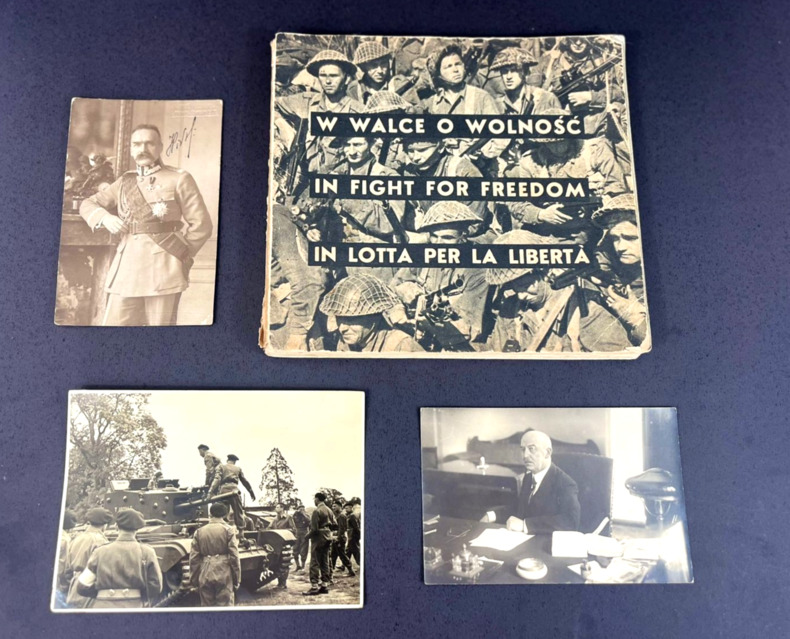
1945réf. 517This is a set which belonged to Janusz Gluchowski, a high-ranking Polish military officer at the time of the WW2. The set contains three original B&W pictures. First one: undated postcard showing Marshal Jozef Pilsudski, signed by himself in black ink, 8.5 x 13.5 cm, with two embossed mentions above and below. Second picture: undated postcard showing Poland President Gabriel Narutowicz, with a written mention on the back. Third picture: 11 x 15.5 cm photograph. General Tadeusz Bór-Komorowski inspecting a British Cromwell tank, accompanied by Polish officers of the 3rd Armored Regiment (3 puk pancerny). The image was captured during an official ceremony in the city of Kelso, Scotland, in the immediate post-war period, on June 15, 1945. The scene shows the General in an observation position, climbing onto the tank while surrounded by Polish soldiers. The tank corresponds to a British model widely used by Polish forces in exile during the Western European campaign. On the reverse, the following handwritten inscriptions appear: VI 1945, Kelso. N. Wódz gen. Bór-Komorowski dokonuje inspekcji 3 p. panc. N. Wódz w towarzystwie bryg. puku na czogu." / June 15, 1945, Kelso The book is an illustrated three-languages (Polish, English and Italian) set commemorating the struggles of the Polish II Corps. Edited by Wyda Rererat [Referat] Kultury i Prasy Kresowej Dywizji Piechoty in Rome, 1945. Oblong book of 21 x 19 cm, unpaginated (144 pp.). Cover detached. Endpapers and first page show Janusz Gluchowski's stamp. In publisher's photographically illustrated wrappers. Each page contains a photographic image or a photomontage accompanied with a short text in three languages. Front cover shows some wear and tear, the binding is a bit loose - we would advise having this book bound. The Polish II Corps was a major tactical and operational unit recruited from Polish deportees in the Soviet Gulags in 1943. First they fought in the Middle East, and in 1944 February they were transferred to Italy and as independent part of the British Army to fight in the Italian campaign, in the battles of Monte Cassino and Ancona and also the Battle of Bologna during the final offensive in Italy in 1945. The book goes through the story of Poland and the later established Polish II Corps, starting with the German and Soviet occupation in 1939. It shows the deportation of Poles to forced labour to the Gulag and, after the Polish-Russian Military Agreement in 1941, the establishment of the Polish Army on Soviet soil, also their military training and their fights in various battles. Janusz Julian Gluchowski was a Major General in the Polish Army during the Second Polish Republic. He was born on August 6, 1888, in Bukowa. He fought in the Polish Legions in World War I, the Polish-Ukrainian War, the Polish-Soviet War, and the invasion of Poland by Nazi Germany, Slovakia, and the Soviet Union in 1939, which culminated in the start of World War II. In his adolescence, he attended high school in Czstochowa. In 1905, he became a member of the Combat Organization of the Polish Socialist Party and was wounded in the hand during an attack near Czstochowa. To avoid arrest by the Russian authorities, he left for Belgium, where he studied at the University of Liège. He returned to divided Poland around 1910 and settled in Austrian Galicia. In 1912 he graduated from the Officers' School of the Riflemen's Association in Stroza, near Krakow. In the early hours of August 1914, he commanded a platoon in Oleandria and was Wadysaw Belina-Pramowski's representative during the legendary attack of the so-called Seven Lancers of Belina (Uaska siódemka). On August 6th, together with the First Cadre Company, he left Krakow and marched to Miechów. In October 1914 he was promoted to Lieutenant (Poruchik) and, in November 1916, to Rittmeister (Cavalry Master). Until 1917 he served in the First Uhlan Regiment of the Polish Legions. After the Oath Crisis (Kryzys przysigowy) he was interned first in Fort Beniaminów and later in Werl. Released in October 1918, he went to Lublin, where, in early November, he formed the Third Ulan Regiment (later renamed the Seventh Ulan Regiment of Lublin). Along with his unit, he fought in the Polish-Soviet War. On May 29, 1920, he was promoted to Polkovnik. He was transferred in July 1920 to Eastern Galicia, taking command of the First Cavalry Brigade, fighting against the Soviets in Galicia and Volhynia. After the war, he remained in this position until 1925, when he was transferred to the Fourth Cavalry Brigade. Promoted to Brigadier General on March 16, 1927. Appointed commander of the Center for Higher Military Studies on June 4, 1930, and three years later, after the death of General Stanislaw Tessaro, he was appointed commander of Military District X in Przemyl. In October 1935, he became Deputy Minister of Military Affairs. In the early days of the 1939 invasion of Poland, Gluchowski ordered General Walerian Czuma to prepare the defense of Warsaw. In mid-September 1939, he fled to Romania. After his escape, he managed to travel to the Middle East and, in January 1941, received orders to go to London. In October 1941, he was appointed Commander of the Training Brigade stationed in Scotland. On September 23, 1943, he was appointed commander of all Polish Army units stationed in Great Britain, except the First Independent Parachute Brigade, which remained under the authority of the Commander-in-Chief. He was promoted to Major General on June 1, 1945. He decided not to return to Soviet-occupied Poland and remained in Great Britain. He frequently criticized the Soviet regime and the Soviet occupation authorities in postwar Poland. Furthermore, he was one of the founders and president of the Jozef Pilsudski Institute in London. He was, therefore, an active member of the Polish community in Great Britain. He was president and honorary member of several Polish veterans' organizations. He died on June 11, 1964, in London, England.