14 312 résultats
1930réf. G42285Paris-Bruges, Desclée de Brouwer 1930 114pp., br.orig., 19cm., qqs. cachets, bon état, G42285
1971réf. 45438Albin Michel, 1971, in-8°, 266 pp, broché, couv. illustrée, bon état
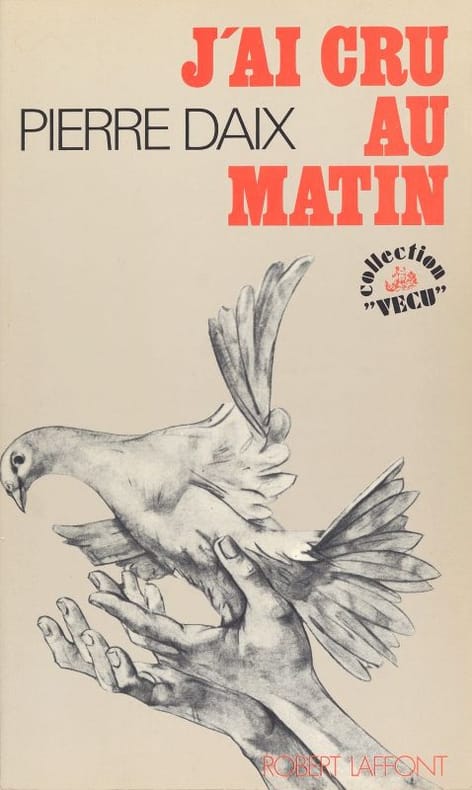
1976réf. 23612Laffont/Opéra Mundi, 1976, gr. in-8°, 471 pp, 18 photos et un plan de Mauthausen sur 8 pl. hors texte, index, broché, couv. illustrée, bon état (Coll. Vécu)
1966Due volumi. Ottavo (24 x 16 cm). XIII, 317; XIII, 343 p. Entrambi i volumi con illustrazioni in bianco e nero fuori testo. Legatura editoriale in tutta tela verde con incisioni al dorso e al piatto anteriore, con sovraccoperta in acetato, raccolti in un unico cofanetto editoriale in cartoncino illustrato. Volumi in ottimo stato, minimi segni d’uso ad entrambe e coperte e minimo ingiallimento delle pagine, visibili segni d’uso e del tempo al cofanetto. Prima edizione.
In-8, legatura cartonata editoriale con sovraccoperta, pp. 473(5); 36 illustrazioni fotografiche in bianco e nero fuori testo. Esemplare discreto.
1937229pp., br.
1937réf. R48359Paris, Spes 1937 229pp., br.
1975In 8°, brossura editoriale illustrata (fioriture sparse), pp. 56, coll. "Magistero Episcopale 1", nel complesso buon esemplare. (a009)
Antwerpen/Meppel/Amsterdam, De Nederlandsche Boekhandel/Boom 1979, 307pp., gebroch., goede staat, G21450
réf. G21450, Antwerpen/Meppel/Amsterdam, De Nederlandsche Boekhandel/Boom 1979, 307pp., gebroch., goede staat, G21450
in-8 , 336pp, biblio, index. ISBN: 2234021197
réf. R15810, Tongerloo, St. Norbertus-Boekhandel, 1937, 239pp., originele omslag, goede staat, R15810
1937réf. 103712P., Editions Spes, 1937, in-12, 32 pp, agrafé, bon état
in-8 pp. 181 p.tela edit. con sovracoperta protetta, ottimo, ma sottolineature e firma appartenenza
1969Roma, Samonà e Savelli, 1969, 8vo br. orig. con sovr. pp. 175
réf. 31953P., Editions Spès, 1931, in 12 broché, 248 pages (non coupé).
1967réf. 100804Laffont, 1967, in-12, 230 pp, broché, couv. à rabats, qqs soulignures stylo, bon état
1970Bari, Laterza, 1970, 16mo (cm. 18 x 11) brossura editoriale con copertina illustrata a colori, pp. 228 (tn, 42).
1957320pp. + buitentekstplaten, 24cm., in de reeks "Leuvense bibliotheek voor communicatie-wetenschap", goede staat, G74895
1957réf. G74895Antwerpen - Amsterdam, Standaard-boekhandel 1957 320pp. + buitentekstplaten, 24cm., in de reeks "Leuvense bibliotheek voor communicatie-wetenschap", goede staat, G74895
1945Genova, Edizioni Politiche Italiane, 1945, in-8, br. editoriale, pp. 254, (2).
1957A Cura: Bragantin G. - Tatò A. . Edizione: Prima edizione . Pagine: 228 . Formato: 16° . Rilegatura: Brossura lucida rossa originale . Stato: Discreto . Caratteristiche: Il pensiero di Di Vittorio, storico segretatio della CGIL sul lavoro e sui sindacati. Bruniture. Leggere abrasioni alla copertina . Collana: Problemi del giorno .
réf. 19287P., A. Michel, 1937, in 12 broché, 315 pages
8vo, 448pp. Relates the life of a top Soviet spy, who seduced women to obtain diplomatic pouches, risked his life to steal military secrets and summoned physical courage to cross the Sahara Desert and the jungles of the Congo, only to be tortured by the Stalin regime, forced to falsely confess to selling out and sentenced to 20 years of hard labor in the Gulag.
8vo, 235 x 159 mm. Brand New Book with Free Worldwide Delivery. Many years after making his way to America from Odessa in Soviet Ukraine, Emil Draitser made a startling discovery: every time he uttered the word 'Jewish' - even in casual conversation - he lowered his voice. This behavior was a natural by-product, he realized, of growing up in the anti-Semitic, post-Holocaust Soviet Union, when 'Shush!' was the most frequent word he heard: 'Don't use your Jewish name in public. Don't speak a word of Yiddish. And don't cry over your murdered relatives'. This compelling memoir conveys the reader back to Draitser's childhood and provides a unique account of midtwentieth-century life in Russia as the young Draitser struggles to reconcile the harsh values of Soviet society with the values of his working-class Jewish family. Lively, evocative, and rich with humor, this unforgettable story ends with the death of Stalin and, through life stories of the author's ancestors, presents a sweeping panorama of two centuries of Jewish history in Russia.