GRAS ChristianLivre Rare Book
14.288 risultati
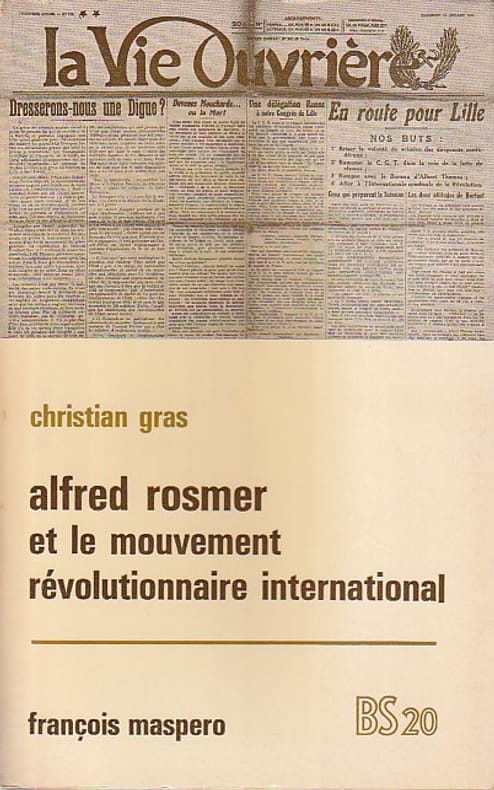
rif. 55105François Maspero, Bibliothèque socialiste, 1971, 531 pp., broché, couverture un peu défraîchie, tache brune sur la première page et la tranche latérale, état satisfaisant.
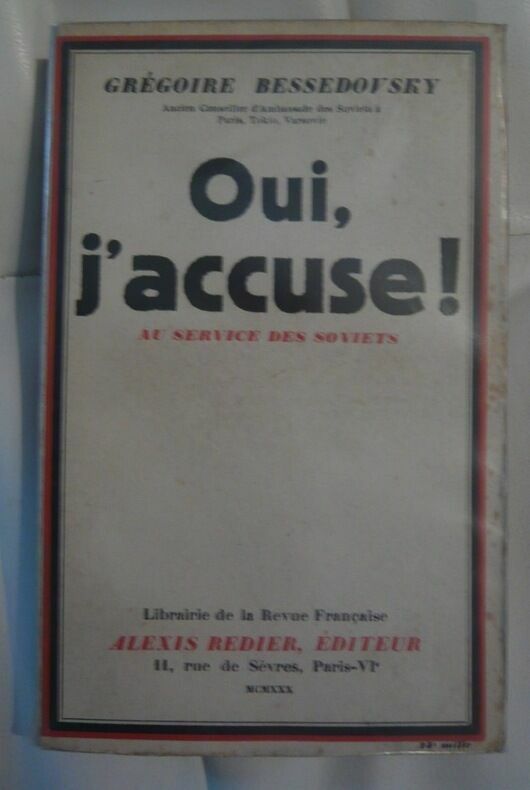
1930rif. 60881930. Paris Alexis Redier éditeur Librairie de la revue française 1930 - Broché 12 cm x 19 cm 265 pages - Texte de Grégoire Bessedovsky - Bon état
1998In 8°, brossura editoriale illustrata, pp. 310, (5), collana "Tascabili Marsilio / Testimonianze 95", nota di possesso al frontesp., per il resto copia molto buona. (spedizione standard SEMPRE tracciata con raccomandata-piego di libri, eventuale FATTURA da richiedere all'ordine)
1979rif. 1139421979 Editions François Maspero, collection "Actes et mémoires du peuple" animée par Louis Constant - 1979 - In-8, broché couverture à rabats - 327 pages
1950in 8° br. sovrac. pp.466
rif. 43723, 's Hertogenbosch, 1932, Teulings., Geillustr. cover, 304pp., 23x15cm., zeer goede staat.
1937rif. 126041937. Paris Intersyndical des Services Publics 1937 - Broché 13 5 cm x 21 5 cm 128 pages - Texte de H. Lartigue préface de Hénaff photo noir & blanc in-texte - Etat d'usage
1974rif. 48121974 P., Seuil, 1974, in 8, broché, 444pp.
8vo, hardcover in dj, the first ever substantiated and complete history of Soviet intelligence. Based on a mass of newly declassified Russian secret intelligence documentation, it reveals the true story of Soviet intelligence from its very beginnings in 1917 right through to the end of the Cold War. Covering both main branches of Soviet espionage - civilian and military - Jonathan Haslam charts the full range of the Soviet intelligence effort and the story of its development: in cryptography, disinformation, special forces, and counter-intelligence. In a tragic irony, an organization that so casually disposed of others critically depended upon the human factor. Due to their lack of expertise and technological know-how, from early on the Soviets were forced to rely heavily on secret agents instead of the more sophisticated code-breaking techniques of other intelligence agencies. But in this they were highly successful, recruiting spy rings such as the infamous Cambridge Five in the 1930s. Had it not been for Soviet espionage against Britain s code-breaking effort during the Second World War, Stalin might never have won the victory that later enabled him to dominate half of Europe. Similarly, espionage directed at his allies enabled the Soviets to build an atomic bomb earlier than expected and to take calculated risks in post-war diplomacy, such as his audacious blockade of Berlin which led to the Berlin Airlift. Khrushchev s denunciation of Stalin in 1956 alienated many of the foreign friends so valued by the Soviet intelligence services. It also made new recruitment of foreign agents much more difficult, as the USSR rapidly lost its glamour and ideological appeal to potential supporters in the West during the 1950s. However, the gap was finally bridged through exploiting greedy and disloyal Western intelligence officers, using blackmail and bribery - and with great success. In fact, it was the ultimate irony that the KGB and GRU had never been more effective than when the Soviet Union began to collapse from within
8vo, cloth in dj, ex-library with usual marks. Synopsis: Focusing on what they call lying about spying the authors reveal how revisionist scholars have ignored or distorted documents from Russian archives that point to espionage links between Moscow and the CPUSA. About the Author: John Haynes and Harvey Klehr co-authors of "The Secret World of American Communism" and "Venona: Decoding Soviet Espionage in America." Ex-Library
1952rif. 100974P., Dominique Wapler, 1952, in-12, 121 pp, avant-propos d'Aneurin Bevan, une carte, broché, bon état
rif. 30020P., Wapler, 1952, in 12 broché, 124 pages ; non coupé.
1985rif. 30851Paris Calmann Levy 1985 Fort In-8 679 pp
1980rif. 61454Editions Sociales, 1980, in-8°, 273 pp, 16 pl. de photos hors texte, annexes, broché, couv. illustrée, bon état (Coll. Notre temps/mémoire)
1956rif. 12La Table Ronde, 1956, in-12, 204 pp, broché, bon état
1920In 8, pp. 36. Gora ai piatti. Br. ed. Fa parte della collana 'Problemi della rivoluzione'.
1935rif. 106071935 Paris, Parisis-éditions,1935. In-16,broché, 152 p.
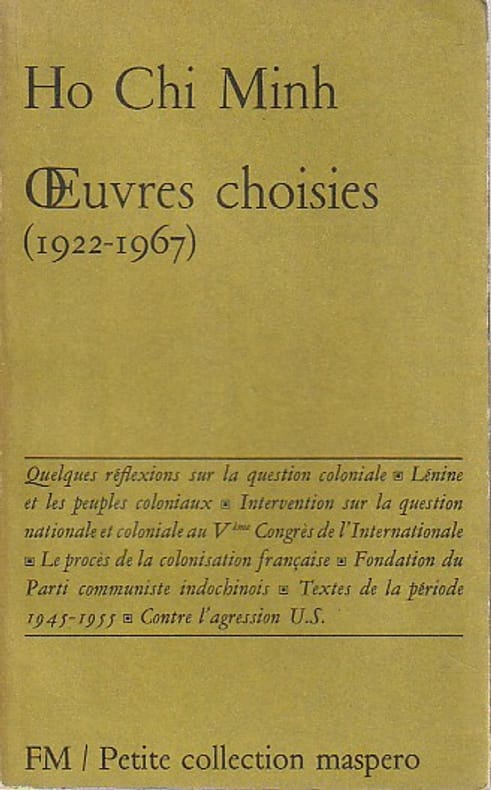
rif. 14694François Maspero, Petite Collection Maspero, 1970, 182 p., poche, couverture un peu défraîchie, état correct.
1973Milano, Mondadori, 1973, 16mo brossura editoriale con copertina illustrata, pp. XII-256 (Oscar, 31).
1969Milano, Feltrinelli, 1969, 8vo brossura editoriale, pp. 260 (I fatti e le idee, 192)
1974Milano, Feltrinelli, 1974, 8vo brossura editoriale con copertina illustrata a colori, pp. 323 (I fatti e le idee, 271)
1948Cm. 24,9x17,3. Foglio volante giallo con lievi gualciture; mancanze al bordo superiore, senza perdite di stampato. Contiene la lista degli 2IMMEDIATI PROVVEDIMENTI" e un appello a contadini, artigiani, commercianti a iniziative per la sospensione della patrimoniale proporzionale e dei contributi unificati.
EDI, 1972, 77 pp., broché, couverture un peu jaunie, bon état général.
8vo, ril. ed. sovracoperta 435pp.Lo Stalin che qui si affaccia, non si era quasi mai affacciato dalle centinaia di biografie scritte in tutte le lingue del mondo. Infatti questa non è una biografia alla Dimitri Volgokonov. E neppure un'opera di analisi storica, alla Robert Conquest. Ilizarov, e lo dice onestamente, non pretende di spiegare Stalin né lo stalinismo, ma di capire un poco di più l'uomo e il fenomeno storico, così "riusciremo anche a capire qualcosa di noi". Al lettore viene offerto il ritratto di uno Stalin sconosciuto, tracciato a partire dalle letture dei libri che egli fittamente annotava e dai documenti, in passato inaccessibili, del suo archivio personale.
1978(Codice SO/0627) In 8° (23 cm) 605 pp. First edition. Original cloth, gilted title. A very fine copy. ~~~ SPEDIZIONE IN ITALIA SEMPRE TRACCIATA