11.061 Ergebnisse
Mosca,Edizioni in Lingue Estere,1948. In 8°pp.400n.Cartone editoriale.
8vo, br. ed. pp.197. This book studies the treatment of Mao Zedong, Zhou Enlai, Deng Xiaoping, and other Communist leaders from the late 1980s to the mid-1990s. It also unravels the complex political culture in the last phase of Deng s China. The author explores why and how a Chinese Communist pantheon has risen at a time when Communist ideology is fading and the current Chinese leaders are coming to grips with a wide array of moral, social, and economic maladies. The Party has been marred by corruption and the whole society poisoned by greed. Thus, the invention of the pantheon is an important part of the official plan to preserve Communist rule.By highlighting patriotism, riding economic successes, manipulating public sentiment, and re-creating symbols, the state and power elite have skillfully promoted the pantheon to mitigate a legitimacy crisis and to relieve succession pangs. Jiang Zemin and his colleagues, who do not have the charisma of the Communist leaders of the older generation, need to link themselves to the top pantheon with the trinity of Mao, Zhou, and Deng at the top. Yet the pantheon is not merely an official product. Behind the facade of the great worship lies a multitude of intentions, purposes, and meanings, the work of a confluence of different interest groups.
1959Best.-Nr. F111684Paris, Vrin 1959 384pp., 25cm., br.orig., Thèse présentée à la Faculté des lettres de l'Université de Genève pour obtenir le grade de docteur ès lettres, cachet au verso de la p.d.t., texte frais, F111684
1959384pp., 25cm., br.orig., Thèse présentée à la Faculté des lettres de l'Université de Genève pour obtenir le grade de docteur ès lettres, cachet au verso de la p.d.t., texte frais, F111684
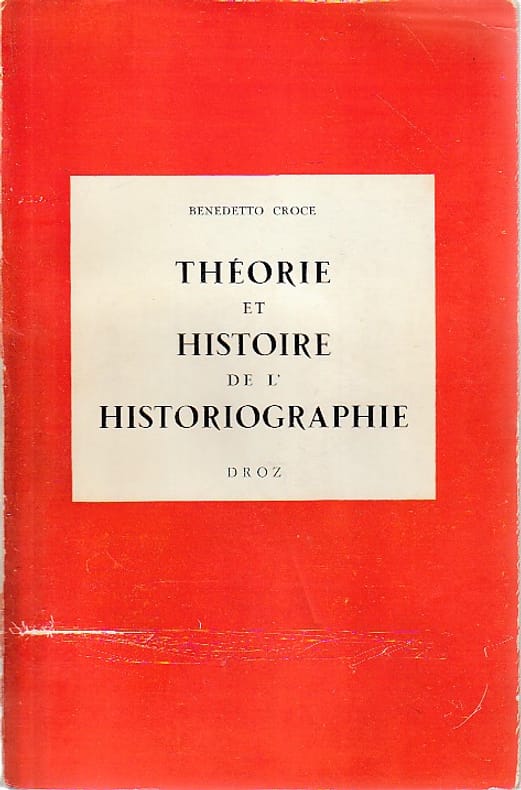
Best.-Nr. 62178Droz, 1968, 240 pp., broché, couverture un peu défraîchie, dos frotté, état correct.
1984Edizione: Prima edizione . Pagine: 322 . Rilegatura: Brossura originale con alette . Autografo: Dedica ed autografo .
1939In 8°, br. edit. con sovracc. ill. (lievi tracce d'uso e fioriture), pp. VIII,265,(3), con allegata in fine una carta politico amministrativa dell'U.R.S.S. più volte rip.; timbretto di poss. al frontesp.; coll. "La Russia contemporanea - N. 3"; buon es..
8vo, br. ed. pp.214. When Russia was in the throes of Joseph Stalin's campaign for the forced collectivization of Soviet agriculture, a young boy named Pavlik Morozov informed the OGPU (later called the KGB) that his father was an enemy of the regime. As a result, Pavlik's father was arrested and disappeared in a Soviet concentration camp. Enemies of the party later killed the boy, whereupon people proclaimed him a hero. After that, Pavlik Morozov's glory surpassed the fame of many Russian heroes. Hundreds of works have been published about the boy in various genres; his portrait has graced galleries, postcards, and postage stamps; ships and libraries have been dedicated in his honor. Informer 001 is the first independent study of the Morozov affair. Yuri Druzhnikov examined documents, visited museums, and interviewed everyone who knew Morozov during his short lifetime. In book after book, he discovered inconsistencies in every fact, from where Morozov was born to how old he was at the time of his death. As Druzhnikov pieced together the story about Morozov's life, death, and legacy, it became clear that the campaign to keep Morozov a hero was centrally directed. Informer hero number 001 remained a fearful reminder to all; to those who inform, and those who become the victims of denunciations. Informer 001 offers Western readers a unique glimpse into the behind-the-scenes operations of Soviet political history and will be fascinating for the general public, as well as for sociologists, historians, and Russian studies specialists.
1999Best.-Nr. GITk158Versailles Publication du Courrier de Rome 1999. In-8 broché couverture illustrée 671pp. Nombreuses illustrations dans le texte. Bel exemplaire frais et complet. L'Auteur tente de répondre à la question : "existe-t-il des sommets subversifs occultes ?" antichrétiens, inspirés du Marxisme, du Capitalisme et du Mosaïsme qui s'emploient à détruire les fondements de la civilisation européenne.
1986Due volumi di circa 400 pagine ciascuno (le pagine non sono numerate), cartonato editoriale illustrato. Dimensioni: 23,5x28 cm. Minime tracce d'uso alla brossura, per il resto ottime condizioni. 751 + 661 fotografie in b/n. A causa del peso e delle dimensioni la spedizione deve essere effettuata tramite paccocelere3.
1992Un volume (21 cm) di 220 pagine. INVIO autografo dell'Autore alla pagina di occhiello. Brossura editoriale. Qualche segno d'uso, ma molto buono.
1900In 8°, brossura editoriale (lievi fioriture sparse), pp. 48, buon esemplare. (MAG ZC4) (spedizione standard SEMPRE tracciata con raccomandata-piego di libri, eventuale FATTURA da richiedere all'ordine)
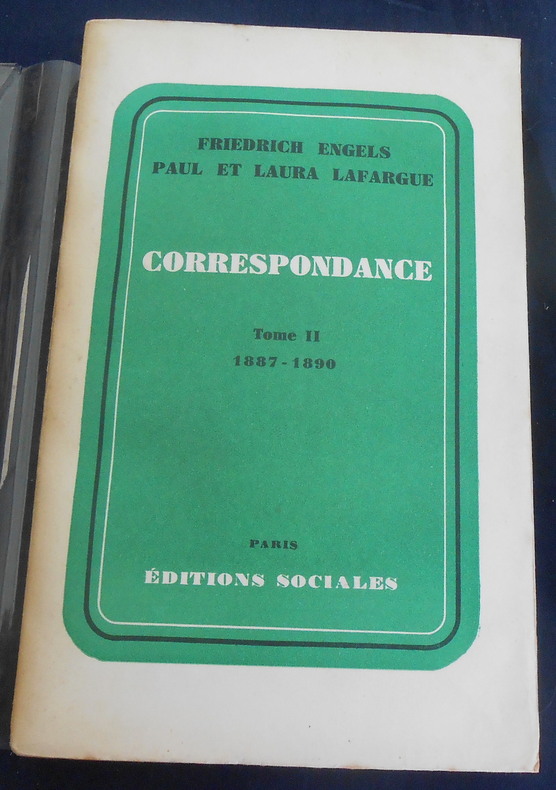
1956Best.-Nr. 23426Paris, Éditions Sociales, 1956. Broché, 14 cm x 22,5 cm, 462 pages. Textes recueillis, annotés et présentés par Emile Bottigelli, traduction de l’anglais par Paul Meier, ex-libris. Non coupé, très bon état.
Best.-Nr. 59078Centre Universitaire De Recherche Sociologique d'Amiens, Editions Anthropos, 1980, 477 pp., broché, couverture un peu défraîchie, état correct.
Minuit, Arguments, 1962, édition originale sur papier ordinaire, ENVOI autographe de l'auteur à Robert Paris, couverture un peu défraîchie, quelques passages signalés au crayon, légères taches sur le premier plat, dos bruni, état correct.
Centre Universitaire De Recherche Sociologique d'Amiens, Editions Anthropos, 1980, 477 pp., broché, couverture un peu défraîchie, état correct.
1976Best.-Nr. 38081976. Paris Editions Spartacus René Lefeuvre 1976 - Broché 13 cm x 18 cm 272 pages - Texte de Gaston Leval - Envoi de l'auteur - Bibliographie - Comme neuf
1946Viterbo, 1946 circa, 8vo pp. 24
1928in-24° cm. 13,5 pp. 104, bross. edit. a due colori con piccolo disegno.
1928in-24° cm. 13,5 pp. 96, bross. edit. a due colori con piccolo disegno.
1927In-24° cm. 13,5 pp. 94, bross. edit. a due colori con piccolo disegno.
1927In-24° cm. 13,5 pp. 96, bross. edit. a due colori con piccolo disegno.
1927in-24° cm. 13,5 pp. 96, bross. edit. a due colori con piccolo disegno.
195319,3x13,1 cm; 30 pp. brossura editoriale con titolo in rosso e nero entro cornice rossa al piatto anteriore. Prima non comune edizione di questo intervento del grande uomo politico foggiano. Fu tra i fondatori, nel 1921, del Partito Comunista d'Italia partecipando attivamente, come componente della frazione capeggiata da Amadeo Bordiga, alla scissione di Livorno. Entrò infatti nel primo Comitato Centrale del PCd'I. Abbandonate, dopo qualche anno, le posizioni di Bordiga, si schierò con Antonio Gramsci, che gli affidò il compito di organizzare la sezione agraria e, insieme a Giuseppe Di Vittorio, fondò l'Associazione di difesa dei contadini poveri. Fu condannato durante il fascismo a 17 anni di carcere. Fu uno dei principali funzionari di collegamento fra il Partito Comunista Italiano e l'Internazionale Comunista. Eletto nell'Assemblea costituente nel 1946, nella Repubblica italiana fu eletto senatore nel 1948, carica che mantenne fino alla morte, avvenuta durante un comizio a Massa Lombarda (Ra) nel 1955. A parte qualche piccola macchiolina di foxing ai piatti, dovuta alla luce e alla qualità della carta, ottimo esemplare.