STREIFF (Gérard).-Livre Rare Book
Strong Anna LouiseMareMagnum
Lettere dalla Cina Traduzione di G. Cherchi e V. de Tassis
196519 cm, br. edit; pp. 401
11 145 résultats
réf. 55806P., Messidor, Editions Sociales, 1986, in 8° broché, 246 pages ; couverture illustrée.
196519 cm, br. edit; pp. 401
1949In 16, pp. 291 + (5) con 1 cartina f.t. rip. con foto in b/n n.t. Br. ed.
194919 cm, brossura editoriale illustrata in nero e rosso, p. 291. Alcune foto in nero anche a piena pagina. Una carta più volte ripiegata e una carta geografica più volte ripiegata.
1949Collana documenti diretta da Franco Calamandrei. Opera ricca di illustrazioni e carte geografiche. L'autrice per scrivere questo libro ha soggiornato due anni in Cina. Brossura editoriale, pp. 293, in 8°
1937422p. Hardcover Good condition tattered d.j. fair
1961français In-8 de 202 pp.; broché de l'éditeur.
194886 pages. Articles: Chiselers' Holidy - long vacations on unemployment money; Our Job in Italy - Communism isn't beaten yet; The Secret Papers of Harry L. Hopkins (5) - further negotiations with Stalin/the true story of the Atlantic Charter; Dancing-School Bonanza - the big business of teaching rumba, samba and tango; Joan of Arc - the movie starring Ingrid Bergman; Guinea Pig for Cancer - an experiment with atomic energy; Warren Warm-Up - appraising California's governor as a presidential candidate. Fiction: Ring-Shy; Death Had a Voice; The Man Who Painted Himself Blue; What Would You Do?; The Branble Bush (part 3 of 5); The General was an Honest Man. Ads include: Heinz ketchup (great photo ad); Toastmaster; Vitalis (with Lloyd Mangrum); Philco; Crosley fridges; Hudson cars; Auto-Lite spark plugs (featuring Ann Sheridan); Firestone Super-Balloon tires; Chevrolet trucks; 1949 Ford cars; Coke - large illustration of soda fountain; Dodge Trucks; Lord Calvert Whiskey - featuring full-page color-photo of author Hassoldt Davis; Walt Disney's "Melody Time" movie; Trailways bus lines; Lucky Strike cigarettes (back cover). Unmarked with average wear. A sound vintage copy. Book
1975OTTIME CONDIZIONI
réf. DADAX0195182243New unknown
réf. SONG0195182243Used: Good unknown
1924réf. 3248491Leipzig, Hirschfeld, 1924. 89 S. OKart.
1956Mm 155x225 Brossura editoriale di 72 pagine. Copia molto buona. Spedizione entro 24 ore dalla conferma dell'ordine.
1958Mm 155x225 Brossura editoriale di 191 pagine, dorso brunito. Copia molto buona.
Moscow, Progress Publisher, s.a., 12'5 x 16'5 cm., numerosas fotografías a toda página, 140 págs. - 1 h.
Bruxelles, 1849, in-16, br. Manca la copertina anteriore.
1849In-16 gr. (mm. 183x115), mz. pelle coeva, dorso a cordoni (restaurato), titolo oro su dorso a cordoni, pp. IV,500. Dal comunismo di Platone alle utopie socialiste degli scrittori francesi del XVIII secoloco (Morelly, Malby, Rousseau et Brissot de Warville), la Rivoluzione francese e quindi Robert Owen, Saint -Simon, Louis Blanc e Proudhon. "Prima edizione". Cfr. Lorenz,IV, p. 446. Con fioriture, lieve alone marginale solo su alc. cc., peraltro ben conservato.
1856In-16° pp. VIII-487, leg. in mezza pelle coeva con abrasioni agli angoli.
1849In-16° pp. VIII-493, leg. in mezza pelle coeva con angolo del piatto post. mancante. Ingialliture del tempo.
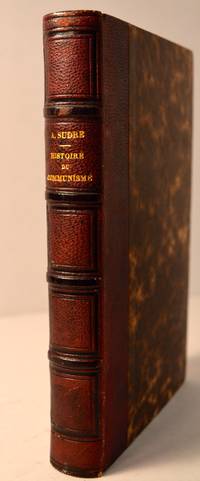
1849réf. 588Paris: Victor Lecou 1849. Later printing. 12mo 7 1/8 x 4 1/2 inches; 182 x 115 mm 4 iv 500 pages in original morocco spine titles in gilt over marbled boards. A vigorous defense of private property and opposition to "communism" appearing in the immediate aftermath of the 1848 revolutions in Europe. The first edition appeared in 1848; our copy was published the following year. This is the first history of socialism or communism in any language according to George Watson's "The Lost Literature of Socialism." Alfred Sudre 1820-1902 maintained that private property -- far from oppressing the poor -- was the best defense the poor had against oppression. Text in French. CONDITION: Some rubbing to boards and foxing to page edges. Very Good or better. Victor Lecou hardcover
1849Mezza tela edit. In-16, tit. non più leggibili al ds., pp. VIII-495-(1). Opera premiata nel 1849 con il Gran Premio Montyon dell'Accademia Francese
8vo, hardcover in dj, on the fate of the Russian Revolution one hundred years after October, Ronald Grigor Suny-one of the world s leading historians of the period-explores the historiographical controversies over 1917, Stalinism, and the end of Communism and provides an assessment of the achievements, costs, losses and legacies of the choices made by Soviet leaders. While a quarter century after the disintegration of the USSR, the story usually told is one of failure and inevitable collapse, Suny reevaluates the promises, missed opportunities, achievements, and colossal costs of trying to build a kind of socialism in the inhospitable environment of peasant Russia. He ponders what lessons 1917 provides for Marxism and the alternatives to capitalism and bourgeois democracy.
1979Bari, Dedalo Libri, 1979, 16mo (cm. 18 x 11) brossura editoriale con copertina illustrata, pp. 304. Prima edizione.
réf. 88196Bruxelles, Cercle d'Education Populaire, 1969. 13 x 21, 189 pp., broché, bon état (couverture légèrement défraîchie).
4to,pp.238. Following the 1917 Russian Revolution, photography, film, and posters played an essential role in the campaign to disseminate modernity and Communist ideology. From early experimental works by Alexander Rodchenko and El Lissitzky to the modernist photojournalism of Arkady Shaikhet and Max Penson, Soviet photographers were not only in the vanguard of style and technological innovation but also radical in their integration of art and politics. Filmmakers such as Dziga Vertov, Sergei Eisenstein, and Esfir Shub pioneered cinematic techniques for works intended to mobilize viewers. Covering the period from the Revolution to the beginning of World War II, The Power of Pictures considers Soviet avant-garde photography and film in the context of political history and culture. Three essays trace this generation of artists, their experiments with new media, and their pursuit of a new political order. A wealth of stunning photographs, film stills, and film posters, as well as magazine and book designs, demonstrate that their output encompassed a spectacular range of style, content, and perspective, and an extraordinary sense of the power of the photograph to change the world.