15.859 resultados
1775ref. AMO-3759A Genève, chez les libraires associés, 1775 3 volume in-4 (26 x 20 cm) de (4)-IV-III-VIII-719, (4)-VIII-662 et (4)-VIII-658 pages. Portrait de l'auteur en frontispice du premier volume (dessiné par Cochin et gravé par L. Le Grand). Au tome I : 1 gravure hors-texte (livre I) + 1 grande carte repliée + 1 bandeau à l'eau-forte par Marillier + 1 gravure hors-texte (livre IV). Au tome II : 1 gravure hors-texte (livre VII) + 2 cartes repliées + 1 bandeau à l'eau-forte par Marillier + 1 gravure hors-texte (livre X). Au tome III : 1 gravure hors-texte (livre XIV) + 1 carte repliée + 1 bandeau à l'eau-forte par Marillier + 1 gravure hors-texte (livre XV) + 1 gravure hors-texte (livre XVIII). Soit 1 portrait, 7 gravures hors-texte (avant la lettre), 3 bandeaux et 4 cartes. Collationné complet. Reliure de l'époque plein veau caramel, dos à nerfs orné aux petits fers, pièce de titre de maroquin rouge, pièce de tomaison de maroquin olive. Reliures très décoratives et solides. Usures de surface sur les plats du premier et deuxième volume (épidermures stoppées), petits manques de cuir et petite galerie sans gravité, petites piqûres de vers en queue du dos du premier volume. Malgré ces quelques défauts l'ensemble reste très décoratif et parfaitement solide. Intérieur très frais. A noter une mouillure en marge intérieure des trois premiers feuillets du premier volume et les derniers feuillets du même volume avec mouillure marginale saine (à quelques feuillets seulement). Exemplaire relié à l'époque aux armes (en queue) d'un membre de la famille de Damas (?) ou d'Aubusson (?). Première édition au format in-quarto. Cette édition est bien complète en 3 volumes in-quarto (il n'y a pas d'atlas pour cette édition). Elle reprend le corpus de l'édition en 7 volumes in-8, avec les passages supprimés réintégrés ici au bas des pages sous forme de variantes. La première édition de ce magistral ouvrage a paru pour la première fois en 1770. "Véritable encyclopédie de l’anticolonialisme au XVIIIe siècle" ce texte entre dans la catégorie des "Voyages philosophiques" et représente un prétexte à des réflexions sur la "loi naturelle" et dénonce tout à la fois despotisme, cléricalisme, esclavage et colonialisme. L'ouvrage est toujours décrit par les commentateurs comme une « machine de guerre » contre le pouvoir en place. Pour la rédaction de cette encyclopédie Raynal eut recours à la collaboration de nombreux informateurs et collaborateurs écrivains tels que le Baron d'Holbach ou Diderot, à qui on attribue une part importante des textes. Interdite en 1772, l’Histoire des deux Indes sera à nouveau publiée par l’abbé Raynal dans une nouvelle édition en 1774 qui est immédiatement mise à l’Index par le clergé. C’est en 1780 qu’il publie sa troisième édition de l'Histoire des deux Indes, encore plus virulente que les deux précédentes et qu’il avoue implicitement comme étant de lui en y faisant graver son portrait en frontispice. Condamné par le Parlement de Paris, l’ouvrage est brûlé par le bourreau en place publique, ce qui lui assure un succès considérable. L’Histoire des deux Indes a également été l’occasion de la Lettre apologétique de l’abbé Raynal à Monsieur Grimm (1781) de Diderot (qui aurait écrit au moins un tiers de l'ouvrage, selon Grimm). Dans cette lettre Diderot écrit : « Raynal est un historien comme il n'y en a point encore eu, et tant mieux pour lui, et tant pis pour l'histoire. Si l'histoire avait, dès les premiers temps, saisi et traîné par les cheveux les tyrans civils et les tyrans religieux, je ne crois pas qu'il en fussent devenus meilleurs; mais ils en auraient été plus détestés, et leurs malheureux sujets en seraient peut-être devenus moins patients... Le livre que j'aime et que les rois et leurs courtisans détestent, c'est le livre qui fait naître des Brutus... » Dans notre exemplaire une note manuscrite de l'époque révolutionnaire indique : "Le Parlement de Paris proscrivit, le 25 mai 1781, l'Histoire philosophique de l'abbé Raynal, et ordonna que cet ouvrage fût brûlé. Il décréta même l'auteur de prise de corps. L'abbé Raynal se vit donc forcé de s'enfuir précipitamment de France. Le 15 août 1790, l'Assemblée nationale, sur la rédaction proposée par les députés Voidel et Maloüet, annula, comme contraire aux droits naturels et imprescriptibles de l'homme, le décret lancé par le Parlement de Paris contre l'abbé Raynal et son Histoire philosophique (v. Oeuvres d'André Chénier, 2e vol., p. 119)." (note manuscrite ancienne sur le faux-titre du premier volume). "It became a key text of the American Revolution, and Raynal became a correspondent of Franklin, Jefferson, and Adams." "Un des ouvrages clefs de la crise de l'Ancien Régime" (Michel Delon, in En Français dans le texte) "Celui qui abdique lâchement sa liberté, se voue au remords et à la plus grande misère qu’un être pensant et sensible puisse éprouver. S’il n’y a, sous le ciel, aucune puissance qui puisse changer mon organisation et m’abrutir, il n’y en a aucune qui puisse disposer de ma liberté. [...] L'esclavage est l'état d'un homme qui, par la force ou des conventions, a perdu la propriété de sa personne, et dont un maître peut disposer comme de la chose. [...] La liberté est la propriété de soi; on distingue trois sortes de libertés: la liberté naturelle, la liberté civile, la liberté politique; c'est-à-dire la liberté de l'homme, celle du citoyen et celle d'un peuple. [...] L'homme est aux prises avec la nature; sans cesse il la modifie, et sans cesse il est modifié. [...]." (extraits). Provenance : A. Leclerc, 1885 (étiquette). Armes dorées en queue des dos (mariage - non identifiées - non reconnu par O.H.R. qui les cite pourtant sous la planche n°888, figure n°3). Armoiries peut-être d'une ancienne famille de Bourgogne ? (provenance bourguignonne pour les volumes concernés). Par ailleurs O.H.R. les mentionne sur une Histoire de Bourgogne), peut-être les armes d'une branche de la famille de Damas (à la croix ancrée) ou d'Aubusson. Les présents volumes de Raynal ont été acquis également en Bourgogne ce qui laisserait supposer l'hypothèse "de Damas" plus pertinente. Références : A. Feugère, Bibliographie critique de l'abbé Raynal, 40 ; En français dans le texte, 166 ; Bel exemplaire relié aux armes à l'époque de cet ouvrage très important du Siècle des Lumières, dans son format le plus majestueux.
1930ref. 42850Leicester UK: Cascelloid 1930. Very good . Beautifully-produced trade catalogue from the Cascelloid "Palitoy" company displaying a wide range of baby dolls and other toys. Several uncomfortable designs of black children with pitch-dark skin date this catalogue at roughly the 1930s when the Cascelloid company was dubbed the "House of Constant Progress" by the industry press for its material innovations with the plastics Bexoid and Plastex. One page features a celluoid model by the noted designer Mary Lucie Attwell a doll named "Diddums." The catalogue also displays the company's offerings of animal dolls die-cast trucks pool toys golf and ping-pong sets rattles pinwheels and more. Needless to say color photography was not the norm at this time and this catalogue comprises a beautiful set of vivid and sharp photographic prints. A truly exceptional example unlike anything we've seen: simultaneously surreal and nostalgic. Oblong 4to. album. Blue leather-covered boards. Contains 29 color photographs all 9" by 6.5" approx. mounted on rectos one each of light-gray cardboard leaves. About very good plus overall. Moderate rubbing and edgewear to boards. Several pages display mild soiling and offsetting from photos. Prints just a bit yellowed but remain sharp vivid and clean. [Cascelloid] unknown
1930ref. 42850Leicester UK: Cascelloid 1930. Very good . Beautifully-produced trade catalogue from the Cascelloid "Palitoy" company displaying a wide range of baby dolls and other toys. Several uncomfortable designs of black children with pitch-dark skin date this catalogue at roughly the 1930s when the Cascelloid company was dubbed the "House of Constant Progress" by the industry press for its material innovations with the plastics Bexoid and Plastex. One page features a celluoid model by the noted designer Mary Lucie Attwell a doll named "Diddums." The catalogue also displays the company's offerings of animal dolls die-cast trucks pool toys golf and ping-pong sets rattles pinwheels and more. Needless to say color photography was not the norm at this time and this catalogue comprises a beautiful set of vivid and sharp photographic prints. A truly exceptional example unlike anything we've seen: simultaneously surreal and nostalgic. Oblong 4to. album. Blue leather-covered boards. Contains 29 color photographs all 9" by 6.5" approx. mounted on rectos one each of light-gray cardboard leaves. About very good plus overall. Moderate rubbing and edgewear to boards. Several pages display mild soiling and offsetting from photos. Prints just a bit yellowed but remain sharp vivid and clean. [Cascelloid] hardcover
1930ref. 42850Leicester UK: Cascelloid 1930. Very good . Beautifully-produced trade catalogue from the Cascelloid "Palitoy" company displaying a wide range of baby dolls and other toys. Several uncomfortable designs of black children with pitch-dark skin date this catalogue at roughly the 1930s when the Cascelloid company was dubbed the "House of Constant Progress" by the industry press for its material innovations with the plastics Bexoid and Plastex. One page features a celluoid model by the noted designer Mary Lucie Attwell a doll named "Diddums." The catalogue also displays the company's offerings of animal dolls die-cast trucks pool toys golf and ping-pong sets rattles pinwheels and more. Needless to say color photography was not the norm at this time and this catalogue comprises a beautiful set of vivid and sharp photographic prints. A truly exceptional example unlike anything we've seen: simultaneously surreal and nostalgic. Oblong 4to. album. Blue leather-covered boards. Contains 29 color photographs all 9" by 6.5" approx. mounted on rectos one each of light-gray cardboard leaves. About very good plus overall. Moderate rubbing and edgewear to boards. Several pages display mild soiling and offsetting from photos. Prints just a bit yellowed but remain sharp vivid and clean. [Cascelloid] unknown books
1930ref. 42850Leicester UK: Cascelloid 1930. Very good . Beautifully-produced trade catalogue from the Cascelloid "Palitoy" company displaying a wide range of baby dolls and other toys. Several uncomfortable designs of black children with pitch-dark skin date this catalogue at roughly the 1930s when the Cascelloid company was dubbed the "House of Constant Progress" by the industry press for its material innovations with the plastics Bexoid and Plastex. One page features a celluoid model by the noted designer Mary Lucie Attwell a doll named "Diddums." The catalogue also displays the company's offerings of animal dolls die-cast trucks pool toys golf and ping-pong sets rattles pinwheels and more. Needless to say color photography was not the norm at this time and this catalogue comprises a beautiful set of vivid and sharp photographic prints. A truly exceptional example unlike anything we've seen: simultaneously surreal and nostalgic. Oblong 4to. album. Blue leather-covered boards. Contains 29 color photographs all 9" by 6.5" approx. mounted on rectos one each of light-gray cardboard leaves. About very good plus overall. Moderate rubbing and edgewear to boards. Several pages display mild soiling and offsetting from photos. Prints just a bit yellowed but remain sharp vivid and clean. [Cascelloid] hardcover books
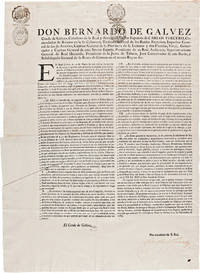
1785ref. 57874Mexico. November 22 1785. Announcing the Compañia Real de Filipinas Regulating Trade with the Philippines A very rare Mexico City printing of the announcement of the creation of the Royal Company of the Philippines by Spanish royal decree in 1785 which regulated and effectively monopolized trade with the Philippines. This copy bears the manuscript rubric of Don Bernardo de Gálvez and signature of his secretary Joseph de Gorraes. Gálvez then Viceroy of New Spain ordered this broadside printed for the reason that "An Establishment so important and of such general interest should be understood and known by all" our translation. The creation of the Royal Company would be particularly relevant to residents of Mexico as most if not all of the trade with the Philippines would come through New Spain. Accompanying the announcement this broadside also prints Articles 1 2 14 21 and 100 of the royal decree which were considered to effectively summarize the purpose and mechanics of the new Company. The articles printed here proclaim that the Company is to enjoy the protection of the Crown for at least twenty-five years establish a fund to back its shares describe how shares and subscriptions could be purchased and organize a general meeting of shareholders. Notably absent from this broadside is the important article of the decree which closed Manila's ports to foreign vessels giving the Company an effective monopoly on all trade between Asia and the Americas. The Royal Company of the Philippines quickly gained vast wealth from this lucrative deal transporting commodities such as indigo coffee sugar spices and cotton across the Pacific. Regardless of its initial success the Company did not endure - the wave of rebellions against Spanish rule in Central and South America in the early 19th century quickly rendered it obsolete and the company was officially dissolved in 1834. A rare broadside announcing this important Royal Decree to the people of the Western Hemisphere; OCLC records only one copy at the Bancroft Library. Broadside printed on two joined sheets of sealed paper 23½ x 17 inches in total. Old folds and light creases a few small worm holes. Very good. OCLC 21747301. unknown
1785ref. 57874Mexico. November 22 1785. Announcing the Compañia Real de Filipinas Regulating Trade with the Philippines A very rare Mexico City printing of the announcement of the creation of the Royal Company of the Philippines by Spanish royal decree in 1785 which regulated and effectively monopolized trade with the Philippines. This copy bears the manuscript rubric of Don Bernardo de Gálvez and signature of his secretary Joseph de Gorraes. Gálvez then Viceroy of New Spain ordered this broadside printed for the reason that "An Establishment so important and of such general interest should be understood and known by all" our translation. The creation of the Royal Company would be particularly relevant to residents of Mexico as most if not all of the trade with the Philippines would come through New Spain. Accompanying the announcement this broadside also prints Articles 1 2 14 21 and 100 of the royal decree which were considered to effectively summarize the purpose and mechanics of the new Company. The articles printed here proclaim that the Company is to enjoy the protection of the Crown for at least twenty-five years establish a fund to back its shares describe how shares and subscriptions could be purchased and organize a general meeting of shareholders. Notably absent from this broadside is the important article of the decree which closed Manila's ports to foreign vessels giving the Company an effective monopoly on all trade between Asia and the Americas. The Royal Company of the Philippines quickly gained vast wealth from this lucrative deal transporting commodities such as indigo coffee sugar spices and cotton across the Pacific. Regardless of its initial success the Company did not endure - the wave of rebellions against Spanish rule in Central and South America in the early 19th century quickly rendered it obsolete and the company was officially dissolved in 1834. A rare broadside announcing this important Royal Decree to the people of the Western Hemisphere; OCLC records only one copy at the Bancroft Library. Broadside printed on two joined sheets of sealed paper 23½ x 17 inches in total. Old folds and light creases a few small worm holes. Very good. OCLC 21747301. unknown books
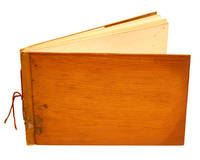
1893ref. 607017Lowman & Hanford 1893. First Edition. Wraps. Very Good. A Rare Northwest imprint; this was from the library of noted historian Edmond S. Meaney with his signature to the front pastedown and further inscribed 'From C. T. Conover Seattle Wash.' This copy has been specially bound with a leather spine and two bevelled and varnished wooden boards. 38pp. with 10 b/w plates one panorama shot of the waterfront and one map. Issued as a souvenir for Seattle's guests on the occasion of the celebration commemorating the completion of the Great Northern Railway to its Pacific terminus at Seattle and the inauguration of through traffic June 1893. WorldCat only located 3 copies. [Lowman & Hanford] unknown
1939ref. 1729691939. INK TRADE CATALOGUE. Kraski. Trest 'Poligraf'. 173 unnumbered leaves of text and illustrations. Vertical 4to 265 x 175 mm publisher's cloth fastened with string. Moscow: Nauchno-issledovatel'skii institut poligraficheskoi i izdatel'skoi tekhniki 1939. The State Trust of the All-Union Economic Council of National Economy "Poligraf" existed since 1924 and produced movable types. They also produced printing inks. In this sample book they are divided by the techniques they were intended for: movable-type printing lithography offset lithography mezzotint. The samples are on different kinds of papers to show the differences for printing. At the end is an overview of complementary mixtures and drying oils including fatty printing pastes to increase the capacity of printed forms. One of 300 copies only. Of the greatest rarity and not listed on OCLC. hardcover
1939ref. 1729691939. INK TRADE CATALOGUE. Kraski. Trest 'Poligraf'. 173 unnumbered leaves of text and illustrations. Vertical 4to 265 x 175 mm publisher's cloth fastened with string. Moscow: Nauchno-issledovatel'skii institut poligraficheskoi i izdatel'skoi tekhniki 1939. The State Trust of the All-Union Economic Council of National Economy "Poligraf" existed since 1924 and produced movable types. They also produced printing inks. In this sample book they are divided by the techniques they were intended for: movable-type printing lithography offset lithography mezzotint. The samples are on different kinds of papers to show the differences for printing. At the end is an overview of complementary mixtures and drying oils including fatty printing pastes to increase the capacity of printed forms. One of 300 copies only. Of the greatest rarity and not listed on OCLC. hardcover books
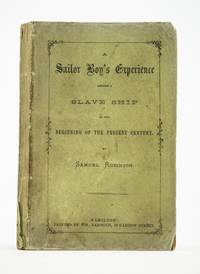
1867ref. ST20572Hamilton Scotland: W. Naismith 1867. FIRST EDITION. 168 x 106 mm. 6 1/2 x 4 1/4". vii 183 pp. In the very rare original green paper wrappers. Spine cocked wrappers somewhat soiled spine with paper beginning to lift along the bottom inch of the rear joint other minor exterior defects but the volume solid and internally in excellent condition. QUITE A GOOD COPY of a fragile inexpensively produced volume one would expect to find in shambles. Told in the form of letters drawn from the author's actual correspondence as well as his contemporary journals this first-hand account by a young sailor of the transatlantic slave trade in the years 1800-04 brings those horrific voyages vividly to life. At the same time the author writing in direct unvarnished prose makes it clear he is at least as much an observer of difficult sea life in general as he is concerned with the abolition of a great evil. In the preface Robinson 1786-1875 explains his reasons for publishing this record of his time aboard a slave ship: "I have heard so many gross misstatements respecting West Indian slavery and the horrors of the 'Middle Passage' that I formed the resolution should time be allowed me to give the result of my own experience . . . in order to disabuse the minds of many well-meaning people." He is rightly aware that some readers may be offended by unconvincing apology in an account encumbered with naïveté : "It is doubtless the opinion of many that I put myself into a wrong position and incurred blame and obloquy by entering into this obnoxious trade at all. It may be so; I will not dispute the matter. I certainly did not feel myself comfortable or at home in the service. But let it be remembered in my favour that the trade was then a lawful one; whilst at the same time I was induced to enter it by what is called an accidental circumstance . . . and an irresistible desire for a seafaring life so completely carried me away that it became a matter of perfect indifference to me where the ship went if not to the bottom provided I was aboard of her--or in what trade engaged if not a pirate." As indicated the letters originating in various ports in England West Africa and the West Indies depict a harsh life at sea for all involved but most especially for the wretches who made up the ship's cargo. An accident on board nearly cost Robinson his foot and ended his career at sea just a year before in his words "the united voice of a generous and philanthropic people" passed the Emancipation Bill into law ending British participation in the slave trade. The phrasing here makes it clear our narrator had his heart mostly in the right place. This is a very rare book which is not surprising for a pocket-sized work from a provincial press near Glasgow issued in insubstantial paper wrappers. OCLC records just two copies in libraries both in the UK while RBH and ABSA seem to list no copies at auction except the present one. W. Naismith unknown
1867ref. ST20572Hamilton Scotland: W. Naismith 1867. FIRST EDITION. 168 x 106 mm. 6 1/2 x 4 1/4". vii 183 pp. In the very rare original green paper wrappers. Spine cocked wrappers somewhat soiled spine with paper beginning to lift along the bottom inch of the rear joint other minor exterior defects but the volume solid and internally in excellent condition. QUITE A GOOD COPY of a fragile inexpensively produced volume one would expect to find in shambles. Told in the form of letters drawn from the author's actual correspondence as well as his contemporary journals this first-hand account by a young sailor of the transatlantic slave trade in the years 1800-04 brings those horrific voyages vividly to life. At the same time the author writing in direct unvarnished prose makes it clear he is at least as much an observer of difficult sea life in general as he is concerned with the abolition of a great evil. In the preface Robinson 1786-1875 explains his reasons for publishing this record of his time aboard a slave ship: "I have heard so many gross misstatements respecting West Indian slavery and the horrors of the 'Middle Passage' that I formed the resolution should time be allowed me to give the result of my own experience . . . in order to disabuse the minds of many well-meaning people." He is rightly aware that some readers may be offended by unconvincing apology in an account encumbered with naïveté : "It is doubtless the opinion of many that I put myself into a wrong position and incurred blame and obloquy by entering into this obnoxious trade at all. It may be so; I will not dispute the matter. I certainly did not feel myself comfortable or at home in the service. But let it be remembered in my favour that the trade was then a lawful one; whilst at the same time I was induced to enter it by what is called an accidental circumstance . . . and an irresistible desire for a seafaring life so completely carried me away that it became a matter of perfect indifference to me where the ship went if not to the bottom provided I was aboard of her--or in what trade engaged if not a pirate." As indicated the letters originating in various ports in England West Africa and the West Indies depict a harsh life at sea for all involved but most especially for the wretches who made up the ship's cargo. An accident on board nearly cost Robinson his foot and ended his career at sea just a year before in his words "the united voice of a generous and philanthropic people" passed the Emancipation Bill into law ending British participation in the slave trade. The phrasing here makes it clear our narrator had his heart mostly in the right place. This is a very rare book which is not surprising for a pocket-sized work from a provincial press near Glasgow issued in insubstantial paper wrappers. OCLC records just two copies in libraries both in the UK while RBH and ABSA seem to list no copies at auction except the present one. W. Naismith unknown books
1783In -4°, pp. VIII, 182, (4). Piena pergamena con titolo al dorso. Prima edizione. Contraddittorio e inquieto studioso, Odazi (Atri, 1741 - Napoli, 1794) è considerato fra gli economisti napoletani di maggior rilievo nella seconda metà del Settecento. Allievo del Genovesi, la cui cattedra gli sarebbe stata affidata nel 1781, massone, partecipò se pure con indolenza al fermento politico che avrebbe portato nel 1799 alla guerra civile e poi alla Repubblica napoletana. Ma, imprigionato nel ’94, si era ucciso in carcere, in circostanze mai chiarite. In questo suo “dotto studio” O. invoca “contro l’opinione del Galiani, la libertà dei prezzi, col notevole intento di giovare agli umili e, di riverbero, alla prosperità nazionale” (R. di Castiglione, “La massoneria nelle due Sicilie”, Gangemi, 2006, p. 115). A restless and complex scholar, Odazi was considered one of the major neapolitan economists of the second half of XVIII century. A mason, pupil of Genovesi, whose chair he obtained in 1781, he took part in politic stirs that brong in 1799 to civil war in Naples and the to the “Repubblica”. But he was imprisoned and died in jail, probably suicide, in ’94. In this learned work O. claims, against Galiani opinion, the freedom of prices, meaning to benefit the humble classes.
1663ref. PHO-2278A Paris, chez Jacques Langlois, 1663-1666 3 parties en 1 volumes in-folio (38x25cm). Veau tacheté époque, dos à nerfs ornés avec pièce de titre en maroquin et tomaison, tranches jaspées rouges. Réparations au dos et coins, mouillure, quelques rousseurs, réparation au titre, renforcement à la carte. Complet de ses relations de voyage selon Brunet & Camus
ref. 103233À Londres, Chez Fletcher Gyles, 1755 in-12, XI-153-[1] pp., basane havane marbrée, dos orné à nerfs, fleurons dorés, pièces de titre en maroquin rouge (reliure de l'époque). Quelques frottements et éraflures à la reliure.
1875ref. 21027New York City: Rogers Brothers ca1875. Edition unknown. Original publisher's stamped three-quarter leather and green cloth. Very good; contemporary annotations throughout; one leaf cut down. 4to 40 thick card-stock leaves on linen stubs meas. appx. 260 x 204 mm. Photographs are deep robust albumen prints mounted both recto and verso. The volume bears the ink stamp of Koch & Bergfeld Bremen Germany on the corner of the front pastedown. Apparently a unique first iteration of an extensive inter-business trade catalog. The Rogers Company catalog are located in OCLC in one 16 page price list without illustration. Romaine adds to this but shows nothing that approaches the kind of catalog offered here. McKinstry offers nothing from the Winterthur collection. This elaborate photographically illustrated catalog was expensive and time consuming to produce and most likely had a limited distribution to jobbers for the Rogers Co. products. Each item in this catalog has a penned or printed in the photo stock number with pricing information in dollars. The company produced all manner of "electro-silver-plated" tableware; depicted in the photographs. In addition to daily utensils and serving dishes of all kinds e.g. cut glass cruits for every form of entertainment there are elaborate decorative centerpieces for table decoration. Rogers Brothers hardcover books
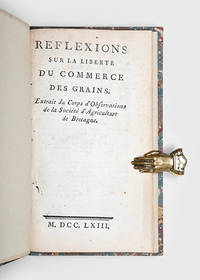
1763ref. 1730471763. Grain policy in the ancien régime First edition of this exceptionally scarce economic tract on the grain trade. We trace only two institutional copies worldwide: at the University of Chicago and the BnF. The recent spine label attributes this work to Louis Paul Abeille 1719-1807 an early convert to physiocracy and a friend of Quesnay and Mirabeau. Abeille served as secretary of commerce under Louis XV & XVI from 1769-83. A series of subsistence crises brought concerns over public access to grain to the forefront of French economic debate in the mid-18th century. In the absence of public granaries government policy was to regulate more strictly the distribution of grain by private commercial interests but periodic subsistence crises revealed the inadequacy of this policy. Over the next decade the physiocrats continued to promote deregulation of the grain trade which contributed to spiralling prices and the Flour War of 1775. The attribution to Abeille is presumably based on his publication in 1760 of the Corps d'observations de la Société d'agriculture de commerce et des arts établie par les États de Bretagne années 1757 & 1758 which brought him to the attention of Quesnay and Mirabeau in Paris. Abeille was the secretary of the Agricultural Society of Brittany a learned society for agricultural improvement. Duodecimo 159 x 92 mm. Recent marbled paper boards gilt label to spine edges sprinkled red. Minor foxing and browning: a very good copy. Not in Black Goldsmiths' or Kress. hardcover
1936ref. 015728Paris EDITION ORIGINALE. Tirage à 1012 exemplaires numérotés. Un des 35 sur Hollande van Gelder mis dans le commerce, second papier après vingt-cinq Japon . Bel exemplaire relié à l'époque : demi-maroquin noir à coins et filets or, dos à nerfs et pièce de titre rouge et lettre or, tête dorée, couverture et dos conservés. 1936 fort in-8 Broché Edition originale
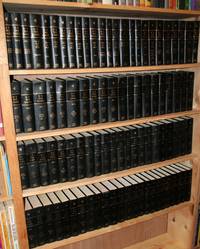
ref. 006865New York : Commerce Clearing House 1913-1986 1986. Hardcover. Fine/No Jacket. 91 volumes ; A nearly complete run from 1913-1986 ; almost 75 years of tax litigation history ; At head of title: CCH./ Published: Chicago IL : CCH Incorporated / Accompanied by separately numbered Consolidated volumes vol. 1 1913/1929-v. 5 1917/1940 published 1938-1940 which make available in permanent bound form the opinions originally reproduced and reported in the publisher's "court decisions" division of Standard federal tax service./ "The fifth vol. of the consolidated vols. presents court decisions handed down under the excess profits tax statutes which were effective from 1917 to 1921."--Foreword to v. 5 ; LC: KF6280.A2; HJ3251.A39; Dewey: 343/.73/0402643 ; OCLC: 3157871 ; ISSN: 0277-402X; Other format's ISSN: 1084-0125; National Library: 011150635; LCCN: 37-1000 ; without vols. for 79-2 80-2 81-83 84-1 and duplicates of 74 & 75-1 ; As published in book form we must point out that this set can be used without electricity computers or the internet! ; A fine first impression for anyone entering a law office ; or could make a great stage prop ; FINE New York : Commerce Clearing House, 1913-1986 hardcover
1839ref. 188502Likely London: Ordered by the House of Commons to be Printed 1839. A beverage of empire - the demise of the Chinese tea monopoly First edition covering material submitted by East India Company representatives between 1834 and 1838 - a crucial period during which Britain laid the foundations of its tea empire in Assam. The splendid maps incorporate the findings of explorers such as Captain Francis Jenkins and the observations of tea-growing made in China by the Macartney and Amherst embassies. The documents concern the key actors in the growth of Britain's formal tea empire including Jenkins the powerful Bengal civil servant William Hay Macnaghten and the members of the Tea Committee established by Governor William Bentinck in 1834. Pages 36-37 carry the text of the committee's momentous 24 December 1834 report announcing that the tea plant was indigenous to Assam: "We have no hesitation in declaring this discovery. to be by far the most important and valuable that has ever been made on matters connected with the agricultural or commercial resources of this empire." Five years later the first twelve chests of Assam-grown tea were auctioned in London to great fanfare. Copies are held at the British Library Linnaean Society Calke Abbey UCLA National Agricultural Library Institut de France and National Library of Australia. Folio 331 x 215 mm. With 5 lithographed plates 3 leaves of explanatory letterpress 6 folding maps 3 with hand-colouring illustrations and tables in text. Twentieth-century dark blue buckram spine lettered in gilt original blue printed wrappers bound in. Ex-Reading University Library with its bookplates including on front cover index card holder and other markings and stamps on endpapers; a little old underlining in text. Light spotting internally maps in well-preserved condition and without stamps: very good. hardcover
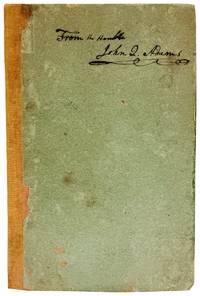
1826ref. 47522Washington DC: Gales & Seaton 1826. Very Good. Washington DC: Gales & Seaton 1826. First Edition. Octavo 22cm; original publisher's cloth over blue paper-covered boards; 77pp.; one fold-out plate. Collated complete. Boards rubbed with some spotting and dampstains; cloth on spine fraying. Front cloth joint splitting but holding; pages foxed; endpapers dampstained. Unidentified numerical ex-library stamp on top of p. 3 else free of institutional markings. Overall a Very Good copy. Inscribed on front cover: "From the Honble. John Q. Adams" who served as U.S. President at the time of publication and contributed the introductory comment published on p. 3. This inscription written on behalf of the President whose hand suffered from a tremor later in his career. Volume documenting the challenges the U.S. government faced trying to enforce an 1808 ban on the international slave trade which involved a complicated six-year-long case in which three American slave ships the Constitution the Louisa and the Merino were seized for transporting enslaved people between Havana Cuba Pensacola Florida and Mobile Alabama. More than 100 enslaved people were seized in the capture of the ships. At the conclusion of the case in 1825 only 65 of them were accounted for the others died escaped or were simply lost in the broader institution of slavery. The 65 remaining humans were sold at auction and the slave traders were not punished other than the financial loss of their ships and cargo. While the enforcement of the 1808 ban may have been a deterrent for some slave traders the National Archives estimates that 1.2 million slaves were brought into the U.S. illegally during the first half of the 19th century. Provenance: We have been unable to establish which library this came out of though we have checked each copy-specific description of the examples listed in OCLC none of which are described as being inscribed by or for Adams. The previous owner states that he purchased this copy from a Parisian dealer in the 1980s. References: "Traveling the Beaten Trail: Charles Tait's Charges to Federal Grand Juries 1822-1825" published in the Occasional Publications of the Bounds Law Library No. 8. Alabama Law Scholarly Commons 2013. National Archives and Records Administration Southeast Region Atlanta Shoemaker 27399. Gales & Seaton unknown
1826ref. 47522Washington DC: Gales & Seaton 1826. Very Good. Washington DC: Gales & Seaton 1826. First Edition. Octavo 22cm; original publisher's cloth over blue paper-covered boards; 77pp.; one fold-out plate. Collated complete. Boards rubbed with some spotting and dampstains; cloth on spine fraying. Front cloth joint splitting but holding; pages foxed; endpapers dampstained. Unidentified numerical ex-library stamp on top of p. 3 else free of institutional markings. Overall a Very Good copy. Inscribed on front cover: "From the Honble. John Q. Adams" who served as U.S. President at the time of publication and contributed the introductory comment published on p. 3. This inscription written on behalf of the President whose hand suffered from a tremor later in his career. Volume documenting the challenges the U.S. government faced trying to enforce an 1808 ban on the international slave trade which involved a complicated six-year-long case in which three American slave ships the Constitution the Louisa and the Merino were seized for transporting enslaved people between Havana Cuba Pensacola Florida and Mobile Alabama. More than 100 enslaved people were seized in the capture of the ships. At the conclusion of the case in 1825 only 65 of them were accounted for the others died escaped or were simply lost in the broader institution of slavery. The 65 remaining humans were sold at auction and the slave traders were not punished other than the financial loss of their ships and cargo. While the enforcement of the 1808 ban may have been a deterrent for some slave traders the National Archives estimates that 1.2 million slaves were brought into the U.S. illegally during the first half of the 19th century. Provenance: We have been unable to establish which library this came out of though we have checked each copy-specific description of the examples listed in OCLC none of which are described as being inscribed by or for Adams. The previous owner states that he purchased this copy from a Parisian dealer in the 1980s. References: "Traveling the Beaten Trail: Charles Tait's Charges to Federal Grand Juries 1822-1825" published in the Occasional Publications of the Bounds Law Library No. 8. Alabama Law Scholarly Commons 2013. National Archives and Records Administration Southeast Region Atlanta Shoemaker 27399. Gales & Seaton unknown books
1875ref. 20118New York: J L Mott Iron Works 1875 / 1877. First Editions. The catalog of 1875 is in its original printed limp black cloth gilt stamped publisher's binding; the Supplement is as issued - a printed title wrapper. Both contained within a custom made portfolio with cloth ties. Very good; neatly rebacked; occasional marginal tears; one endpaper with modest chipping at the fore-edge. Folio. 2 132 pp.; Supplement - 8 pp. The catalogs measure appx. 54 x 38 cm. Both are lavishly illustrated throughout; printed on glazed paper. A stunning large format catalog for all kinds of garden ornaments - for public and private use. There are also several pages for stable equipment lamps aquariums garden seating planters etc. Mott was a manufacturer of all kinds of metal goods and plumbing supplies. McKinstry citing only much later printings of smaller catalogs; Romaine p. 258 - citing a much later printing of this garden ornament catalog in the same large format as a "masterpiece". J L Mott Iron Works hardcover books
1823ref. PHO-2335Paris, Ponthieu, Lesage, Gide fils, 1823. 2 volumes in-8, xlix, [1]. 344 ; [4], 407 pp., relié demi basane époque, dos lisse orné avec pièce de titre et tomaison, coiffes abimées, petits manques au dos, coins usés, frottements, manque la mappemonde Chadenat, n°1196. - Forbes, n°569. - Sabin, n°73149.
ref. 239892Amsterdam, et se trouve à Lyon, Louis-Joseph Berthoud, 1769 petit in-8, titre, 175 pp., 166 pp. [Notes], 6 pp. [Errata], basane fauve marbrée, dos à nerfs cloisonné et fleuronné, pièce de titre cerise, simple filet doré sur les coupes, tranches rouges (reliure de l'époque). Deux coins abîmés, infimes épidermures sur les plats, page de titre roussie.