13.985 Ergebnisse
2009New Turkish Paperback. Roy. 8vo. (24 x 17 cm). In Turkish. [3], 563 p. Adana halk hikâyeleri ve halk hikâyeciligi gelenegi.
1967SIGNED BY THE EDITOR, 24x16 cm., 185 pp., softcover, cover and spine yellowing and worn on edges, uncut pages. else in good- condition.
2011New English Paperback. Pbo. Oblong 4to. (24 x 31 cm). In English and Turkish. B/w photos. [244] p. Photograph album of phaetons and coachmen from Prinkipo's social daily life. Disregarded.= Sarf-i nazar. Büyükada'da fayton ve faytoncular. [Album of photographs].
1914pp. 345, (4)[Publisher's catalogue]. Endpapers foxed. Bookseller's label. 8vo. Original full purple cloth binding, gold lettered and decorated. Spine very faded. Hardbound. First American Edition. James Stephens (1882-1950) was left fatherless in the Dublin slums at the age of two. His mother remarried or took up with another man when James was about six years of age. She abandoned her young son and he was forced to go to the Meath Protestant Industrial School for Boys. The Meath School was cruel and harsh and he ran away to live in the streets or live with families that took to the likely boy. In 1905 'The Greatest Miracle' was published by Arthur Griffith in The United Irishman. Griffith became good friends with Stephens and published his works in his magazine know as the Sinn Fein. From 1905-1910, Stephens attended Gaelic League classes and become involved with political meetings. During this time he published several pieces which focused on Irish national pride, the importance of learning one's Irish language and customs, and remembering the ancient saga heroes. Stephens met many of his great contemporaries during this period including George Russell (AE), George Moore, W.B. Yeats, Lady Gregory, etc. In the year 1912, Stephens published The Charwoman's Daughter and later in the same year his noted work The Crock of Gold. The Crock of Gold was a great success and Stephens moved to Paris so he could concentrate on writing full time. Cynthia Kavanagh who had been his lover since 1907 accompanied him. He later married her in 1919. The Demi-Gods was published in 1914 and in 1915 he moved back to Dublin to become the Registrar of the National Gallery of Ireland (and stayed in that position till 1924). Stephens witnessed the shooting of a man as a result of the Easter Uprising in Dublin in 1916. This became a turning point for him as the event intensified his patriotic feelings and renewed his interest in old Irish literature. Stephens moved to London in the year 1925. He began a series of lecture tours which extended to the United States. In 1935 Stephens began a literary and personal friendship with James Joyce. His colleagues considered Stephens to be a genius who easily embraced fantasy, philosophy, and comedy - those who read him today will still be struck by his genius. **PRICE JUST REDUCED! STEPHENS/W77
1915pp. vi, 106 (1)[Publisher's catalogue]. Uncut. Endpapers beginning to brown. Small 8vo. Original full blue cloth binding, gold lettered. Binding slightly worn. Hardbound. First Edition. James Stephens (1882-1950) was left fatherless in the Dublin slums at the age of two. His mother remarried or took up with another man when James was about six years of age. She abandoned her young son and he was forced to go to the Meath Protestant Industrial School for Boys. The Meath School was cruel and harsh and he ran away to live in the streets or live with families that took to the likely boy. In 1905 'The Greatest Miracle' was published by Arthur Griffith in The United Irishman. Griffith became good friends with Stephens and published his works in his magazine know as the Sinn Fein. From 1905-1910, Stephens attended Gaelic League classes and become involved with political meetings. During this time he published several pieces which focused on Irish national pride, the importance of learning one's Irish language and customs, and remembering the ancient saga heroes. Stephens met many of his great contemporaries during this period including George Russell (AE), George Moore, W.B. Yeats, Lady Gregory, etc. In the year 1912, Stephens published The Charwoman's Daughter and later in the same year his noted work The Crock of Gold. The Crock of Gold was a great success and Stephens moved to Paris so he could concentrate on writing full time. Cynthia Kavanagh who had been his lover since 1907 accompanied him. He later married her in 1919. The Demi-Gods was published in 1914 and in 1915 he moved back to Dublin to become the Registrar of the National Gallery of Ireland (and stayed in that position till 1924). Stephens witnessed the shooting of a man as a result of the Easter Uprising in Dublin in 1916. This became a turning point for him as the event intensified his patriotic feelings and renewed his interest in old Irish literature. Stephens moved to London in the year 1925. He began a series of lecture tours which extended to the United States. In 1935 Stephens began a literary and personal friendship with James Joyce. His colleagues considered Stephens to be a genius who easily embraced fantasy, philosophy, and comedy - those who read him today will still be struck by his genius. ! STEPHENS/W77
1914pp. 279, (3)[Publisher's catalogue]. Age stained. Inked ownership of Bobby As. Aplin, August 12, 1916. 8vo. Original full green cloth binding, gold lettered and decorated. Worn with stain on front cover. Hardbound. First Edition. James Stephens (1882-1950) was left fatherless in the Dublin slums at the age of two. His mother remarried or took up with another man when James was about six years of age. She abandoned her young son and he was forced to go to the Meath Protestant Industrial School for Boys. The Meath School was cruel and harsh and he ran away to live in the streets or live with families that took to the likely boy. In 1905 'The Greatest Miracle' was published by Arthur Griffith in The United Irishman. Griffith became good friends with Stephens and published his works in his magazine know as the Sinn Fein. From 1905-1910, Stephens attended Gaelic League classes and become involved with political meetings. During this time he published several pieces which focused on Irish national pride, the importance of learning one's Irish language and customs, and remembering the ancient saga heroes. Stephens met many of his great contemporaries during this period including George Russell (AE), George Moore, W.B. Yeats, Lady Gregory, etc. In the year 1912, Stephens published The Charwoman's Daughter and later in the same year his noted work The Crock of Gold. The Crock of Gold was a great success and Stephens moved to Paris so he could concentrate on writing full time. Cynthia Kavanagh who had been his lover since 1907 accompanied him. He later married her in 1919. The Demi-Gods was published in 1914 and in 1915 he moved back to Dublin to become the Registrar of the National Gallery of Ireland (and stayed in that position till 1924). Stephens witnessed the shooting of a man as a result of the Easter Uprising in Dublin in 1916. This became a turning point for him as the event intensified his patriotic feelings and renewed his interest in old Irish literature. Stephens moved to London in the year 1925. He began a series of lecture tours which extended to the United States. In 1935 Stephens began a literary and personal friendship with James Joyce. His colleagues considered Stephens to be a genius who easily embraced fantasy, philosophy, and comedy - those who read him today will still be struck by his genius. **PRICE JUST REDUCED! STEPHENS/W77
1971vi, 237 p. 24 cm. Hardcover Very good condition good
1901220X145 mm. 458+136+V+81 pages. gilt hardcover. Cover edges and corners rubbed and slightly worn. spine rubbed. pages yellowing and slightly age-stained. Else in good condition.
1976pp. viii, 304. Numerous illustrations. 4to. Original red publisher's cloth binding. Very XLib. PA 05B.
2017New Turkish Paperback. Roy. 8vo. (23 x 16 cm). In Turkish. 204 p., ills., musical scores and a CD. Sehirlerimize besteler: Gözü gönlü güzel insan Amir Ates.
1948Very Good Turkish Modern cloth bdg. Ex-library stamps. Foolscap 8vo. (18 x 12 cm). In Turkish. 53 p. Hatay halk sairleri. An early biographical study on folk poets from Hatay city. First and Only Edition.
Best.-Nr. 113554aafImprimerie Louis-Jean, 1987, in-8vo, 258 p., qqs. cartes et figures n./bl. cartonnage original ill.
Best.-Nr. 126973aafLausanne, Hermès, 1956, in-4°, 372 p. + 10 p., avec 14 illustrations en couleurs et 109 illustrations en noir et blanc, une reproduction d'après une aquarelle de Gimmi, reliure en toile originale illustrée. Reliure avec taches.
Best.-Nr. 15999Vevey, Loertscher 1889, 180x120mm, 92pages, broché. Bon état.
Best.-Nr. 62086Neuchâtel, Victor Attinger 1931, 228x145mm, XVIII- 206pages, broché. Bel exemplaire.
Best.-Nr. 67563Genève - Sierre, Musée d’ethnographie - Monographic SA, collection Mémoire vivante 1988, 225x165mm, 301pages, cartonnage de l’éditeur. Bel exemplaire.
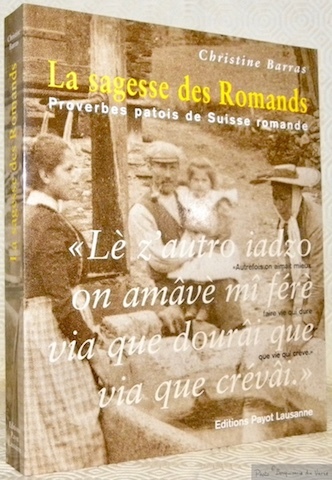
Best.-Nr. 61690Lausanne, Payot 1997, 210x170mm, 427pages, broché. Couverture illustrée à rabats. Exemplaire à l'état de neuf.
Best.-Nr. 12779aafZürich, Leipzig und Berlin, Orell Füssli, 1926, gr. in-4°, XXVIII, mit Titel in rot und schwarz + 96 S. + 17 farbige Abbildungen auf Tafeln + 13 Tiefdrucktafeln + über 400 weitere Abbildungen auf Tafeln + 10 S. Verlagsanzeigen, reliure en d.-toile de l’éditeur.
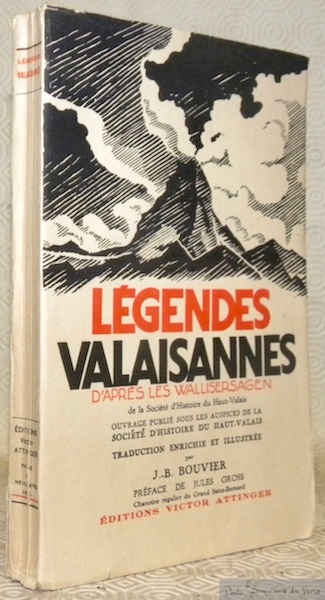
1941Best.-Nr. 1154Fribourg, B. de Vevey et Y. Bonfils, 1941. In-8 broché de XVIII-267 pages, couverture imprimée en deux tons. Couverture un brin poussièreuse, intérieur frais, non coupé.
Best.-Nr. 13802aafLausanne, Foetisch, 1934, in-4°, libretto compr. le texte complet de l’oeuvre / 2) 126 p., partitions musicales et textes, brochure originale illustrée.
Best.-Nr. 13674aafFribourg, St. Paul, 1944, in-8°, 71 p., illustré, partiellement non coupé, brochure originale illustrée.
Best.-Nr. 15237aafChur, Bündner Tagblatt, 1924, gr. in-8°, 287 S., reich illustriert mit Tafeln und Abbildungen, mit einem kolorierten und gefalteten Facsimile einer alten Karte von Graubünden, und mit dem gefalteten Facsimile des Bundesbriefs von 1424, gestochenes Ex Libris ‘Alois Derungs’, Original-Halbleinenband des Verlags mit Aufdruck ‘Ligia Grischa’, sehr gutes Exemplar.
Best.-Nr. 25473aafLausanne, (Impr. du Léman) Ed. Frankfurter éditeur, 1913, in-8° oblong, 3 ff. + 28 planches (esquisses (au verso , recto’s vide) avec 2 lignes de texte) + 2 ff., rousseurs, d.-toile, couverture originale ill., traces d’usage.
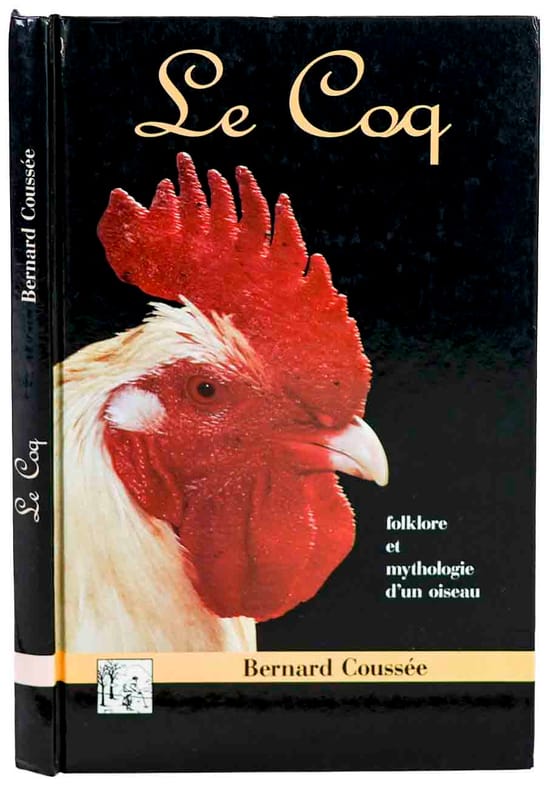
Best.-Nr. 111201aafLille, Bernard Coussée, 1992, gr. in-8vo, 93 p., richement ill. de photographies couleurs et n./b., cartonnage original ill.,
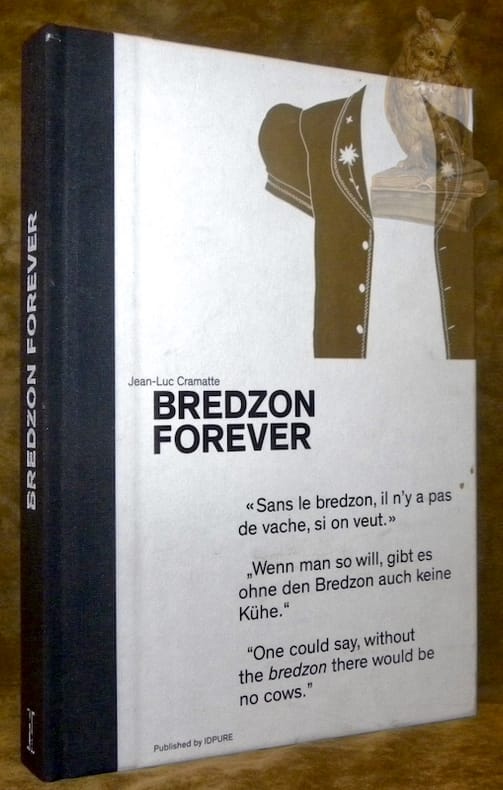
Best.-Nr. 119684Morges, IDPURE 2010, 245x170mm, 197pages, reliure cartonage illustré d’éditeur.