MAUROY, A.MareMagnum

423 risultati
1881In 4°; (4), 50 pp. 1 carta in antiporta con pianta di Remis, e 23 tavv. f.t. in seppia ad illustrare la cavalcata piatto anteriore della brossura originaria a colori conservata all'interno. Ex libris baronale all'interno del piatto anteriore. Bella legatura coeva in mezza tela verde con titolo in oro al dorso e filetti a secco. Piatti foderati con bella carta marmorizzata coeva. Prima, rara, edizione di questa importnate opera illustrata riguardante la storia locale di Reims città francese nel dipartimento della Marna nella regione della Champagne-Ardenne. L'opera ricostruisce una celebre "Cavalcade" di carri mascherati che percorsero la città nel 1881. Questa edizione, a differenza delle seguenti, presenta oltre alla cartina della città così come appariva nel 1881, anche 23 bellissime tavole color seppia con ognuna l'illustrazione di uno dei carri che presero parte all'evento ispirati alla storia e alle produzioni tipiche della città. Fra di essi si possono vedere i carri: della città, dei Druidi, Quadriga, della Lupa (romana), della vigna e del vino, gotico, della caccia, Pompadour, l'orticoltura, dei pompieri, della lana, della tintura, delle regate, dello sport, del vino Chempagne e diversi altri. Esemplare in buone-ottime condizioni di conservazione. RARO. GOOD COPY, FIRST EDITION RARE.
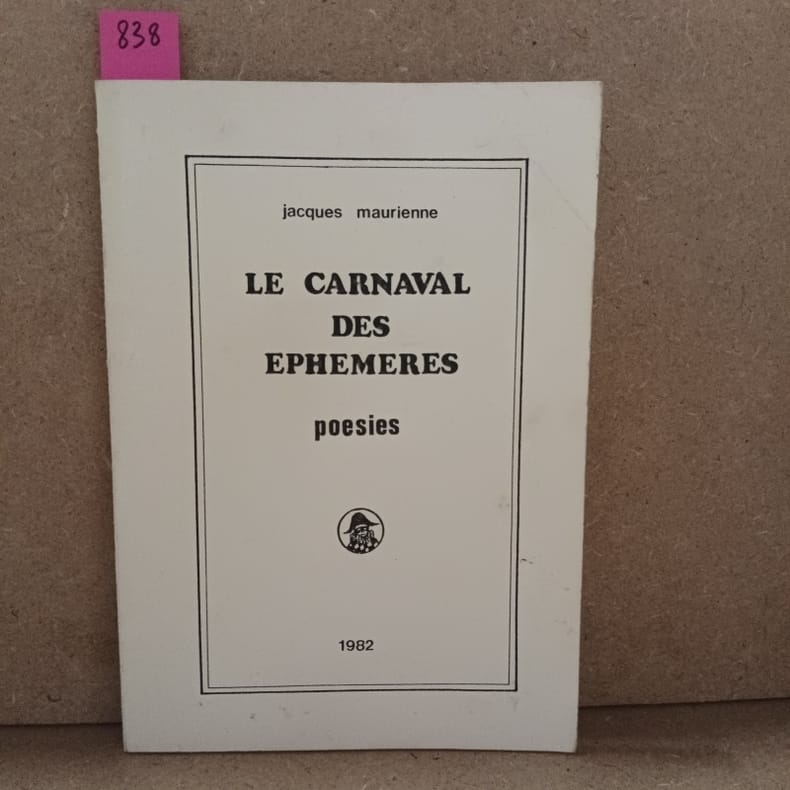
1982rif. 8381982 - broché - Copyright Gérard Dalix - Achevé d'imprimer le 30 juin 1982 par l'auteur, à Lyon - In-8 (20,5 x 14,5 cm) broché - 117 pages - ISBN : 2-904118-00-4 - Dédicace de l'auteur Jacques Maurienne en page de titre
rif. LFA-126725459Un ouvrage de 128 pages, format 225 x 290 mm, relié cartonnage couleurs, illustré, s.d., Archives & Culture, bon état
1992rif. BRESIL6730212Gallimard, "Bibliothèque des Sciences Humaines", 1992, 14 x 22,5, 245 pages + XXIV d'illustrations n&b et couleurs (cahier central) - sous couverture imprimée.
rif. 23382Nice Delrieu Frères, Editeurs 1931 in 4 (34x27,5) 1 fascicule broché, le plat supérieur de la couverture est illustré en couleurs à pleine page d'une belle composition graphique par Gustave Adolphe Mossa, et 2 pages de musique notée. Paroles de D. J. Mari. Musique de P. Harold. Chanson Officielle du Carnaval de Nice 1931. Bel exemplaire ( Photographies sur demande / We can send pictures of this book on simple request )
1875rif. 281211875 (Ap.1875)., Paris. 33pp,illl.ht ,bon état
1942rif. 3850Partitions sur le Carnaval Daniderff 1942 approx.
rif. 108027Paris, L'Edition d'Art, H. Piazza & Cie, 4 rue Jacob, 1903, 1 volume in-8 de 235x165x30 mm environ, 1f.blanc, 229 pages, 1f. (justificatif de tirage, achevé d'imprimer), 1f.blanc, sous chemise rempliée illustrée et chemise à rabats cartonnée couleur bronze portant titres dorés, orné d'un médaillon sur le premier plat et sur le dernier plat, feuillets non rognés. Exemplaire N°75, un des 260 exemplaires sur papier vélin à la cuve des manufactures Blanchet et Kléber, numérotés de 41 à 300, complet des 50 compositions en couleurs de P. ROÏG, dont 17 HT. Magnifiques encadrements floraux (certains en couleurs) dans le style Art Nouveau. Chemise abimée et fragile, ouvrage à relier, sinon pages en très bon état.
rif. 102618Ed. Arthème Fayard - Coll. Modern Bibliothèque - Sans date - In-8 cartonnage toilé vert - 106 p. - Nombreuses illustrations en N&B
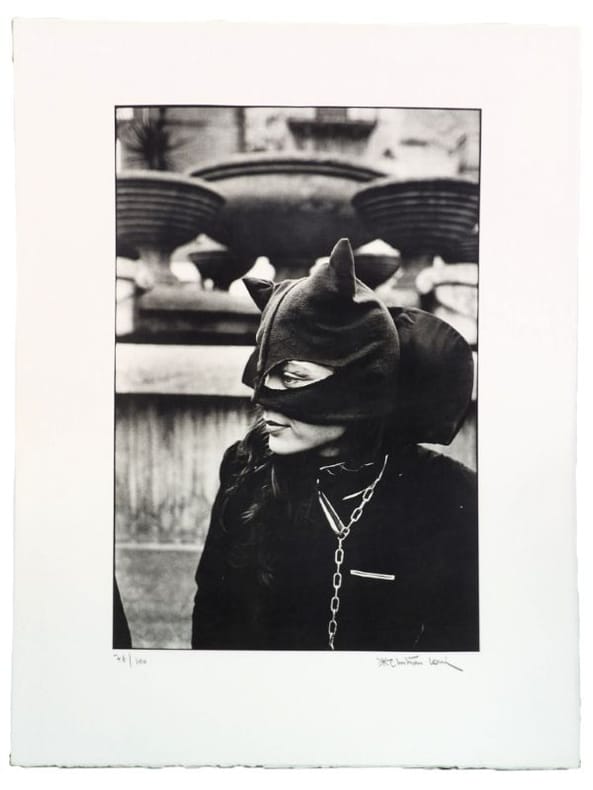
1995rif. 2705Sans lieu, sans mention d'éditeur, sans date (circa 1970-1995). 50 x 65 cm. Tirage photographique original sur papier d'Arches. Tirage limité à 100 exemplaires, numérotés et signés au crayon par le photographe. Tampon à sec "Photographie Christian Louis".
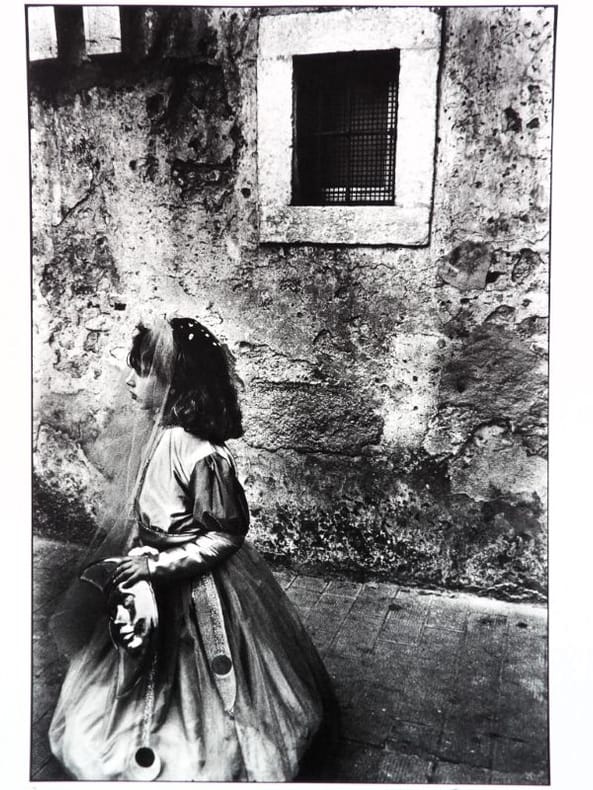
1995rif. 2707Sans lieu, sans mention d'éditeur, sans date (circa 1970-1995). 50 x 65 cm. Tirage photographique original sur papier d'Arches. Tirage limité à 100 exemplaires, numérotés et signés au crayon par le photographe. Tampon à sec "Photographie Christian Louis".
rif. 3818Paris Montgredien et Cie éditeurs sans date (1897) - Broché 12 cm x 18 5 cm 186 pages - Texte de Louis Morin - Couv. rempliée - Nombreux dessins noir & blanc et couleurs in et hors-texte de l'auteur sur les bals cortèges et autres carnavals qui ponctuaient la vie parisienne à la fin du XIXe siècle - Bon état
1980rif. 5101980 - broché - Editions J.-C. Lattès - Collection Les classiques interdits, dirigée par Maurice Chapelan, N° 17 - 1980 - In-8 (19 x 11,5 cm) broché - 318 pages - Préface de Pierre KYRIA
2005rif. 143881Odile Jacob 2005 In-8 broché 24 cm sur 15,5. 380 pages. Bon état d’occasion.
1990rif. 239441990. West Hollywood Halloween and drag photo archive showing gay nightlife costume performance and gender play at the city's Halloween celebration circa 1990s when the annual event was developing into one of the country's largest public Halloween gatherings. West Hollywood occupied an exceptional position in American gay civic life by this period.Incorporated in 1984 through a coalition that included LGBT activists its first City Council became the first municipal governing body in the United States with an openly gay majority and the new city quickly enacted protections against discrimination based on sexual orientation and against people with HIV and AIDS.The Halloween Carnaval formally launched in 1987 from earlier gay Halloween gatherings along Santa Monica Boulevard gave that political and social visibility a mass public expression through drag costume performance and occupation of the street. WeHo By 1995 contemporary reporting described nearly 100000 people converging on West Hollywood for Halloween and traced the celebration to gay men who had begun gathering there more than two decades earlier. Photo archive of 41 chromogenic color photographs each approximately 4 x 6 inches West Hollywood California circa 1990s. The photographs record drag queens gay men and other costumed participants moving through a crowded nighttime celebration frequently stopping to pose embrace dance and perform for the camera. Costumes range from Snow White and other fairy tale figures to nurses brides cowboys showgirls geisha inspired characters with parasols Egyptian royalty devils flight attendants and performers in elaborate gowns lingerie wigs feathers sequins jewelry and theatrical makeup. Several photographs concentrate on coordinated groups: three figures appear in matching blue dresses and white caps; blond performers carry circular signs reading "Air Head Airlines"; a nurse wears white with prominent red crosses; and bridal and princess costumes recur in exaggerated forms. Other images capture pairs embracing friends laughing for the camera performers dancing among spectators and men adopting deliberately heightened feminine personae through padded bodies evening dresses high heels wigs cosmetics and jewelry. The recurring participants and crowded surroundings preserve the Carnaval as a social event rather than simply a costume display recording interaction between drag performers friends spectators couples and other revelers within West Hollywood's nightlife environment. The photographs belong to a specific history of West Hollywood as both a center of gay life in Southern California and a municipality in which LGBTQ political power became part of civic identity. The city's connection to gay activism preceded incorporation: Los Angeles Pride moved to West Hollywood in the 1980s while local organizing around gay rights HIV and AIDS domestic partnership and discrimination shaped the government established in 1984. Halloween developed within that environment as a particularly visible form of queer public culture. A 1995 Los Angeles Times account described gender bending costume as a defining feature of the West Hollywood celebration even as its popularity brought an increasingly broad public audience. As the scale continued to grow the City later described the Carnaval as the country's largest outdoor Halloween celebration and has recorded attendance estimates reaching hundreds of thousands while identifying costumes exhibition performance and self expression as defining elements of the event. These photographs capture that culture during the 1990s when an event rooted in gay community life was becoming a mass regional spectacle without losing drag and gender transformation as central forms of participation. Light surface wear and occasional handling marks; images remain strong and legible. Overall in very good condition. A substantial photographic record of West Hollywood Halloween at the intersection of gay civic identity drag culture gender performance and one of the nation's largest public Halloween celebrations. unknown books
1990rif. 239441990. West Hollywood Halloween and drag photo archive showing gay nightlife costume performance and gender play at the city's Halloween celebration circa 1990s when the annual event was developing into one of the country's largest public Halloween gatherings. West Hollywood occupied an exceptional position in American gay civic life by this period.Incorporated in 1984 through a coalition that included LGBT activists its first City Council became the first municipal governing body in the United States with an openly gay majority and the new city quickly enacted protections against discrimination based on sexual orientation and against people with HIV and AIDS.The Halloween Carnaval formally launched in 1987 from earlier gay Halloween gatherings along Santa Monica Boulevard gave that political and social visibility a mass public expression through drag costume performance and occupation of the street. WeHo By 1995 contemporary reporting described nearly 100000 people converging on West Hollywood for Halloween and traced the celebration to gay men who had begun gathering there more than two decades earlier. Photo archive of 41 chromogenic color photographs each approximately 4 x 6 inches West Hollywood California circa 1990s. The photographs record drag queens gay men and other costumed participants moving through a crowded nighttime celebration frequently stopping to pose embrace dance and perform for the camera. Costumes range from Snow White and other fairy tale figures to nurses brides cowboys showgirls geisha inspired characters with parasols Egyptian royalty devils flight attendants and performers in elaborate gowns lingerie wigs feathers sequins jewelry and theatrical makeup. Several photographs concentrate on coordinated groups: three figures appear in matching blue dresses and white caps; blond performers carry circular signs reading "Air Head Airlines"; a nurse wears white with prominent red crosses; and bridal and princess costumes recur in exaggerated forms. Other images capture pairs embracing friends laughing for the camera performers dancing among spectators and men adopting deliberately heightened feminine personae through padded bodies evening dresses high heels wigs cosmetics and jewelry. The recurring participants and crowded surroundings preserve the Carnaval as a social event rather than simply a costume display recording interaction between drag performers friends spectators couples and other revelers within West Hollywood's nightlife environment. The photographs belong to a specific history of West Hollywood as both a center of gay life in Southern California and a municipality in which LGBTQ political power became part of civic identity. The city's connection to gay activism preceded incorporation: Los Angeles Pride moved to West Hollywood in the 1980s while local organizing around gay rights HIV and AIDS domestic partnership and discrimination shaped the government established in 1984. Halloween developed within that environment as a particularly visible form of queer public culture. A 1995 Los Angeles Times account described gender bending costume as a defining feature of the West Hollywood celebration even as its popularity brought an increasingly broad public audience. As the scale continued to grow the City later described the Carnaval as the country's largest outdoor Halloween celebration and has recorded attendance estimates reaching hundreds of thousands while identifying costumes exhibition performance and self expression as defining elements of the event. These photographs capture that culture during the 1990s when an event rooted in gay community life was becoming a mass regional spectacle without losing drag and gender transformation as central forms of participation. Light surface wear and occasional handling marks; images remain strong and legible. Overall in very good condition. A substantial photographic record of West Hollywood Halloween at the intersection of gay civic identity drag culture gender performance and one of the nation's largest public Halloween celebrations. unknown
1840rif. 118521Couverture souple. 17 x 24 cm. 6 pages. 2 gravures. Rousseurs. Couverture factice.
1951Broché. 32 pages.
rif. 4328NRF gallimard 1979 , 430 pages format in 16 , couverture cartonnée , avec jaquette illustrée , nombreuse cartes en debut de volume
1979rif. SPN-517Paris : Hachette, 1979. Broché 28x21 cm, couverture illustrée couleur recto-verso, 189 pages abondamment illustrées en noir et cahier central couleur, bibliographie. [Ex-dono en page avant-titre]
1968rif. 801Paris, Klincksieck, 1968, in-8, br., 454 pp., II pl. h.t.
1828rif. 46401827À Montbéliard, chez Deckherr, (1828) ; petit in-4, broché, couv. grise muette, préservé dans un étui-chemise, demi-veau fauve. 48 pp. en tout.1 f. titre illustré d’un grand bois montrant le messager boiteux qui délivre une lettre à 3 personnages en costumes XVIe, XVIIIe et XIXe siècle (pour symboliser la pérennité de l’almanach), 3 pp. (description des saisons pour 1829 et chronologie), 1 f. avec un nouveau titre plus complet orné d’une vignette, 24 ff. de calendrier ornés de jolies vignettes sur bois illustrant les différents travaux et loisirs de la campagne, 16 pp. de textes et relations diverses : Nouveau système de navigation sous-marines, avec des bateaux à fonds ouverts à volonté par Baudoin des Andelys (expérience de bateau plongeur réalisée dans la Seine le 9 mai 1827. - Du Carnaval, du boeuf gras et des Mascarades (avec une superbe gravure sur bois à pleine page), un texte sur les Patagons, divers articles sur le jardinage, le tabac, des faits divers. Important article sur la Guerre en Grèce, la bataille de Navarin (avec une grande illustration dépliante), l’anecdote intitulée Trait mémorable d’un nègre (illustré d’un grand bois) est particulièrement éloquente au sujet des moeurs et des idées coloniales de l’époque.Très bel exemplaire frais et bien établi.
1979rif. 151202(Paris): Gallimard 1979. 426 Seiten. 8° (17,5-22,5 cm). Orig.-Pappband mit illustriertem Orig.-Schutzumschlag sowie Lesebändchen. [Hardcover / fest gebunden].
Hardcover / in-8°, 426 pages, cartes, cartonnage editeur, jaquette illustree. Bel exemplaire. [DV-16]
rif. 105928Gallimard Bibliothèque des Histoires Gallimard, Coll. Bibliothèque des Histoires, 1979, 426 p., cartonnage éditeur sous jaquette, haut et bas du dos de la jaquette frottés, page de titre annotée, bon état pour le reste.