MERLIN, BernardLivre Rare Book

1.921 Ergebnisse
1995Best.-Nr. 1163831995 Editions Mémoire Active - 1995 - Edition limitée à 600 exemplaires, exemplaire n° 461 - In-8, cartonnage illustré en couleurs de l'éditeur - 182 p. - Riche iconographie in et hors texte en couleurs et en N&B - Envoi de l'auteur (dédicace) en page de titre
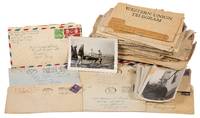
1952Best.-Nr. 418186New Jersey 1952. Unbound. Near Fine. A collection of 94 letters and 1 photograph to Mary Stack between 1947 through 1952 from various men serving during the Korean War. Letters are very good or better many with their original envelopes which have tears from opening. A collection of letters most written to Mary Stack from soldiers during the years leading up to the Korean War and during. Many of the men are interested in Mary romantically and express their feelings for her throughout their writings. One of these men Merlin Neal appears to have been her actual beau but was not the only man she was sending intimate messages to. Letters from 1948 and 1949 also include letters from Henry A. Berens whose bunkmate overseas was a friend of Mary's. He writes in his first letter "I guess by this time you are wondering who is writing you this letter I got your address off of one of Eddie's letters. He doesn't know I'm writing so I hope you don't mind." Over 11 letters Henry befriends and "falls in love" with Mary although it seems they never met. Henry was stationed in Ongjion Korea and discusses his time there in his letters to Mary. In a letter from May 1948 he writes "Well I'm here with the Russians again. Yesterday we had a little trouble. One of our men got shot 4 times. He sure was an awful mess. He had 1 hole in his back and 3 in his leg. They claim he will have to lose his leg because the bullet almost tore it off." In June of that year he wrote from a hospital in Seoul after a bridge collapsed he was driving over. The letters all include romantic sentiments even though Mary was involved with another soldier Merlin Neal whom she eventually married. One letter from Henry reads "in your letter you asked me what I would do when I saw you. Well first I would grab you and kiss you I guess. You would probably slap me afterwards but I wouldn't mind at all. It would be worth a slap to kiss you. After that we would go some place and talk. Then the rest is up to you." The last letter written by Henry is dated March 1949 roughly a year after the first letter and asks why she hasn't written in a while. "Darling I prayed for us in church today. I sure hope my prayers are answered. I'll be home in a few month and I want to meet you so bad." By 1949 Mary is almost exclusively writing to Merlin L. Neal making up the majority of the archive including a few from Mary to Merlin. The early letters are flirty and friendly while Merlin often referred to as "Mer" was training with the Signal Corps at Fort Monmouth New Jersey and was part of the 64th AAA Gun Battalion. The letters discuss Mer's schooling missing Mary and encouraging her to enroll in a nursing program which she eventually does. By the end of 1949 he was sent to Seattle awaiting overseas orders which he writes "Monday the next ship for Japan leaves and I think we will be on the next ship." By January of 1950 Merlin had been promoted to sergeant writing "I went to my 1st Sgt. meeting and boy everybody there was calling me Sgt." Many of his overseas letters discuss the daily routine of the army his missing her and attempts to figure out how to be discharged. He often discusses marriage and calls Mary his "future wife." Merlin also tells her about the people he meets and things he buys while in Japan. "Honey those Gods I sent you I just happened to buy them. Those seven gods the Japanese worship buy honey these people are all crazy. Those houses are what the Japanese live in." Most of the letters involved Merlin reassuring Mary he's not being unfaithful. In one he writes "I was out walking around with two of my buddys and Mary they picked up two girls an wanted me to find a girl and go with them I told them no Mary I told you in my other letters I've been a good boy here and Mary I'm saying it again." He continues "I don't know whats the matter with some of these guys here some of them are married and I don't know boy I don't understand them." Throughout 1950 while serving in Japan Merlin writes to Mary frequently often daydreaming about their life after he returns from service. He tells her they'll get married have children go dancing and he repeatedly tells her he wishes he was holding and kissing her. Being separated from her makes him want to "cry and cry" because he's never missed someone so much. "Darn this Army boy they gave me my job but they really put me far away from you." When he isn't working or missing Mary he goes to the G.I. shows and movies that the camp puts on and occasionally visits Japanese cities when on furlough. In June of 1950 he writes "Honey I've been in the Army 26 mos today 10 more mos is my discharge date but if I don't get a discharge before then I'll leave Japan in March. I wish I would have only joined the Army for two years like I was going to instead of 3 years." 1951 saw some trouble in the relationship with Merlin writing less and Mary being worried and hurt by the lack of communication. A long typed letter from Merlin repeatedly tells her he's hurt by her accusations of him not loving her. One letter reads "Mary I'm beginning to understand why you don't write me and how easy love has been thrown away!" He continues discussing a possible deployment to Korea "so many soldiers are dieing sic over there Mary. I hope and pray I can go and help the other G.I.s I'm no hero Mary but I want to go. I guess Mary when guys get lonely like me they probably feel different than me." Mer continues to write her even though it appears she stopped or was slow to respond. In these letters he sends her photos of a Japanese fishing boat and its crew tells her he's on the list of Korea and begs her to write him. The final letter is from March of 1952 and is typed by Merlin after receiving an angry letter from Mary. It appears to have been a break up "Dear John" letter and he is devastated by the news. He writes "tonight Mary I'm going to go and drink all the whiskey I can hold that's the kind of mood I'm in." Despite the tragic turn of events in their relationship the two were eventually married and according to their obituaries stayed together until Merlin's death. An interesting collection of love letters detailing the interpersonal relationships that developed during war time. unknown
1952Best.-Nr. 418186New Jersey 1952. Unbound. Near Fine. A collection of 94 letters and 1 photograph to Mary Stack between 1947 through 1952 from various men serving during the Korean War. Letters are very good or better many with their original envelopes which have tears from opening. A collection of letters most written to Mary Stack from soldiers during the years leading up to the Korean War and during. Many of the men are interested in Mary romantically and express their feelings for her throughout their writings. One of these men Merlin Neal appears to have been her actual beau but was not the only man she was sending intimate messages to. Letters from 1948 and 1949 also include letters from Henry A. Berens whose bunkmate overseas was a friend of Mary's. He writes in his first letter "I guess by this time you are wondering who is writing you this letter I got your address off of one of Eddie's letters. He doesn't know I'm writing so I hope you don't mind." Over 11 letters Henry befriends and "falls in love" with Mary although it seems they never met. Henry was stationed in Ongjion Korea and discusses his time there in his letters to Mary. In a letter from May 1948 he writes "Well I'm here with the Russians again. Yesterday we had a little trouble. One of our men got shot 4 times. He sure was an awful mess. He had 1 hole in his back and 3 in his leg. They claim he will have to lose his leg because the bullet almost tore it off." In June of that year he wrote from a hospital in Seoul after a bridge collapsed he was driving over. The letters all include romantic sentiments even though Mary was involved with another soldier Merlin Neal whom she eventually married. One letter from Henry reads "in your letter you asked me what I would do when I saw you. Well first I would grab you and kiss you I guess. You would probably slap me afterwards but I wouldn't mind at all. It would be worth a slap to kiss you. After that we would go some place and talk. Then the rest is up to you." The last letter written by Henry is dated March 1949 roughly a year after the first letter and asks why she hasn't written in a while. "Darling I prayed for us in church today. I sure hope my prayers are answered. I'll be home in a few month and I want to meet you so bad." By 1949 Mary is almost exclusively writing to Merlin L. Neal making up the majority of the archive including a few from Mary to Merlin. The early letters are flirty and friendly while Merlin often referred to as "Mer" was training with the Signal Corps at Fort Monmouth New Jersey and was part of the 64th AAA Gun Battalion. The letters discuss Mer's schooling missing Mary and encouraging her to enroll in a nursing program which she eventually does. By the end of 1949 he was sent to Seattle awaiting overseas orders which he writes "Monday the next ship for Japan leaves and I think we will be on the next ship." By January of 1950 Merlin had been promoted to sergeant writing "I went to my 1st Sgt. meeting and boy everybody there was calling me Sgt." Many of his overseas letters discuss the daily routine of the army his missing her and attempts to figure out how to be discharged. He often discusses marriage and calls Mary his "future wife." Merlin also tells her about the people he meets and things he buys while in Japan. "Honey those Gods I sent you I just happened to buy them. Those seven gods the Japanese worship buy honey these people are all crazy. Those houses are what the Japanese live in." Most of the letters involved Merlin reassuring Mary he's not being unfaithful. In one he writes "I was out walking around with two of my buddys and Mary they picked up two girls an wanted me to find a girl and go with them I told them no Mary I told you in my other letters I've been a good boy here and Mary I'm saying it again." He continues "I don't know whats the matter with some of these guys here some of them are married and I don't know boy I don't understand them." Throughout 1950 while serving in Japan Merlin writes to Mary frequently often daydreaming about their life after he returns from service. He tells her they'll get married have children go dancing and he repeatedly tells her he wishes he was holding and kissing her. Being separated from her makes him want to "cry and cry" because he's never missed someone so much. "Darn this Army boy they gave me my job but they really put me far away from you." When he isn't working or missing Mary he goes to the G.I. shows and movies that the camp puts on and occasionally visits Japanese cities when on furlough. In June of 1950 he writes "Honey I've been in the Army 26 mos today 10 more mos is my discharge date but if I don't get a discharge before then I'll leave Japan in March. I wish I would have only joined the Army for two years like I was going to instead of 3 years." 1951 saw some trouble in the relationship with Merlin writing less and Mary being worried and hurt by the lack of communication. A long typed letter from Merlin repeatedly tells her he's hurt by her accusations of him not loving her. One letter reads "Mary I'm beginning to understand why you don't write me and how easy love has been thrown away!" He continues discussing a possible deployment to Korea "so many soldiers are dieing sic over there Mary. I hope and pray I can go and help the other G.I.s I'm no hero Mary but I want to go. I guess Mary when guys get lonely like me they probably feel different than me." Mer continues to write her even though it appears she stopped or was slow to respond. In these letters he sends her photos of a Japanese fishing boat and its crew tells her he's on the list of Korea and begs her to write him. The final letter is from March of 1952 and is typed by Merlin after receiving an angry letter from Mary. It appears to have been a break up "Dear John" letter and he is devastated by the news. He writes "tonight Mary I'm going to go and drink all the whiskey I can hold that's the kind of mood I'm in." Despite the tragic turn of events in their relationship the two were eventually married and according to their obituaries stayed together until Merlin's death. An interesting collection of love letters detailing the interpersonal relationships that developed during war time. unknown books
Best.-Nr. 0854763759.Gpaperback. Good. Access codes and supplements are not guaranteed with used items. May be an ex-library book. paperback
Best.-Nr. 1531650376.Ghardcover. Good. Access codes and supplements are not guaranteed with used items. May be an ex-library book. hardcover
1993Best.-Nr. LFA-126738431Publication annuelle de 180 pages, format 150 x 210 mm, brochée, G.U.E.L.F., bon état
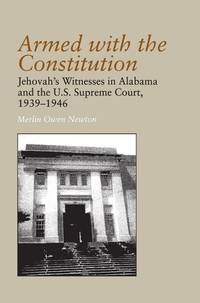
Best.-Nr. 650555211University of Alabama Press . Papeback. New. pp. 240 1st Edition University of Alabama Press unknown
Best.-Nr. 0817312285.Gpaperback. Good. Access codes and supplements are not guaranteed with used items. May be an ex-library book. paperback
Best.-Nr. 1778247652.Gpaperback. Good. Access codes and supplements are not guaranteed with used items. May be an ex-library book. paperback
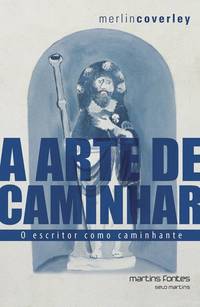
Best.-Nr. 9788580631760MARTINS - MARTINS FONTES. new. Merlin Coverley apresenta em ""A Arte de Caminhar"" uma reflexo acerca da atividade de caminhar e sua relao com a criao e a escrita. Para isso vale-se de dados biogrficos e das obras de autores de diversas regies e pocas que tinham a atividade incorporada em sua rotina sejam como simples caminhantes como peregrinos pedestres ou flanurs. Em comum a maioria desses autores tem na caminhada uma fonte inesgotvel de inspirao e questionamento fortemente incorporada em suas criaes. Como a caminhada adquiriu esse status Por que algo to �bvio como colocar um p diante do outro adquiriu um valor to elevado O autor apresenta e analisa algumas respostas poss�veis. MARTINS - MARTINS FONTES unknown
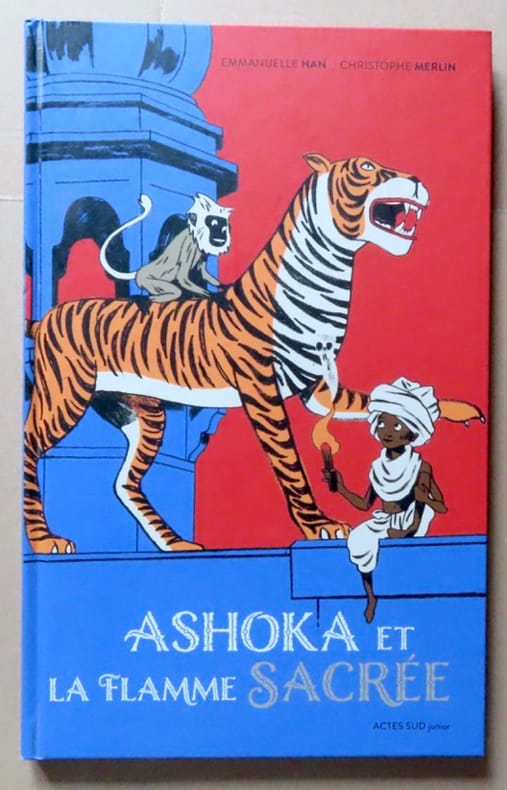
2021Best.-Nr. 17531Actes Sud junior, 2021. In-4, cartonnage couleurs. Etiquette de possesseur sur garde, pour le reste en très belle condition.
1939Estratto dagli Atti del Reale Istituto Veneto di Scienze, Lettere e Arti PREMIATE OFFICINE GRAFICHE CARLO FERRARI 1939 263 PP. PERFETTO, INTONSO, MAI SFOGLIATO
Best.-Nr. 281850483X.Gpaperback. Good. Access codes and supplements are not guaranteed with used items. May be an ex-library book. paperback
Best.-Nr. 2213663157.Gpaperback. Good. Access codes and supplements are not guaranteed with used items. May be an ex-library book. paperback
Best.-Nr. 9782818504833Fayard
Paris, Denoël, 1947. In-12, broché, 101 pp. Edition originale. Envoi autographe de l'auteur à l'écrivain Richard Borel. Reportage sur la Radio.
Best.-Nr. 8915Paris, Denoël, 1947. In-12, broché, 101 pp.
1981Best.-Nr. 2844Edita 1981 In-4 relié 27,5 cm. Bon état d’occasion.
Best.-Nr. 41363Edita ,1981, in-4 de 109 pages ,illustrations in-texte et hors-texte ,Relié, jaquette illustrée ,Très bon état , .Isbn : 2880011221.(2 photos du livre sur mon site https://www.vieuxlivre.fr) .Les frais de port pour la France sont offerts à partir de 25 euros d'achat (Mondial relay ). (colissimo suivi +6,90 ).
2001Best.-Nr. Q-0375725377Vintage 2001-05-08. Paperback. New. New. In shrink wrap. Looks like an interesting title! Vintage paperback
1988Best.-Nr. 46593München, Diederichs Verlag, 1988.
Best.-Nr. 1633Zulma
Best.-Nr. 43038375like new. unknown
Best.-Nr. 1982283629.Ghardcover. Good. Access codes and supplements are not guaranteed with used items. May be an ex-library book. hardcover
1989Best.-Nr. 85957Torino: Einaudi 1989. Cm. 215 pp. l 940 2. Con tavole a colori f.t. Leg. edit. in piena tela con sovracoperta ill. Entro custodia in cart. rigido illustrato. Una piccola firma di possesso ms. alla prima carta di guardia peraltro perfetta conservazione. Collana: I Millenni. Einaudi hardcover