DUCOR (Henri)Livre Rare Book

1 136 résultats
réf. 197784Paris, Dupont, 1833 2 vol. in-8, [2]-420 pp. et 436 pp., gravure-frontispice, demi-veau violine, dos à nerfs orné de filets dorés, monogramme couronné dans un entre-nerfs, tranches marbrées (reliure de l'époque).
1735réf. 9457Paris, Debure l'Ainé (Imprimerie Jacques Vincent), 1735 ; in-4 ; plein veau moucheté havane, dos à nerfs décoré et doré, pièce de titre grenat, roulette dorée sur les coupes, tranches rouges (reliure de l'époque) ; XVIII, (8) (table et errata), 408, (2) pp., 20 planches en 10 feuilles dépliantes.
réf. 226315Lyon et Paris, 1826 - 1849 15 pièces en un vol. in-8, demi-basane verte, dos lisse orné de filets dorés, pièce de titre noire, tranches mouchetées (reliure du XIXe ).
réf. 203104Versailles [puis :] Paris, Cerf et fils [puis :] Imprimerie nationale, 1873-1875 8 vol. in-4 carrés, demi-basane cerise, dos à nerfs ornés de filets et pointillés dorés, pièces de titre et de tomaison noires, tranches mouchetées (reliure de l'époque). Accrocs à certaines coiffes, traces d'humidité au premier volume.
réf. 235515Paris, Paul Dupont, Melun, Imprimerie administrative, 1870 - 1947 28 vol. in-8, demi-chagrin ou demi-basane, dos à nerfs, pièces de titre et tomaison cerise, tranches mouchetées (reliure du XXe). Disparates de taille des volumes, des dos insolés, quelques accrocs à des pièces de titre, dos des vol. XXIV et XXVI assez défraîchis.
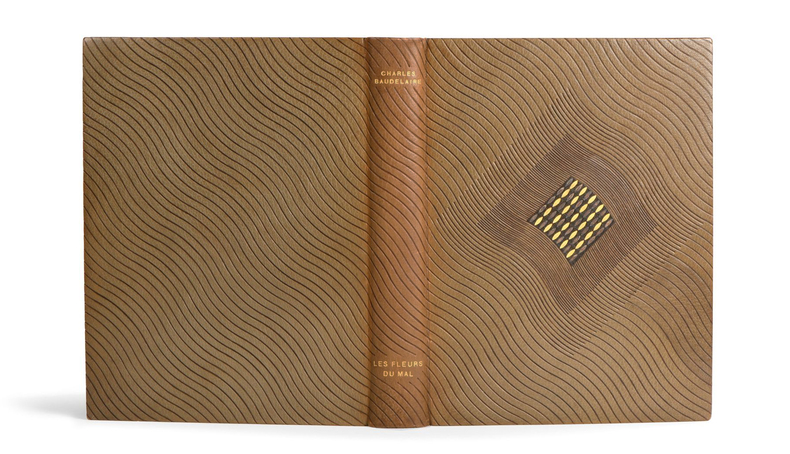
1928réf. 3859Paris, G. Govone éditeur, 1928. Un volume in-4 (339 x 250 mm) 337 pp., reliure en plein maroquin gris, plats et dos ornés en continue de filets ondulés noirs parallèles, encadrant au centre du premier plat un losange de maroquin noir orné de bandes de motifs ovales mosaïqués bronze et dorés, dos lisse titré or, doublures avec un large encadrement de maroquin gris, orné de filets ondulés parallèles à froid et gardes de soie moirée bronze, doubles gardes, tête dorée, non rogné, couverture et dos conservés, étui bordé (Lefranc). Édition limitée à 353 exemplaires, ornée de la reproduction d’un autoportrait de Baudelaire et d’une page autographe de l’auteur en fac-similé, contrecollées à pleine page. 10 EAUX-FORTES ORIGINALES DE MARIETTE LYDIS TOUTES EN HORS-TEXTE. L'exemplaire est l'un des 290 exemplaires numérotés sur Hollande Pannekoek (n° 92). Il est exceptionnellement enrichi de LA SUITE COMPLÈTE DES DIX EAUX-FORTES TIRÉES EN COULEURS ET SIGNÉES AU CRAYON PAR MARIETTE LYDIS. Il s’agit ici de l’une des 75 en couleurs sur vélin de Hollande Pannekoek. Cette suite, considérée comme l’une des meilleures productions de l’artiste, a été publiée séparément par l’éditeur à 125 exemplaires seulement. À noter qu’en 1937, l’éditeur publiera une autre suite très différente de 33 compositions lithographiées en couleurs de Mariette Lydis pour illustrer ce même texte.
1888réf. 44861Tokyo, , 1888. 1 titre-frontispice et 3 planches in-4 (21 x 28 cm), vélin rigide, titre en manuscrit en long (reliure de l'époque).
1946réf. 11878Paris, Imprimerie Roger Amiard, 1946. Petit in-4 autographié (23 x 18 cm) de 350-(2) pp., couverture imprimée conservée, demi-maroquin bleu, dos à nerfs (reliure moderne).
1775réf. 43518A Gand, chez Pierre de Goesin, 1775. Grand in-4 de IV-268 pp., demi-veau brun à coins (relié vers 1820).
1664réf. 4757London: Printed for M.D. and are to be sold by Nathaniel Webb at the Royal Oak in St. Pauls Church-yard neer the little north-door of St. Pauls Church 1664. FIRST EDITION. Hardcover. Fine. Bound in modern quarter calf and marbled boards. A crisp copy a few sall rust marks final leaf dusty verso of last text leaf lightly foxed. The first leaf is a full-page woodcut of the royal arms. The final leaf bound at the beginning in this copy bears the woodcut printer's device "Royall Oake" and type ornaments. Rare: North American copies: Harvard 4 copies Huntington Indiana Newberry Illinois. A royal pronouncement by King Charles II appointing members to serve on a commission first established by Queen Elizabeth in 1586 "for the Relief of Poor Distressed Prisoners" that is those debtors who "were truly and indeed poor distressed and miserable and wanted means to satisfie their creditors" as opposed to those "obstinate and wilful debtors" who had the means but not the will to pay their outstanding debts. The patent grants commissioners the authority to summon any imprisoned debtor and any party to whom a debt is owed to assess the merits of the case and to devise -in coordination with judges- a remedy that will satisfy the creditor and provide relief for "such poor and miserable persons as have not wherewithal to satisfie their Debts" who would otherwise "be constrained miserably to perish in Prison except in pity they shall be relieved." The Commission could do little to remedy the disfunction of the prison system or to alleviate the plight of those imprisoned for debt. Throughout the 17th c. the imprisoned vociferously protested the grim horrors of debtors' prison and the corrupt system that doomed them to rot in jail powerless and penniless. From the 1640s onward numerous petitions were introduced seeking debt relief and prison reform. It was not until the 1670s that these efforts would bear substantive fruit. In the meantime appealing to the Commission offered salvation to a relative few. "Throughout the petitions and appeals the gaolers are described as vipers leeches and caterpillars who "feed upon the miseries of honest men or grow rich out of others ruines"; they are also characterized as ravenous beasts of prey predators that "rore like Lyons devoure like Tygers ravine like Wolves and like Beares crush the Prisoner under their feet." "Whether they slowly consumed or quickly devoured their victims these "insatiable Monsters of Cruelty" threatened especially prisoners caught in the vicious cycle of financial misfortune that had led to their incarceration. "Because we are Poore" one of them poignantly protests we have no escape: "Poore I say and not able to fee Lawyers Atturneys Sollicitors and Gaolers; for if we had moneys to satiate these Horsleeches then though our causes were never so unjust and debts never so great we should no wayes doubt the gaining of our Liberties." This injustice another tract contends is not merely the timeless complaint of all prisoners: "here the poorest debtor hath the cruellest imprisonment; that is the rule of these men's mercie: The greatest cheater hath the greatest favor; that is their Justice." "Quite simply money drove the debtors to prison and money determined their fates in prison. Much of the complaint against the rapacity of the gaolers in fact stems from a fee system that required inmates to pay for their own incarceration. In addition to the various chamber rents levied by keepers all prisoners were expected to give sums to the turnkeys and porters for their services. Neither the fees nor the laws governing this practice were however clearly established; and prisoners complained at length and in detail "That in pursuance of their uncontrouled inhumane cruelties Gaolers and Prison-keepers have and dayly do inforce from Prisoners their goods and moneys illegal fees and excessive Chamber-rent."Anselment The Confinement: The Plight of the Imprisoned English Debtor in the Seventeenth Century The Commission for the Relief of Poor Distressed Prisoners in the Post-Elizabethan Period: By this patent Charles II's renews previous patents passed by "Our Grand-Father"James I and "Our Father"Charles I. Despite their intent the Commissions For Relief were an imperfect solution. They met resistance from debtors who feared that their implementation would make it harder to recoup monies owed to them. Further there was concern that unscrupulous borrowers would be emboldened to default on their debts. "Creditors needed protection against deliberate bankrupts and poor debtors required relief against persistent creditors yet aid to one party would have been prejudicial to the other. Upon Queen Elizabeth's death her patent authorizing a commission for the relief of poor imprisoned debtors expired and James did not renew it. "In the absence of a royal patent Parliament attempted to resolve the dilemma by statutes but its prison bills proved ineffectual. Also as Parliament's patent of 1618 "Acte for Recoverie of Small Debtes and releevinge of poor debtors in London" makes clear the expiration of the earlier patent somewhat discouraged political debtors but it left many bona fide debtors unrelieved until London's jails were filled with 'the Bodies of those persons whose imprisonment cann no waie avail their Creditors but rather is an hinderance to the Satisfaction of their Debts for that during the tyme of their Restrainte they are in no wise able to goe aboute or attende their lawfull Busynes but must of force consume themselves and that little they have miserably in prison.'"Shaw The Position of Thomas Dekker in Jacobean Prison Literature PMLA Jun. 1947 Vol. 62 No. 2 Jun. 1947 pp. 366-391. Printed for M.D. and are to be sold by Nathaniel Webb, at the Royal Oak, in St. Pauls Church-yard, neer the little north-door of hardcover
1887réf. 43098Sans lieu, , 1887. Album in-4 de (2) ff. manuscrits et 49 aquarelles de forme médaillon sur papier Whatman montées sur papier fort, demi-veau fauve glacé à coins, dos orné à nerfs, pièce de titre en maroquin rouge (reliure de l' époque).