4.597 Ergebnisse
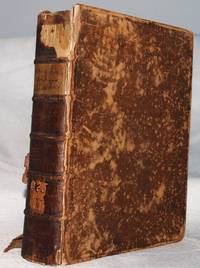
1686Best.-Nr. 1403310038Apud Henricum Wetstenium 1686-01-01. First Edition. Hardcover. Acceptable. Full early leather binding. Outer boards show wear. Loss tears to leather wooden boards partially exposed. Solid internal binding.10 p. leaves 916 28 p. Internally good with clean unmarked pages. Limborch 1633-1712 was a Dutch Remonstrant theologian. This is the first edition of his most important work Theologiae christianae a system of theology based on Simon Episcopius and Stephan Curcellaeus. Rev. James H. Woolsey's name on title page. Institutional stamp on verso and title page. Apud Henricum Wetstenium hardcover
1926Best.-Nr. 2081002109001349New York: Charles Scribner's Sons 1926. Soft Cover. Fine. Number of pages: 348p Size: 19 x 14 cm New York: Charles Scribner's Sons paperback
2012Best.-Nr. DADAX3642262740Springer 2012-05-04. 2010. paperback. New. 6.00x1.30x9.00. Buy with confidence. Excellent Customer Service & Return policy. Springer paperback
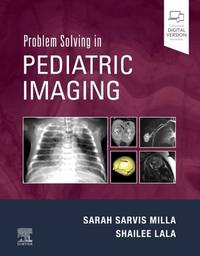
2023Best.-Nr. CBS-9781437726121Elsevier Np 2023. New. Elsevier (Np) unknown
2023Best.-Nr. CBS-9781437726121Elsevier Np 2023. New. Elsevier (Np) unknown
2023Best.-Nr. Raj-97893909320092023. New. English unknown
2023Best.-Nr. Raj-97893909320092023. New. English unknown
Best.-Nr. 1785800like new. unknown
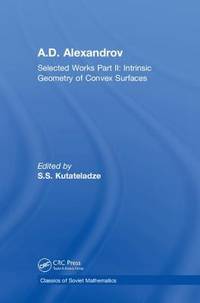
2005Best.-Nr. SONG0415298024CRC Press 2005-07-25. 1. hardcover. Used: Good. 6.28x1.12x9.60. Buy with confidence. Excellent Customer Service & Return policy. CRC Press hardcover
Best.-Nr. MCLASPI1Dillingen & SL J. G. Bencard - Josephi Wolff 1733 - 1756 4 parties en 2 volumes grand in-4 de format différents (33x21.5 & 34x22 cm), peau de truie sur ais de bois estampée à froid, fermoirs, dos à 5 nerfs, étiquettes de titre et tomaison, beaux titres en rouge et noir (avec fleuron imprimeur) au T I.
1750In 8° (18,4×12,5 cm); (4), 336, (2 b.) pp. Legatura editoriale in pieno cartoncino molle con titolo chiosato a mano al dorso. Qualche macchia e traccia di sporco. Un leggerissimo alone al margine interno delle prime 5 carte e al margine esterno delle ultime 5, praticamente invisibile e ininfluente. Esemplare in barbe e quindi ad ampi margini ed in più che buone condizioni di conservazione. Rarissima edizione, della variante della prima edizione di questo scritto del grande medico, anatomista e patologo forlivese, Giovanni Battista Morgagni o Giovan Battista Morgagni o anche Giambattista Morgagni (Forlì, 25 febbraio 1682 – Padova, 5 dicembre 1771). Questa variante, che venne stampata da Comino prima delle altre copie, non presenta la dedicatoria ad Heister, aggiunta solo in seguito ed un frontespizio con qualche piccola differenza di stampa delle lettere oltre ad un errore marchiano poi corretto nelle copie seguenti. Trattasi probabilmente di una copia di prova dello stesso Comino. In questo esemplare infatti invece della corretta forma di “nunc primum” è stampato l’errore “nunc primnm”. Antica firma di appartenenza privata al recto del piatto anteriore “Ippoliti”. L’opera che apparve per la prima volta in forma notevolmente rimaneggiata nel 1721 vide la sua forma definitiva, considerata in tutto e per tutto come la prima edizione (presenta più di 200 pagine rispetto all’edizione precedente), edita da Comino a Padova nel 1750. Fra i suoi interessi anche quelli legati allo studio dei classici della medicina con studi filologici approfonditi. Qui presenta i suoi studi dedicati alla dottrina e figura del grande medico romano Auro Cornelio Celso descritta nel suo “De Medicina” che unico superstite pervenutoci di un trattato più ampio dedicato a tutte le scienze antiche, rappresenta una delle più vaste fonti di informazioni sulle pratiche mediche dell’epoca.. “L’impegno filologico di Morgagni si realizzò soprattutto nelle quattro lettere In scriptores rei rusticae, composte tra il 1721 e il 1723 per conto di Johann Matthias Gesner (Lipsia 1735), e nelle dieci lettere In Aur. Corn. Celsum et Q. Ser. Samonicum pubblicate in due momenti successivi (Padova 1721 e 1750) su richiesta del collega e amico Giovanni Battista Volpi. Morgagni lasciò inoltre numerosi scritti a carattere storico-medico, storico ed erudito, raccolti insieme con altri negli Opuscula miscellanea (1763), tra i quali le Epistolae Aemilianae in cui illustrò la propria terra natale da tutti i punti di vista (geologico, geofisico, archeologico, storico, etc.)”. E’ considerato il fondatore dell’anatomia patologica nella sua forma contemporanea. Rudolf Virchow lo definisce il Padre della patologia moderna. In Europa si era soliti riferirsi a lui come “Sua Maestà anatomica”. “Il 18 novembre 1698, all’età di sedici anni, si iscrisse all’Università di Bologna per studiarvi medicina, specie anatomia, considerata da Morgagni “pietra angolare di tutto l’edificio medico”. Ebbe come maestro di anatomia Ippolito Albertini, ma soprattutto ebbe la possibilità di seguire le lezioni di Antonio Maria Valsalva, eminente sperimentalista di fisiologia, nonché figlio scientifico di Marcello Malpighi, tra i primi ad opporsi al fenomeno seicentesco della separazione tra speculazione scientifica e pratica. In effetti Morgagni non è da considerarsi lo scopritore unico del metodo -detto poi morgagnano-, bensì l’esponente principale, che raccolse e sviluppò le fatiche dei suoi maestri diretti e indiretti, Valsalva e Malpighi, per creare quell’edificio monumentale anatomo-patologico che sta alla base della medicina moderna … Nel 1711 il desiderio di Morgagni venne esaudito: venne chiamato alla seconda Cattedra di medicina teorica dell’Università degli Studi di Padova lasciata libera da Antonio Vallisneri, dopo che quest’ultimo ebbe ottenuto la prima Cattedra dopo la morte di Domenico Guglielmini. …. Nel 1761 Morgagni pubblicò il suo massimo contributo alla medicina, De sedibus et causis morborum per anatomen indagatis: la grande opera del forlivese stabilì una volta per sempre la correlazione tra osservazione anatomica e pratica clinica, spostando l’accento dallo studio della natura della malattia a quello della sede della malattia”. Rarissima edizione della variante della prima edizione in più che buone condizioni di conservazione ed in legatura coeva. Curiosità bibliografica. Copia probabilmente unica. Bibl: Federici, pag. 201, n. (7) che descrive la prima edizione nella sua forma classica.
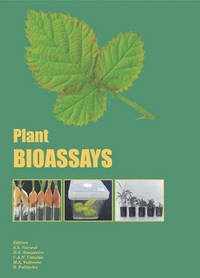
2011Best.-Nr. ASAP-9781626993525Studium Press India Pvt. Ltd. 2011. New. Studium Press (India) Pvt. Ltd. unknown
2011Best.-Nr. ASAP-9781626993525Studium Press India Pvt. Ltd. 2011. New. Studium Press (India) Pvt. Ltd. unknown
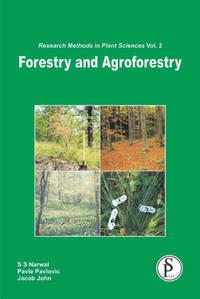
2009Best.-Nr. ASAP-9781626992207Studium Press India Pvt. Ltd. 2009. New. Studium Press (India) Pvt. Ltd. unknown
2009Best.-Nr. ASAP-9781626992207Studium Press India Pvt. Ltd. 2009. New. Studium Press (India) Pvt. Ltd. unknown
2004Best.-Nr. CBS-9780323023986Sp Misc 2004. New. Sp Misc unknown
2004Best.-Nr. CBS-9780323023986Sp Misc 2004. New. Sp Misc unknown
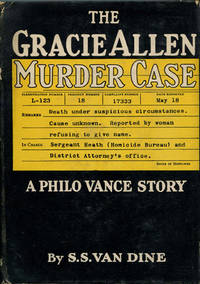
1938Best.-Nr. 42650New York: Charles Scribner's Sons 1938. 1938. First edition. Fine bright copy in dust jacket with a small closed tear to the bottom crease of the front flap fold. Gracie Allen trys to help master sleuth Philo Vance solve a murder. Allen's uncle fixes her up with Bill at a company picnic. When the two go out to a nightclub that night Gracie inadvertently links Bill to the murder of a thug after finding the dead body and Bill's cigarette case at the scene of the crime. While being questioned at the club she meets Vance who's investigating the homicide. After Gracie's bungled attempts to solve the case Vance decides it might be easier to have her working with him. Despite Gracie's "help" the two eventually find the real killer. An exceptional copy. Charles Scribner's Sons, 1938. unknown
Best.-Nr. 6428000like new. unknown
2010Best.-Nr. SONG3642028586Springer 2010-03-11. 2010. hardcover. Used: Good. 6.14x1.25x9.21. Buy with confidence. Excellent Customer Service & Return policy. Springer hardcover
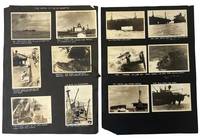
1953Best.-Nr. 234931953. Postwar Pacific shipwreck salvage photo archive depicting named crewmen and firsthand recovery work aboard the wrecked steam-powered Liberty ship SS Quartette at Pearl and Hermes Atoll 1952-1953. Photos record the salvage-crew point of view: men are identified by name operations are captioned in plain working language and the broken ship is recorded from alongside above and within the wreck itself. The wreck is described "The deck torn like paper by the storm." The archive preserves the world of postwar maritime recovery where wartime-built cargo vessels still carried American trade across remote Pacific routes and salvage depended on small boats improvised rigging and dangerous work on unstable steel. Photo archive of 24 silver gelatin photographs mounted to album leaves each approximately 4 x 5 inches Pearl and Hermes Atoll and open Pacific waters circa 1952-1953. Captions identify the subject as "The wreck of the SS Quartette" and name specific operations including "Running the gape in the mud between bow and center sections" "Up goes the compressor" "Returning one of the generators to the ship" and "The work goes on all day and at night they rig lights." The ship appears split into bow center and fantail sections with captions marking "No. 1 hole from sea ward" "Looking down no. 2 hole" "The fantail and center section" "The bow from the boat" and "The deck torn like paper by the storm." Named men include Lt. Hill Capt. Tiernan Chappell Amos Burnett DeArcy Hughes Kirby Snow Grassnickel Gator and Ashburn; several pose or work near life rings lettered "S.S. Quartette Wilmington Del." Crews haul a compressor by boom move generators lower men into workboats stand on torn deck plating and work beside open holds twisted railings broken ladders and hull sections still taking heavy surf. Liberty ships were built quickly during World War II to keep Allied supply lines moving and hundreds remained in postwar service carrying commercial cargo across routes that still depended on wartime hulls crews and equipment. The Quartette ran aground at Pearl and Hermes Atoll in December 1952 after navigational error placed her on the reef; salvage efforts recovered what could be removed before storms and surf destroyed the ship further and forced abandonment. Album leaves with edge chipping cracking and corner wear; photographs with light fading surface wear and minor creasing; overall in good condition. The archive offers close documentation of Pacific salvage work before the wreck became a submerged maritime site within what is now PapahÄnaumokuÄkea Marine National Monument. unknown
1953Best.-Nr. 234931953. Postwar Pacific shipwreck salvage photo archive depicting named crewmen and firsthand recovery work aboard the wrecked steam-powered Liberty ship SS Quartette at Pearl and Hermes Atoll 1952-1953. Photos record the salvage-crew point of view: men are identified by name operations are captioned in plain working language and the broken ship is recorded from alongside above and within the wreck itself. The wreck is described "The deck torn like paper by the storm." The archive preserves the world of postwar maritime recovery where wartime-built cargo vessels still carried American trade across remote Pacific routes and salvage depended on small boats improvised rigging and dangerous work on unstable steel. Photo archive of 24 silver gelatin photographs mounted to album leaves each approximately 4 x 5 inches Pearl and Hermes Atoll and open Pacific waters circa 1952-1953. Captions identify the subject as "The wreck of the SS Quartette" and name specific operations including "Running the gape in the mud between bow and center sections" "Up goes the compressor" "Returning one of the generators to the ship" and "The work goes on all day and at night they rig lights." The ship appears split into bow center and fantail sections with captions marking "No. 1 hole from sea ward" "Looking down no. 2 hole" "The fantail and center section" "The bow from the boat" and "The deck torn like paper by the storm." Named men include Lt. Hill Capt. Tiernan Chappell Amos Burnett DeArcy Hughes Kirby Snow Grassnickel Gator and Ashburn; several pose or work near life rings lettered "S.S. Quartette Wilmington Del." Crews haul a compressor by boom move generators lower men into workboats stand on torn deck plating and work beside open holds twisted railings broken ladders and hull sections still taking heavy surf. Liberty ships were built quickly during World War II to keep Allied supply lines moving and hundreds remained in postwar service carrying commercial cargo across routes that still depended on wartime hulls crews and equipment. The Quartette ran aground at Pearl and Hermes Atoll in December 1952 after navigational error placed her on the reef; salvage efforts recovered what could be removed before storms and surf destroyed the ship further and forced abandonment. Album leaves with edge chipping cracking and corner wear; photographs with light fading surface wear and minor creasing; overall in good condition. The archive offers close documentation of Pacific salvage work before the wreck became a submerged maritime site within what is now PapahÄnaumokuÄkea Marine National Monument. unknown books
2007Best.-Nr. CBS-9780387351346Sp Springer 2007. New. Sp Springer unknown
2007Best.-Nr. CBS-9780387351346Sp Springer 2007. New. Sp Springer unknown
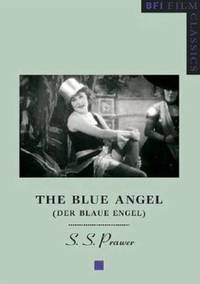
2002Best.-Nr. DADAX0851709354British Film Institute 2002-11-26. 2002. paperback. New. 5.40x0.32x6.55. Buy with confidence. Excellent Customer Service & Return policy. British Film Institute paperback