Löw, FritziAntiquariat.de
25 081 résultats
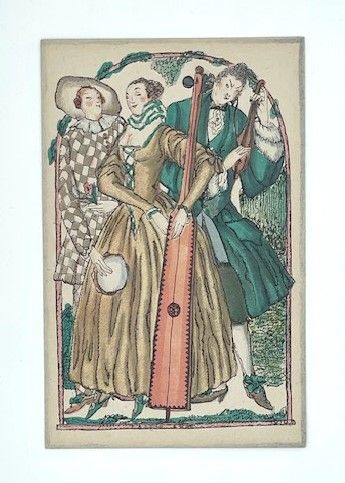
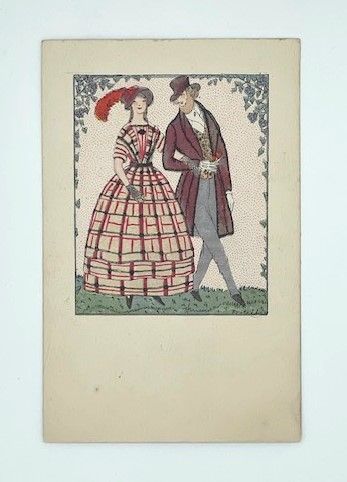
1912réf. 65682Wien, Wiener Werkstätte, o. J. (1912). 14 x 9 cm. Farb. lithogr. Postkarte (im Stein signiert).
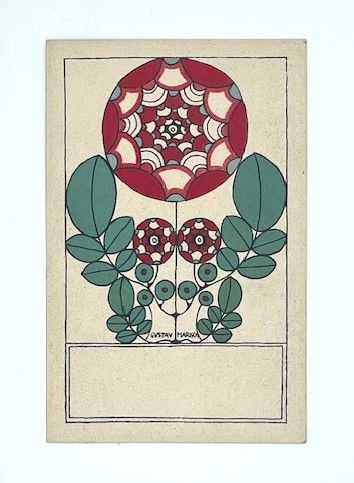
1912réf. 65681Wien, Wiener Werkstätte, o. J. (1912). 14 x 9 cm. Farb. lithogr. Postkarte.
1920réf. 65679Wien, Wiener Werkstätte, o. J. (1920). 14 x 9 cm. Farb. lithogr. Postkarte (im Stein signiert u. dat. ?1919?).
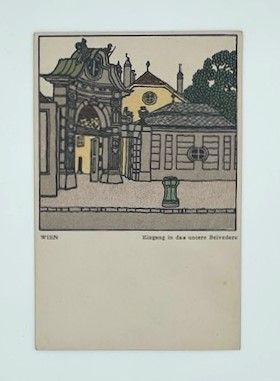
1912réf. 65680Wien, Wiener Werkstätte, o. J. (1912). 14 x 9 cm. Farb. lithogr. Postkarte (im Stein signiert).
1910réf. 66638Wien, Wiener Werkstätte, o. J. (1910). 13,9 x 9 cm. Farb. lithogr. Postkarte.
1910réf. 65683Wien, Wiener Werkstätte, o. J. (1910). 14 x 9 cm. Farb. lithogr. Postkarte.
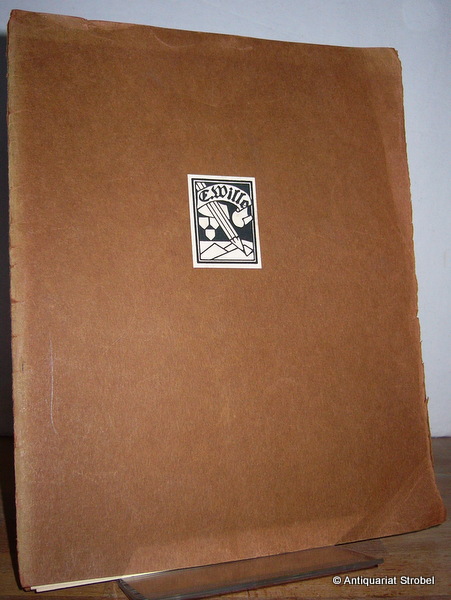
1922réf. 30206Ohne Ort, ohne Drucker, um 1922. Mit 9 signierten graphischen Blättern von Emil Wille. Kl.-4° (25 x 20 cm). Original-Kartonmappe mit Deckelschildchen.
1919réf. 66396Wien, Secession, Graphische Kunstanstalt, o. J. (um 1919). Orig.-Farblithographie (Bildausschnitt 48 x 45,5 cm; Rahmengröße 52,5 x 49,5 cm).
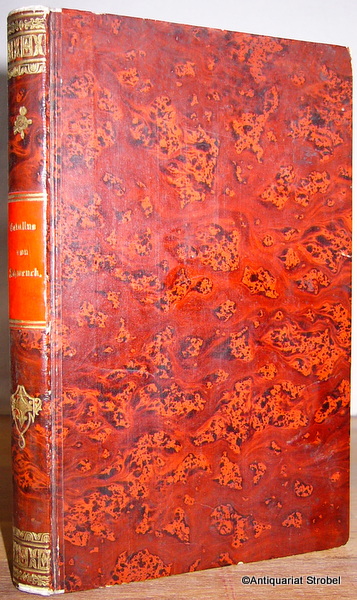
1829réf. 32191Frankfurt, Sauerländer, 1829. XII, 212 S. Kl.-8° (17 x 11 cm). Marmorierte Pappe der Zeit mit Rückenvergoldung und Rückenschild.
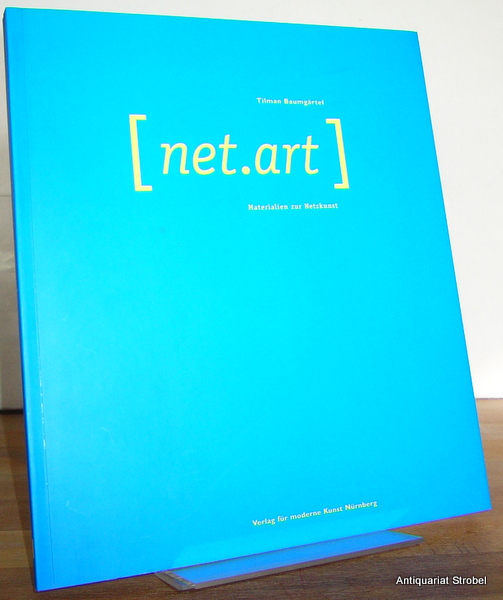
1999réf. 35233Nürnberg, Verlag für moderne Kunst, (1999). 179 S. Mit zahlreichen teils farbigen Abbildungen. 4° (24 x 21 cm). Original-Karton.
1890réf. 9734London, Longmans, Green, and Co. bzw. Ward, Lock, Bowden and Co. um 1890. 8°. Dunkelweiße (Elfenbein) Leinwand der Zeit mit braunem Leder-Rückenschild und Kopfgoldschnitt (ivory contemporary cloth with brown leather label on spine, top edge gilt).
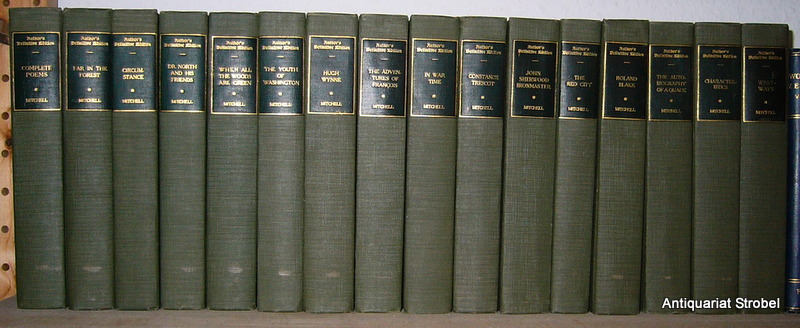
1909réf. 18300New York, The Century, 1909-10. Ca. 300 bis 570 S. je Band. Mit zahlreichen Illustrationen auf Tafeln. 8° (22 x 15 cm). Olivgrüne Original-Leinwand mit Rückenschild und Kopfgoldschnitt (publisher's olive cloth with spine label, top edge gilt).
1914réf. 17358New York, The Century, 1914-15. Ca. 300 bis 500 S. je Band. Mit zahlreichen Illustrationen auf Tafeln. 8° (22 x 15 cm). Grüne Original-Leinwand mit Rückenschild und Kopfgoldschnitt (publisher's olive cloth with spine label, top edge gilt).
1859réf. 1224742Cambridge, Macmillan, 1859. Quer-8vo. 35 num. Bl. mit zahlr. lithograph. Illustrationen. OHlwdbd m. lithograph. Vorderdeckelillustration (Einband stark fleckig u. berieben, innen durchgehend teils stärker braunfleckig, wenige Bl. m. - meist geklebten - Randeinrissen).
2018br. Il mondo dei romanzi di Jane Austen è domestico, ordinato, intimo. I suoi personaggi abitano in villini deliziosi, residenze di campagna principesche ed eleganti palazzi cittadini. Si è tentati perciò di credere che anche la vita della grande scrittrice si sia svolta in ambienti analoghi. Nulla di più lontano dalla realtà. L'esistenza di Jane, in apparenza tanto tranquilla, fu segnata da porte chiuse, strade che non le fu consentito imboccare, scelte che non poté compiere. La piccola somma guadagnata a fatica grazie ai suoi libri non bastava a consentirle di avere una casa tutta sua, e la morte del padre la costrinse a peregrinare tra abitazioni in affitto o presso parenti che le riservavano il destino proprio delle zie nubili: badare ai bambini. Leggendo i suoi romanzi, così pieni di case amate, perdute, sognate, si comprende bene come il desiderio struggente di una casa vera, di un luogo protetto dove mettere al sicuro i propri manoscritti e scrivere senza il peso delle faccende domestiche, non l'abbia mai abbandonata. Dalla modesta canonica di Steventon, circondata da castagni e abeti e da «uno di quei giardini vecchio stile nei quali convivono verdure e fiori», in cui Jane nacque e crebbe, fino al cottage di campagna di Chawton, nell'Hampshire, dove trascorse gli ultimi anni della sua breve vita, Lucy Worsley, con una scrittura affascinante e spiritosa, perfettamente in tono con i romanzi della Austen, ci conduce nella quotidianità della scrittrice più amata, mostrando le sue giornate buone e quelle storte, i piaceri privati e le incombenze, quelle «piccole cose dalle quali dipende la felicità quotidiana della vita domestica», e che lei elevò ad arte.
1971This is a fine hardcover copy in a very good glassine wrapper as issued. Completely clean inside and out, no marks anywhere. A slight closed tear to the rear corner of the glassine wrapper. This is the original edition, not the reprint. Introduction by Henry Russell-Hitchcock. This compilation surveys the holdings of over forty institutions and individuals in the area of British drawings relating to architecture and landscape design. Illustrated in black & white. 13.5" high X 10" wide, 355 pages. A fine unused copy. This book will be securely wrapped and packed in a sturdy box and shipped with tracking.
1927This is a very good hardcover copy bound in dark blue cloth ruled and titled in gilt. Completely clean inside and out. One small horizontal abrasion at the base of the spine, partly obliterating the date in Roman numerals. Limited edition of 250 copies. This is copy # 188. Top page-edge gilt. Preface by Seymour de Ricci. Some offsetting of black & white plates to facing text pages. One of the great collections of early Italian majolica formed during the first decades of the 20th century. 13" X 11", 111 pages. A beautiful production. This book will be securely wrapped and packed in a sturdy box and shipped with tracking.
1992This is a very good softcover copy with just light wear. Very clean inside and out. Another of Jonathan Horne's self published catalogs on English pottery. This one updates the earlier work, by Christopher Greene, on the Fulham Pottery of Kensington. Illustrated in color and black & white. 8" square, 48 pages. This book will be securely packed and shipped with tracking.
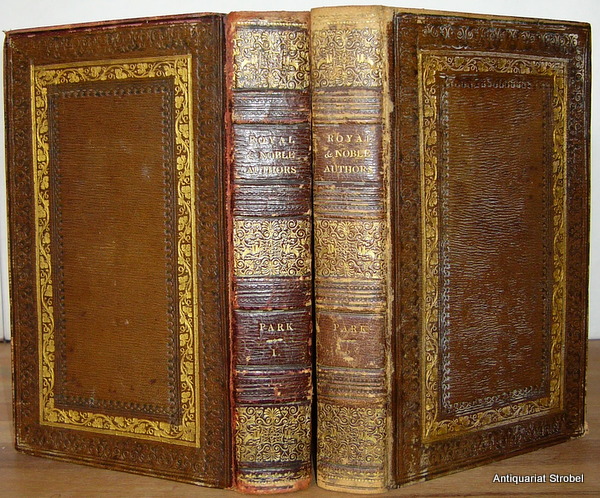
1806réf. 26456London, John Scott, 1806. S. (III)-XXXII, 326 S.; S. (III)-X, 352 S. Mit 55 gestochenen Tafeln (meist Porträts). 8° (22 x 14 cm). Geprägtes Leder der Zeit mit Rücken- und Deckelvergoldung und dreiseitigem Goldschnitt.
1992254 pages. Recipe Index. Includes a superb decade-by-decade bibliography of Canadian cookbooks. "A lavish, loving overview of our twentieth-century culinary history, celebrating both the traditional and the creative new styles found in meals prepared at home... Takes a chronological approach, layering decade upon decade, each showing how the flavour of Canada has evolved and how our tastes have changed... Highlights the major influences in each decade through text and pictures, captions and sidebards." - from dust jacket. Clean, bright and unmarked with negligible wear. A beautiful copy of this wonderful work. Gift quality. Book
2011This is a fine softcover copy with no wear at all. Completely clean. Illustrated throughout in color. Introduction by Larry Shar with contributions by Tracy Gill and Simon Lagodich. 11" high X 9" wide. This book will be securely wrapped and packed in a sturdy box and shipped with tracking.
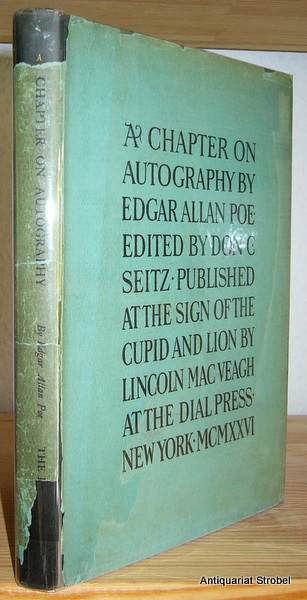
1926réf. 19815New York, Dial Press, 1926. 92 S. Mit Porträt Poes und zahlreichen Unterschriften-Faksimiles. Gr.-8° (23,5 x 16,5 cm). Original-Halbleinwand mit Schutzumschlag.
2017br. Tra la fine del Settecento e i primi anni dell'Ottocento l'aristocrazia a Londra e a Parigi modificò gli orari dei pasti quotidiani. Il pranzo, considerato all'epoca il pasto principale del giorno, venne consumato sempre più tardi, fino alle cinque, alle sei, alle sette del pomeriggio, mentre veniva introdotta una robusta colazione, il déjeuner à la fourchette, a metà mattinata, e scompariva la cena serale. La nuova moda venne adottata nel corso dell'Ottocento dalle classi medie e si diffuse lentamente anche in paesi come la Germania, l'Italia, la Russia, gli Stati Uniti, ma nel frattempo l'aristocrazia inglese e francese spostava l'orario del pranzo sempre più tardi, fino alla sera; col risultato che il divario delle abitudini non si ridusse realmente fino all'egualitario secolo Ventesimo. I contemporanei notarono con interesse questo cambiamento e ne discussero i motivi; la spiegazione più probabile è che le classi dirigenti, in quelle che erano a tutti gli effetti le due massime potenze mondiali, trovarono un nuovo modo per sottolineare la distanza rispetto alla borghesia e il divario fra capitale e provincia, nonché fra paesi moderni e paesi culturalmente arretrati.
1947240p. 8vo. Original full cloth binding. Hardbound. Nice copy. An important history of printing and printers in Lehigh county, Pennsylvania. It includes: the background of German printing in Lehigh county 1807-1900; a check list of imprints 1807-1900 (including German newspapers, periodicals, taufscheine, and broadsides); and biographies of the publishers. **PRICE JUST REDUCED! PAG Box 017
1947240p. 8vo. Original full cloth binding. Hardbound. Very Good. **PRICE JUST REDUCED! Box 017