1,335 results
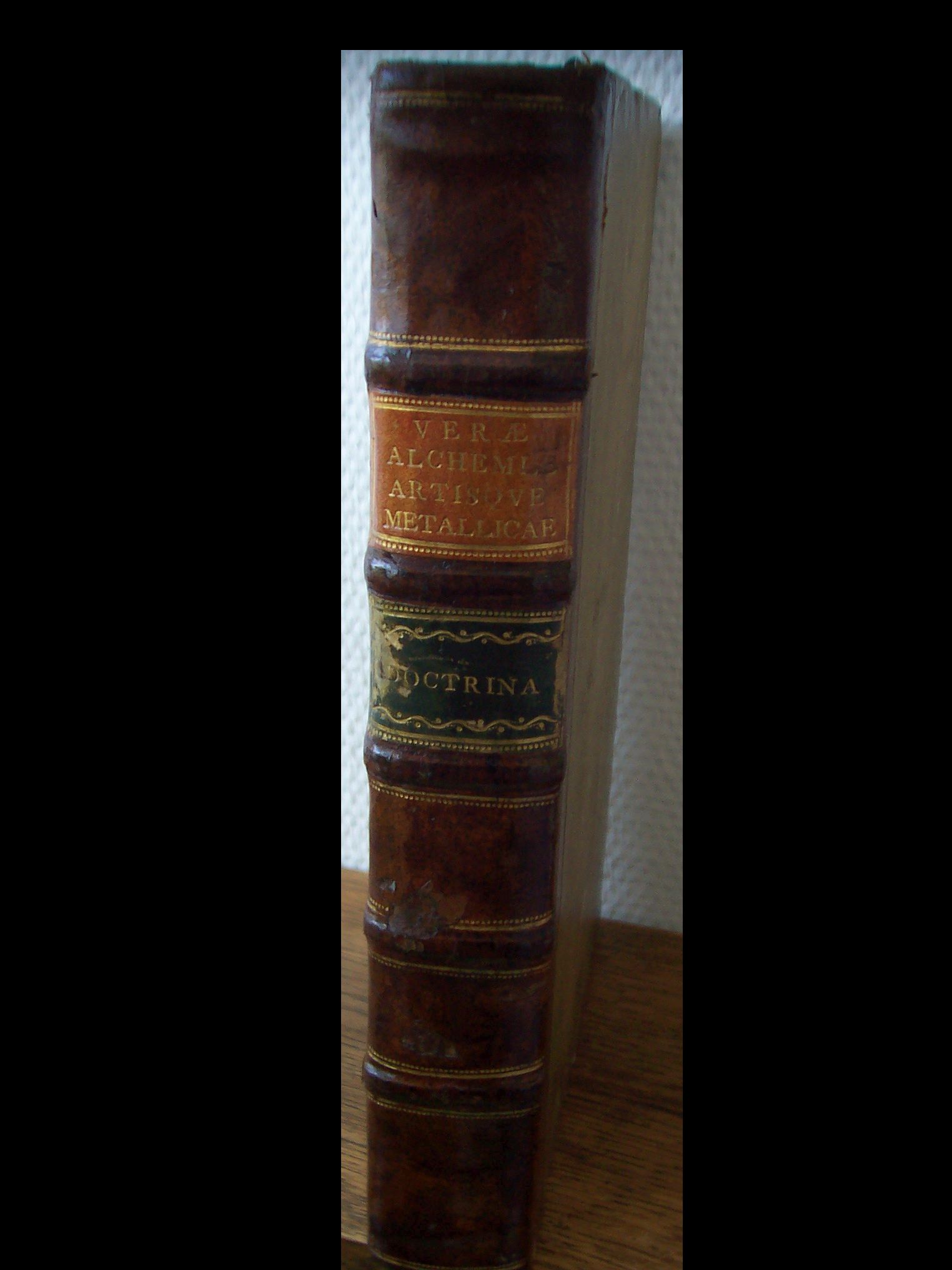
In-16 (113 x 71 mm), plein veau grège retourné, dos gothique à 3 nerfs, plats ornés d'un jeu de filets gras d'encadrement estampés à froid (reliure postérieure dans le goût de l'époque), 82 [i.e. 80] feuillets [sign. A-K8], 5 planches gravées sur bois dont 3 dépliantes et une à volvelle mobile. "Le plus rare et le plus recherché des ouvrages de Raymond Lulle" (Caillet): 'De l'enseignement kabbalistique', ici dans sa troisième édition illustrée de 5 planches, dont trois dépliantes et une avec volvelle, montée avec ses deux parties mobiles conservées (les célèbres "roues kabbalistiques"), ainsi que 2 figures dans le texte. Lettrines et ornements typographiques gravés sur bois. La réputation de Lulle kabbaliste repose tout entière sur cet ouvrage que la recherche moderne a réattribué au médecin et humaniste véronais Pietro Mainardi (1456-1529), docteur de l'université de Ferrare en 1490, grand connaisseur de l'oeuvre de Lulle. Son nom figure d'ailleurs dans l'explicit de la première édition de l'ouvrage (Venise, 1518) pour disparaître des éditions suivantes et être remplacé par celui de Lulle. L'auteur eut l'ambition, par ce traité, d’accomplir l'idéal de Pic de la Mirandole: harmoniser l'art Lullien avec celui de la Kabbale. C'est encore en tant qu'oeuvre de Raymond Lulle que le livre a été lu et commenté par Giordano Bruno qui le rendit célèbre, pour être ensuite repris au sein des anthologies de Lulle éditées par Lazare Zetzner. Le succès et l'influence de ce traité ne se démentirent pas aux XVIe et XVIIe siècles, au long d'une réception qui s’étend de Giordano Bruno, Claude Duret, Athanasius Kircher jusqu'à Leibniz (cf. Eva Broner, 'Doctor Illuminatus: A Ramon Llull Reader', Princeton U. Press, 1993). Le livre est considéré par les catalogues de Stanislas de Guaïta (qui ne possédait qu'une édition de 1601) et par celui de Caillet, comme "le plus rare et le plus recherché des ouvrages de Raymond Lulle". (Caillet, 6846. Duveen, 'Alchimie', 370. Guaïta, n°530 et 1565. Palau, 143.864. Renouard, n° 376 pour la marque au titre. Rogent & Duràn, 'Bibliografía de les impressions Lullianes', Barcelona, 1927, n°120). Quelques piqûres d’humidité éparses. Cachet en pied du titre: "A.L.L.R". Très bon exemplaire, bien relié, bien conservé.
1567ref. 13778Paris, aedibus Rovillii, (1567) ; in-8 ; plein veau havane marbré, dos décoré et doré, roulette sur les coupes, tranches mouchetées de rouge (reliure du XVIIIe) ; 376, (21) pp. (Index rerum et verborum et Index Autorum), (1) p. blanche, (1) f. blanc. ; portrait gravé sur bois (p.81).
1634ref. OswaldCrollius-LaroyalleChymiedeCrolliusIn-8° (160 × 105 mm), reliure d'attente, quelques gravures dans le texte, Préface admonitoire 236 p. + texte principal 460 p. + Ordre des préparations + Table alphabétique + Traité des signatures + 2 tables, bandeaux, lettrines, intérieur frais marges courtes en tête. Jean Berthelin. Rouen. plat d attente fendu mais toujours solidaire de l'ouvrage, manque de papier en bas du dos, ainsi qu'a la pièce de titre , ancienne tache sur la page manuscrite.
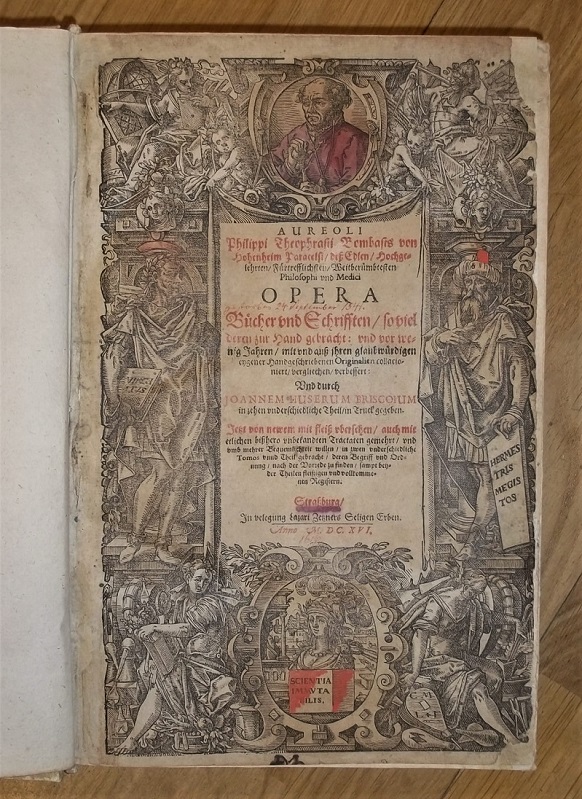
1618ref. 10867Straßburg, Zetzner, 1616 - 1618. 2 Werke in 3 Bdn. 6 Bll., 1127 S., 26 Bll.; 4 Bll., 691 S., 6 Bll.; 6 Bll., 795 (recte 797) S., 19 Bll. mit 2 Holzschnitt-Titelbordüren und einigen Textholzschnitten. Kl.-4°. Mod. Pgmt. mit hs. Rückenschild. [6 Warenabbildungen]
1561ref. 189542Basel, (Petri & Perna), 1561. 4°. (28 x 20 cm). 8 Bl., 299, 244 S. Hldrbd. (18. Jh.) m. 2 Rsch., Rverg. u. a. 5 Bünden. Einbd. bestoßen u. beschabt. Deckel etwas fleckig u. angeschmutzt. M. ill. Vorsatzbl. Eckausrisse am Titel u. wenigen anderen Bl. sauber hinterlegt. Teilw. m. Nässespur. Zahlr. S. m. Marginalien u. Unterstreich. (mitunter auch Durchstreich.) von alter Hd. m. schwarzer u. roter Tinte. Gebräunt u. braunfl. Wenige Bl. am ob. Rand etwas eng beschnitten. Der erste Teil (244 S.) ist dem zweiten Teil (299 S.) nachgebunden.
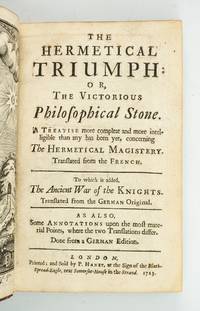
1723ref. ST20781London: P. Hanet 1723. FIRST ENGLISH EDITION. 155 x 99 mm. 6 1/8 x 3 7/8". xxvi 2 147 1 39 1 pp.Translated from the French edition of 1699. Contemporary calf covers with double gilt rule raised bands. In a custom drop-back box. With engraved allegorical frontispiece. Front pastedown with large engraved Masonic bookplate front free endpaper with ink stamped emblem of a 33rd degree Mason and ink ownership stamp of John Glas Sandeman see below. Greenberg "From Alchemy to Chemistry in Picture and Story" pp. 189-91; Pritchard 451.1; Duveen 361; Ferguson I 394; ESTC T119227. See also Ferguson II 486. Leather on spine crackled and flaking and with label missing or at least hard to read joints and extremities somewhat rubbed boards rather chafed so the binding not pretty but entirely original and absolutely sound. Isolated small spots or marginal smudges but A FINE COPY INTERNALLY the text especially clean and unusually fresh. From the library of a 33rd degree Mason this is a pleasing fully contemporary and extremely rare copy of an important text that demonstrates the place of alchemy in the history of science. Beginning with a striking frontispiece rich in esoteric symbolism the text here is a typically obscure alchemical allegory structured as a discourse between Gold and Mercury personified as knights and the Philosopher's Stone. The text was first published as "Uralter Ritter-Krieg" "Battle of the Ancient Knights" in Leipzig in 1604 added to an edition of "Triumphwagen Antimonii" by the legendary alchemist-monk Basil Valentine. It was later translated into Latin and French; the present first English edition includes a translation of the French version as well as a translation from the original German. The authorship has traditionally been attributed to French alchemist and diplomat Alexandre-Toussaint de Limojon de Saint-Disdier 1630-89 who apparently edited the 1689 French edition though Ferguson disputes this. While its original authorship may be uncertain Greenberg writes that our English edition is "the definitive text" of a work that demonstrates a shift in alchemical thinking: "while the amusing aspect of this book is its use of allegory the most fascinating aspect is the manner in which solid scientific reasoning based upon experimentation is employed to discredit some fundamental tenets of alchemical lore. While the 'magistery' of alchemy wins the day 'The Hermetical Triumph' early stirrings of the Scientific Revolution are quite audible." Our copy has a notable--and esoteric--provenance. The named former owner is English antiquarian John Glas Sandeman 1836-1921 who served as Captain in the 1st Royal Dragoons in the Crimean War. He published archaeological tracts and built a notable collection specializing in Greek and Roman coins. The present copy also has an inkstamp and bookplate indicating it was the property of a 33rd degree Mason the highest degree in Scottish Rite Masonry. Whether this was Sandeman or someone else is unclear but evidently it was a person with an interest in the sort of occult tradition discussed in the text: the symbols on the bookplate bear a definite resemblance to those in the frontispiece. "The Hermetical Triumph" is very rare: besides ours we were able to trace just one copy since 1964 in RBH selling in 2024 for $7440. P. Hanet unknown
1723ref. ST20781London: P. Hanet 1723. FIRST ENGLISH EDITION. 155 x 99 mm. 6 1/8 x 3 7/8". xxvi 2 147 1 39 1 pp.Translated from the French edition of 1699. Contemporary calf covers with double gilt rule raised bands. In a custom drop-back box. With engraved allegorical frontispiece. Front pastedown with large engraved Masonic bookplate front free endpaper with ink stamped emblem of a 33rd degree Mason and ink ownership stamp of John Glas Sandeman see below. Greenberg "From Alchemy to Chemistry in Picture and Story" pp. 189-91; Pritchard 451.1; Duveen 361; Ferguson I 394; ESTC T119227. See also Ferguson II 486. Leather on spine crackled and flaking and with label missing or at least hard to read joints and extremities somewhat rubbed boards rather chafed so the binding not pretty but entirely original and absolutely sound. Isolated small spots or marginal smudges but A FINE COPY INTERNALLY the text especially clean and unusually fresh. From the library of a 33rd degree Mason this is a pleasing fully contemporary and extremely rare copy of an important text that demonstrates the place of alchemy in the history of science. Beginning with a striking frontispiece rich in esoteric symbolism the text here is a typically obscure alchemical allegory structured as a discourse between Gold and Mercury personified as knights and the Philosopher's Stone. The text was first published as "Uralter Ritter-Krieg" "Battle of the Ancient Knights" in Leipzig in 1604 added to an edition of "Triumphwagen Antimonii" by the legendary alchemist-monk Basil Valentine. It was later translated into Latin and French; the present first English edition includes a translation of the French version as well as a translation from the original German. The authorship has traditionally been attributed to French alchemist and diplomat Alexandre-Toussaint de Limojon de Saint-Disdier 1630-89 who apparently edited the 1689 French edition though Ferguson disputes this. While its original authorship may be uncertain Greenberg writes that our English edition is "the definitive text" of a work that demonstrates a shift in alchemical thinking: "while the amusing aspect of this book is its use of allegory the most fascinating aspect is the manner in which solid scientific reasoning based upon experimentation is employed to discredit some fundamental tenets of alchemical lore. While the 'magistery' of alchemy wins the day 'The Hermetical Triumph' early stirrings of the Scientific Revolution are quite audible." Our copy has a notable--and esoteric--provenance. The named former owner is English antiquarian John Glas Sandeman 1836-1921 who served as Captain in the 1st Royal Dragoons in the Crimean War. He published archaeological tracts and built a notable collection specializing in Greek and Roman coins. The present copy also has an inkstamp and bookplate indicating it was the property of a 33rd degree Mason the highest degree in Scottish Rite Masonry. Whether this was Sandeman or someone else is unclear but evidently it was a person with an interest in the sort of occult tradition discussed in the text: the symbols on the bookplate bear a definite resemblance to those in the frontispiece. "The Hermetical Triumph" is very rare: besides ours we were able to trace just one copy since 1964 in RBH selling in 2024 for $7440. P. Hanet unknown books
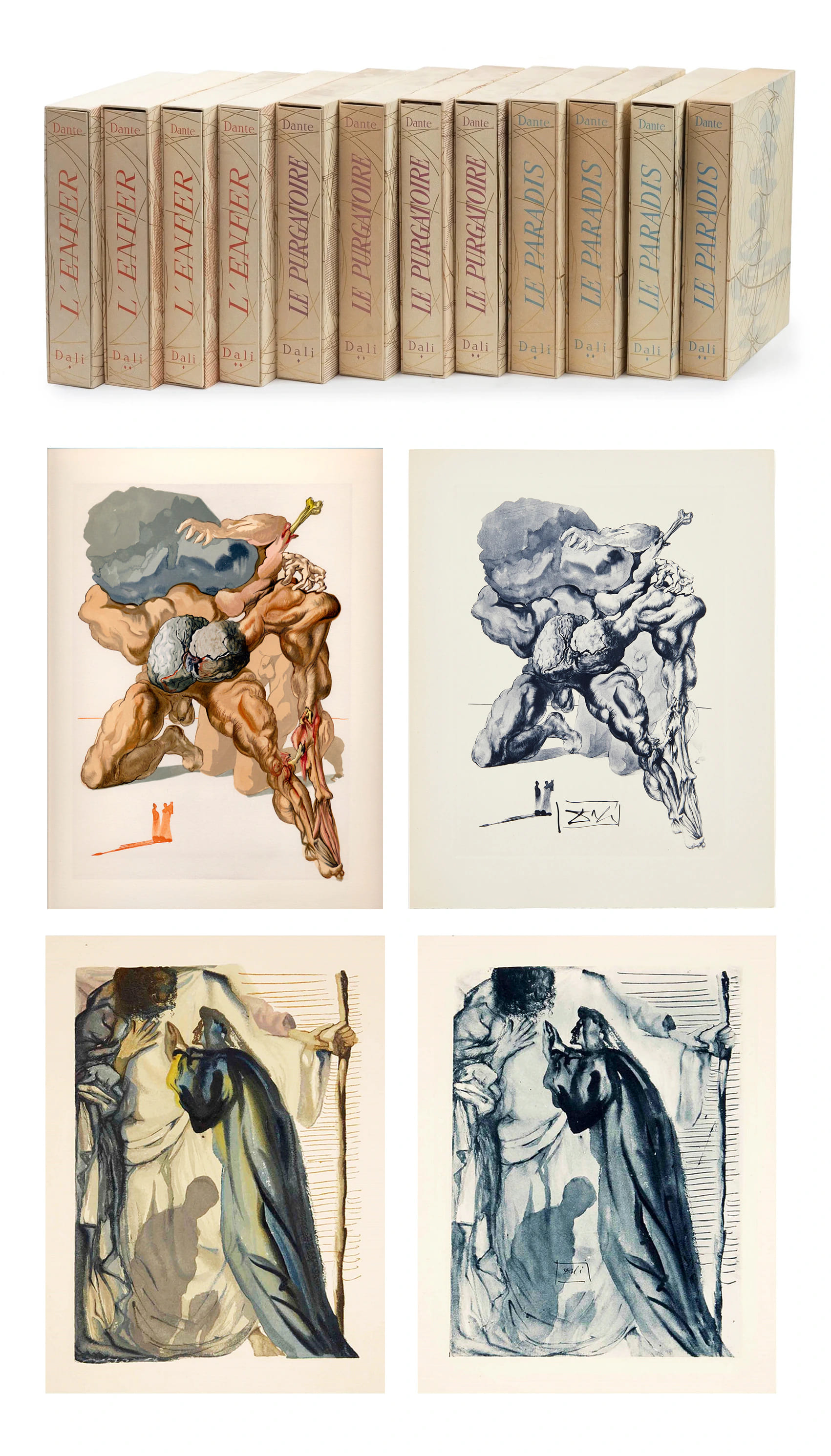
1963ref. 3909Les Heures Claires, Paris 1959-1963. 12 volumes in-folio en feuilles (34 x 26 cm) sous couvertures imprimées rempliées, chemises et étuis décorés de l'éditeur. - 100 AQUARELLES ORIGINALES HORS-TEXTE DE SALVADOR DALI GRAVÉES SUR BOIS EN COULEURS par Raymond Jacquet. Exemplaire de grand luxe : 1 des 150 ex. numérotés sur pur chiffon de Rives filigrané comprenant : Les 6 volumes du texte illustré des 100 aquarelles gravées sur bois en couleurs en hors-texte + LA SUITE COMPLÈTE DES 100 BOIS EN COULEURS.+ LA SUITE COMPLÈTE DU TRAIT GRAVÉ SUR CUIVRE TIRÉ EN BLEU + UNE SUITE DE LA DÉCOMPOSITION DES COULEURS D'UNE PLANCHE POUR CHAQUE VOLUME. Les 6 ouvrages sont en parfait état et bien complets des 100 gravures et des 3 doubles-feuillets de justification numérotés. Les 6 volumes de suites sont collationnés et bien complets en parfaite condition. Les planches belles aux couleurs lumineuses. Les 12 emboîtages sont en parfait état de conservation. Très bel exemplaire du tirage de luxe de cette monumentale et célèbre édition. ÉTAT DE NEUF. (Références : Michler & Lopsinger, 1039 à 1138 ; Field pages 189 à 200). Provenance : acquise en 1963 directement auprès de Joseph Foret et conservée dans la même famille jusqu'à aujourd'hui. Photographies supplémentaires sur demande. - ENGLISH DESCRIPTION: Dante : LA DIVINE COMÉDIE. 100 wood-engraved plates in color. Les Heures Claires, Paris 1959-1963. 12 folio volumes in loose sheets (34 x 26 cm), under folded printed covers, original decorated slipcases of the publisher. Including THE 100 WATERCOLORS OUT OF TEXT BY SALVADOR DALI ENGRAVED ON WOOD IN COLORS by Raymond Jacquet. This one is 1 of 150 deluxe copies numbered on Rives with watermark : The 6 volumes with the Dante's text illustrated with 100 color wood engravings + THE COMPLETE SUITE OF THE 100 COLOR WOOD ENGRAVINGS + THE COMPLETE SUITE OF THE COPPER ENGRAVED LINE ART PRINTED IN BLUE + A SUITE OF THE COLOR "DECOMPOSITIONS" OF ONE PLATE FOR EACH VOLUME. The 6 volumes are in perfect condition and complete with all 100 engravings and the 3 numbered double-page justifications. The 6 volumes of suites have been collated and are complete and in perfect condition. The plates are beautiful with luminous colors. The 12 slipcases are in perfect condition. A very fine and scarce deluxe copy of this monumental and celebrated edition. MINT CONDITION. (References: Michler & Lopsinger, 1039 to 1138; Field pages 189 to 200). More pictures on request.
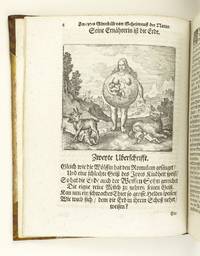
1708ref. ST16190Frankfurt: Georg Heinrich Oehrling 1708. First Edition in German. 202 x 160 mm. 8 x 6 1/4". 2 p.l. 151 2 blank 152-53 pp. Original patterned paper boards and calf corners expertly and sympathetically rebacked with unadorned calf raised bands. WITH 50 FINE COPPER-ENGRAVED EMBLEMS BY MATTHÄUS MERIAN THE ELDER. Front pastedown with engraved "Mannington Hall" bookplate of English diplomat Horatio Walpole 1678-1757. Ferguson II 63; Duveen 385; Landwehr "German Emblem Books" 413; Kindlers Neues Literatur Lexikon X 886; Nummedal "How to Read the Alchemical Corpus" introduction to the digital edition at the Max Planck Institute; Thorndike VII 173. ◆A little soiling to boards but the binding solid and not without appeal leaves lightly washed one small rust spot to text one ink stain obscuring a couple of letters but AN EXCEPTIONALLY PLEASING COPY the text especially clean with excellent impressions of the engravings. Using the same Merian engravings created for the 1617 original printing entitled "Atalanta Fugiens" this is the second edition and the first in German of a work described by Kindlers as "indisputably the most beautiful the strangest and most inventive work of 17th century esoteric alchemy." Maier begins with the myth of Atalanta told in Ovid's "Metamorphoses" and then brings in poetry music alchemical symbols and emblems. This "Chemical Cabinet" presents 50 emblems "each containing a motto a copper plate engraving by the renowned Matthäus Merian an epigram in German and Latin an accompanying fugue or canon for three voices and a discourse explicating the emblem’s alchemical meaning. The parts of each emblem and the book as a whole are meant to work together with the music image and text as an interlocking guide to alchemical theory and to the production of the philosophers' stone. The multimedia 'Atalanta fugiens' was meant not only to link sound sight and intellect but also to spark discussion and laboratory practice making it an intriguing point of entry into an examination of the place of reading and writing—and their relationship to other bodily ways of knowing—in the production of early modern knowledge." Nummedal introduction to "Project Atalanta" the Max Planck Institute's digital edition of "Atalanta Fugiens" German physician courtier and alchemist Michael Maier 1568-1622 studied medicine at Padua and at the University of Basel and he served as physician and counselor to Holy Roman Emperor Rudolf II. According to Thorndike "Maier was a Rosicrucian and gained Robert Fludd for that fraternity"; DSB notes that he "helped to organize the publication of the works of Fludd in Frankfurt . . . and probably had a hand in the publication of the 'Fama Fraternitatis' 1616." This is a scarce edition in commerce and a good deal rarer than the dramatically more costly first edition: ABPC and RBH record seven other copies sold at auction in the past 50 years. This book and books like it almost never turn up in decent condition let alone as pleasing as the present copy. Georg Heinrich Oehrling unknown
1708ref. ST16190Frankfurt: Georg Heinrich Oehrling 1708. First Edition in German. 202 x 160 mm. 8 x 6 1/4". 2 p.l. 151 2 blank 152-53 pp. Original patterned paper boards and calf corners expertly and sympathetically rebacked with unadorned calf raised bands. WITH 50 FINE COPPER-ENGRAVED EMBLEMS BY MATTHÄUS MERIAN THE ELDER. Front pastedown with engraved "Mannington Hall" bookplate of English diplomat Horatio Walpole 1678-1757. Ferguson II 63; Duveen 385; Landwehr "German Emblem Books" 413; Kindlers Neues Literatur Lexikon X 886; Nummedal "How to Read the Alchemical Corpus" introduction to the digital edition at the Max Planck Institute; Thorndike VII 173. ◆A little soiling to boards but the binding solid and not without appeal leaves lightly washed one small rust spot to text one ink stain obscuring a couple of letters but AN EXCEPTIONALLY PLEASING COPY the text especially clean with excellent impressions of the engravings. Using the same Merian engravings created for the 1617 original printing entitled "Atalanta Fugiens" this is the second edition and the first in German of a work described by Kindlers as "indisputably the most beautiful the strangest and most inventive work of 17th century esoteric alchemy." Maier begins with the myth of Atalanta told in Ovid's "Metamorphoses" and then brings in poetry music alchemical symbols and emblems. This "Chemical Cabinet" presents 50 emblems "each containing a motto a copper plate engraving by the renowned Matthäus Merian an epigram in German and Latin an accompanying fugue or canon for three voices and a discourse explicating the emblem’s alchemical meaning. The parts of each emblem and the book as a whole are meant to work together with the music image and text as an interlocking guide to alchemical theory and to the production of the philosophers' stone. The multimedia 'Atalanta fugiens' was meant not only to link sound sight and intellect but also to spark discussion and laboratory practice making it an intriguing point of entry into an examination of the place of reading and writing—and their relationship to other bodily ways of knowing—in the production of early modern knowledge." Nummedal introduction to "Project Atalanta" the Max Planck Institute's digital edition of "Atalanta Fugiens" German physician courtier and alchemist Michael Maier 1568-1622 studied medicine at Padua and at the University of Basel and he served as physician and counselor to Holy Roman Emperor Rudolf II. According to Thorndike "Maier was a Rosicrucian and gained Robert Fludd for that fraternity"; DSB notes that he "helped to organize the publication of the works of Fludd in Frankfurt . . . and probably had a hand in the publication of the 'Fama Fraternitatis' 1616." This is a scarce edition in commerce and a good deal rarer than the dramatically more costly first edition: ABPC and RBH record seven other copies sold at auction in the past 50 years. This book and books like it almost never turn up in decent condition let alone as pleasing as the present copy. Georg Heinrich Oehrling unknown books