Penot, Bernard GeorgesAntiquariat.de
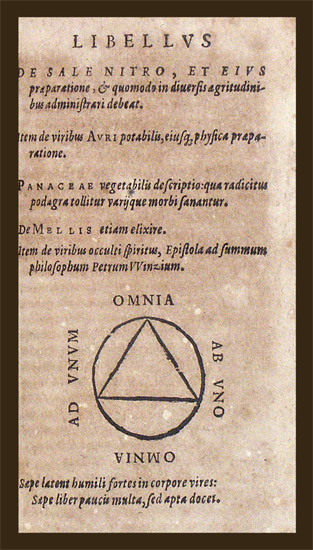
1616réf. 40502ABBasel, Rex, 1616. 8°. 208 (von 249) S. Lederband des 20. Jahrhunderts.
réf. 7996P., Saugrain, 1730, un volume in 12 relié en plein veau, dos orné de fers dorés, tranches rouges (reliure de l'époque), (petit accroc à la coiffe, un mors légèrement fendu, quelques feuillets uniformément jaunis, déchirure à une planche sans manque de texte ni de papier), (11), 264pp., (19), 7 PLANCHES DONT UN FRONTISPICE
1670réf. 149621670 rel. veau brun époque, (état extérieur médiocre, à restaurer). pet. in-8, frontispice, (9ff.), 394pp., (2ff. privil.), 3 planches dépl. d'instruments, Lyon Jean Thioly 1670
1950réf. 9297Darmstadt, Fa. Merck, o.J. (ca. 1950). 250 verschiedene Kräuter, Pflanzenteile und sonstige organische Substanzen in unterschiedlich großen Glasröhrchen mit Holzdeckeln. 3 grüne leinwandkaschierte Kästen (20 cm x 40 cm x 16 cm) mit je 4 Fächern, mit jeweils 2 Haltebändern mit Schnallen.
1616réf. 40502ABBasel, Rex, 1616. 8°. 208 (von 249) S. Lederband des 20. Jahrhunderts.
1625réf. 54490Francofurti, typis Iannis Friderici Weisii 1625 In-12, plein vélin crème d'époque, titre, 14- 525 pp. Bandeaux et lettrines. Reliure ternie, charnière int. renforcée. Très fortes brunissures.
1740réf. 3880FBSchaffhausen, verlegt von Emanuel und Benedict Hurter, 1740. 2°. 38 x 26 cm. [16] Blatt, 1602 Seiten; [5] Blatt, 1166 Seiten, [2] Blatt; [10] Blatt, 356, 740 Seiten, [38] Blatt. Pappbände der Zeit. Pappschuber neuerer Zeit. [4 Warenabbildungen]
1616réf. 40502DBBasel, Rex, 1616. 8°. 208 (von 249) S. Lederband des 20. Jahrhunderts.
1607réf. 6750GBParis, C. Morel, 1607. Kupfertitel, (4 Bl.), 630 S., (8 Bl.). Pergamentband der Zeit mit handschriftlichem Rückentitel (gebräunt, fleckig, Frontdeckel stärker nach innen gewölbt). Inneneinband und Kupfertitel unauffällig signiert. Vorderes fliegendes Blatt recto mit längerem Text von alter Hand, verso gestempelt. Durchgehend leicht gebräunt sowie mit kleinem Braunfleck im oberen Bund. Ca. ab S. 575 auch am Außensteg mit deutlichem,
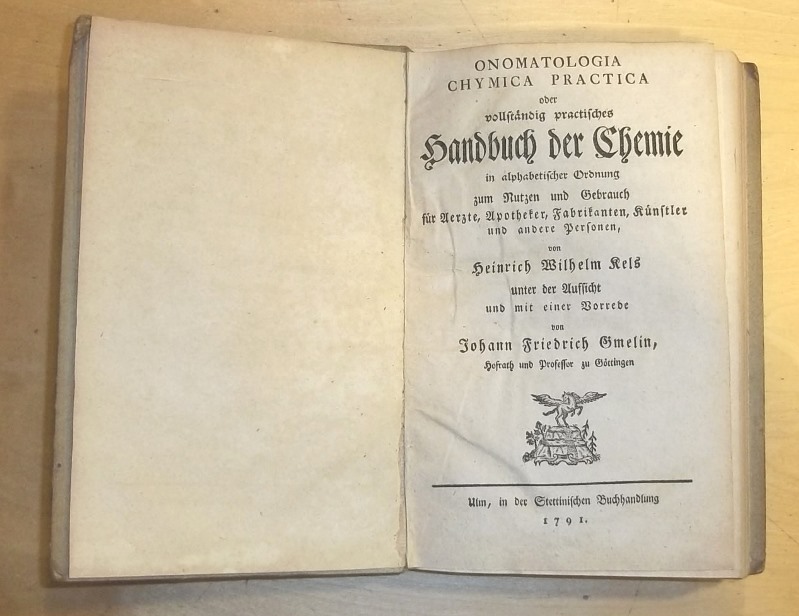
1791réf. 16964Ulm, Stettinische Buchhandlung, 1791. 5 Bll. 722 Sp., 14 Bll. 8°. Pp. der Zeit mit Rückenschild (gebräunt und etw. fleckig, Deckel leicht verogen, etw. bestoßen). [5 Warenabbildungen]
1794réf. 703450Leipzig, Johann Samuel Heinsius, 1794. XXX, 662 Seiten, 12 nnr. Blätter Register u. 7 montierte Kupfertafeln. Schlichter Halbledereinband der Zeit auf 4 Bünden. Gering berieben. Innen sauber, die gefalteten Kupfertafeln in kräftigen Abdrucken. Nach der Vorrede wurde erneut ein Titelblatt mit verändertem Text eingefügt.
réf. 2141A Lisbonne, 198 pp In-12 plein veau marbré, dos plat orné de fleurons, pièce de titre en maroquin, tranches rouges. Reliure d'époque légèrement frottée. Bel exemplaire de ce livre interdit.
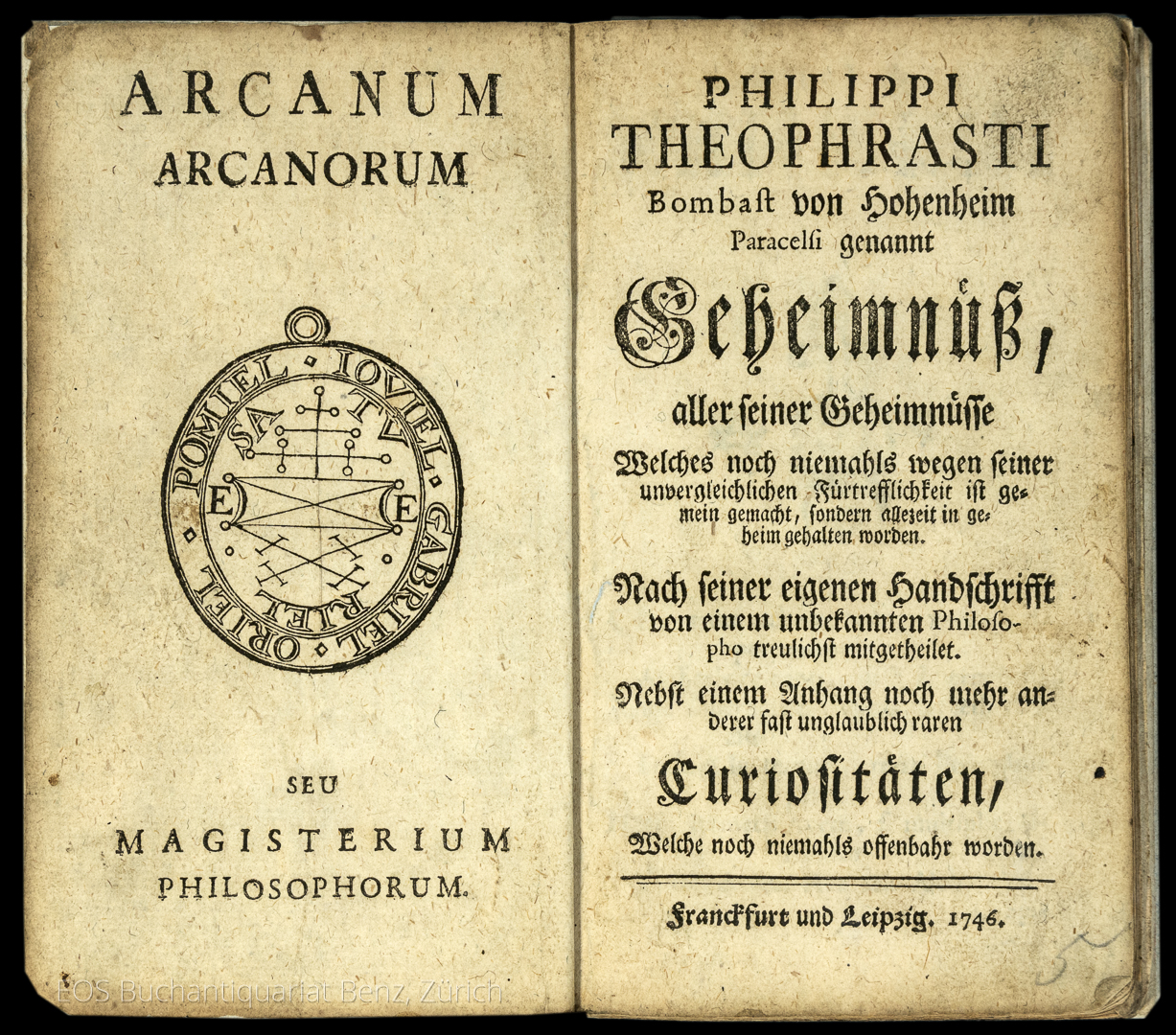
1746réf. 31396ABFranckfurt und Leipzig, 1746. 8°. (1) Bl., 92 S. (recte 90 S.) Neuer Pappband mit Verwendung des alten Materials. + Wichtig: Für unsere Kunden in der EU erfolgt der Versand alle 14 Tage verzollt ab Deutschland / Postbank-Konto in Deutschland vorhanden +, 31396AB|31396AB_2|31396AB_3 [3 Warenabbildungen]
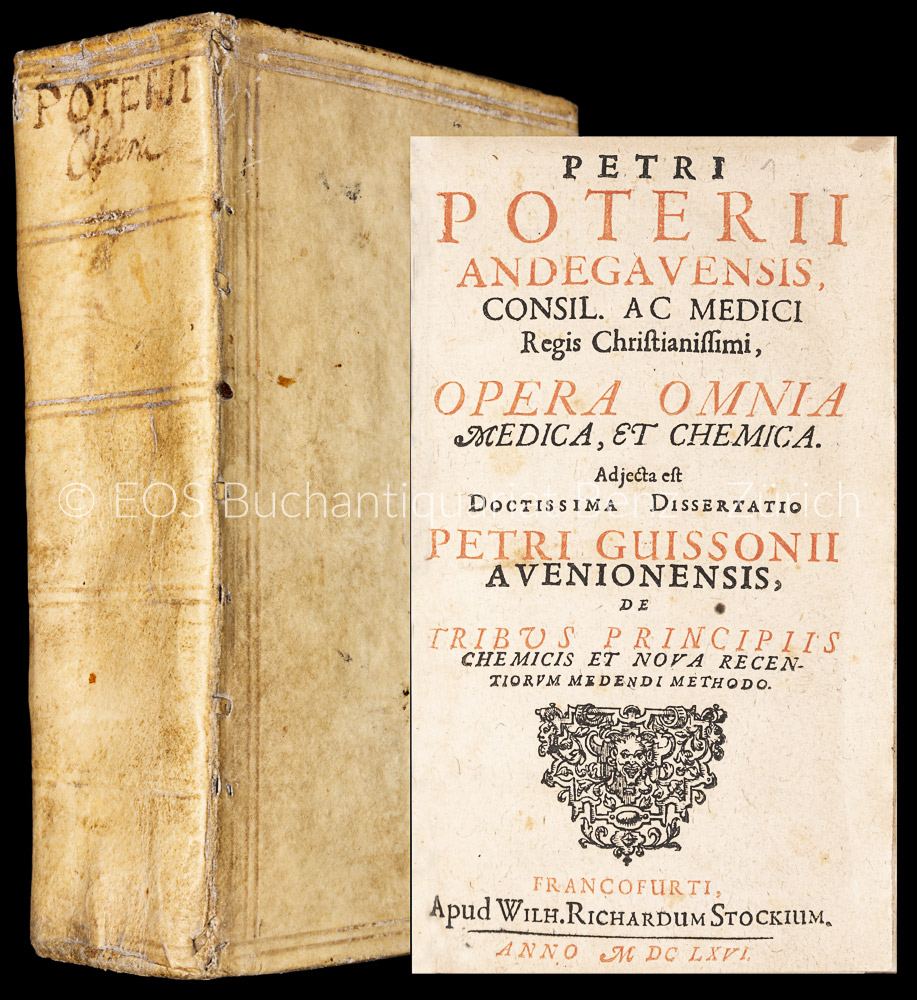
1666réf. 30327DBFrankfurt, W. R. Stock, 1666. 8°. (6) Bl., 24, 752 S. (16) Bl. Pergamentband aus der Zeit mit handschriftlichem Rückentitel. + Wichtig: Für unsere Kunden in der EU erfolgt der Versand alle 14 Tage verzollt ab Deutschland / Postbank-Konto in Deutschland vorhanden +, A|B [2 Warenabbildungen]
16 Bll.; 24 Bll.; 30 Bll.; 46 Bll. Prgt. d. Zt., auf dem Vorderdeckel eine Federzeichnung. 19 x 16 cm. VD17 1:063477L, 1:063479A, 1:063481W, 1:063483M. - Zweite Ausgabe der vier Teile. Teil I behandelt; "den Zustand der Christlichen Kirchen ... und was der Allmächtige Gott umb der Menschen Sünde und Unbußfertigkeit willen an Straffen und Plagen noch wird ergehen lassen", Teil II: "vielen gläubigen Christen zum Trost und Erquickung wie denn auch allen Unbußfertigkeiten zum Schrecken und Warnung", Teil III: "was Goott der Allmächtige noch vor grosse Straffen und Landplagen uber etzliche fürnehme Städte im Lande zu Sachsen, Meissen, und andere Orte mehr im Römischen Reich im 1638. 39. 40. 41. und 1647 Jahre werde ... ergehen lassen, wofern nicht noch eine Allgemeine warhafftige Busse vin und MenschenKindern erfolgen wird", Teil IV: "... auch Wie? oder welcher Gestalt? ... sich das zornige RachSchwerdt Gottes werde die bevorstehenden Jahre in die Morgen und Mittags Länder ... wenden, unerbärmlich umb sich hawen und schneiden, und dahero unzehlich viel Menschen Bluts werde vergossen...". ----- Georg Reichhard (1600-1646) "ein Visionär, Chiliast und Phantast des 17. Jahrhunderts ... angesteckt von den Schwärmereien eines gewissen Johann Warner aus Meißen, der 1635 ff. vierzehn angebliche Visionen in Halle veröffentlichte, verließ Reichard seine Stelle, gab sich für einen Propheten und Gottesboten aus, zog in ganz Ober- und Niedersachsen umher und verkündete mündlich und schriftlich die ihm angeblich gewordenen Gottesoffenbarungen, Gerichtsdrohungen und Bußmahnungen, die er mit Hülfe eines gewesenen Schulmeisters Laurentius Matthäi aus Brandts bei Leipzig aufzeichnete und in zahlreichen Schriften und Flugblättern verbreitete" (ADB XXVII, 622). - Gebräunt. Zum Schluss ein umfangreicherer Beiband entnommen. Bücher de
1620réf. 23468Halle, Faber für Oelschlegel, 1620. 10 n.n. Bl., 101 SS. Kl.4°, Pergament der Zeit, handschr. Rückentitel. Rücken unter Verwendung des zeitgenössischen Materials restauriert.
1953réf. 76489Barcelona: Edicions Hora 1953. First edition in Catalan Llull's native tongue and the first edition with Campany aquatints. One of XVI special copies. Text printed in Catalan Llull is known for being among the first authors to use his vernacular language Catalan to communicate his ideas. Folio . 175 1 pp. with 11 full page hand-colored etchings drawn engraved and colored by the artist and ten large chapter headings all signed in pencil by the artist. Loose as issued in vellum-backed chemise with gilt spine lettering. Housed in a custom acrylic slipcase. A wonderful copy.This is a Catalan translation of Llull's 1305 although first published in 1512 work entitled Liber de Ascensu et Descensu Intellectus The Book of the Ascent and Descent of the Intellect. Ramon Llull is often thought of as an alchemist of the first order but strictly speaking he was a philosopher/theologian. His magnum opus Ars Magna displays his chief theme; the understanding of eternal truths by way of the intellect. While not himself an alchemist the seekers of the philosopher's stone were very influenced by Llull's ideas. In this book Llull describes the movement of the intellect through the many levels of understanding which some Renaissance alchemists such as Heinrich Khunrath interpreted as analogous to the transmutation process in alchemy. This striking volume was issued in an edition of 165 copies. This copy is one of XVI #VII copies containing an original drawing of one of the plates or of 2 of the vignettes a complete set of the proofs a series of sanguine proofs of the plates and the vignettes and the final proof of all the plates. It is the most desired format. Ramon de Capmany y de Montaner 1899 - 1992 was a Catalan painter engraver and bibliophile. He trained as a painter at the Escuela de la Lonja where he studied under the supervision of Francesc Labarta. He was one of the members of the the Evolutionists and one of the regulars of the Sala Pares. The Evolutionists were an artistic group from Barcelona in the aesthetic sphere of Noucentisme and who rejected programmatic orthodoxy and influenced by Cezanne and the Fauvists developed a personal work constructed and of austere colors. Mainly a landscape painter he mostly painted the surroundings of the Montseny Massif and the old part of the city of Barcelonain a naturalistic style. He also illustrated bibliophile editions such as this one. He held the position of curator in the board of the Ateneo Barcelones during the presidency of Pedro Gual Villalbi between 1952 and 1962. Some of his works can be found in the National Art Museum of Catalonia.One of the proofs of the work apart from the one designated to be signed by the artist is dedicated by Capmany to a Mr. Riera with the following words: ‘Prueba dedicada al Sr. Riera por el artista. Ramon Campmany.’ An original steel etched plate one used in the making of this volume comes with the work. It’s an additional object and no other copies have such a plate. This plate was a gift from the artist to the same Mr. Riera. Edicions Hora hardcover
1752réf. ARC-114266Chez Durand, Pissot à Paris 1752, jn-4 , 2 feuillets non chiffrés, LV, 629 pages et 3 pages non chiffrées. Reliure en plein veau d'époque. Dos à nerfs orné. Pièce de titre en maroquin rouge. Reliure très bien restaurée. Édition originale, traduite par le baron d'Holbach de l'allemand, illustrée d'un frontispice et de 15 planches dépliantes sur cuivre.
1729réf. 1491A Amsterdam, aux dépens de la compagnie, 1729, 1729 6 feuillets (Préface et table), 264p, frontispice, 3 feuillets (titre et table), 302p 2 tomes en 1 volume. Le frontispice gravé, qui devrait se trouver en tête de volume a été déplacé en vis à vis de la page de titre du tome second. Il représente les victoires que le diable a remporté sur le genre humain. In-12, demi-reliure basane brune avec coins, tranches mouchetées, dos plat avec quelques manques, pièce de titre en maroquin rouge. Reliure anglaise d'époque, éclats et manques.
réf. 2818PARIS, Guillaume de La NOUË, 1584., Un fort volume, in-8 (180 x 115 mm), de (12) ff., 654 ff., (1) p., (10) ff., Reliure en plein veau fauve, dos muet à quatre nerfs orné au petit fer, plats frappés d’un médaillon central et d’un triple listel en à froid, fleurons dorés en angles, tranches jaspées. Reliure dont le dos a été restauré à l’imitation de l’ancien et plats d’origine conservés. Portait gravé de l’auteur. Illustré de trois étranges bois hors texte : « Figure de la création du monde », « Figure de titubation du firmament », Figure des saisons et Aages du monde ».
réf. 104612Genève, Apud Ioannem Celerium, 1624, 1 volume de 11x16 cm environ, 19 ff. (titre avec vignette de l'éditeur, epistola dedicatoria, elegia), 1 f.blanc, 364 pages-2ff. (series)-28 ff. (index)-7 ff. (titre, epistola)-92 pages- 18 ff. (inex), 1f. blanc, reliure plein parchemin crème d'époque, couverture muette. Manque 1 page de titre et léger manque de papier p. 15, parchemin en parti décollé sur le dos, avec déchirure, rousseurs, des pages cornées, fréquentes erreurs de pagination mais le texte est complet.
1766réf. 21550Paris, Pierre-François Didot, le Jeune, 1766 ; in-12, veau marbré, dos lisse à faux nerfs dorés, décoré et doré, pièce de titre grenat, tranches rouges (reliure de l’époque) ; [8], 392 pp.
1631réf. 2936Coloniae Agrippinae (Cologne) , Ex Officina Hieratorum FF. Anno MDCXXI 1631 Numerous woodcut illustrations in the first part. [27ff], 760, [28ff index]; 248, [4ff index]; 21 ; 122 ; 83.Cinq textes reliés en un fort volume in quarto en plein vélin, dos à cinq nerfs, plat supérieur estampé à froid, orné d’un super-libros frappé à l’or « Pierius » et dans le cartouche centrale, l’emblème de la congrégation des jésuites « JHS » encadré de quatre lyres. Traces de fermoirs, tranches rougies, manque à la coiffe inferieure, usures et taches.
1666réf. 30327BBFrankfurt, W.R. Stock, 1666. 8°. 6 n.n. Bl., 24, 752 S. 16 n.n. Bl. Pergamentband der Zeit mit handschriftlichem Rückentitel.
1666réf. 30327BBFrankfurt, W.R. Stock, 1666. 8°. 6 n.n. Bl., 24, 752 S. 16 n.n. Bl. Pergamentband der Zeit mit handschriftlichem Rückentitel.