Super StarBiblio.com

4,066 results
2011ref. G098353120XI5N10RSSS Worldwide 2011. Paperback. Acceptable. Former library book; Readable copy. Pages may have considerable notes/highlighting. ~ ThriftBooks: Read More Spend Less.Dust jacket quality is not guaranteed. RSSS Worldwide paperback
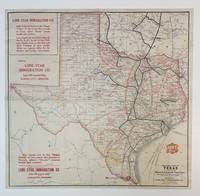
1910ref. 13268St. Louis MO: Lambert-Deacon-Hull Printing Co 1910. Lithographed map 21.5 x 22.25 inches printed in black and red. An attractive map of the great state of Texas created by the Missouri Kansas and Texas Railway to promote their regional lines and encourage immigration. The map includes the company's railway lines coming down from Oklahoma and snaking through the central-eastern portion of the state down to the Gulf Coast. Steamship lines are indicated to various locations from Galveston. Within the area of the state locations are shown for areas adapted to certain crops and general regional elevation and rainfall figures are also printed sporadically across the state. This version of the map was distributed "Compliments of Lone Star Immigration Co." The top left usually where an inset map would be printed includes promotional text about the company: "Lone Star Immigration Co. Sells irrigated farms in the 'Magic Valley' of the Lower Rio Grande in Texas where 'Home' means health and comfort. Low round trip excursion rates via the M. K. & T. in our private Pullman Dining Cars on the first and third Tuesdays of each month. Write our nearest office for literature and further information." Similar but shorter promo text appears in the lower left corner. OCLC reports about a dozen copies of some version of the map sponsored by different land and development companies with no holdings of this particular map from the LSIC. Lambert-Deacon-Hull Printing Co unknown
2015ref. SBBI-mon0000136224Hardie Grant Egmont 2015. hardcover. Very Good. Most of our very good books have only minor imperfections such as shelf wear consistent with a new book that's sat on a bookshop shelf for a year or two. Occasionally we may miss other minor imperfections as we have to grade books at speed. Our books are dispatched from a Yorkshire former cotton mill. We list via barcode/ISBN so please note that the images are stock images and may not be the exact copy you receive furthermore the details about edition and year might not be accurate as many publishers reuse the same ISBN for multiple editions and as we simply scan a barcode or enter an ISBN we do not check the validity of the edition data when listing. If you're looking for an exact edition please don't order at least not without checking with us first although we don't always have time to check. We aim to dispatch prompty the service used will depend on order value and book size. We can ship to most countries see our shipping policies. Payment is via Abe only. Hardie Grant Egmont hardcover
ref. N18N-01133Random House Books for Young Readers. Used - Good. Good condition. A copy that has been read but remains intact. May contain markings such as bookplates stamps limited notes and highlighting or a few light stains. Random House Books for Young Readers unknown
2006ref. mon0004283370Skira 2006-04-04. Hardcover. Good. 0.9449 12.0472 10.1575. Ex price sticker on cover. Dust jacket has minor wear. rnrn Skira hardcover
ref. SONG1845768590Used: Good unknown
ref. DADAX1538116200New unknown
ref. SONG1705107184Used: Good unknown
ref. B9786208012557Paperback / softback. New. paperback
ref. DADAX1452167613New unknown
ref. DADAX0553409719New unknown
2015ref. 70538-A-57629Groninger Museum 2015. First ed. Hardcover. 31x23 cm. Profusely illustrated full-page in color. 323 p. . -very good as new. ISBN 9789090294360. Groninger Museum hardcover
ref. DADAX026204790XNew unknown
ref. DADAX1250032245New unknown
ref. DADAX1612331203New unknown
ref. 2311MA033Pelo Engenheiro Silvicultor. Fevereiro MCMXXXIV. Ponta Delgada Ilha de S. Miguel. Açôres. Junta Geral Autonoma do Distrito de Ponta Delgada. 1934.De 28x22 cm. Com ii ii 72 págs. Brochado. Ilustrado com tabelas e gráficos desdobráveis.Exemplar com sinais de manuseamento na brochura danos na lombada com cadernos expostos no pé e na cabeça picos de oxidação nas capas picos de acidez no verso das capas e nas folhas assinatura de posse na capa anterior errata em formato pequeno colado no verso da capa posterior e as folhas agrafadas. Tem junto um cartão de visita de António Teixeira de Miranda. I-51-G-37 unknown
ref. B9783036544724Hardback. New. hardcover
1930ref. 75576Los Angeles: N.p. 1930-1934. Scrapbook filled with letters cards printed announcements photographs and invitations put together by Irma Cleveland Matron of the Triangle Chapter of the Order of the Eastern Star/ Original string-tied oblong album of buff boards with a laid down color illustration. The Order of the Eastern Star is a Masonic appendant body open to both men and women. It was established in 1850 172 years ago by lawyer and educator Rob Morris a noted Freemason and adopted and approved as an appendant body of the Masonic Fraternity in 1873. The order is based on some teachings from the Bible and is open to people of all religious beliefs. It has approximately 10000 chapters in twenty countries and approximately 500000 members under its General Grand Chapter. It is still going strong.Members of the Order of the Eastern Star are aged 18 and older; men must be Master Masons and women must have specific relationships with Masons. Originally a woman would have to be the daughter widow wife sister or mother of a Master Mason. The Order now allows other relatives as well as allowing Job's Daughters Rainbow Girls Members of the Organization of Triangles NY only and members of the Constellation of Junior Stars NY only to become members when of age. Irma Cleveland and her husband Harry to a lesser extent was very active in this organization. Basically this album covers 1931 to 1933 but there are at least 100 printed items. Apparently she rose to the rank of Matron highest rank possible in her Lodge of the Order of the Eastern Star; Triangle Lodge No. 548 in Venice California. But she was a busy gal as there are printed materials from Lodges all over Southern California: Coronado Santa Monica Palms Culver City Beverly Hills Ocean Park Long Beach and the Grand Lodge. There is an interesting original photograph of initiates going through the ceremony at the Long Beach Lodge. It is not clear what they are wearing but some kind of Greenman costume. Basically the Order of the Eastern Star was a way for married couples to become Freemasons together as the Scottish Rite etc. was just for men. N.p. hardcover
ref. 2301MA069Comentário a um 'Parecer'. e outras considerações. Por F. Estrella e Silva. S.n. Lisboa. 1958.De 24x165 cm. Com 141 ii págs. Brochado. Ilustrado no texto com fotografias a preto e branco impressas sobre papel couché.Exemplar com dedicatória do autor na folha de anterrosto. Tem junto um folheto de 4 páginas.Obra composta em impressa pela «Ramos Afonso & Moita Lda.» Lisboa. I-51-A-43 unknown
ref. SONG1419714007Used: Good unknown
ref. 3005MF2141.ª Edição. Mocidade Portuguesa Feminina. Angola. 1972.De 25x20 cm. Com 91 págs. Encadernação ilustrada do editor. Profusamente ilustrado.Exemplar com pequeno dano na extermidade inferior da lombada.Nota de Edição: "O Texto deste livro foi escrito primeiramente para o programa radiofónico da Mocidade Portuguesa Feminina Via Láctea. Dado o interesse que despertou organizou-se um concurso de ilustração dos textos entre as alunas do Ciclo Preparatório do Estado de Angola. Daí resultou esta publicação que é editada com o patrocínio da Secretaria Provincial de Educação. O livro consta de 17 capítulos tantos quantas as Delegacias e Sub-Delegacias que o ilustram." I-217-C-2 unknown
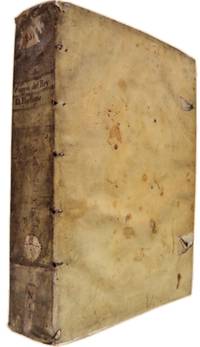
ref. 1504JC024Hijo d’el Emperador Don Carlos Quinto Maximo desde España à sus tierras de la baxa Alemaña: con la description de todos los Estados de Brabante y Flandres. Escrito en quatro libros por Iuan Christoual Caluete de Estrella. Con Gracia y Priuilegio de la Imperial Majestad para todos sus Reynos Estados y Seõrios por quinze Años. En Anuers en casa de Martin Nucio. Año de M. D. L I I. 1552.In fólio de 27x19 cm. Com 8 335 19 folios.Encadernação da época em pergaminho flexível com o título manuscrito na lombada e com vestígios de fechos de atilho nas pastas com 6 fragmentos de um manuscrito do séc. XVI reforçando a lombada do miolo.Ilustrado com as armas de Carlos V em xilogravura na página de rosto uma outra xilogravura de página inteira no verso do último fólio preliminar contendo um arco triunfal erigido em Gand para a entrada de Filipe a marca de impressor de Nutius no final e dezenas de iniciais decoradas em 4 séries.Exemplar com uma nota manuscrita marginal inicial e ocasionais notas e marcas posteriores maioritariamente a lápis. Com um leve pico de traça na margem interior do pé de cerca de 40 folhas que não afecta o texto e ligeiras manchas de água marginais nas últimas e primeiras três folhas mas ainda em muito bom estado. Capa quase solta do miolo alguns rasgões e manchas perdeu os dois pares de atilhos e as páginas finais com rasgos.Primeira edição no original espanhol de um relato de uma testemunha ocular das viagens do Princípe Filipe futuro Filipe II de Espanha e Iº de Portugal aos Países Baixos através de Itália e dos Estados alemães com o objetivo de o preparar para as obrigações que teria de enfrentar quando sucedesse aos títulos do seu pai o Sacro Imperador Romano Carlos V que também foi rei Carlos I de Espanha.Obra publicada nos últimos anos do reinado do Imperador Carlos V. Encontram-se referências a D. João II e à presença de Portugal em Antuérpia e na Flandres nos fólios 318; 235 e 302.A obra enquadra-se na passagem de poderes abdicação e cedência do Imperador. Nos últimos anos da sua função Imperial ocorreram os seguintes factos:Em 1548 o documento proposto por Carlos V - o Interin de Augsburgo - não foi aceite pelos Protestantes nem pelo Papa A cidade de Magdeburgo centro da resistência protestante é banida do Império. Em 1552 Maurício da Saxónia responsável pela aplicação do decreto armou-se secretamente e surpreendeu o Imperador. Derrota de Carlos V em Innsbruck. O Imperador e os Príncipes protestantes assinam o Tratado de Nassau. 1552-1556 Guerra entre Carlos V e Henrique II de França que tinha ocupado Metz Toul e Verdun. Em 1553. Maurício da Saxónia derrota Alberto marquês de Brandenburgo-Culmach em Sievershausen mas foi ferido mortalmente. Em 1554 Assinatura do Tratado de Crépy. 1555. Supressão violenta de uma revolta anti calvinista em Genebra. A cidade tornou-se um centro de refúgio para protestantes ingleses e franceses e um ponto de radiação da doutrina calvinista. 1555 Assinatura da Paz de Augsburgo pela qual se reconhece aos protestantes a liberdade de culto e de propriedade. Os príncipes territoriais e as cidades livres que à data tinham aceite a confissão de Augsburgo passaram a ter liberdade de culto o direito de introduzirem a Reforma nos seus territórios jus reformandi e direitos iguais aos dos estados católicos. 1556. Carlos V assina a Paz com Henrique II de França. Abdicação de Carlos V. em Bruxelas com efeito em 1558. Carlos V abdica a favor do seu filho Filipe II a soberania dos Países Baixos Castela Leão Aragão e a Catalunha Navarra Nápoles Sardenha Sicília o Ducado de Milão e as Ãndias. A função imperial e as possessões dos Habsburgos foram entregues ao seu irmão Fernando I. Carlos viveu no mosteiro de Yuste tendo ali morrido em 1558.O humanista aragonês Juan Cristóbal Calvete de Estrella ca. 1510/20-1593 pertenceu à corte espanhola de Carlos V que o nomeou tutor do príncipe Filipe 1527-1598 em 1541. Acompanhou Filipe nestas viagens pelo que o seu livro constitui uma fonte primária essencial tanto para a vida e personalidade do futuro rei Filipe II que viria a trazer a Espanha a sua idade de ouro e o seu maior poder e riqueza como para os primórdios das suas relações com os Países Baixos que viriam a revoltar-se contra o rei e provocar a queda do poder de Espanha e a desenvolver a sua própria idade de ouro como Estado independente. Calvete de Estrella permaneceu em Antuérpia quando Filipe regressou a Espanha tendo aí mandado imprimir o seu livro. Trata-se de um excelente trabalho de produção de livros que antecipa o papel que Antuérpia viria a desempenhar como principal centro de impressão e edição da Europa.EN In folio. 27x19 cm. 8 335 19 folios.Contemporary lexible parchment binding with handwritten title on the spine and traces of latches on the boards and with 6 fragments of a 16th century manuscript reinforcing the spine of the bookblock.Illustrated with the coat of arms of Charles V in woodcut on the title page another full-page woodcut on the back of the last preliminary folio containing a triumphal arch erected in Ghent for Philip"s entry the printer"s mark of Nutius at the end and dozens of decorated initials in 4 series.Copy with an initial marginal handwritten note and occasional later notes and marks mostly in pencil. With a slight moth hole on the inner margin of the foot of about 40 leaves which does not affect the texto area and slight marginal water stains on the last and first three leaves but still in very good condition. Cover almost detached from the bookblock some tears and stains signs of two pairs of latches and the final pages with tears.First edition in the original Spanish of an eyewitness account of the travels of Prince Philip the future King Philip II of Spain and I of Portugal to the Low Countries through Italy and the German states with the aim of preparing him for the obligations he would have to face when he succeeded the titles of his father the Holy Roman Emperor Charles V who was also King Charles I of Spain.Published in the last years of the reign of Emperor Charles V. References to King João II and Portugal"s presence in Antwerp and Flanders can be found on folios 318; 235 and 302.This work fits in with the transfer of powers abdication and transfer of Emperor Charles V. In the last years of his Imperial function the following events occurred:In 1548 the document proposed by the Emperor - the Interin of Augsburg - and it was not accepted by Protestants nor by the Pope. The city of Magdeburg the centre of the Protestant resistance is banished from the Empire. In 1552 Maurice of Saxony responsible for implementing the decree armed secretly and surprised the Emperor. Defeat of Charles V in Innsbruck. The Emperor and the Protestant Princes sign the Treaty of Nassau. In the years 1552-1556 there was a war between Charles V and Henry II of France who had occupied Metz Toul and Verdun. In 1553 Maurice of Saxony defeated Albert Marquis of Brandenburg-Culmach in Sievershausen but was mortally wounded. In 1554 there was a signature of the Treaty of Crépy. In 1555 occurs the violent suppression of anti Calvinist revolt in Geneva. The city has become a refuge center for English and French Protestants and a radiation point of the Calvinist doctrine. In 1555 was signed the Peace of Augsburg which recognizes the Protestants freedom of worship and property. The territorial princes and free cities that had accepted the Augsburg Confession had now freedom of worship the right to introduce the Reformation in their territory jus reformandi and equal rights of Catholic states. In 1556 Charles V signed the Peace with Henry II of France. In the same year occurred the the abdication of Charles V in Brussels effective in 1558. Charles V abdicated in favour of his son Philip II the sovereignty of the Netherlands Castile Leon Aragon and Catalonia Navarre Naples Sardinia Sicily the Duchy of Milan and the Indies. The imperial role and the possessions of the Habsburgs were delivered to his brother Ferdinand I. Charles lived his last years in the monastery of Yuste in Spain and died there in 1558.The Aragon humanist scholar Juan Cristóbal Calvete de Estrella ca. 1510/20-1593 served in the Spanish court of Charles V who appointed him tutor to Prince Philip 1527-1598 in 1541. He accompanied Philip on these travels so that his book forms an essential primary source for both the life and personality of the future King Philip II who was to bring Spain its golden age and its greatest power and wealth and for the early beginnings of his relations with the Netherlands which was to revolt against the King bring about Spain"s fall from power and develop its own golden age as an independent state. Calvete de Estrella remained in Antwerp when Philip returned to Spain having his book printed there. It is an excellent piece of book production anticipating the role Antwerp was to play as Europe"s leading centre of printing and publishing.Referências/References:Adams C264;Belg. Typ. 539;Iberian books 2403;Landwehr Splendid ceremonies 14;Palau 40491. M-17-B-19 hardcover
ref. DADAX1989605184New unknown
ref. DADAX168412848XNew unknown
ref. SONG1858759994Used: Good unknown